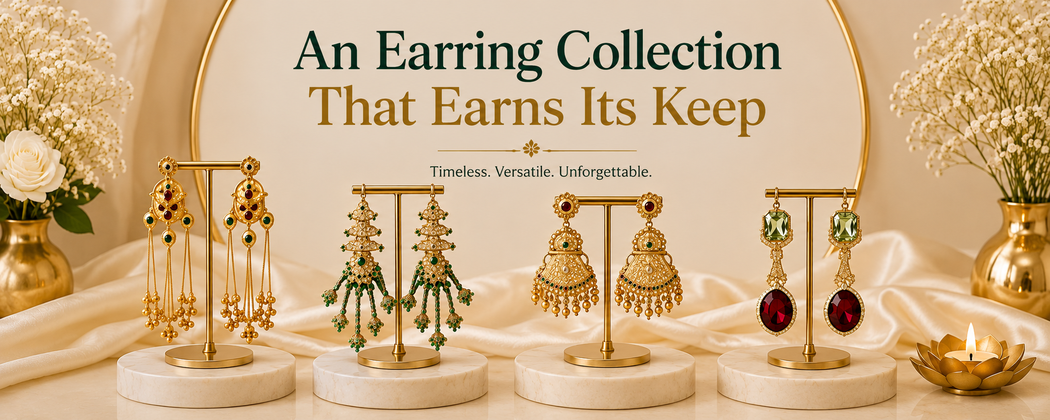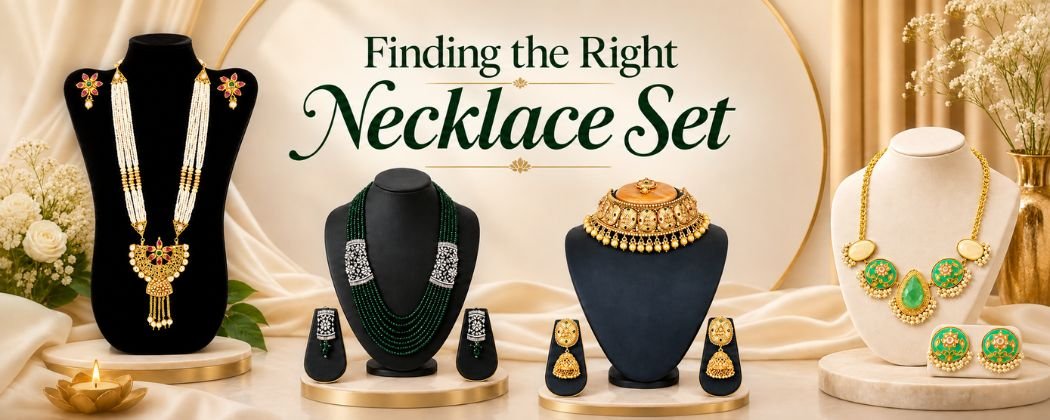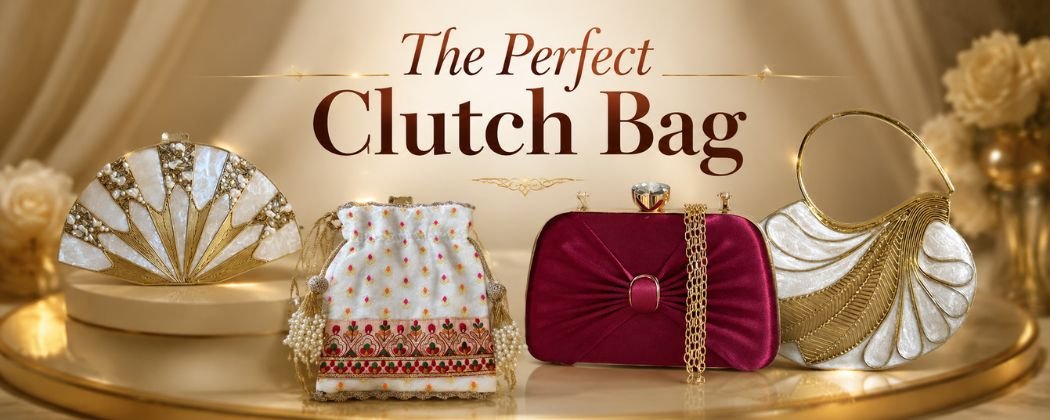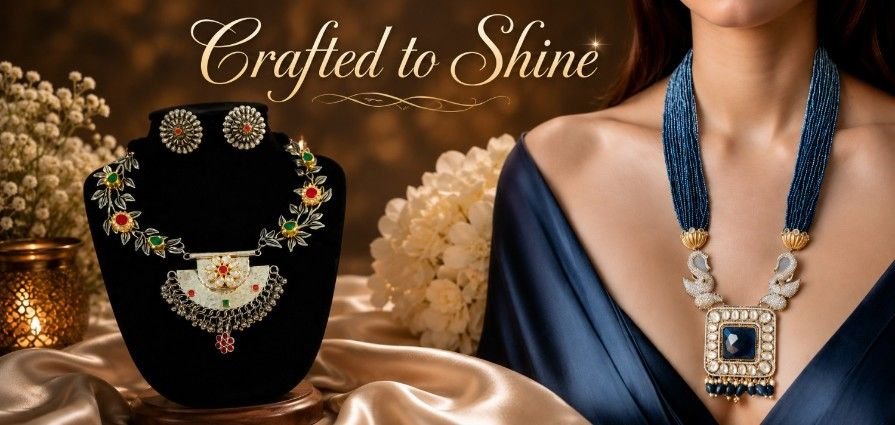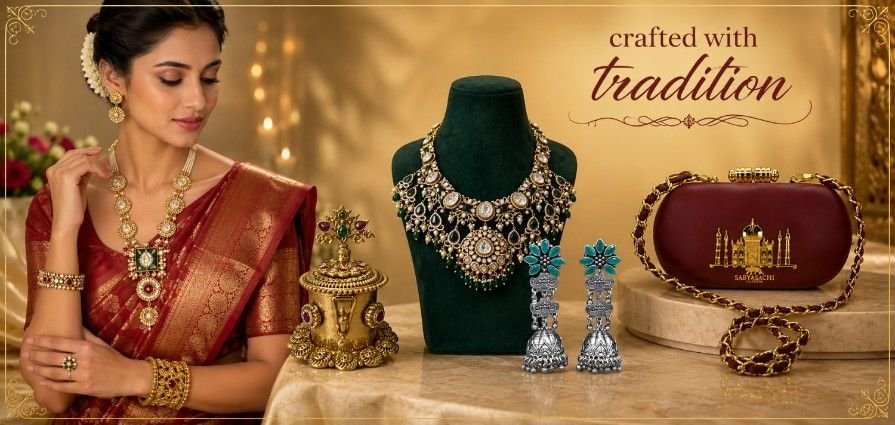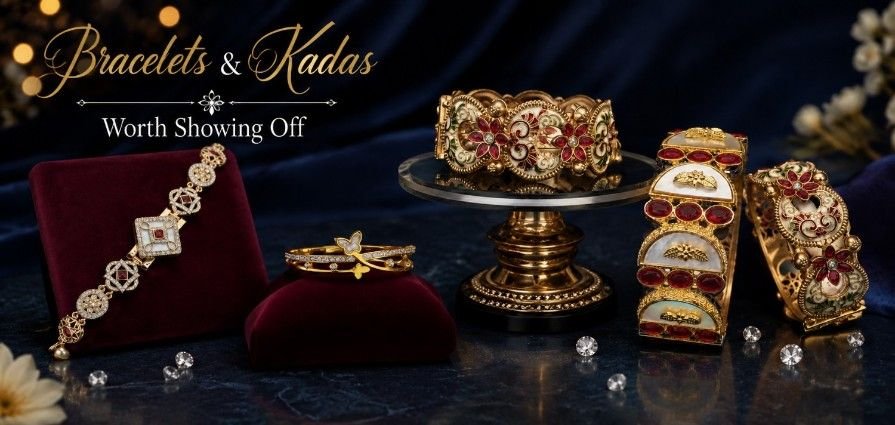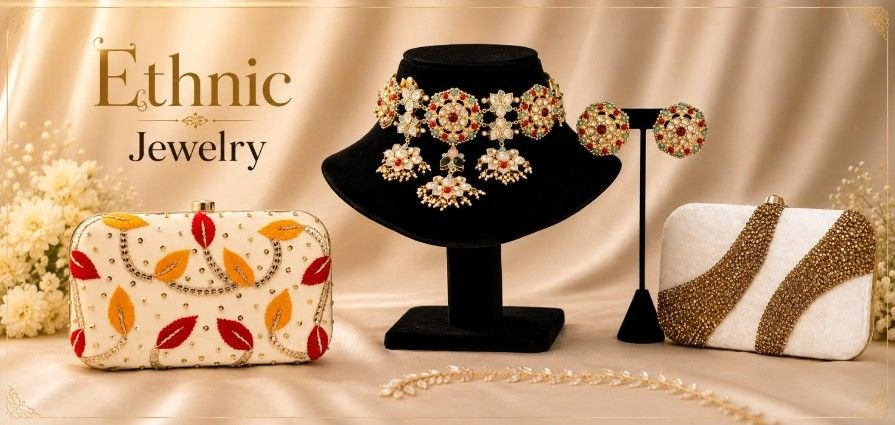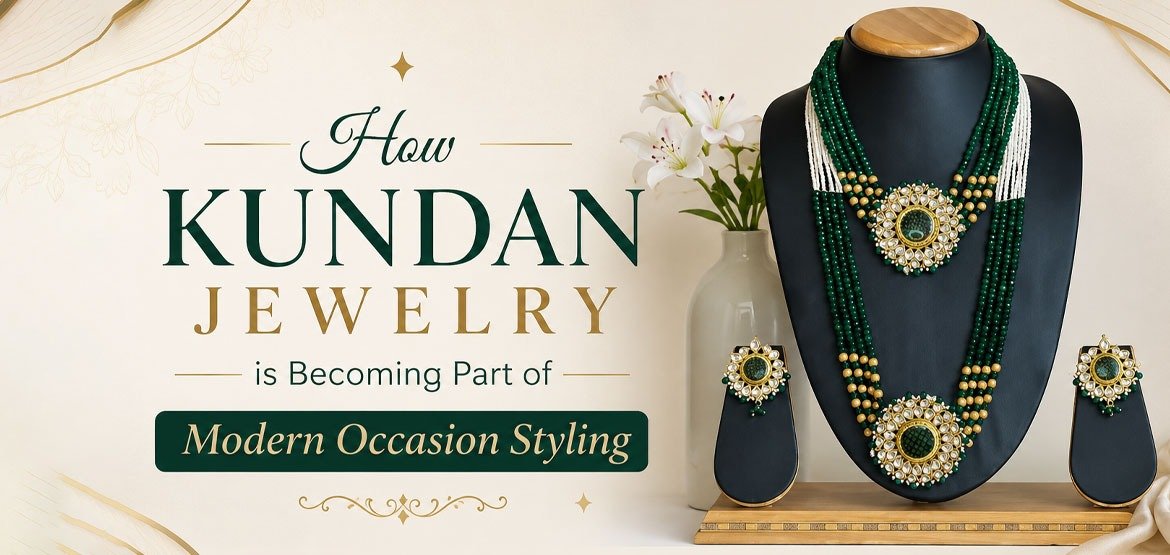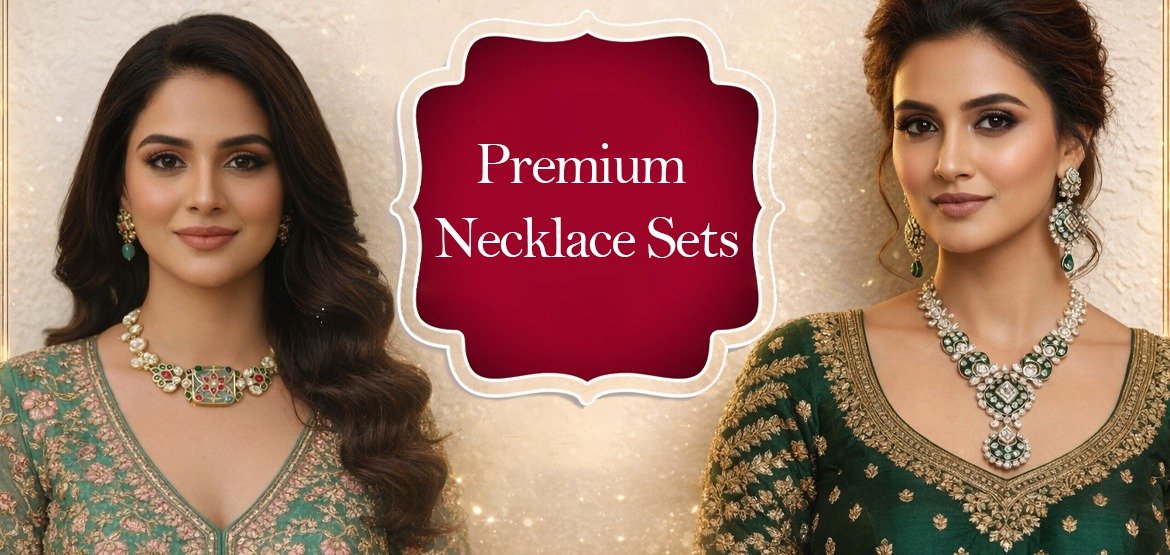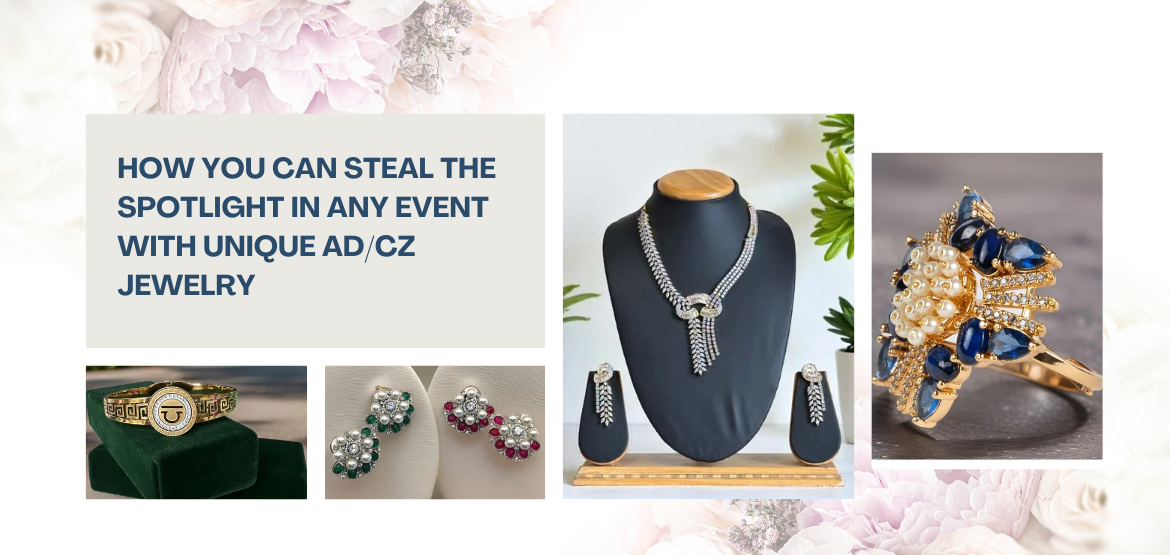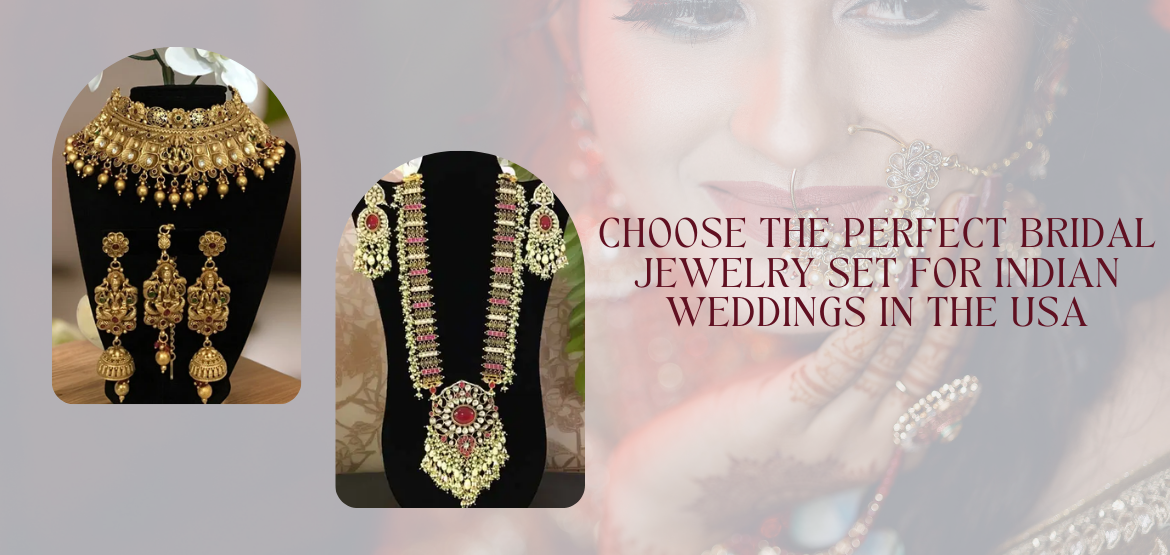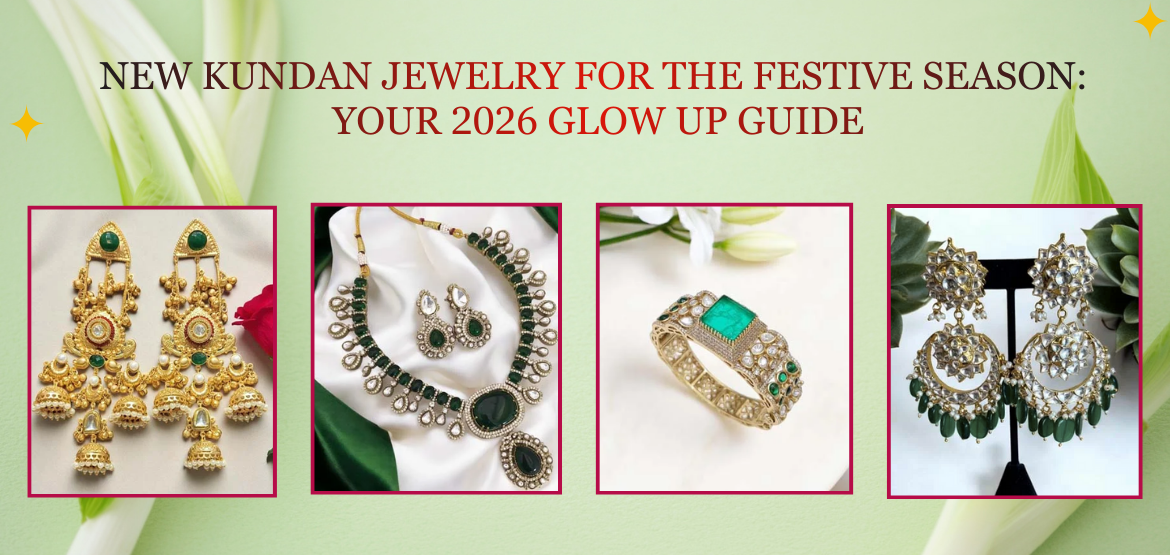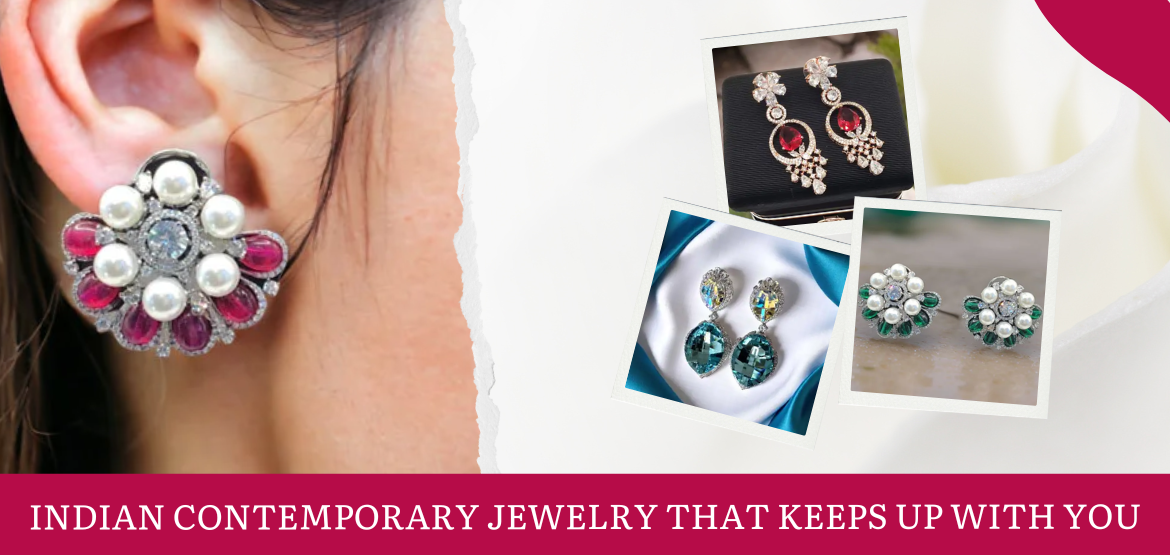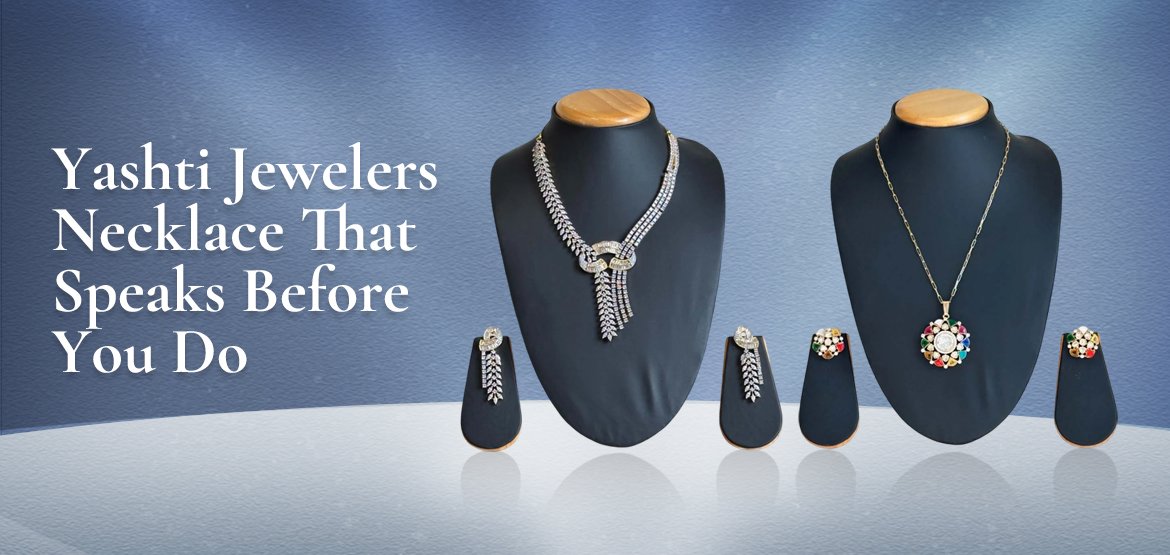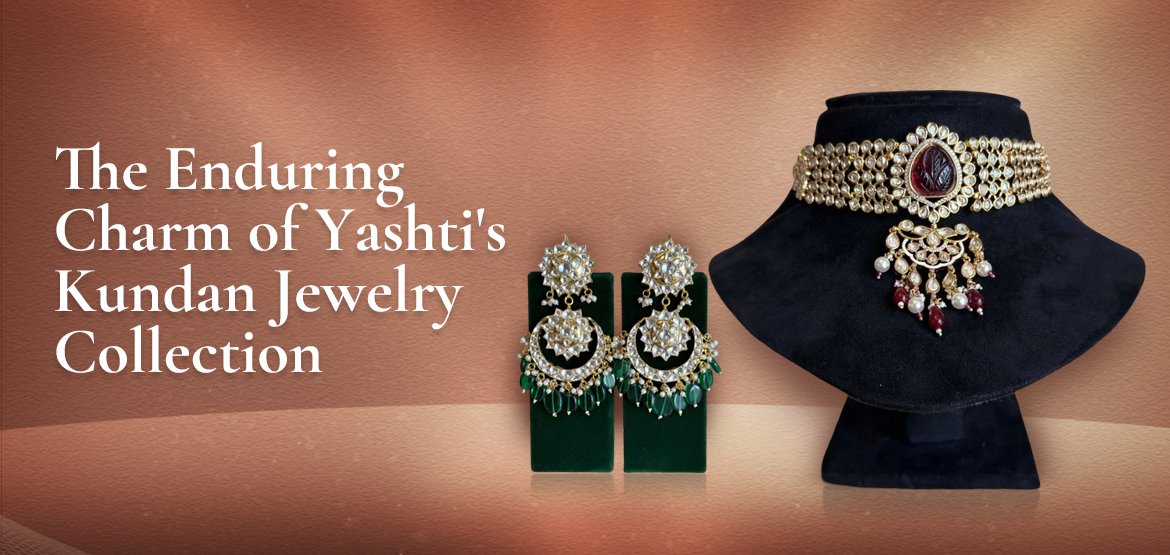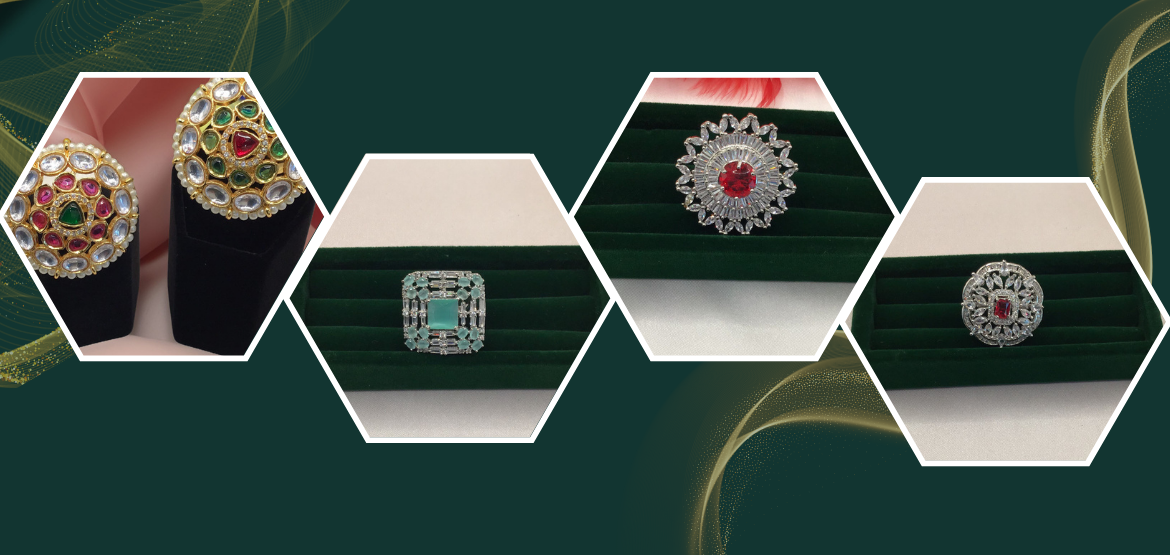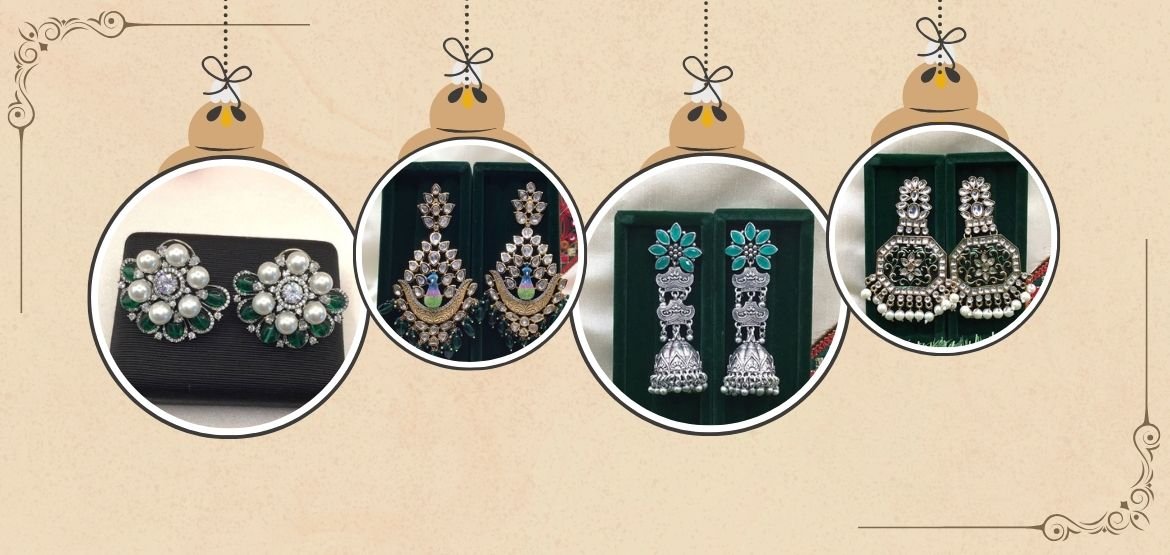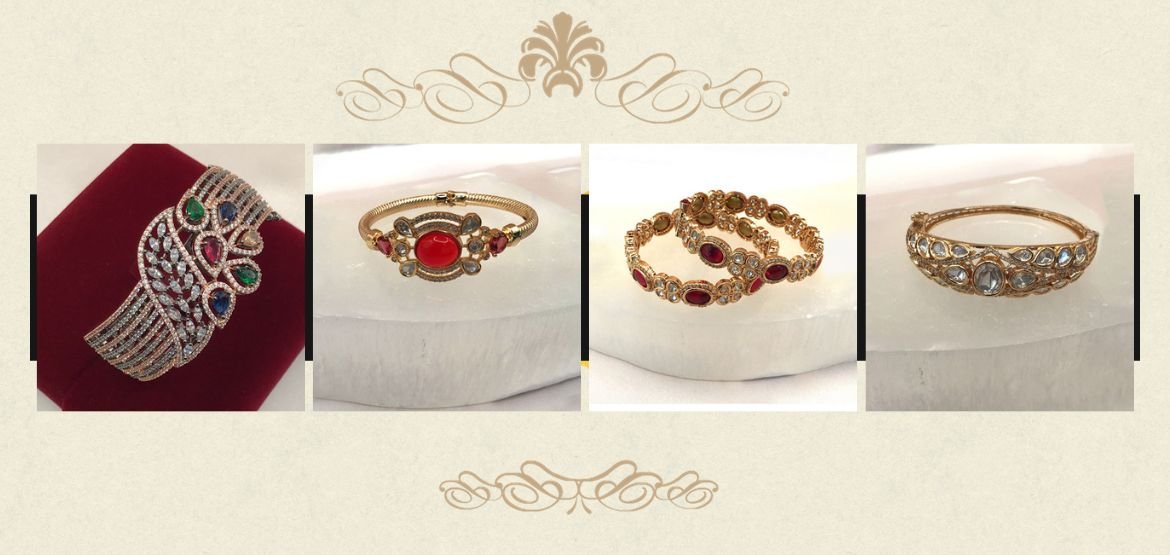
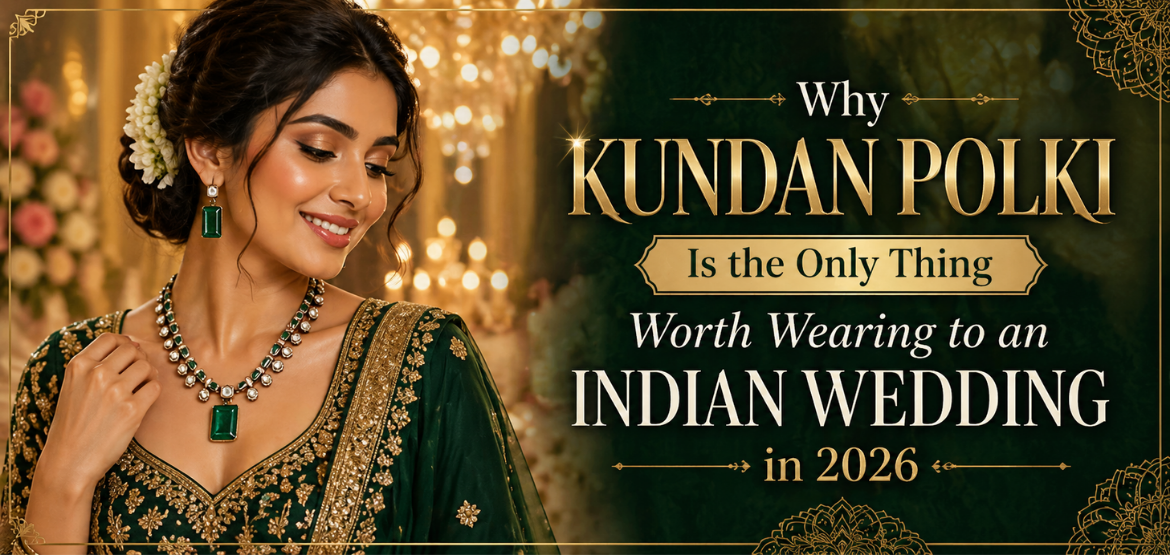
Let us have an honest conversation about what happened to Indian wedding jewelry over the last ten years. Somewhere around the time that minimal chic became the dominant aesthetic in Western fashion, those same ideas started leaking into Indian bridal styling. Suddenly, brides were wearing tiny, delicate necklaces with their heavy Kanjeevaram sarees and hoping that less would read as sophisticated. Sometimes it worked. Most of the time, it just reads as a missed opportunity.
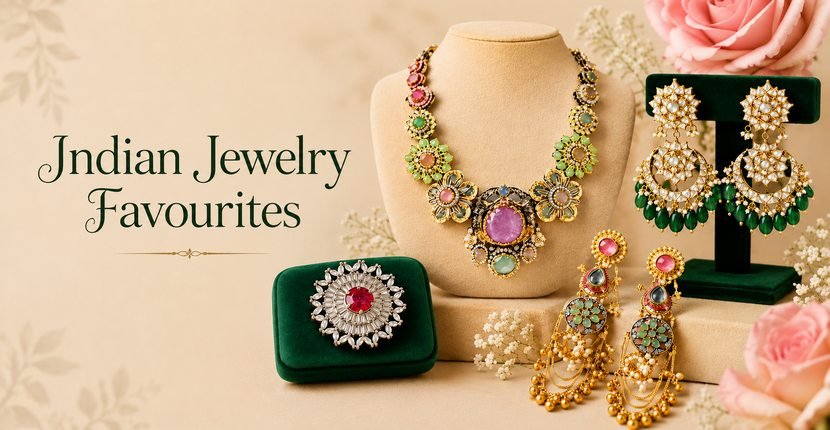
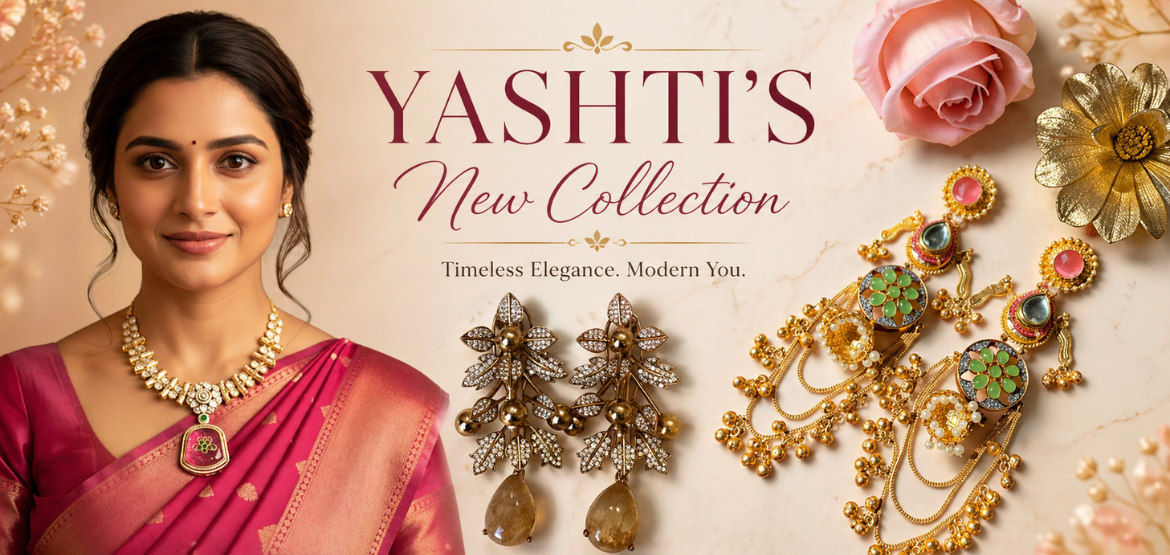
That phase is over. The pendulum has swung back with real force, and what is on the other side is more exciting than anything that came before it. The Kundan Polki Necklace has not just returned to fashion. It has taken over. And in the US Indian American wedding circuit, Yashti Jewelers is the brand that is feeding this appetite most consistently and most beautifully.
This is a deep look at the necklace category as it stands in 2026: what the key pieces are, why the traditions behind them matter, and how to think about building a necklace wardrobe that serves you across every kind of occasion your social calendar produces.
Why Polki Is Having Its Biggest Moment
.png)
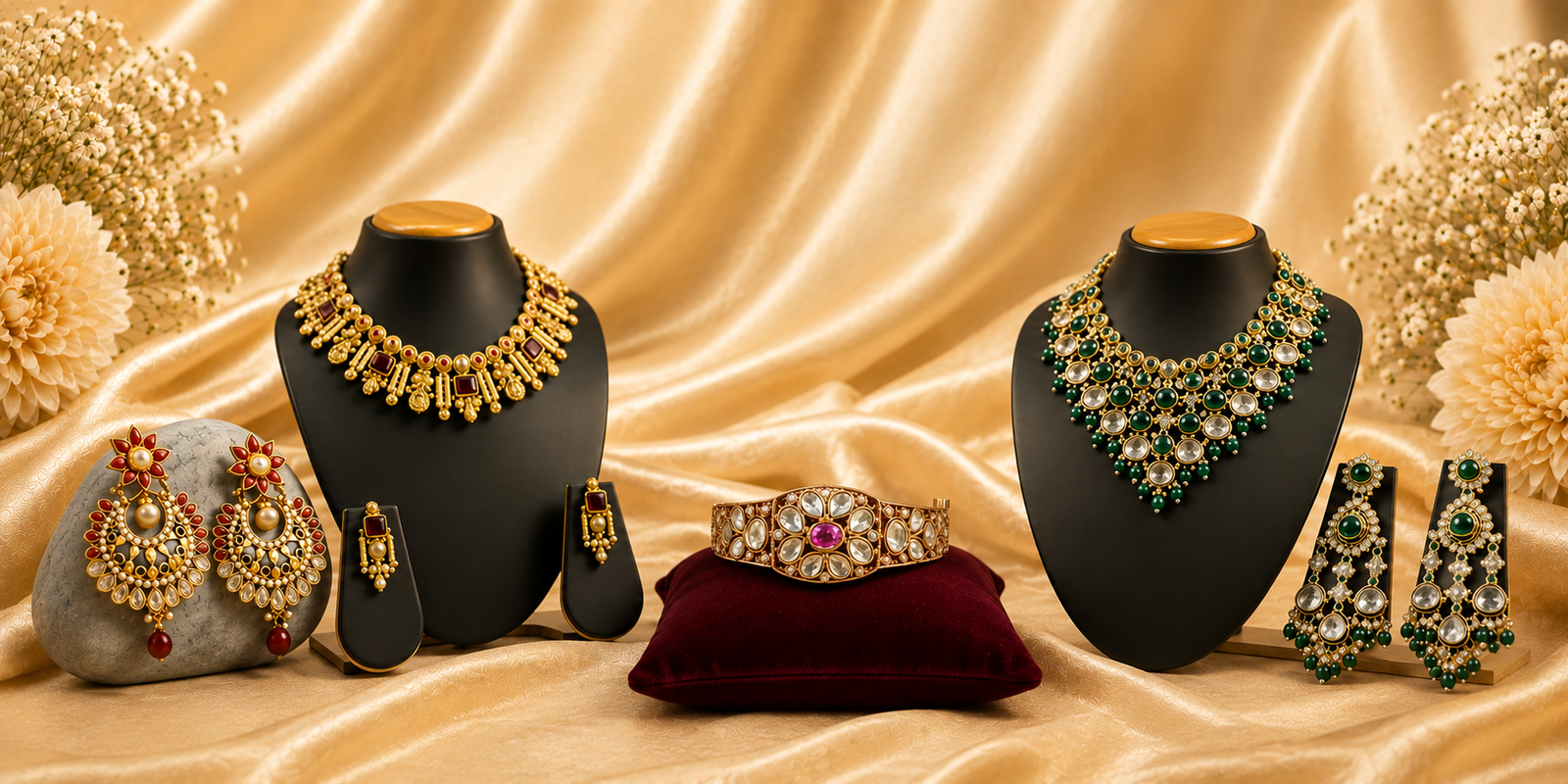
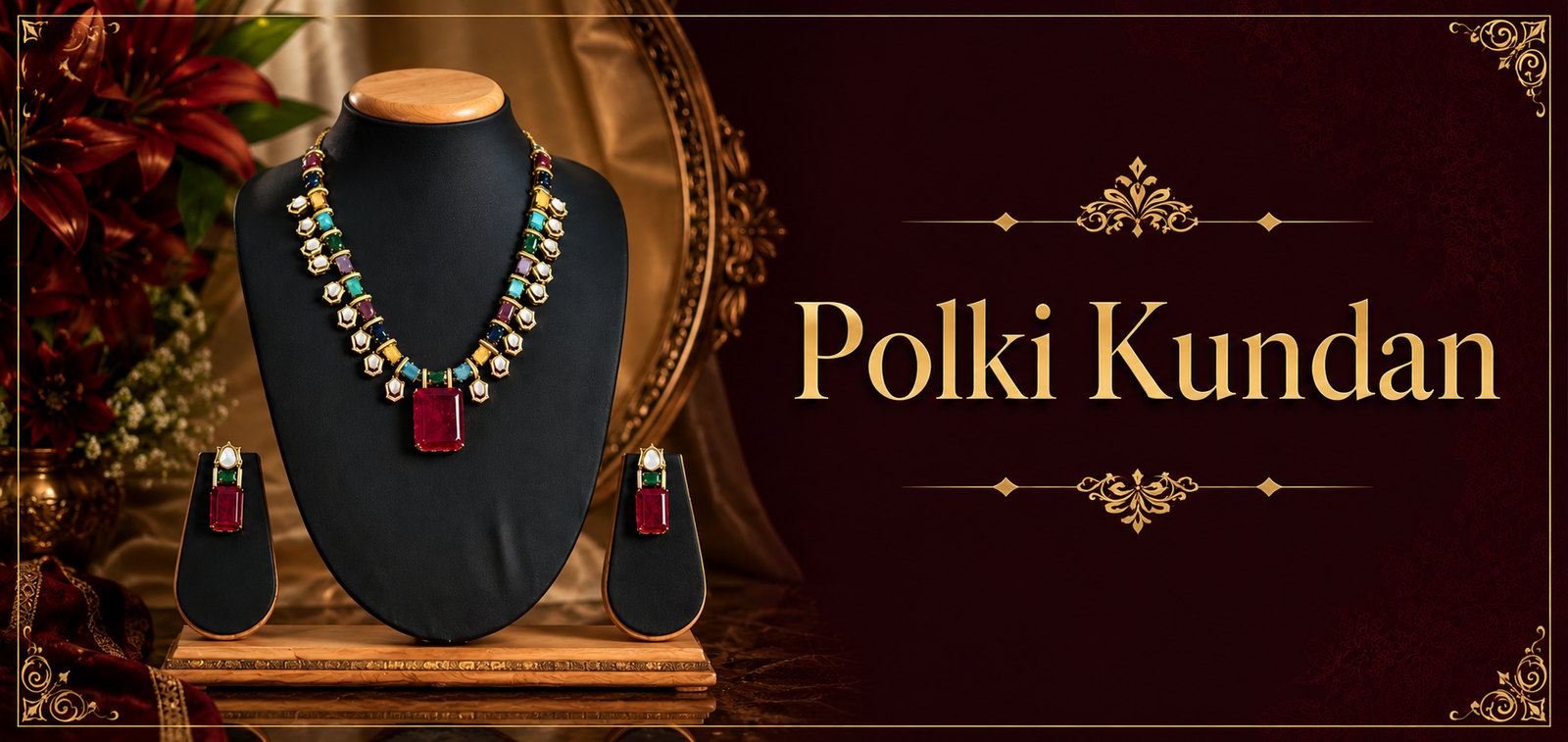
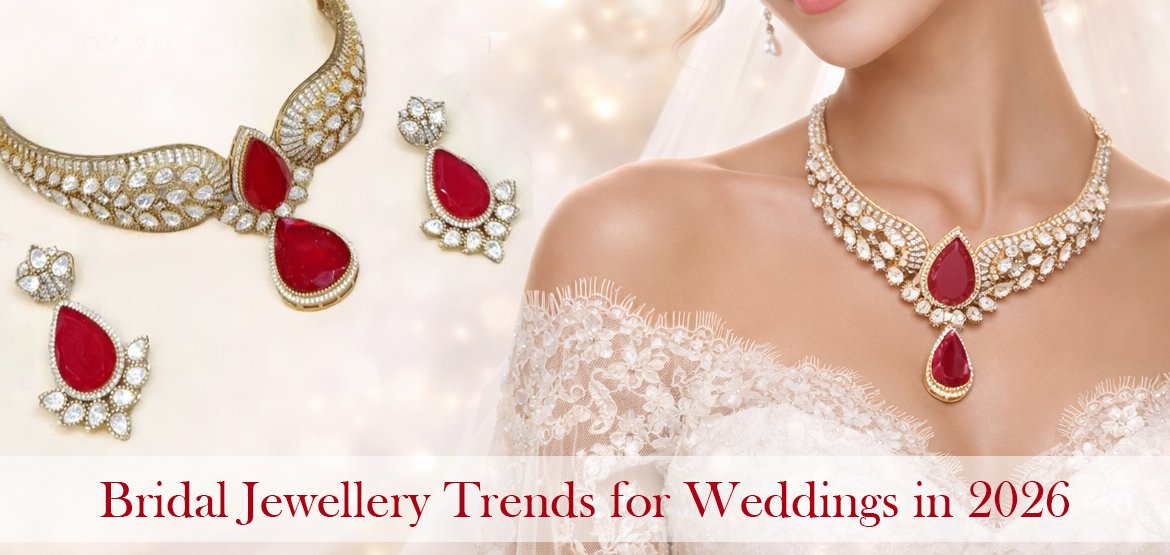
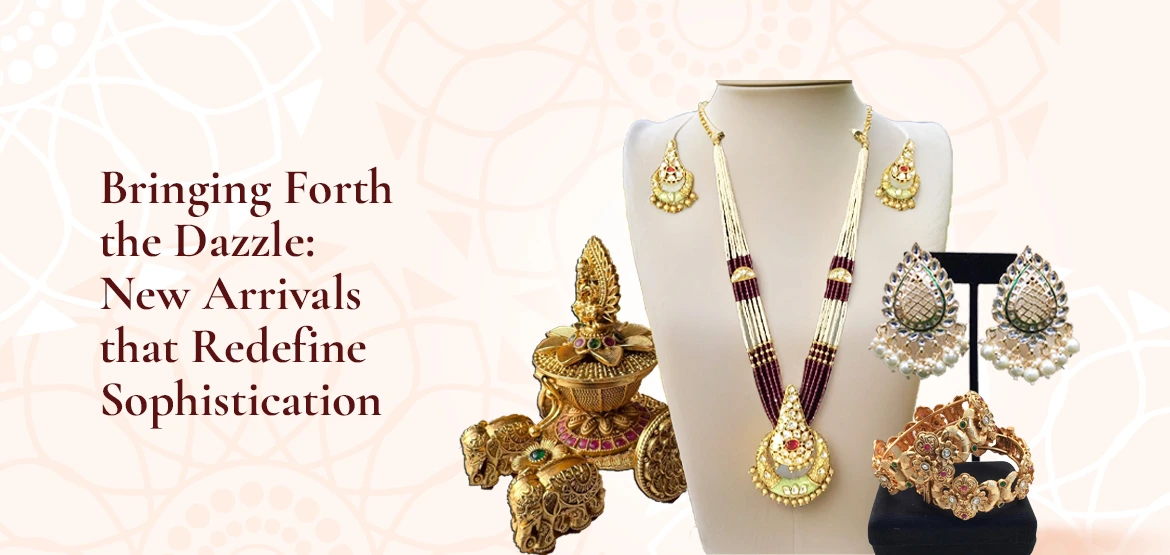
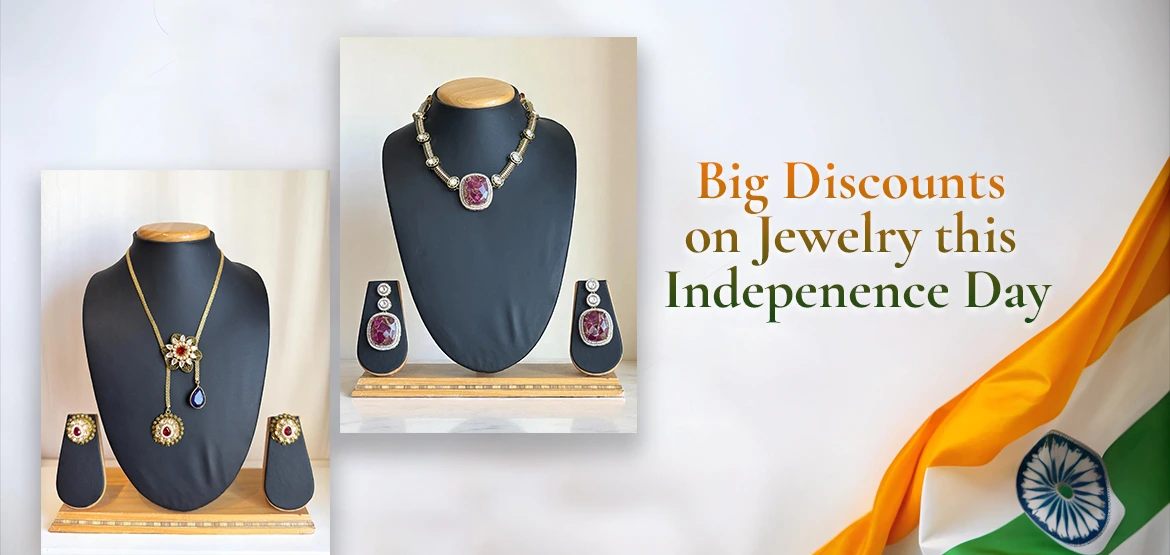
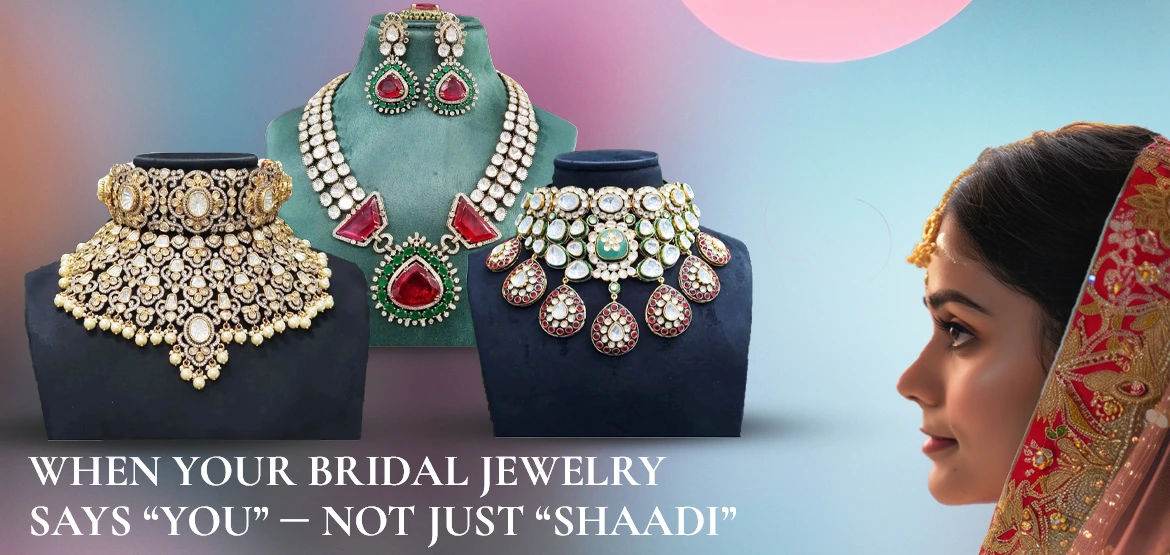
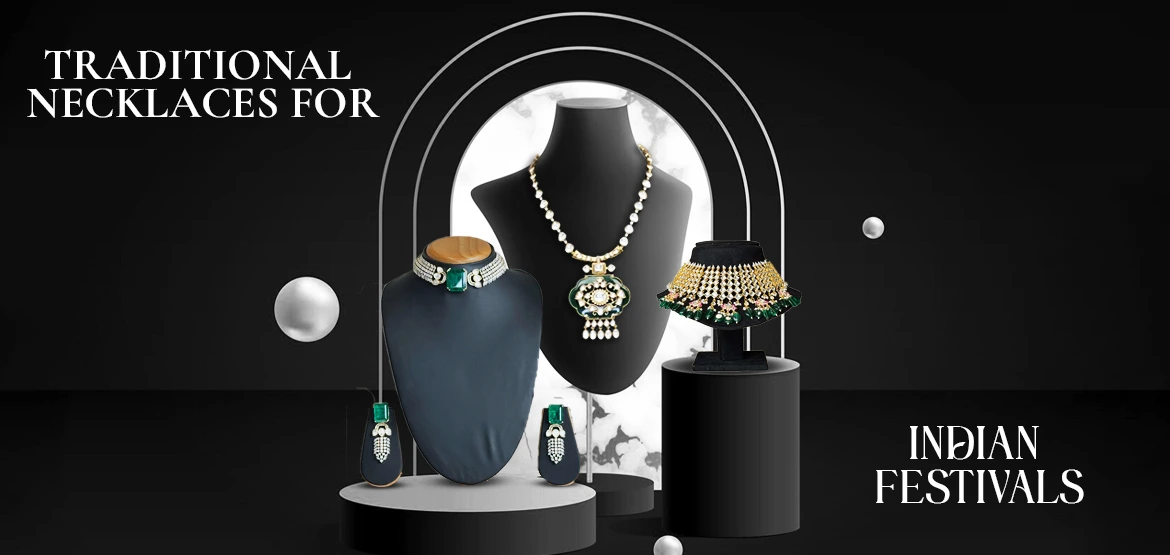
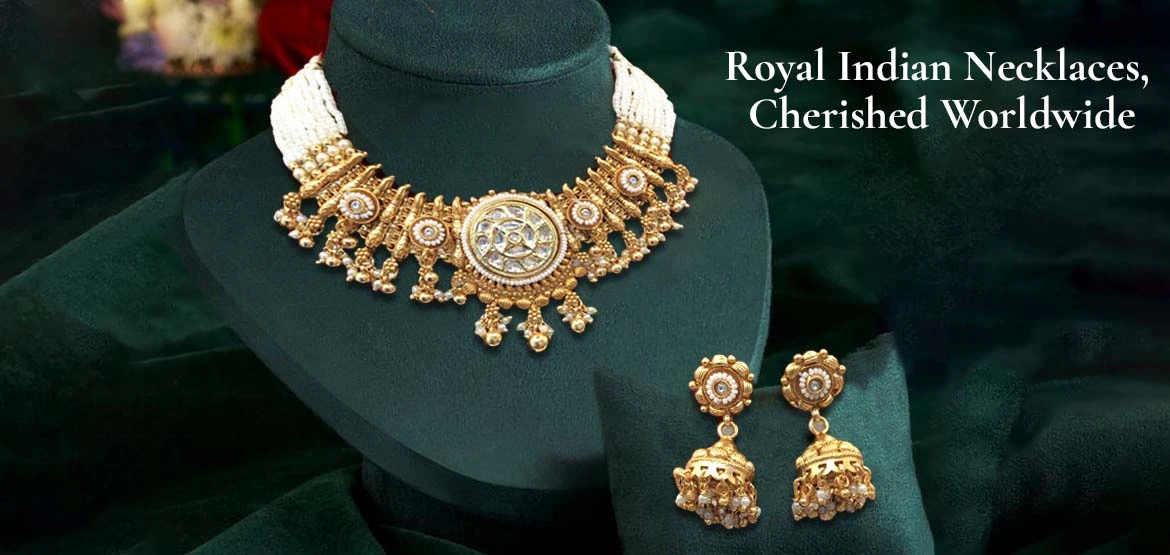
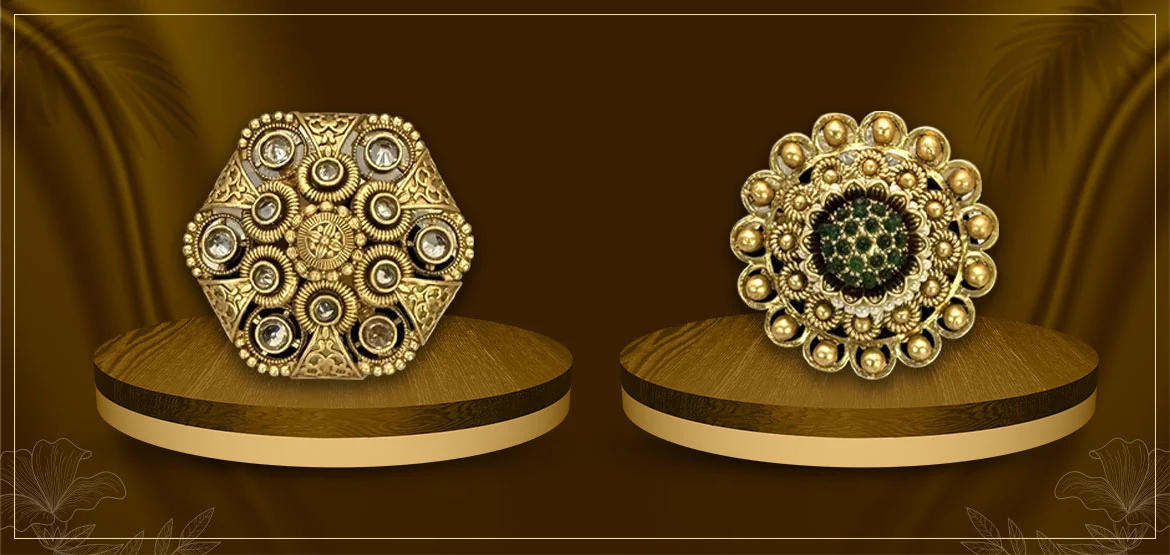
Polki jewelry references uncut stones, traditionally diamonds, but now more commonly diamond like stones of various kinds, set in gold using techniques that trace back directly to Mughal court jewelry. The defining characteristic of polki is the flatness of the stone: it sits flush against the metal, catching light in a diffuse way rather than the concentrated sparkle of a cut stone. The result is a piece that glows rather than glitters, and that distinction matters enormously in terms of what the finished piece communicates.
What a necklace set antique finished in this tradition carries is a sense of age and provenance that cut stone jewelry rarely achieves. You look at a polki piece and you feel that it has a history, even if it was made last month. That feeling is not an accident. It is the direct result of design choices that reference forms and techniques with genuine historical depth.
For Indian American brides in particular, the appeal is layered. This is a generation that grew up between two visual worlds: the fine jewelry sensibility of India and the more polished aesthetic of American fashion. Polki sits at that intersection without apologizing for either side. It does not try to look Western. It does not try to be self-consciously traditional in a way that feels like costume. It simply is what it is: visually extraordinary and culturally specific.
Yashti's polki diamond necklace designs in their artificial range achieve something that should be harder to pull off than it appears: they carry the visual weight and presence of pieces that cost dramatically more. The difference between a well made artificial polki necklace and one that is merely adequate is visible the moment you hold both in your hands. Yashti consistently lands on the right side of that distinction.
Kundan Necklace: The Constant
.png)
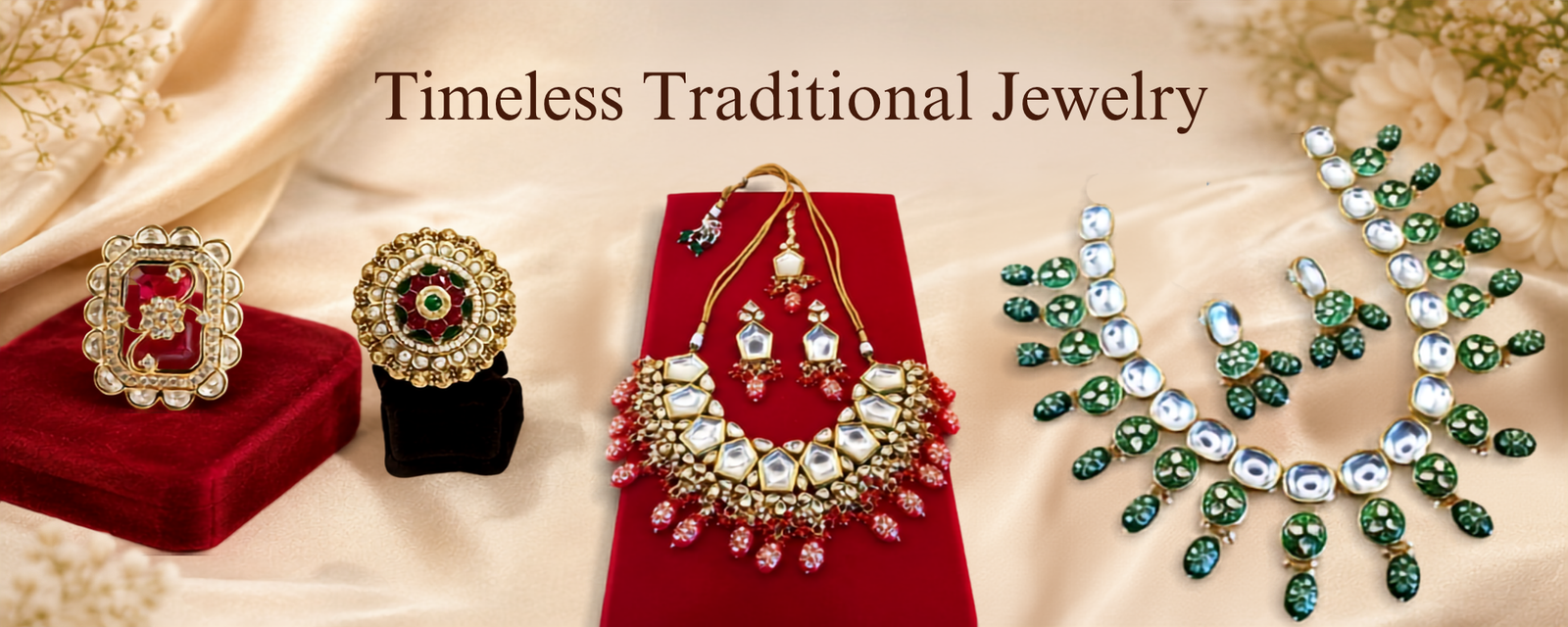
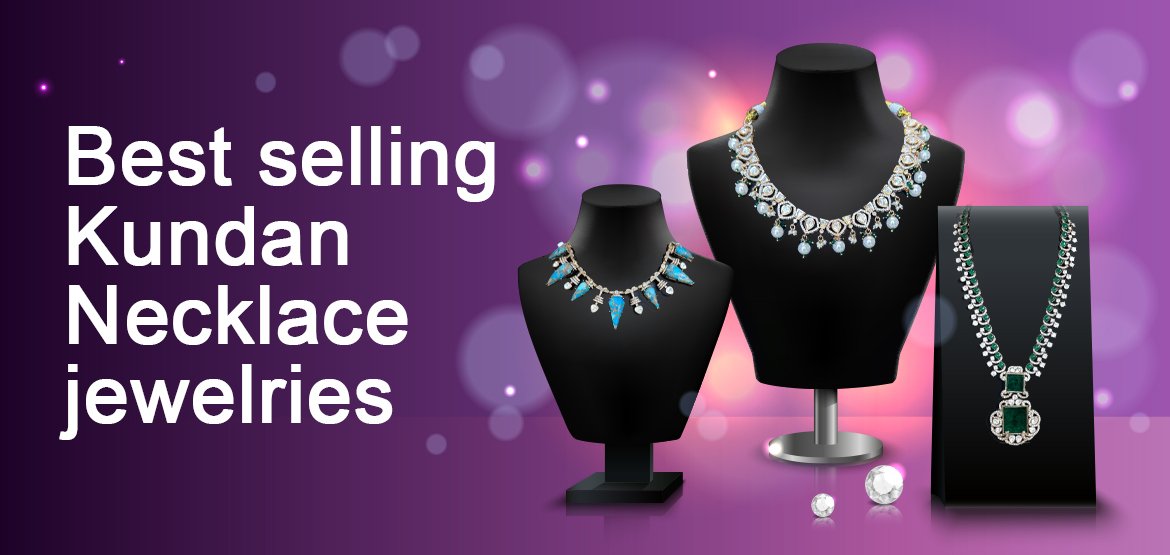
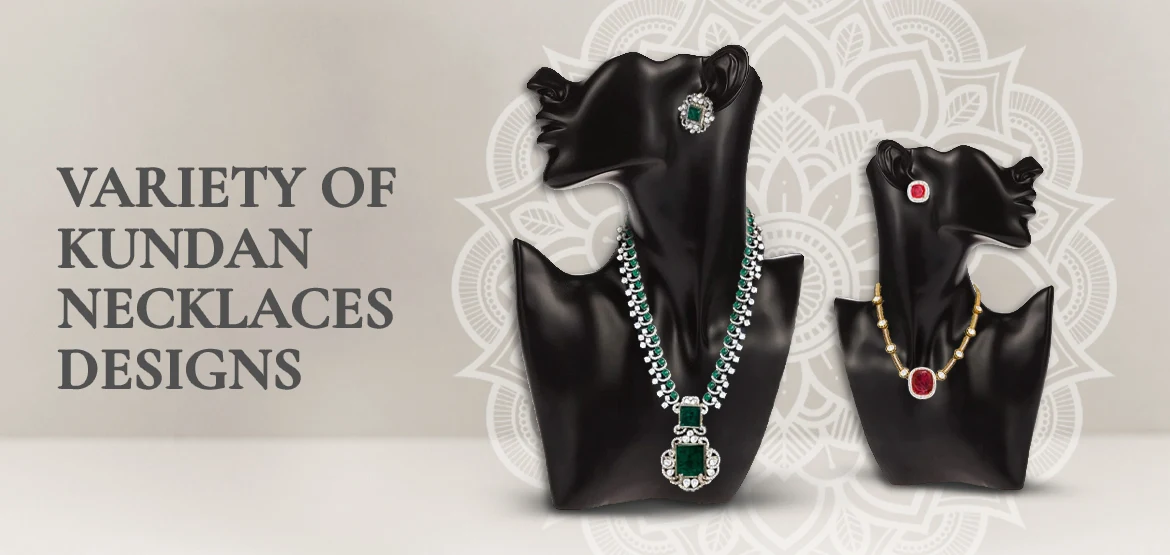
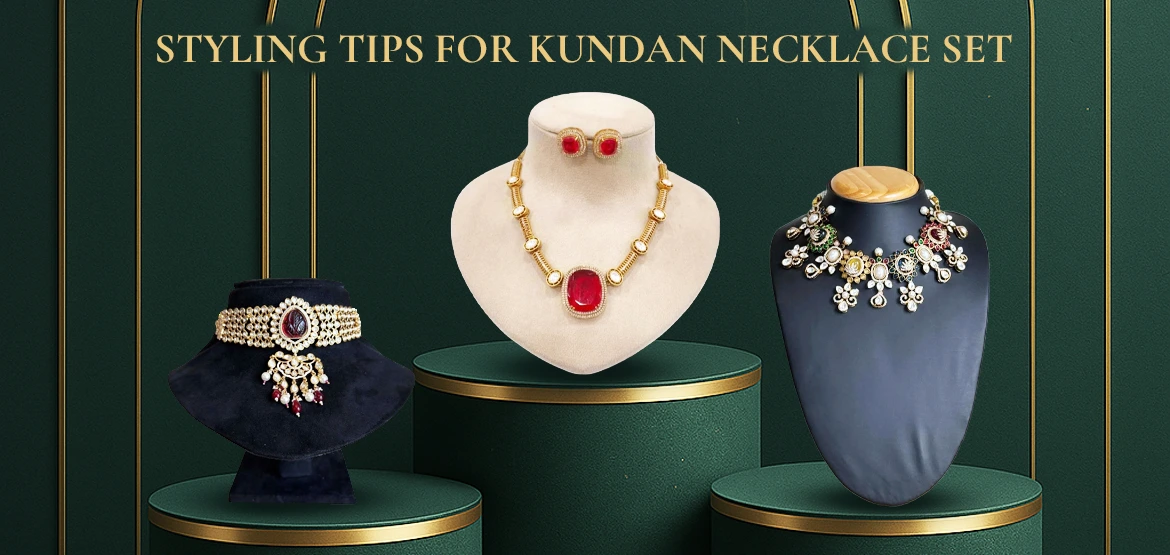
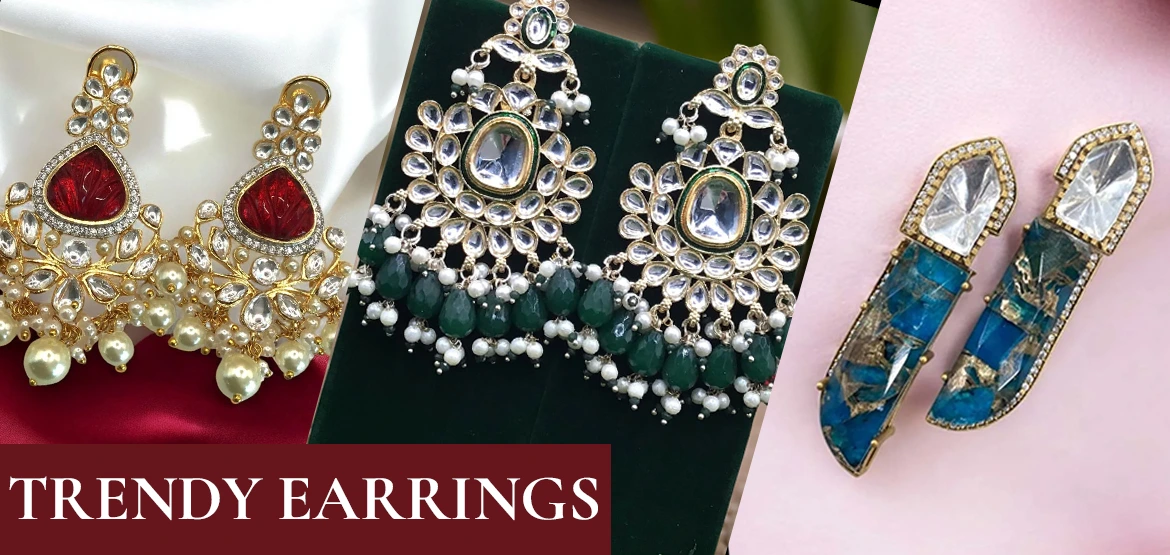
If polki has had a revival, kundan necklace jewelry never actually left. Kundan has been a continuous presence in Indian bridal fashion for so long that it has transcended trend status entirely. It is now a foundation. Every bride considers it. Every mother of the bride has a set or two. Every wedding guest with any jewelry sense owns at least one kundan piece in her collection.
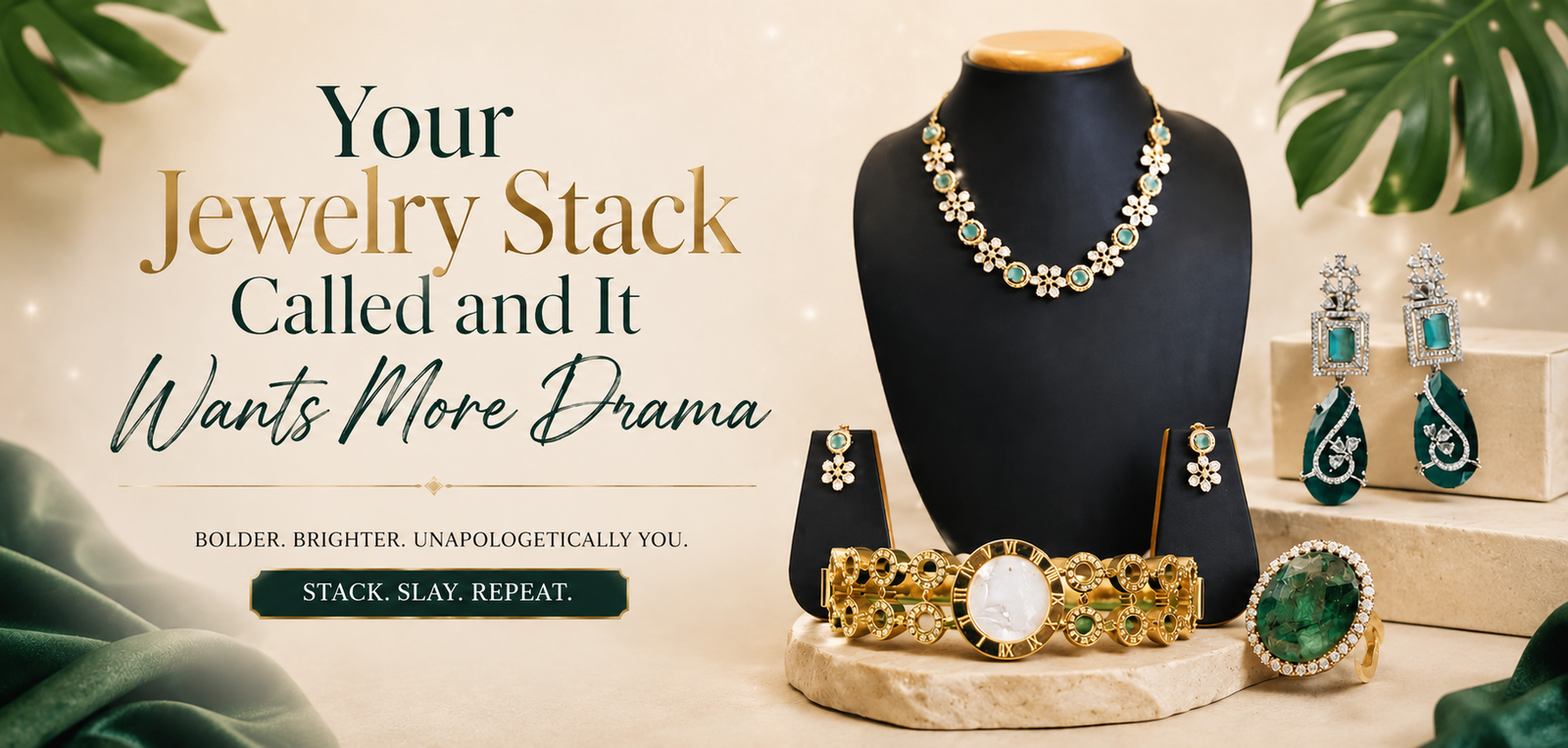
What changes with kundan is not whether to wear it but how. And right now, how means one thing above everything else: the choker format. The choker necklace kundan style has become the dominant preference for younger brides and wedding guests across the Indian American community. There is something about the choker silhouette that reads as both contemporary and deeply traditional at the same time, which is an unusual quality in any piece of jewelry.
It does not drift down your chest during the pheras. It stays exactly where you place it and holds its visual position throughout a ceremony that can last many hours. For brides who are moving, standing, sitting, getting into cars, getting out of cars, and being photographed from every conceivable angle, a necklace that stays put is not a small thing. It is genuinely essential.
Yashti's kundan choker designs work because they understand the geometry of the neck. The pieces sit at the right width, they have enough structural integrity to maintain their shape over a long day, and they are finished at the back with closures that actually function well on someone who is getting dressed quickly with hands that may not be entirely steady from nerves.
The Sabyasachi Effect and What It Actually Means
.png)
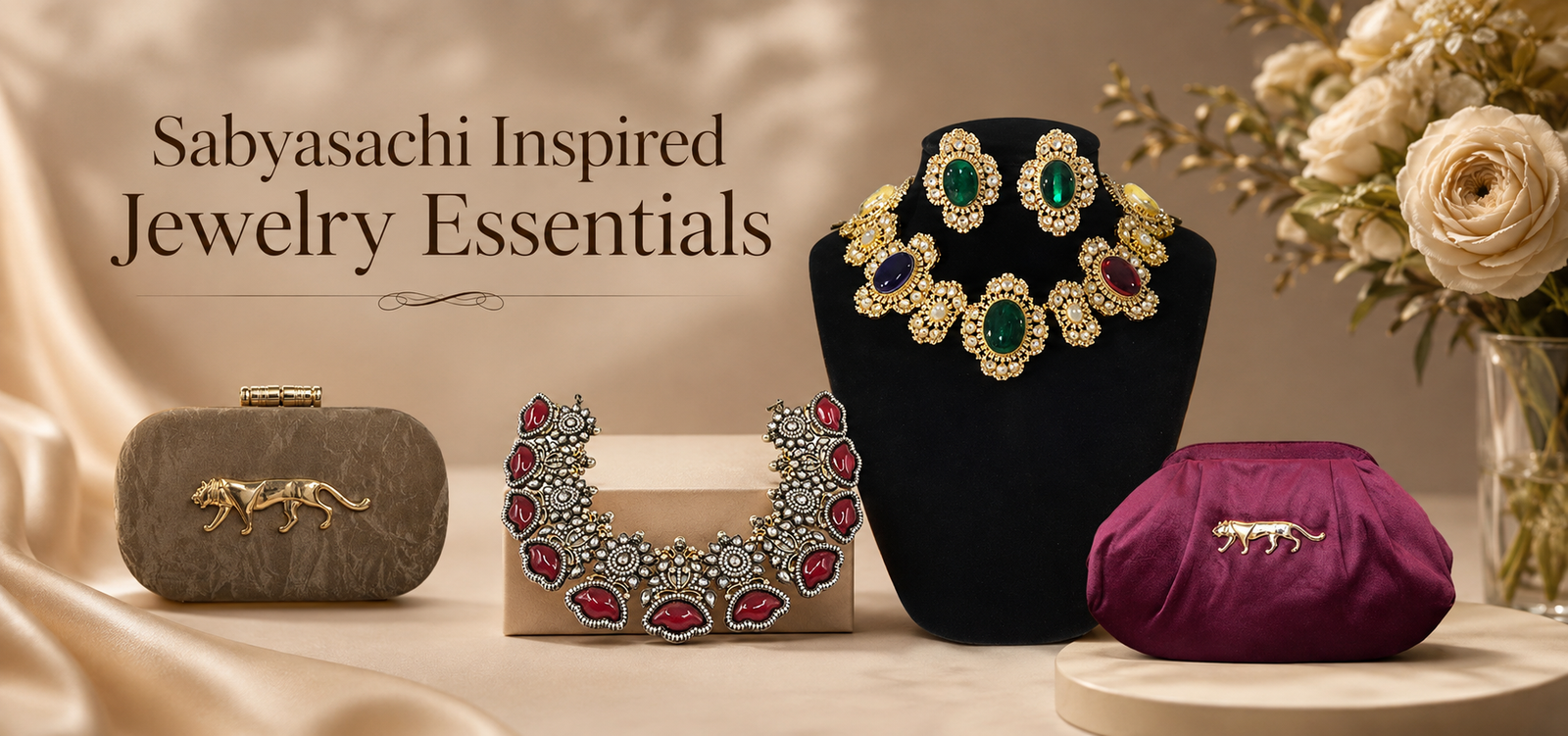
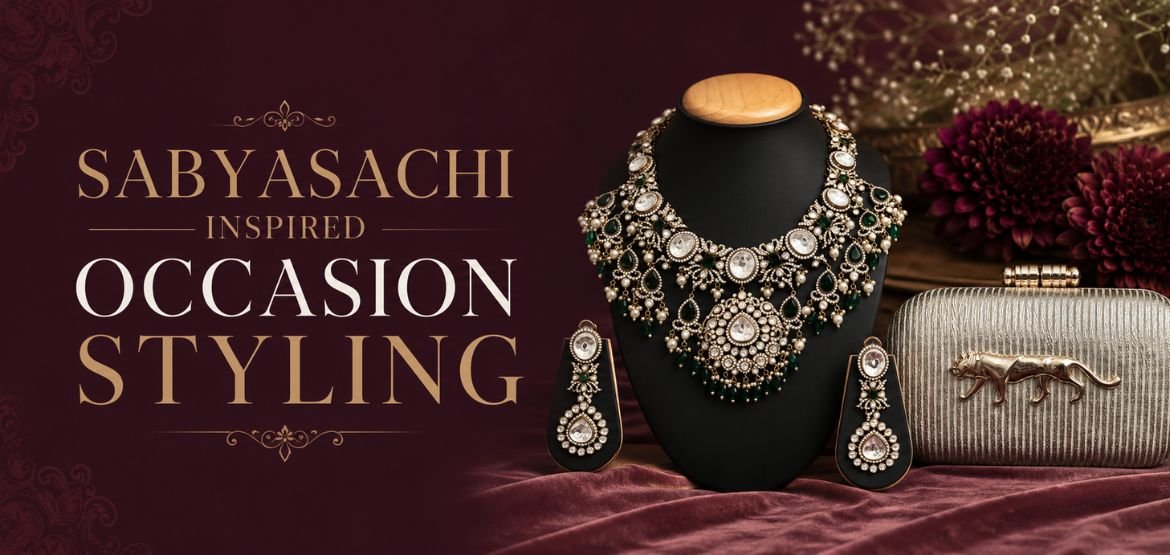
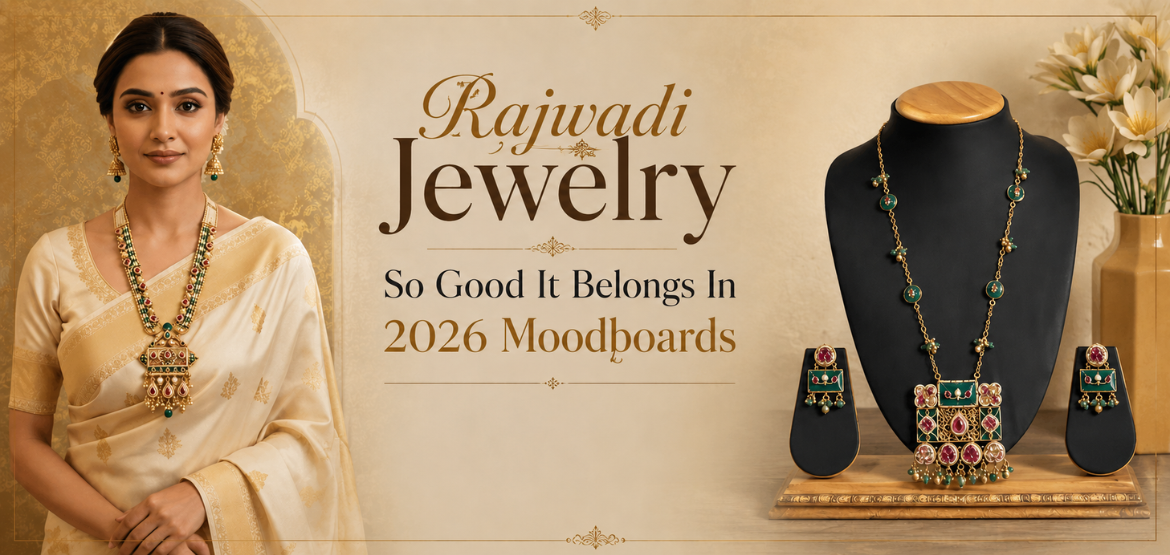
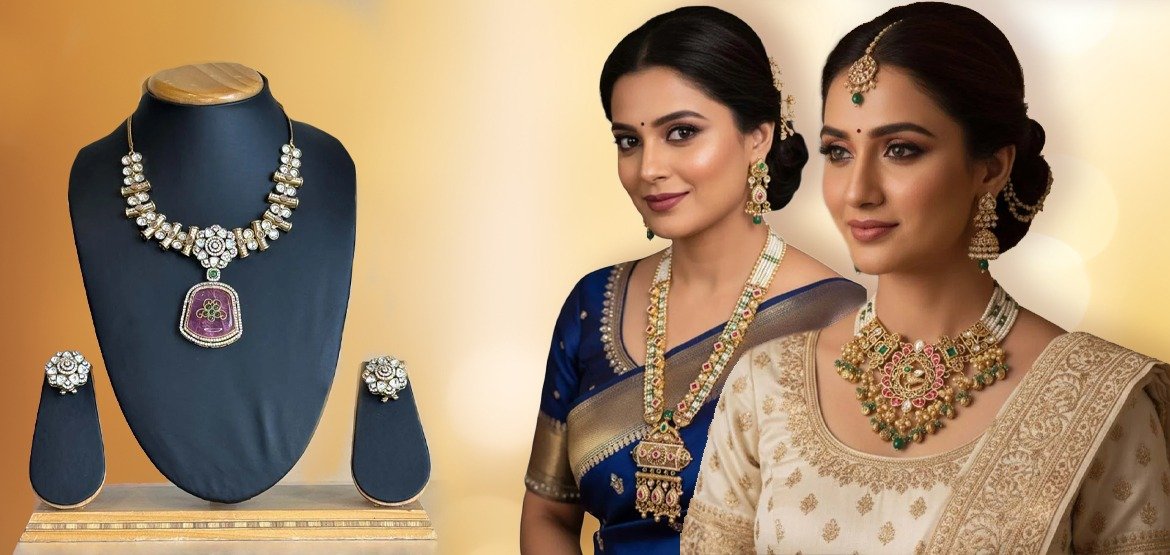
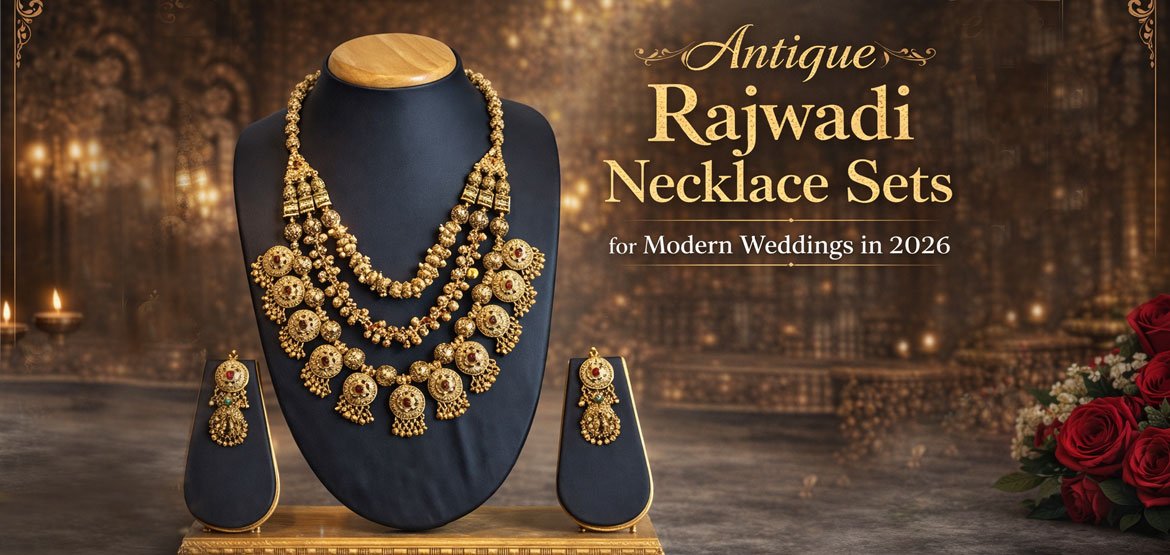
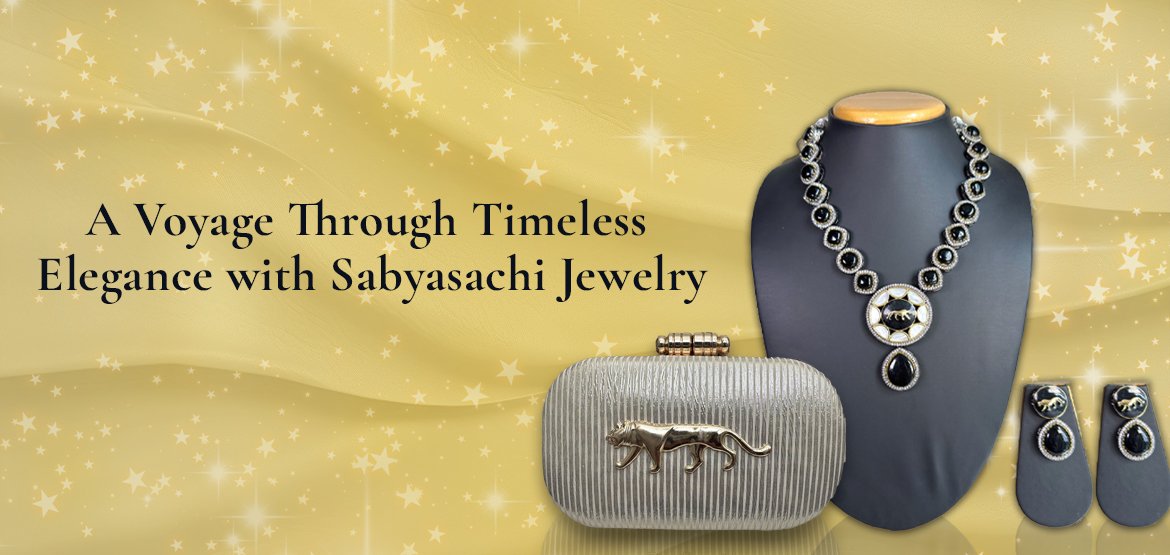
There is no honest conversation about Indian jewelry trends without addressing the Sabyasachi effect. For over a decade, Sabyasachi Mukherjee's designs have set the visual language for Indian bridal fashion at a global level, and his influence extends far beyond those who can afford his actual pieces. The Sabyasachi Inspired Designer Necklace Set category exists in the market precisely because of this enormous influence.
What Yashti does with this aesthetic is thoughtful in ways that separate it from simple imitation. These are not copies. They are interpretations. The design language is recognizable: layered, antique finished, with a richness of detail that draws from Rajasthani and Mughal traditions without lifting directly from any specific existing piece. The result is jewelry that feels high fashion and culturally rooted at the same time, which is the combination that makes this aesthetic so durable across seasons.
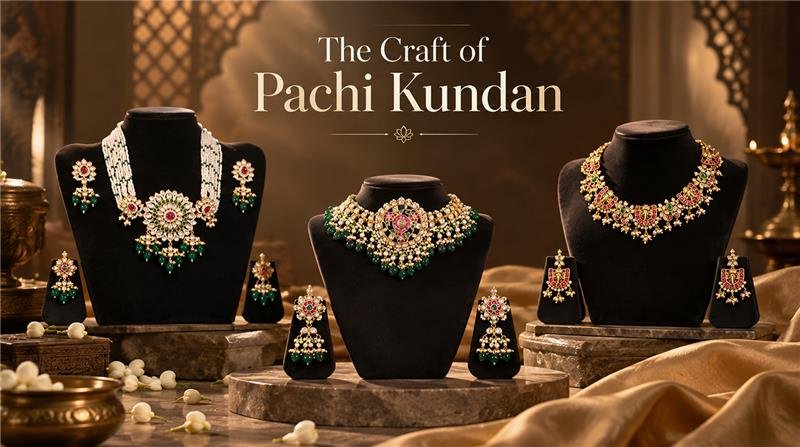
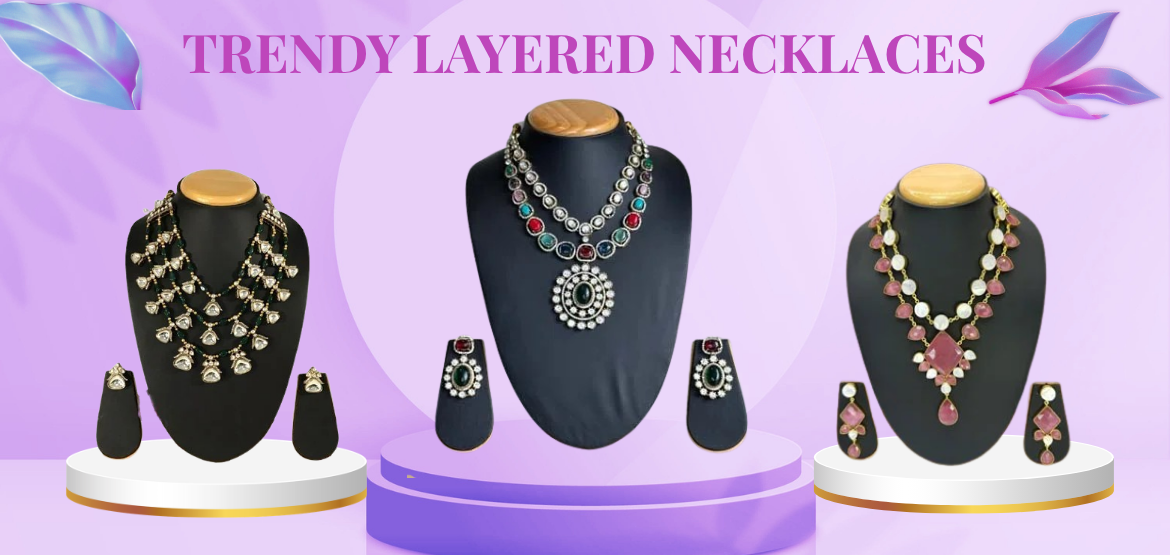
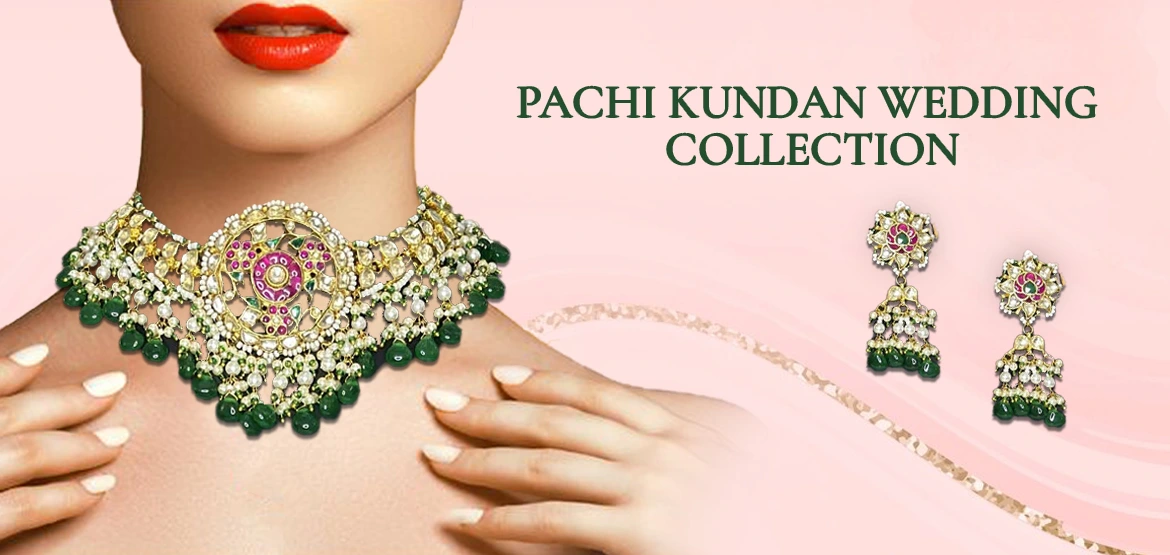
The Pachi Kundan Necklace Set plays particularly well within this conversation. Pachi work involves setting stones across the entire surface of the metal, creating a density of visual detail that reads as maximalist without becoming chaotic. It is controlled extravagance, which is precisely what the Indian wedding aesthetic demands at its best and most memorable.
When you wear a Yashti piece from this category, the question you get most often is not where it came from. The question you get is whether it is real. That is the highest compliment available in the artificial jewelry category, and Yashti's polki and kundan pieces earn it consistently.
The Choker Set as a Complete Statement
.png)
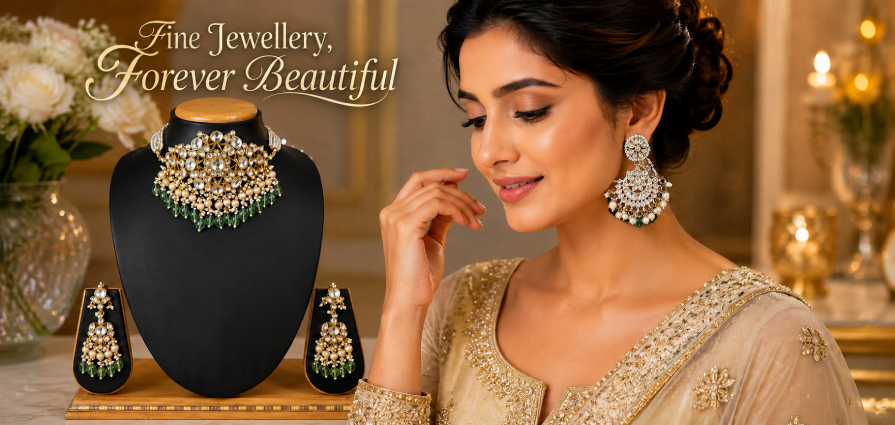
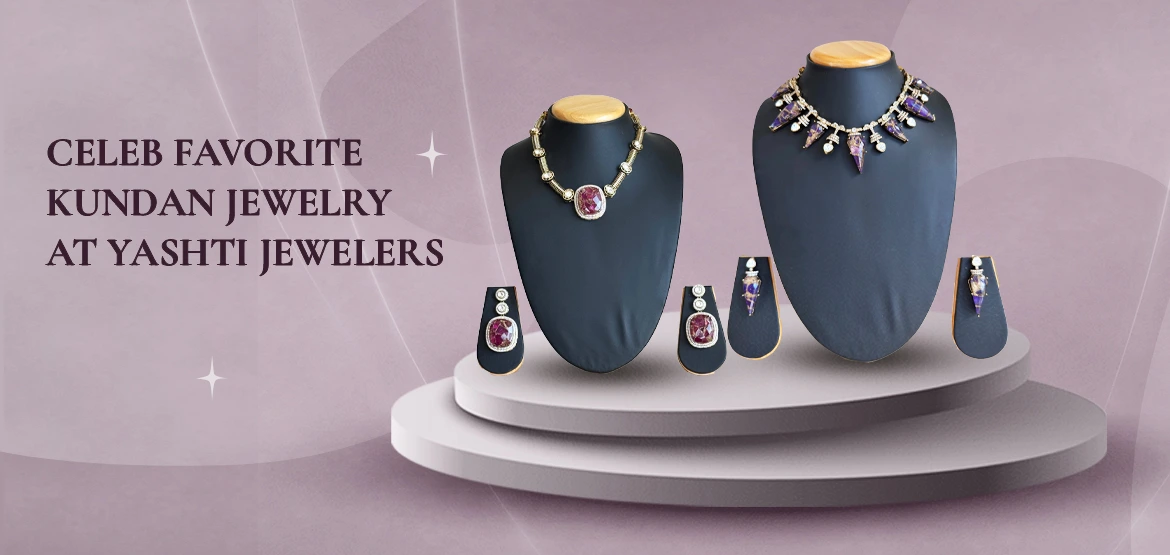
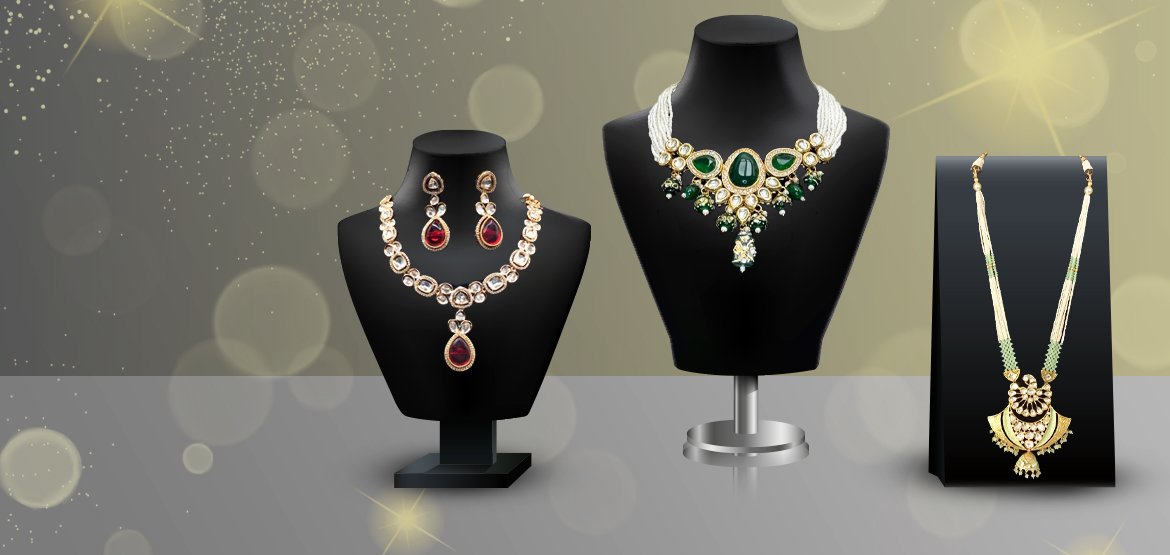
If there is one configuration that has come to define contemporary Indian jewelry styling more than any other, it is the full Kundan Choker Necklace Set. And by set, this means the complete assembly: choker, matching earrings, maang tikka, possibly a passa or jhoomar for brides who want the full traditional configuration. Yashti's sets are assembled with this complete picture in mind from the beginning.
What makes a choker set work as a complete look is proportional balance between the pieces. The choker cannot be so wide that it looks like armor, and the earrings cannot compete with it for the primary visual attention. Yashti navigates this balance with a confidence that comes from understanding how women actually wear these pieces across extended periods, not just how they appear on a photography stand in controlled conditions.
For brides planning their complete look, the choker set offers a clean foundation. Once the necklace is chosen, every other jewelry decision becomes easier because the choker sets the visual tone clearly and confidently. Everything else responds to it rather than competing with it.
When Pearls Meet Kundan
.png)
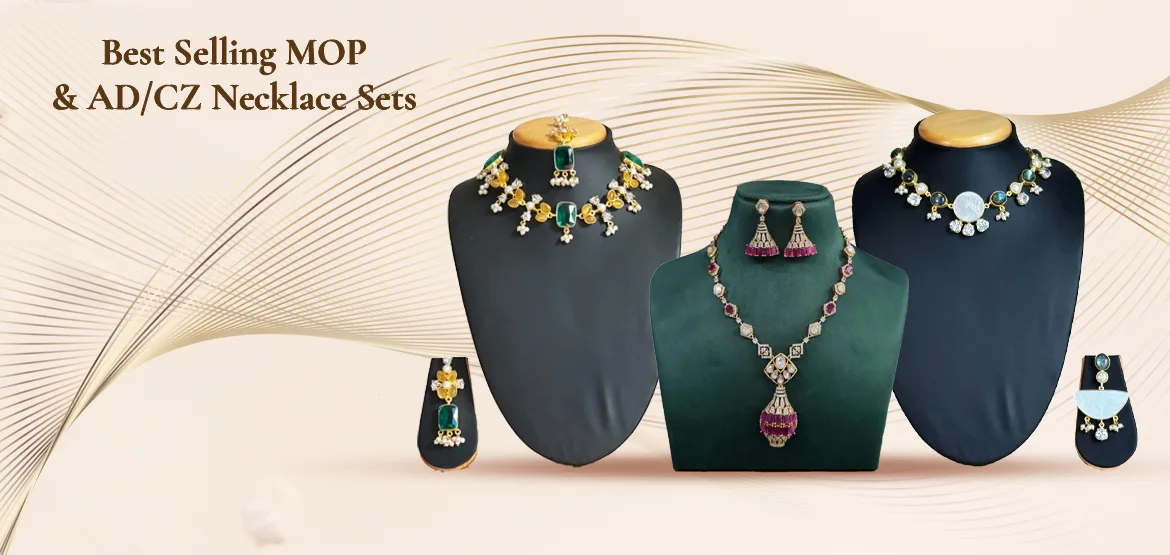
One of the most interesting styling trends in Indian jewelry right now is the pairing of pearls with kundan and polki work. The pearl Indian necklace set has moved well beyond pure pearl strands toward layered pieces where pearls appear alongside colored stones, kundan work, and gold toning. The visual effect is rich without being heavy, layered without becoming cluttered.
Yashti's pearl incorporated necklace designs understand this combination at a structural level. The pearls are used as accents, as drop elements, and as fringe detail on choker edges. They add texture and a softness that all-metal or all-stone pieces sometimes lack. For brides who want something slightly different from the standard bridal look but still deeply rooted in Indian jewelry tradition, the pearl integrated necklace is exactly where to begin the conversation.
The pearl and kundan combination also photographs unusually well because the two materials behave differently under light: the pearl absorbs and softens, while the kundan metal reflects and brightens. Together they create an image that has both warmth and brilliance, which is the quality every bride wants from her jewelry in photographs she will look at for the rest of her life.
How to Think About Your Necklace Choice
The honest answer to which necklace to buy is that it depends entirely on what you are wearing and where you are going. A deep silk lehenga with heavy zari work asks for a kundan choker and nothing more. A simpler organza outfit with minimal embroidery invites a longer, more elaborate necklace to provide the visual weight that the fabric itself is not providing. A fusion look can carry a pearl integrated piece in a way that a purely traditional bridal setting cannot.
What Yashti gives you is a range wide enough to cover every one of these scenarios. And because the price points are genuinely accessible, you can build a necklace wardrobe over time rather than making a single high stakes decision before every major event you attend.
The Indian necklace is having its biggest cultural moment in years. It is being driven by a generation of women who grew up watching this aesthetic from a distance and are now fully claiming it. In the USA, Yashti Jewelers is the brand that understands this shift and consistently meets it with products that are worthy of the moment. Start with the piece that speaks to you first. Build from there.