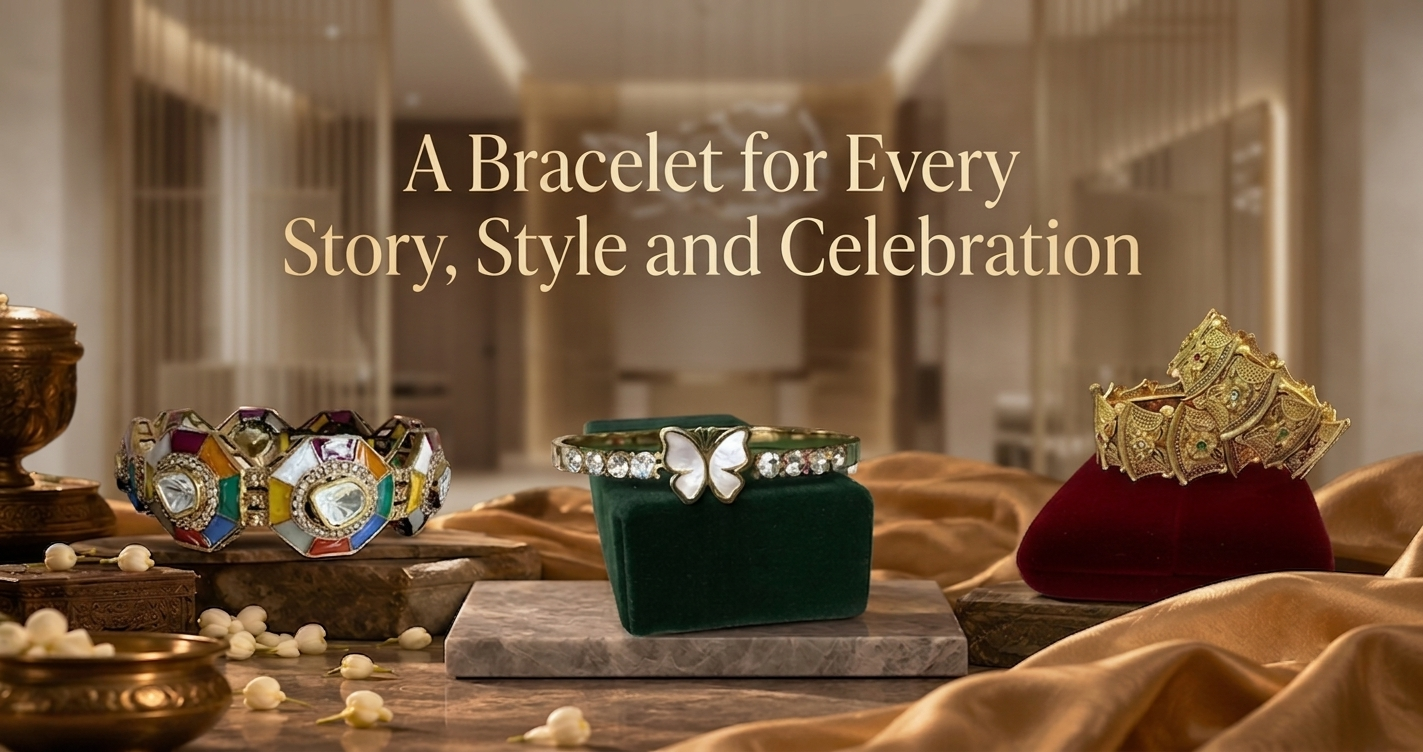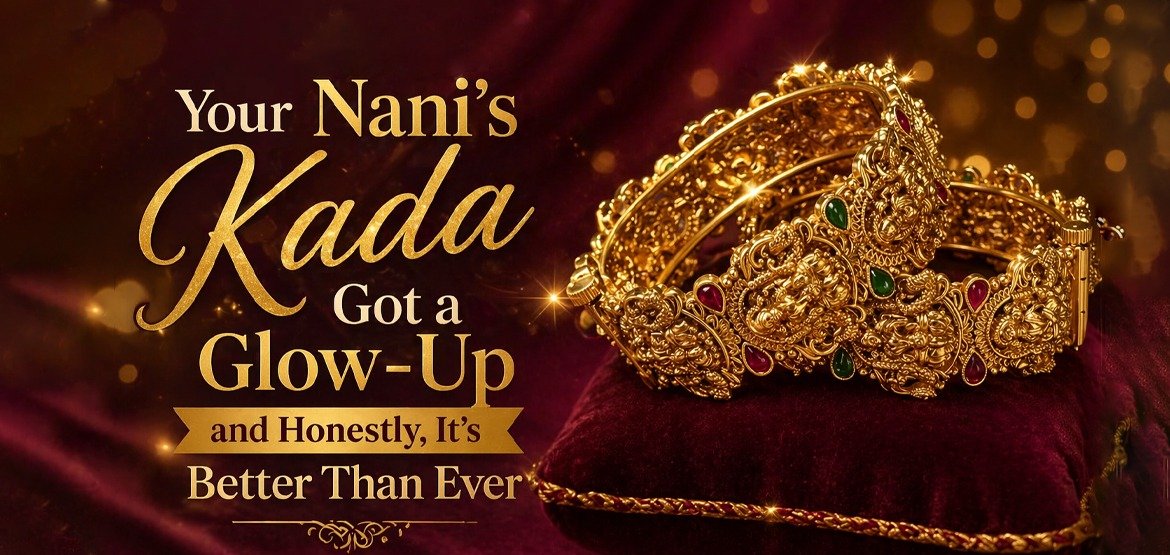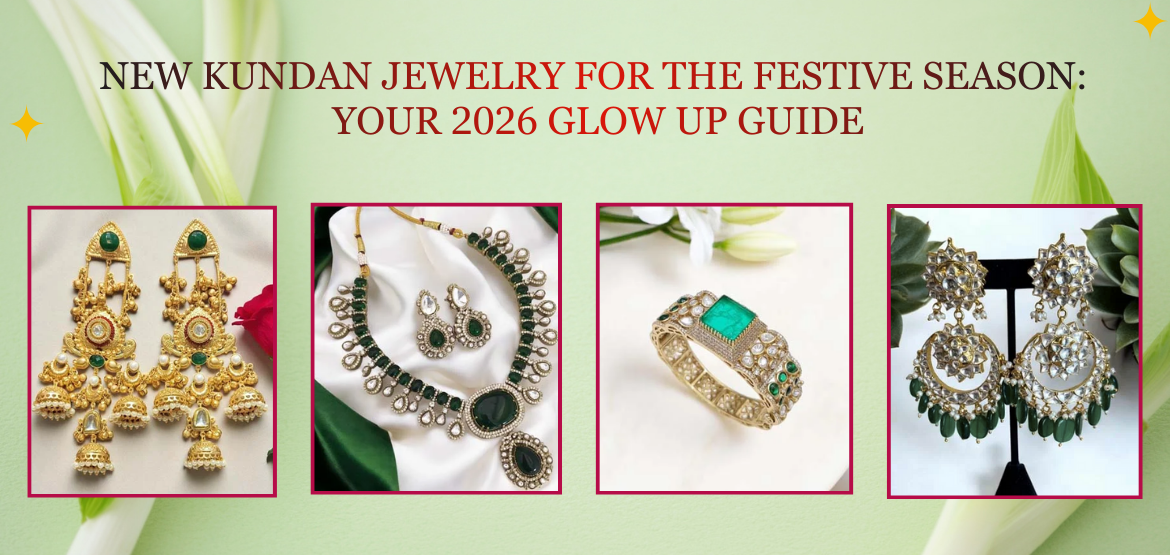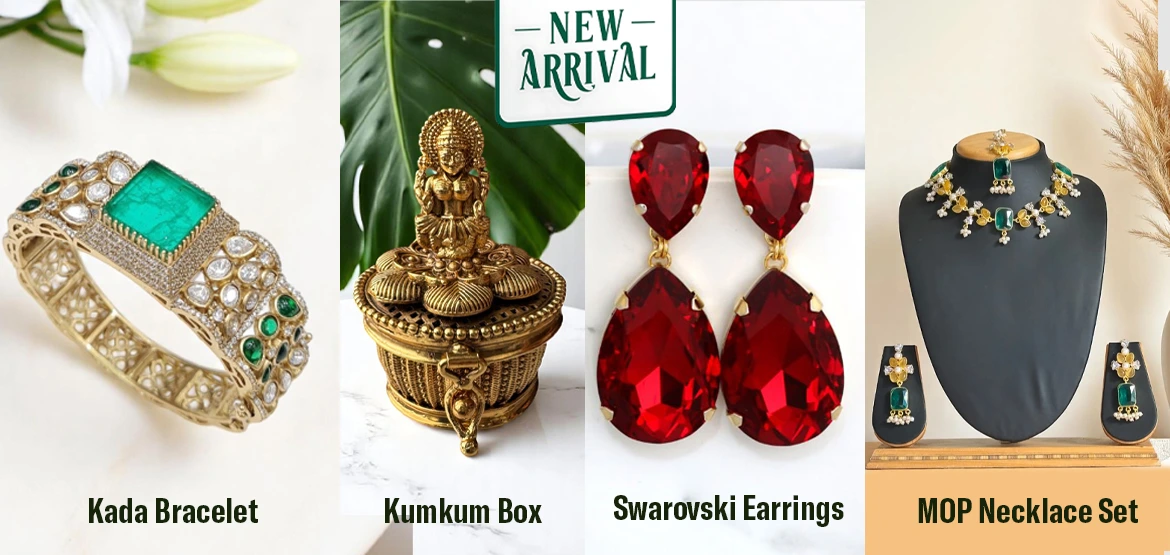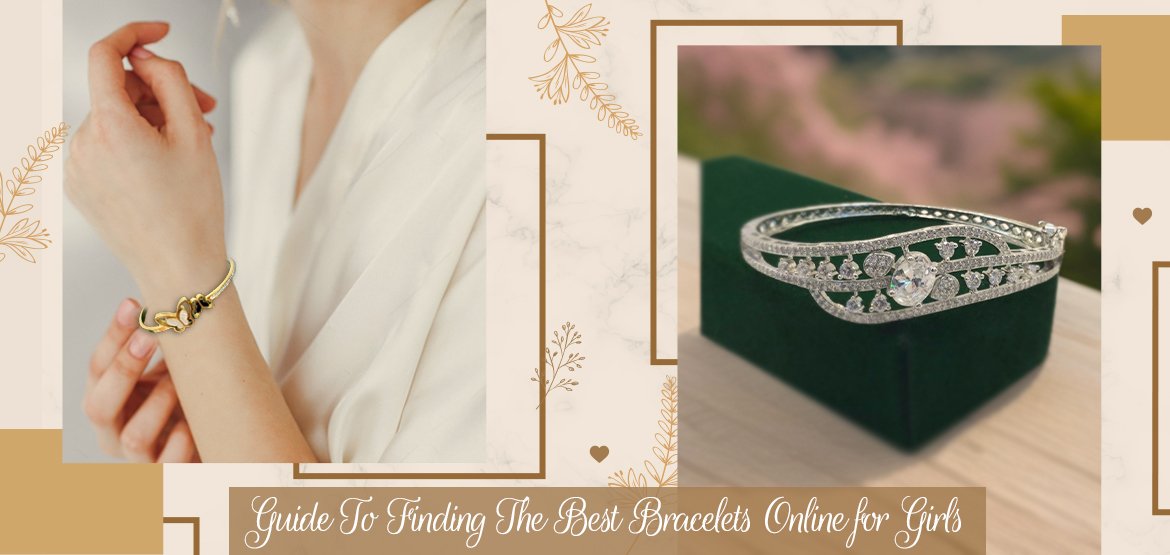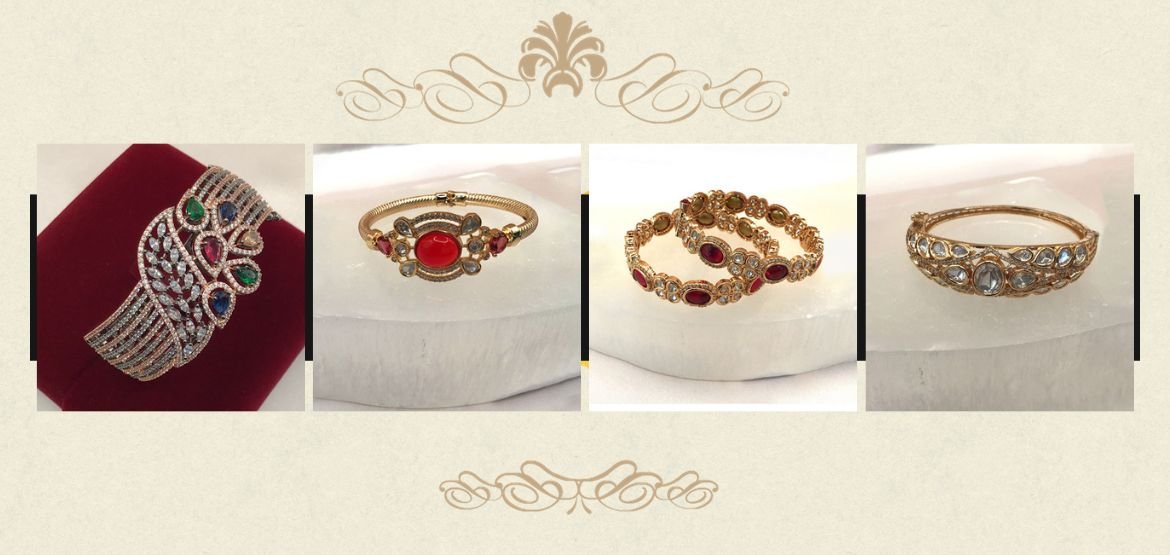
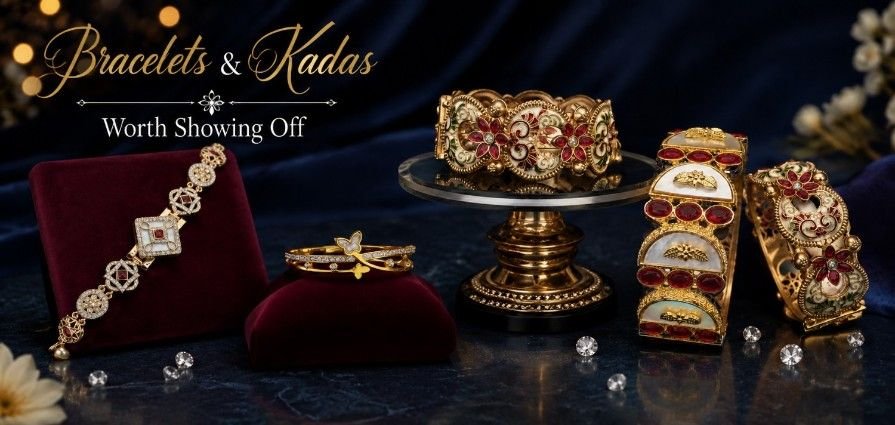
Most jewelry gets admired once it's in place. A bracelet or a kada is still working the whole night, catching light every time the hand moves, waves, or reaches for one more plate at the buffet. Stylists have known this for years, which is why the wrist gets so much quiet attention on real people at real functions, not just on runways. Yashti Jewelers treats that attention seriously with its bracelets and kada collection, a lineup that ranges from delicate Kundan pieces to bold, sculptural cuffs built to be the loudest thing on the arm.
What makes this category interesting from a fashion standpoint is how much personality it can carry without needing the rest of the outfit to agree with it. A plain kurta turns into something else entirely with the right kada bracelet. A basic western outfit gets an unexpected traditional edge from an AD bracelet worn almost like an accident. This is jewelry that does not ask permission from the rest of the look, it just shows up and changes the conversation.
Letting a Bracelet or Kada Set the Tone
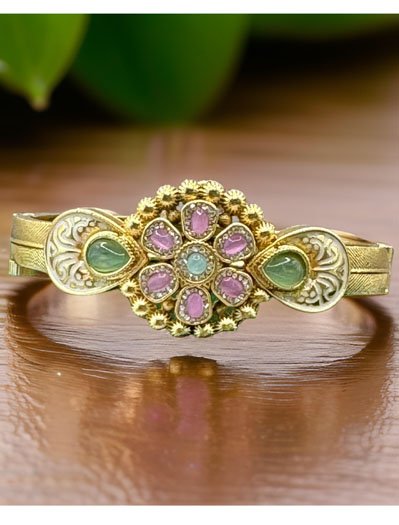
The easiest mistake in this category is treating every piece as equal and reaching for three of them at once. A single Rajwadi or Amrapali-style kada usually does more visual work alone than three smaller pieces fighting for attention on the same wrist, and knowing when to stop is half the styling skill here. Metal tone tends to matter more than matching the outfit color directly, since gold-toned pieces sit beautifully against jewel tones like emerald and maroon while a silver or oxidised finish plays better with pastels, whites, and denim.
Mixing eras on purpose is where this category of kadas for ladies gets genuinely fun. A Kundan bracelet worn with a fitted western blazer reads far more interesting than the expected pairing of traditional jewelry with traditional clothes, mostly because nobody is expecting it. Stacking works too, but only when the pieces stay thin, since slim AD or CZ bracelets can be layered two or three at a time while anything with visible stonework or texture wants space around it to actually be seen. A small trick worth borrowing from stylists is treating the kada as a color anchor, choosing a stone shade that echoes one small detail elsewhere in the outfit, a border, an earring, a bindi. Charm and evil eye bracelets, meanwhile, do not need festive wear at all. They were built for daily rotation against a plain shirt or a slip dress, where they read as personality first and tradition second. And for anyone bored of matching both wrists, an asymmetric look, one wrist stacked and the other left bare, tends to photograph better than the expected symmetry.
Shopping This Category Like a Wardrobe, Not a One-Off Purchase

Most people buy their first kada for a single wedding and stop thinking about the category until the next one comes around. That is a slightly outdated way to approach an ethnic jewelry store. A wrist wardrobe works the same way a clothing wardrobe does, with a few anchor pieces that get worn constantly and a couple of statement pieces saved for the days that call for them. The Kundan and AD bracelets here tend to fall into the anchor category, worn often enough that they start to feel like part of getting dressed rather than an event decision. The heavier Rajwadi and Amrapali-inspired kadas sit at the other end, reserved for the handful of days a year that genuinely need that much presence on the arm.
Buying with that lens changes the question being asked in the first place. Instead of matching one specific outfit, it becomes about what is missing from the wrist rotation altogether, an everyday piece, a statement piece, something transitional that can do both. That approach tends to age better than shopping for a single date circled on the calendar, and it usually means more actual wear out of every piece rather than one outing followed by a long stretch in a jewelry box.
What to Wear on Which Day

- Wedding day or reception calls for substantial bangles and kada, something with presence that holds its own next to heavier outfits and brighter lighting.
- Sangeet or dandiya night wants a Kundan bracelet that can move through a few hours of dancing without becoming a distraction.
- Mehndi function is the moment for a kada, since the wrist is the actual subject of most of the photos taken that day.
- Haldi or daytime rituals suit lighter, brighter pieces, an MOP or a pastel-stone bracelet that photographs well in natural light.
- Office festive dressing leans toward a slim AD or CZ bracelet worn under a sleeve, festive without tipping into costume territory.
- A regular Tuesday that needs a lift is exactly what charm and evil eye bracelets exist for, low effort, high payoff.
- Gifting for a friend's engagement or birthday works best with a kada or bracelet that has enough character to feel personal rather than generic.
A Quick Pairing Guide
| Mood or Occasion | Best Match From the Collection | The Fashion Logic |
|---|---|---|
| Wedding or reception | Bollywood Inspired Traditional Designer Kada | Carries the look on its own, no supporting pieces needed |
| Sangeet or dandiya | Sabyasachi inspired designer kada | Reads festive without weighing the wrist down through movement |
| Mehndi function | Rajwadi kada bangles | Becomes the visual center of the day's photographs |
| Haldi or daytime function | MOP or pastel-stone bracelet | Soft finish that suits natural light and lighter outfits |
| Office or daytime festive wear | Slim AD or CZ bracelet | Understated enough for a desk, still unmistakably festive |
| Everyday wear | Charm bracelet | Casual, wearable with almost anything, no occasion required |
| Western outfit with a traditional twist | Kundan bracelet worn solo | Unexpected pairing that reads as intentional, not accidental |
Fashion around bracelets and kadas has quietly shifted away from the idea that they only belong at weddings. The same kada that anchors a bridal look can just as easily sit against a plain shirt on a Wednesday, and that flexibility is really the point. Yashti's range of bracelets or kada for women covers both ends of that spectrum, from pieces built to be the centerpiece of a wedding album to ones meant for a wrist that just wants a little more character on an ordinary day. The dressing rule that matters most here is confidence in restraint, since one well-chosen piece almost always outperforms several competing ones.
Time to Give the Wrist Something to Do
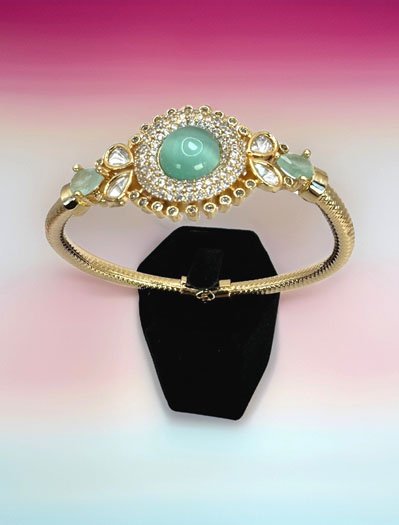
A blog post can only go so far, the rest happens once a piece is actually on the wrist. Yashti's bracelet kada collection is built for exactly that moment, from Kundan pieces light enough for daily wear to Rajwadi kadas heavy enough to anchor a wedding look. Browsing the full range takes less time than picking an outfit, and most pieces are easy to imagine against more than one look before deciding. Shipping is available across the US, Canada, the UK, Ireland, Germany, and Australia, so the wrist does not have to wait on location either.
Browse the Full Collection Here
FAQs
Q1. What is the difference between a kada and a regular bracelet?
A kada is a solid or semi-solid cuff, usually with a wider band and a bolder presence, while a bracelet is lighter and more flexible in design. Yashti's collection includes both, from Rajwadi and Amrapali-inspired kadas built for statement occasions to Kundan and AD bracelets made for everyday wear.
Q2. Can a kada be worn with western outfits?
Absolutely. A Kundan or Rajwadi kada pairs surprisingly well with a fitted blazer, a plain shirt, or even denim. The contrast between traditional craftsmanship and a modern silhouette is exactly what makes the piece stand out, and it is a styling choice many customers have started experimenting with.
Q3. How should the right bracelet or kada be chosen for a wedding function?
It depends on the event. Yashti recommends a substantial kada for the wedding day or mehndi, since it holds up well in photographs, and a lighter Kundan bracelet for sangeet or dandiya nights that involve movement and dancing through the evening.
Q4. Are AD and CZ bracelets suitable for daily wear?
Yes, AD and CZ bracelets are designed to be slim and versatile, making them easy to wear under office sleeves or with casual outfits. They offer a festive touch without feeling heavy, which is why Yashti sees many customers reaching for them outside of special occasions too.
Q5. What makes charm and evil eye bracelets different from traditional pieces?
Charm and evil eye bracelets lean more casual and personal, meant for daily rotation rather than festive dressing. Yashti designs these for versatility, pairing easily with plain shirts or dresses, so customers get a piece that reflects personality first and tradition second, worn on any ordinary day.