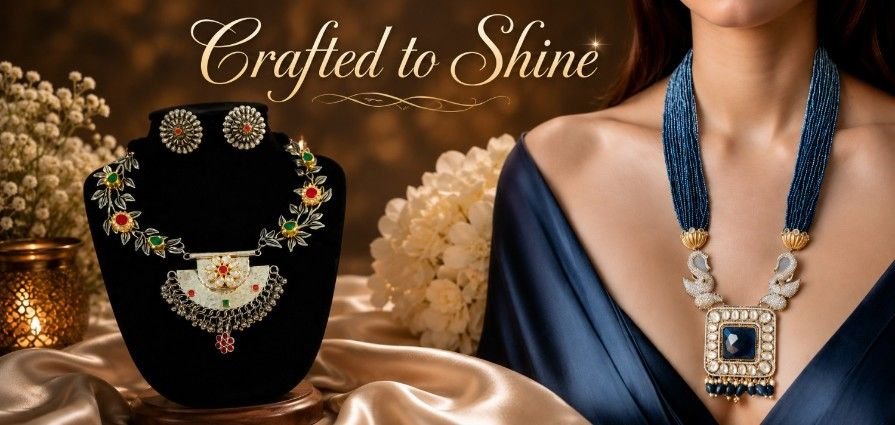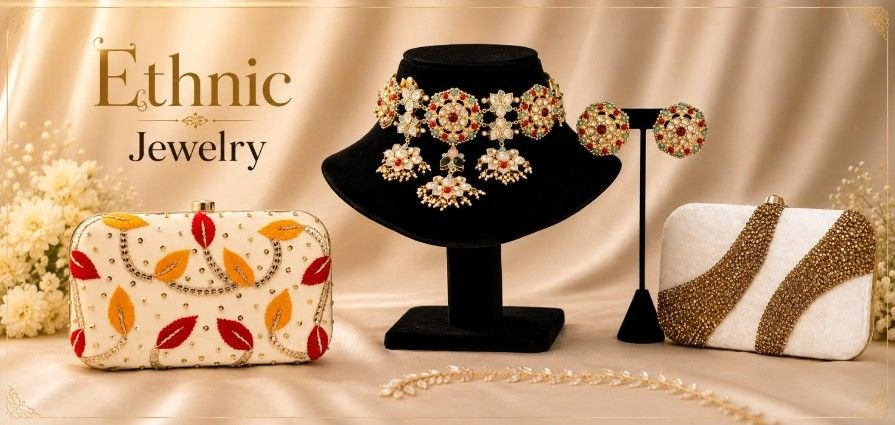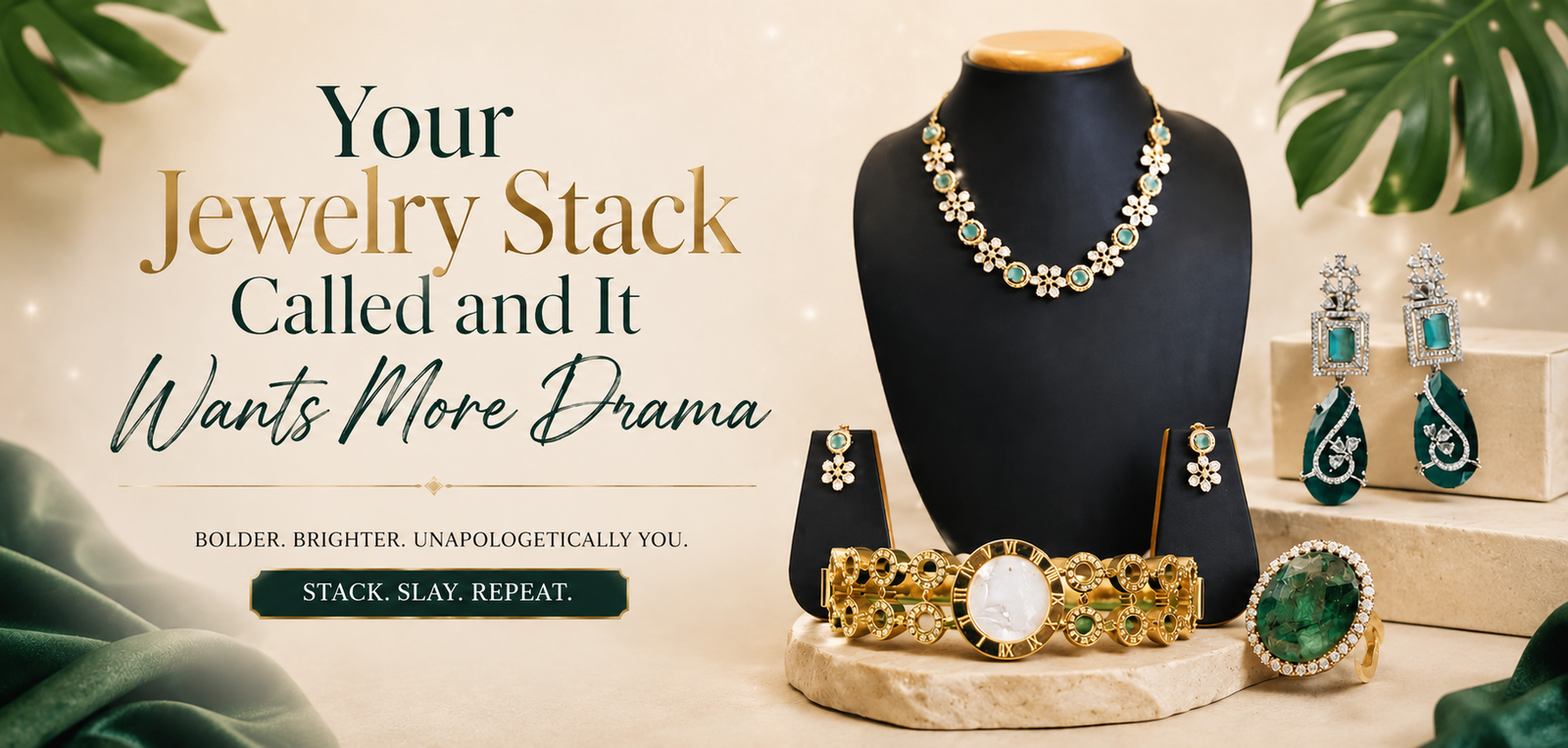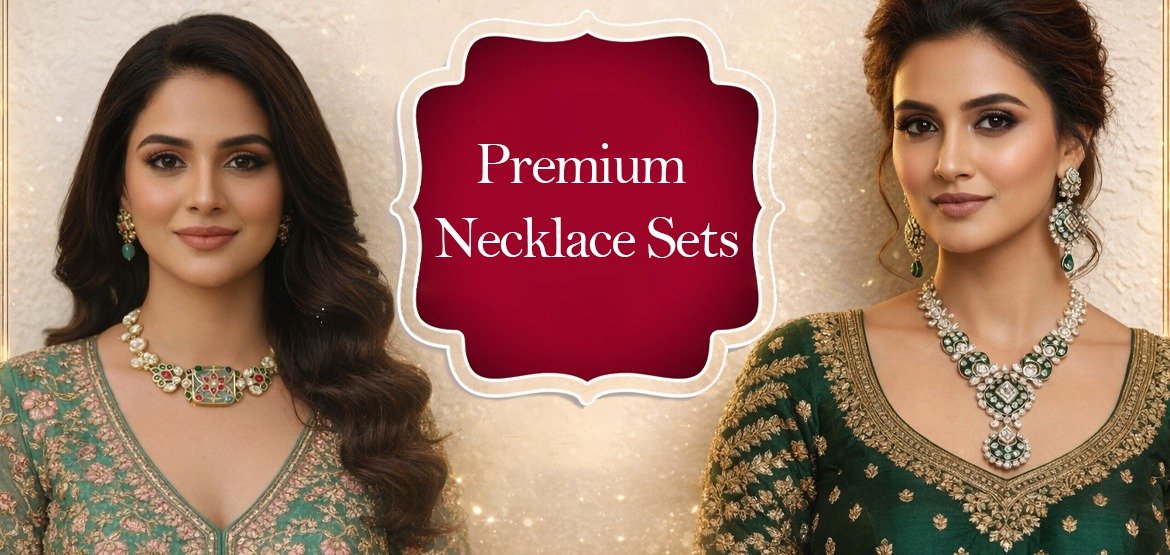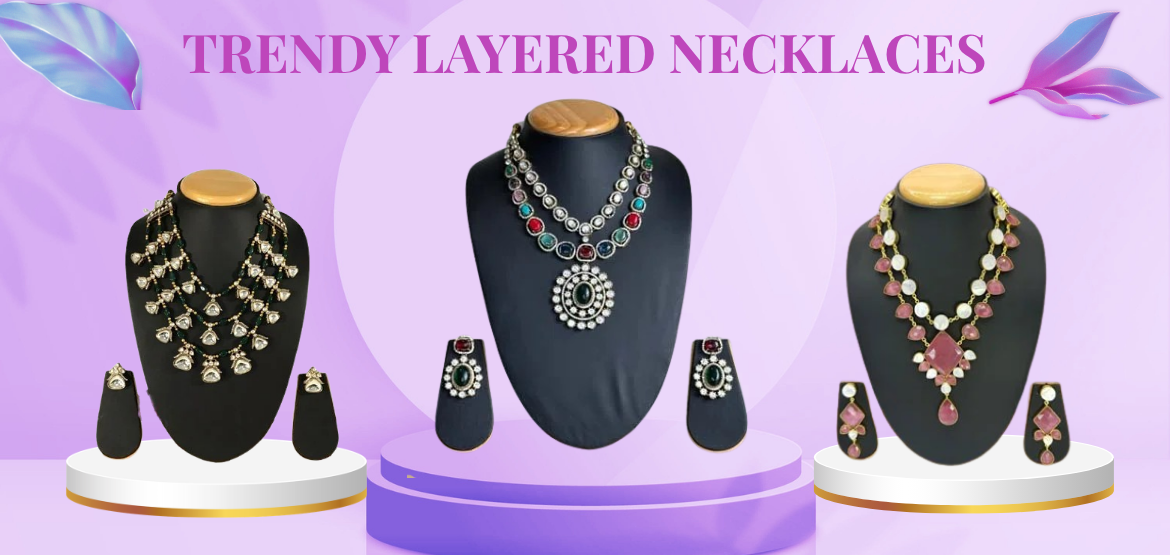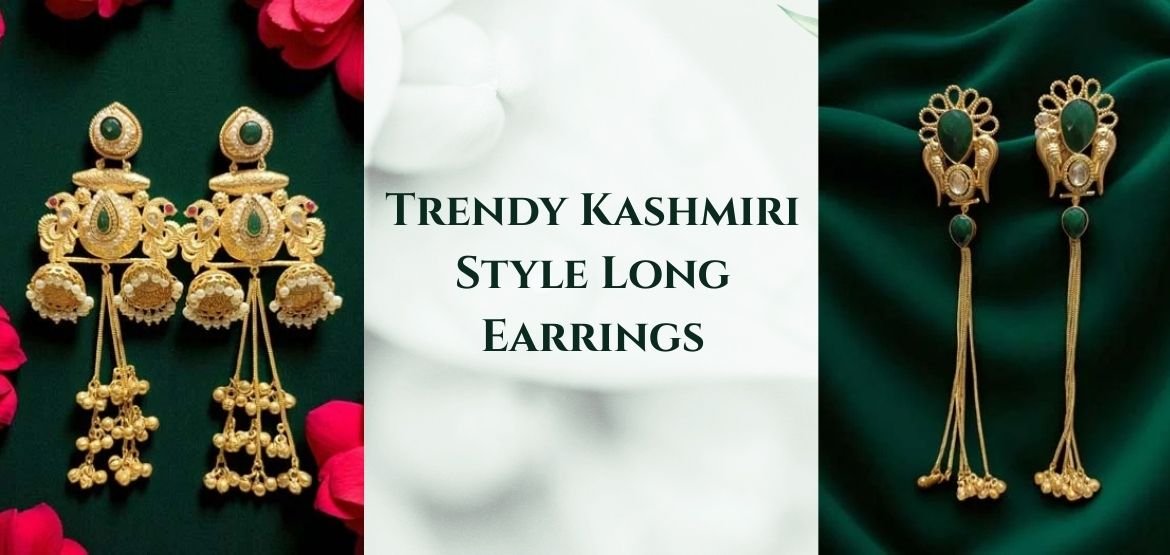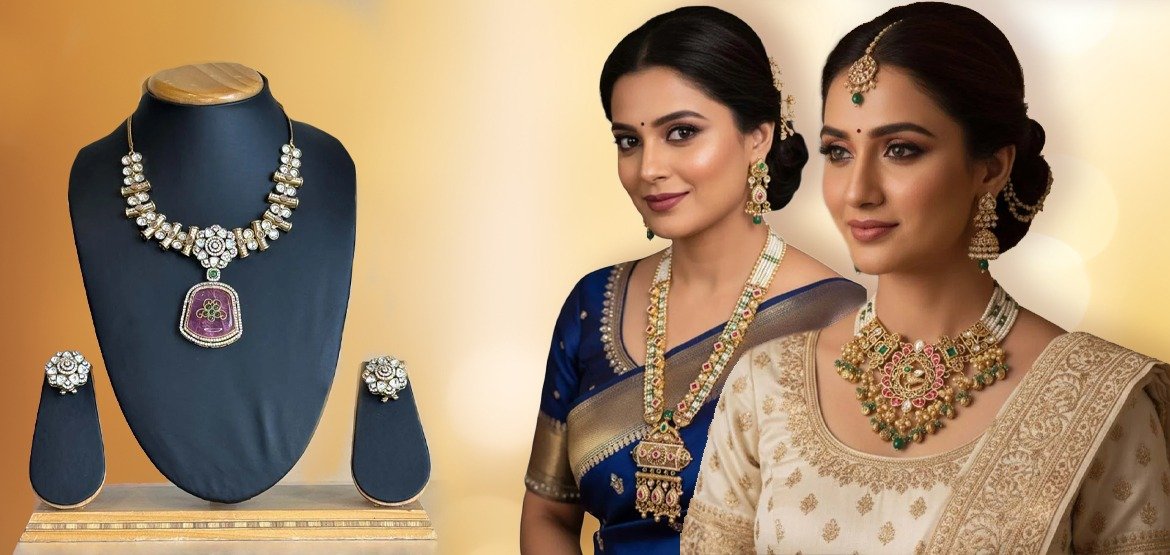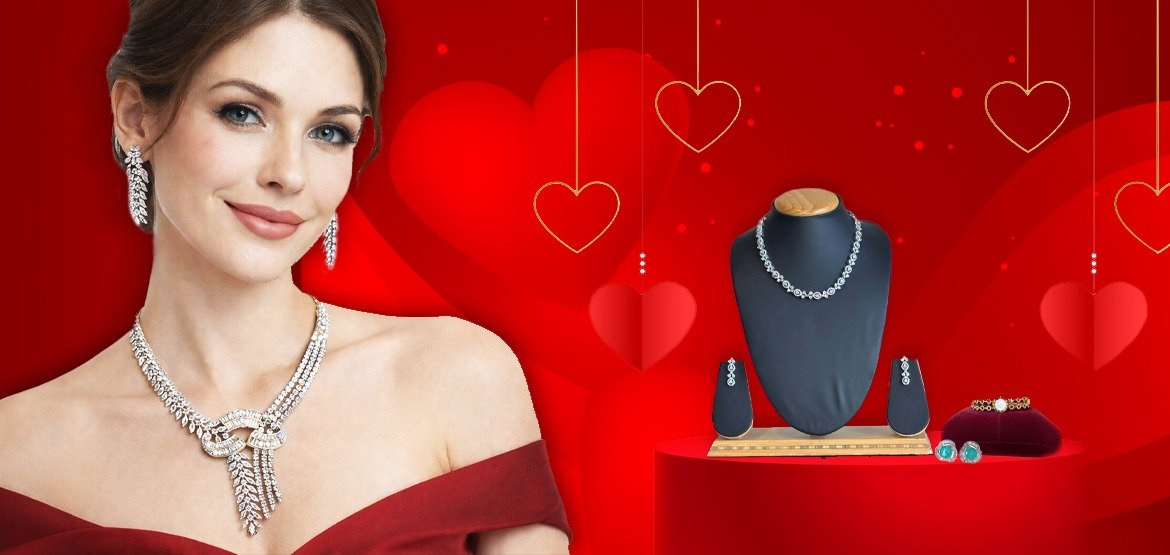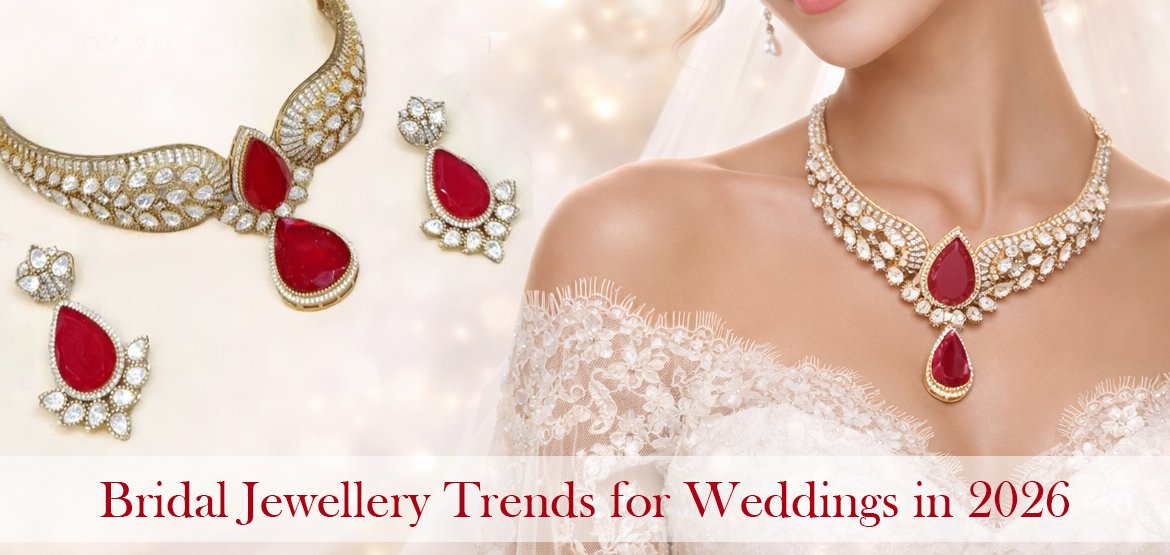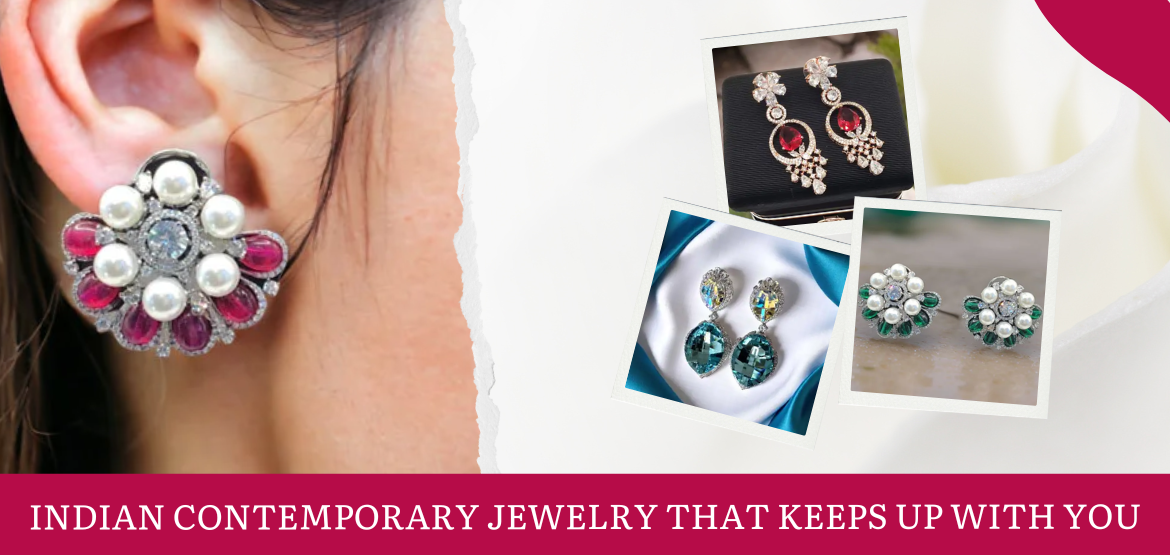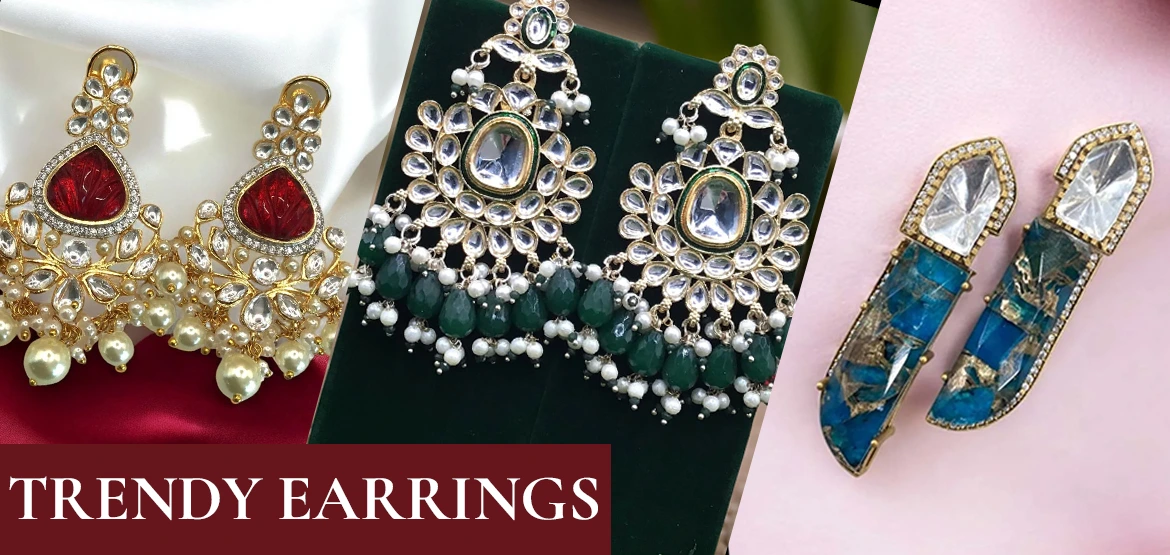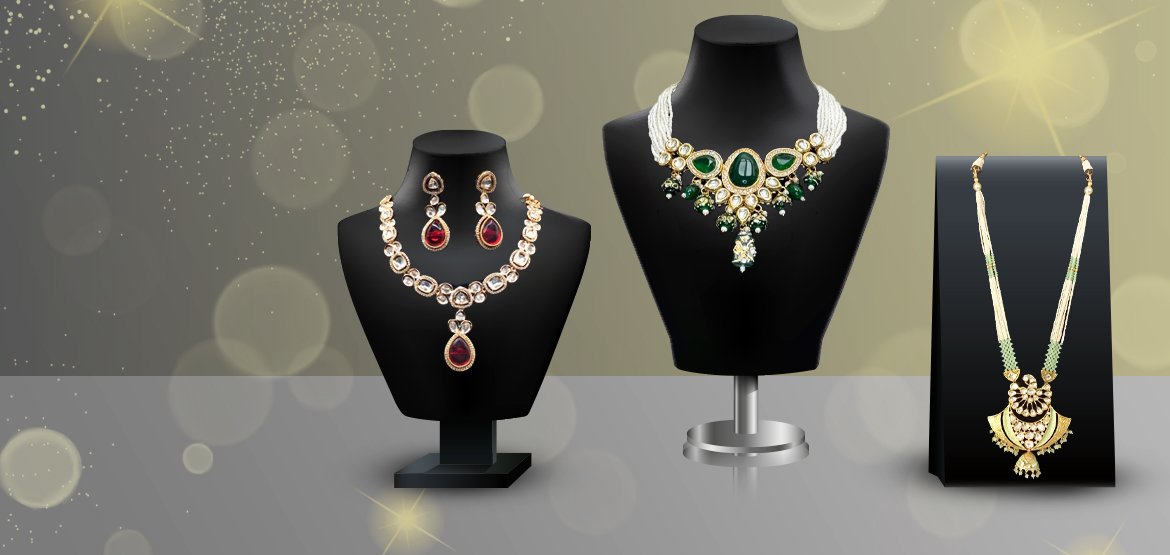
For a long time, ethnic jewelry sat untouched for most of the year, brought out only for weddings, festivals, or a rare formal dinner. That corner has expanded considerably over the past few years. Kundan earrings now show up with denim. Oxidized silver pairs easily with a plain kurta for a weekend outing. Bridal-adjacent necklace sets get worn to birthday parties by guests who have no wedding of their own on the horizon. The line between "special occasion jewelry" and "everyday jewelry" has quietly blurred, and for good reason.
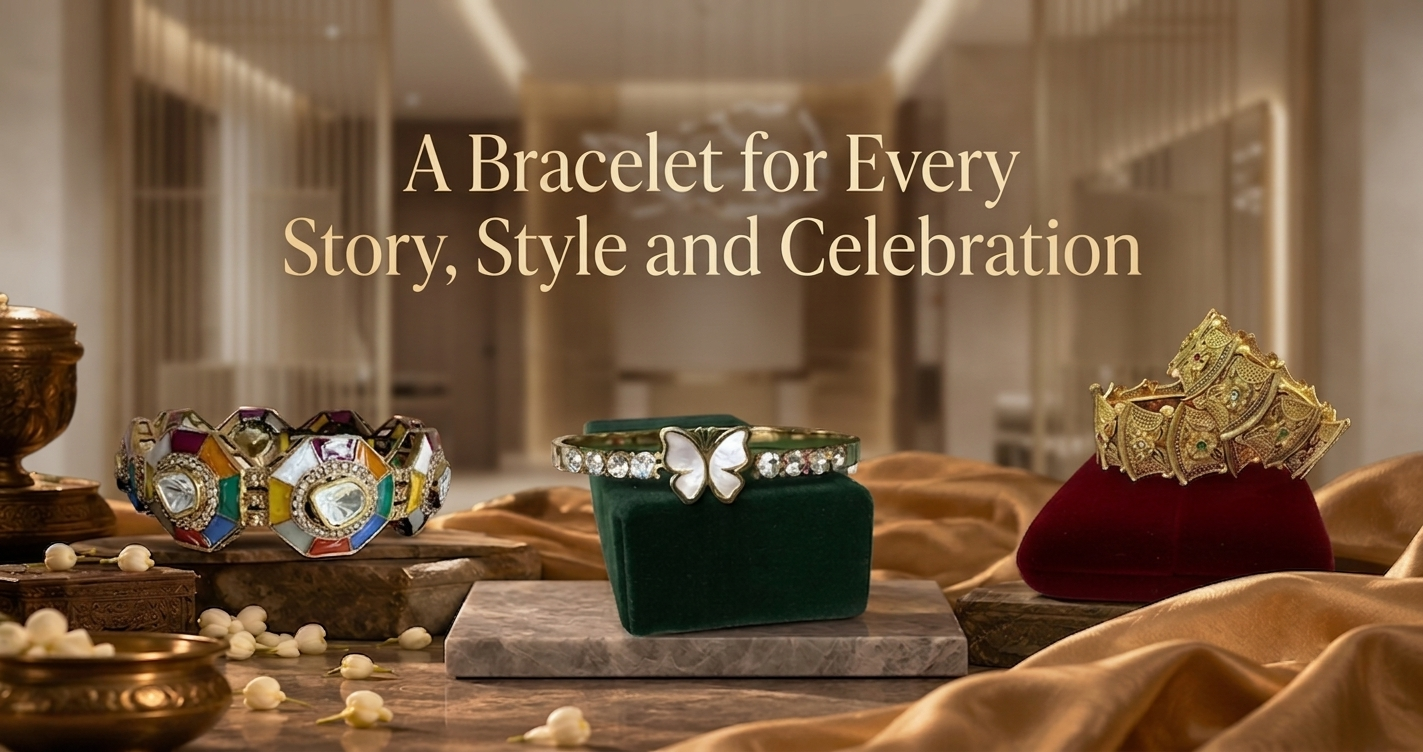
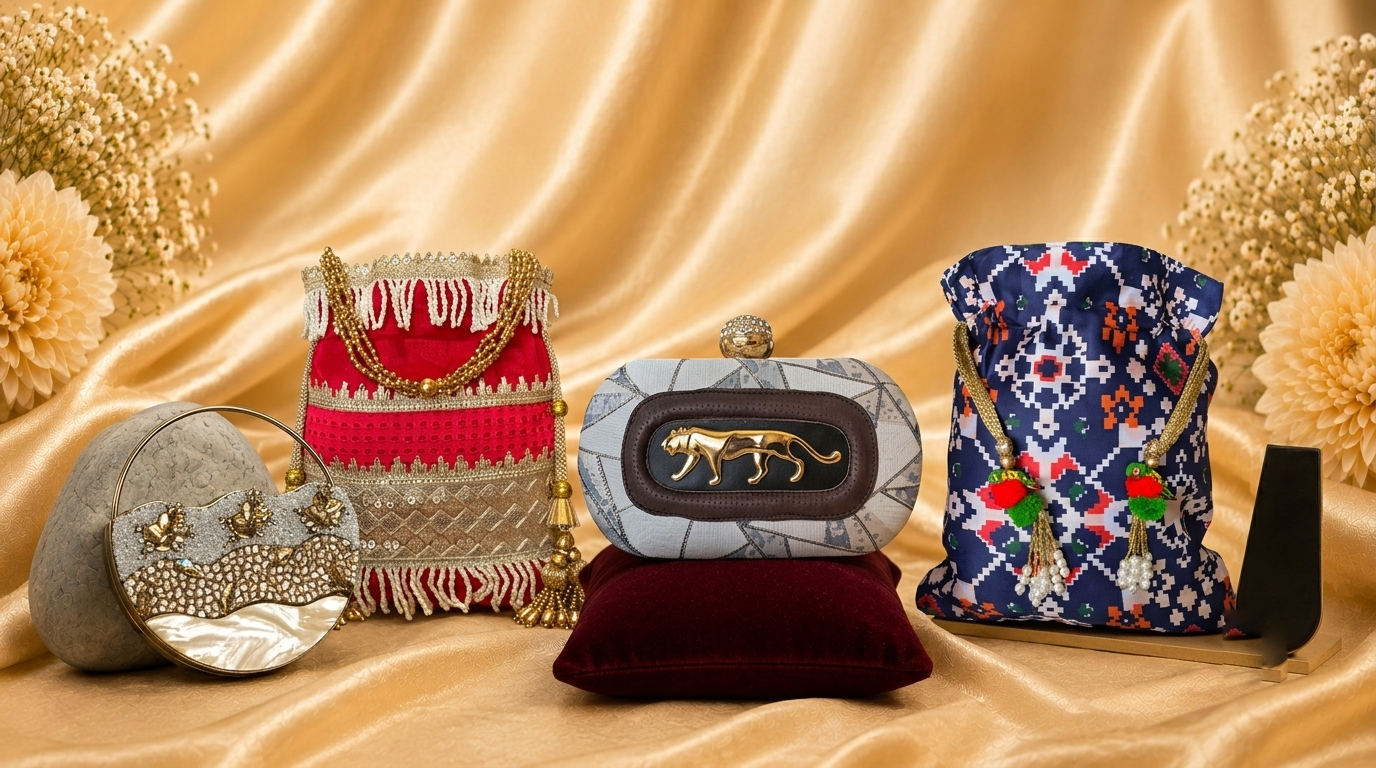
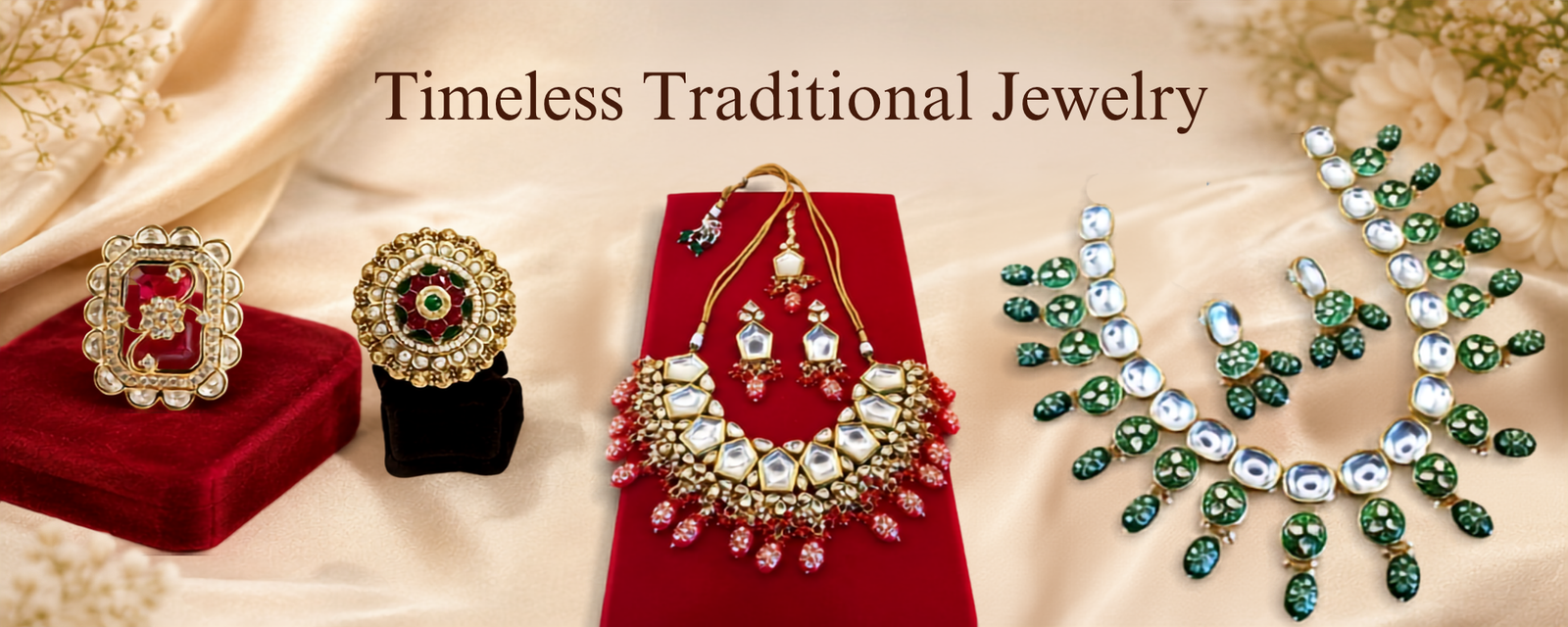
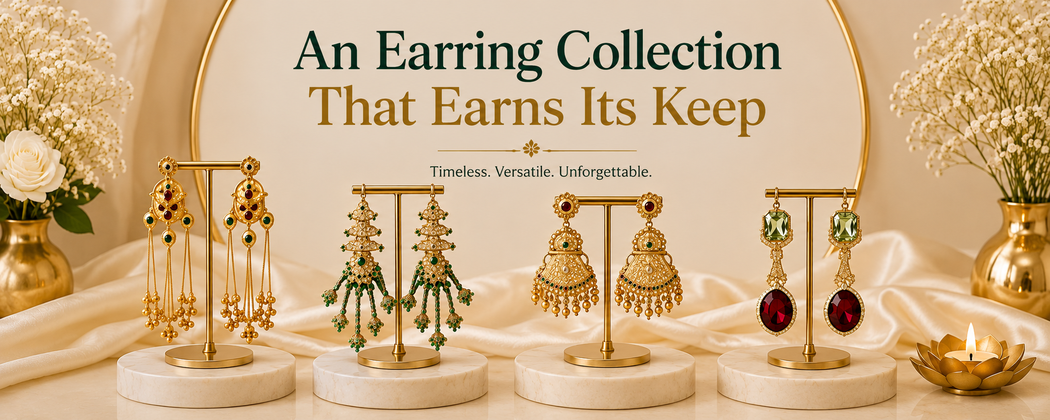
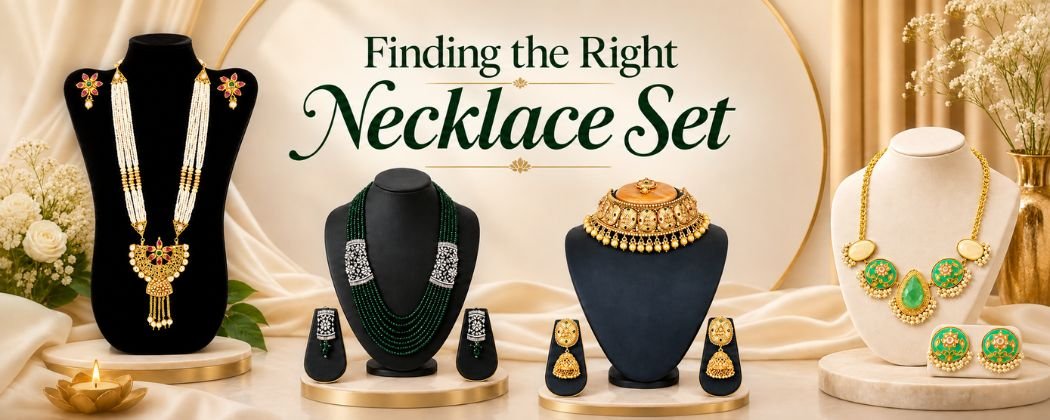
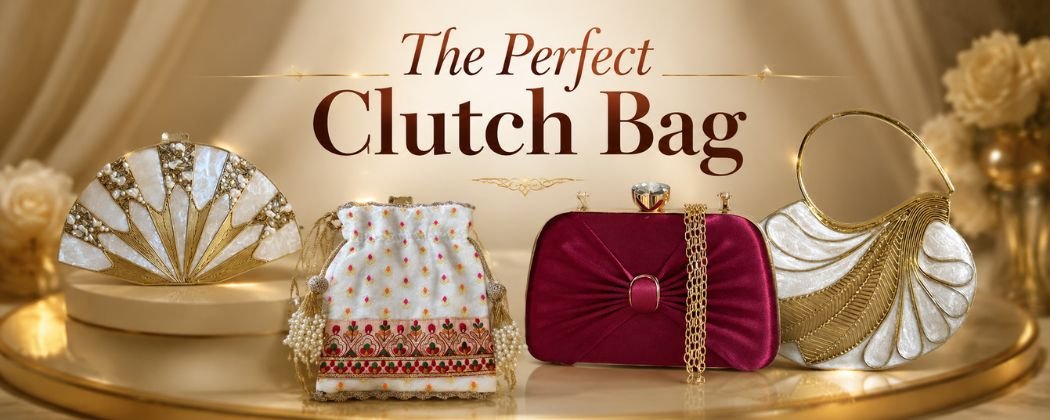
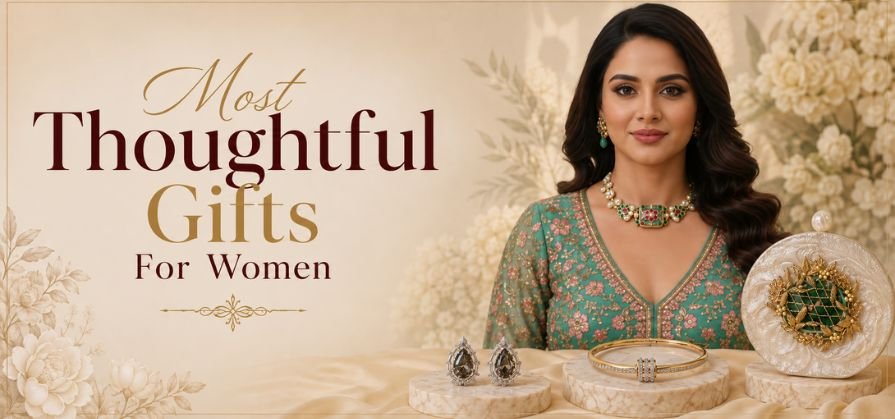
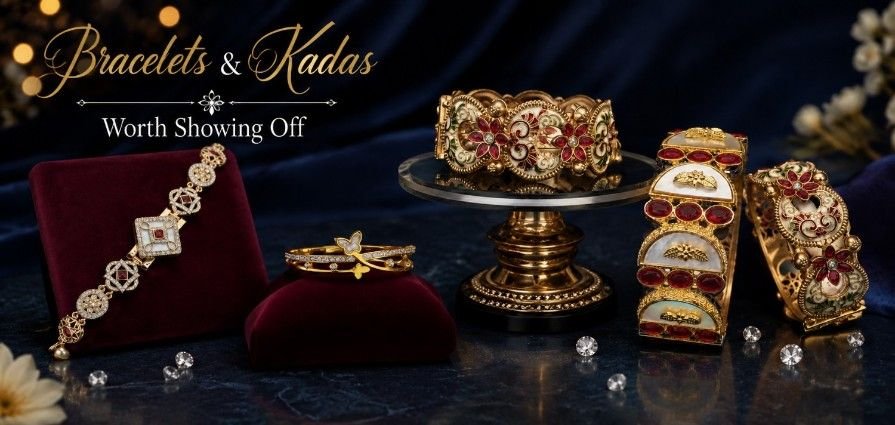
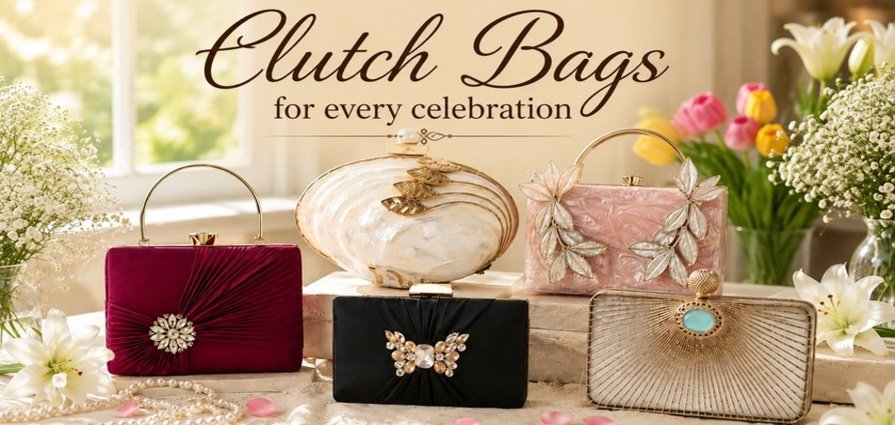
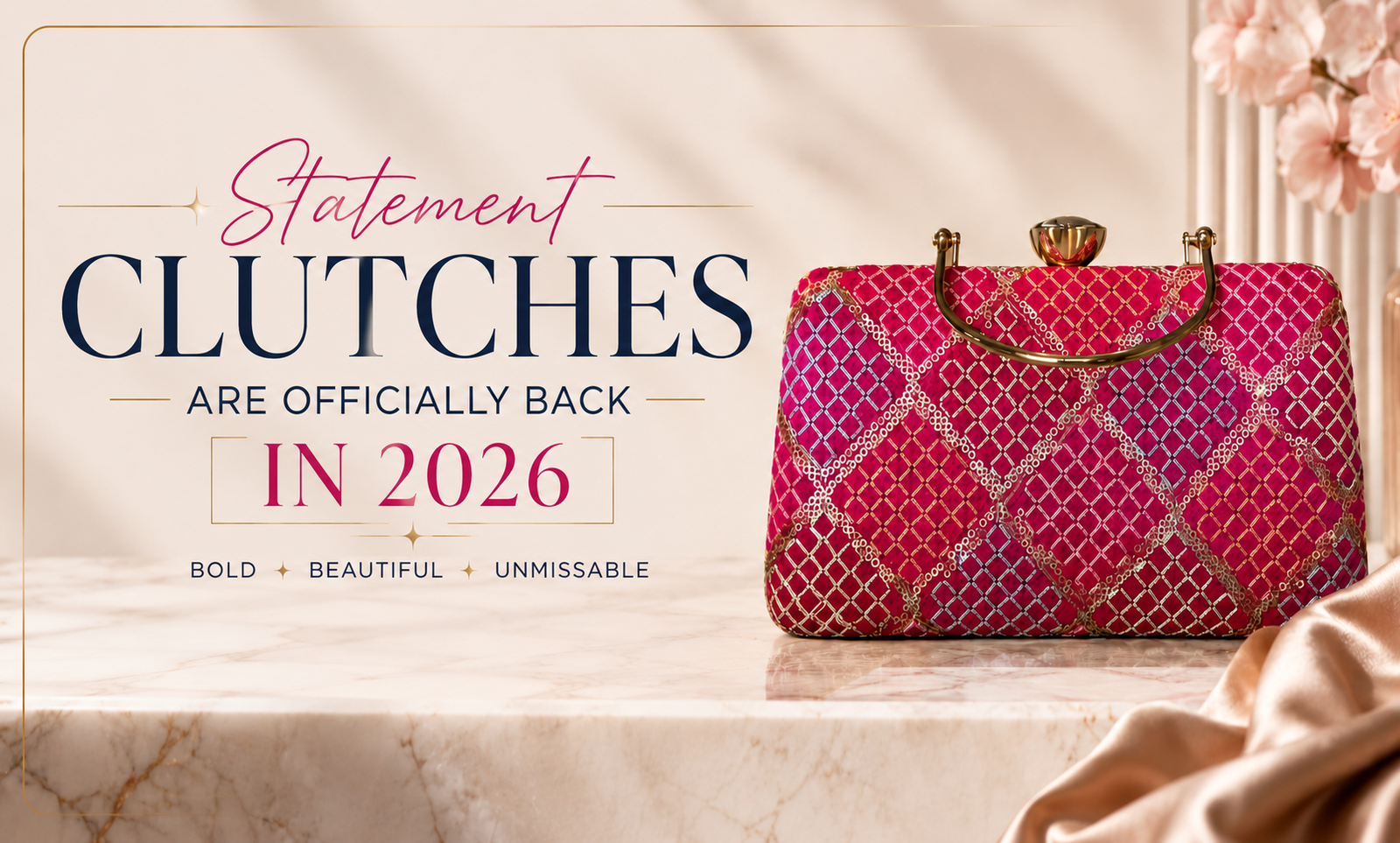
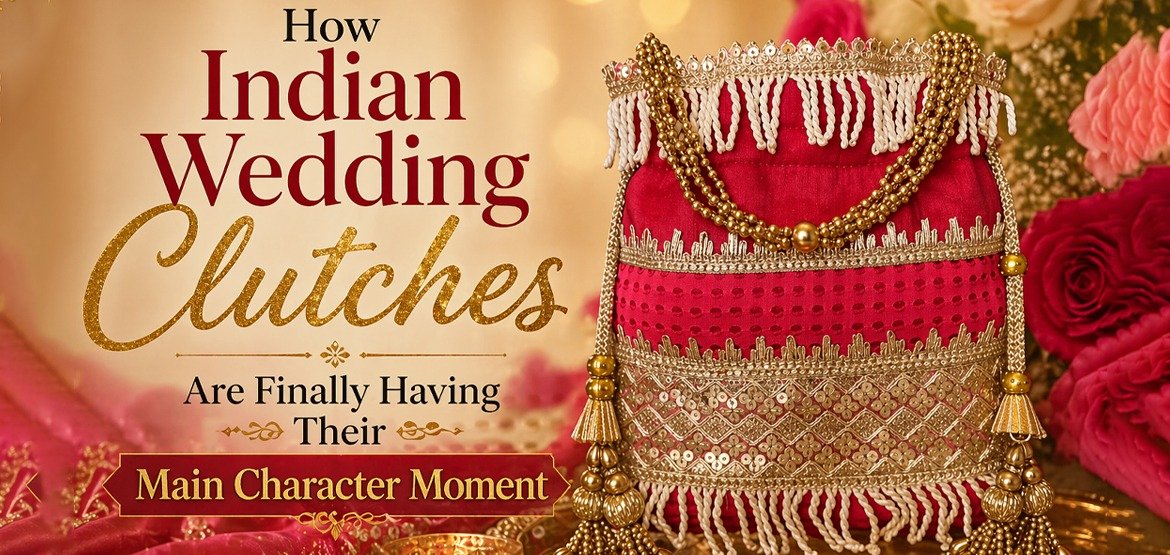
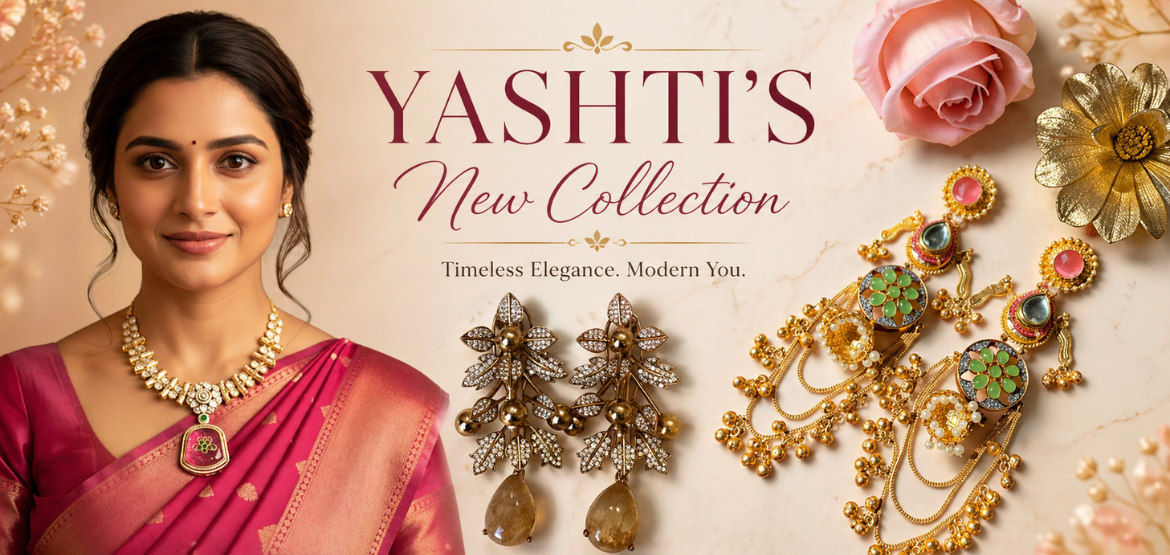
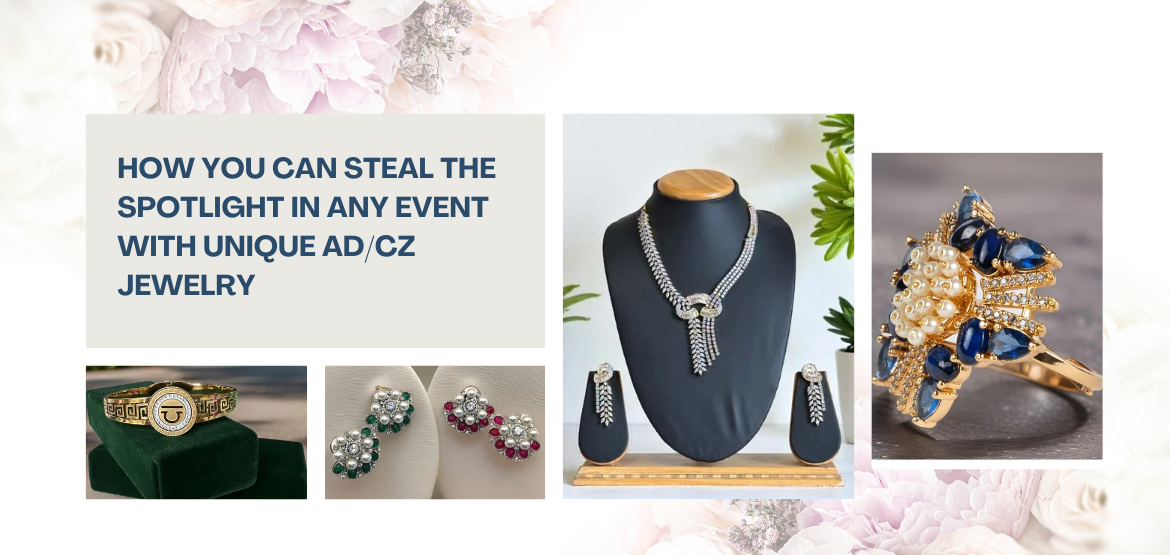
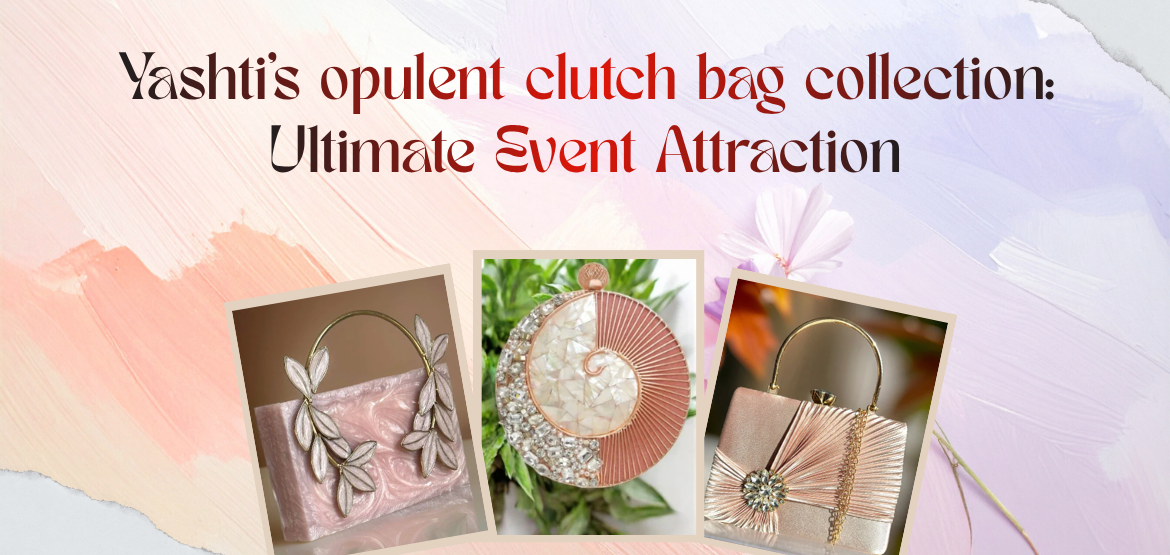
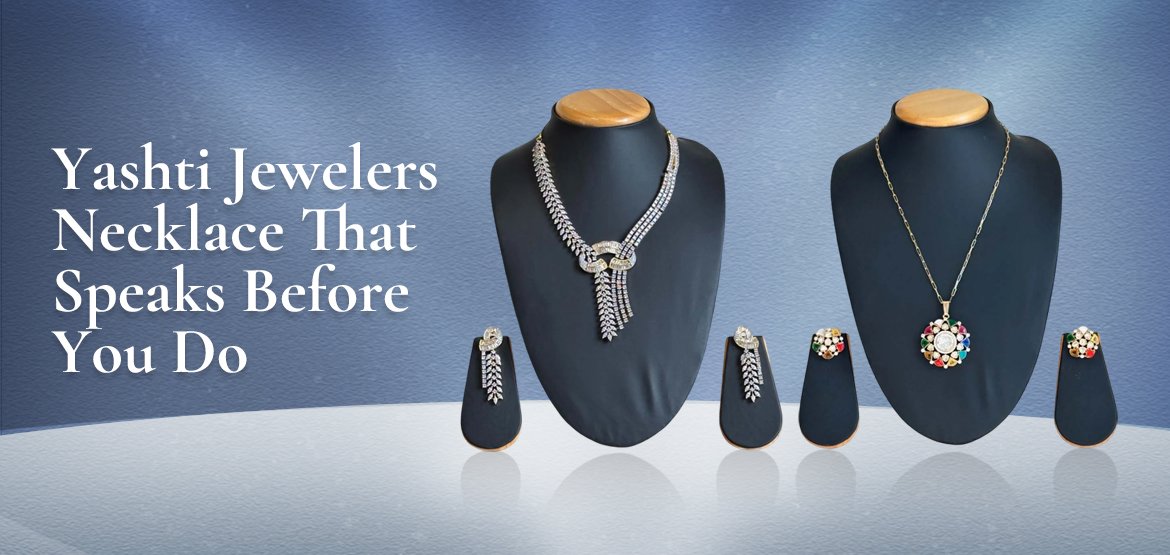
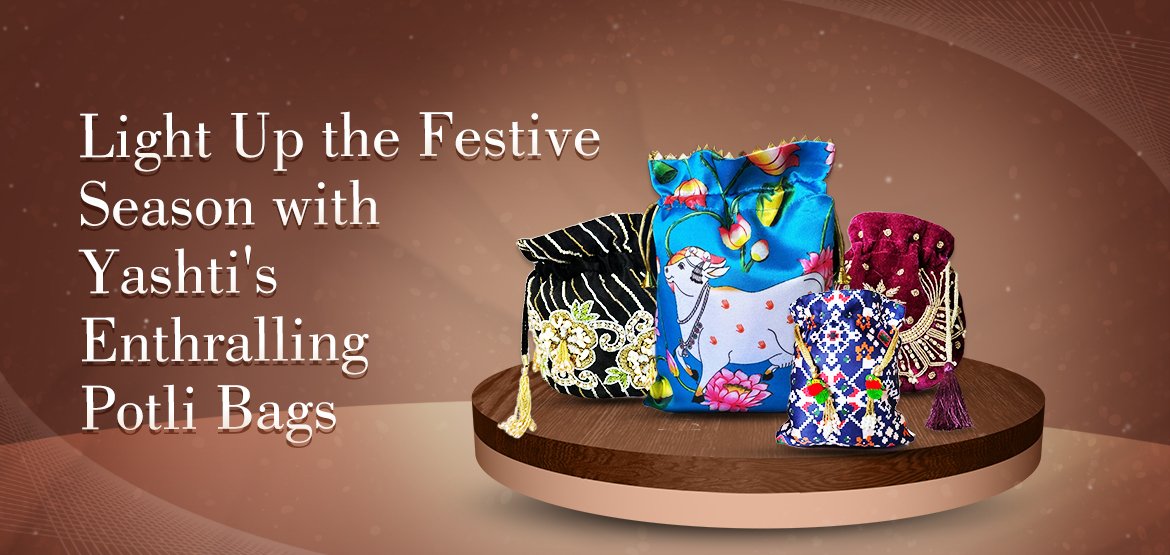
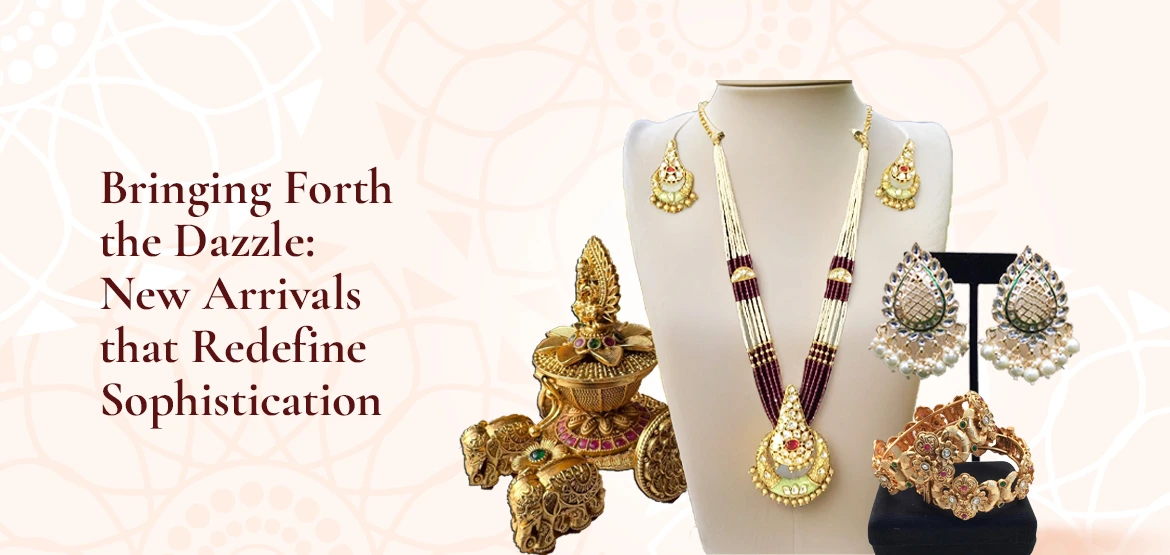
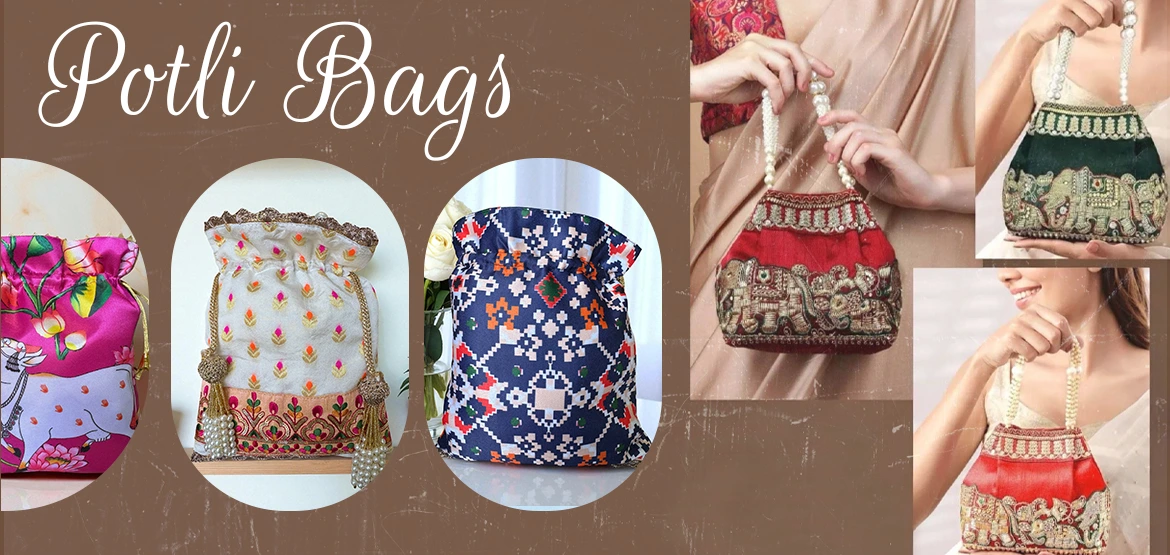
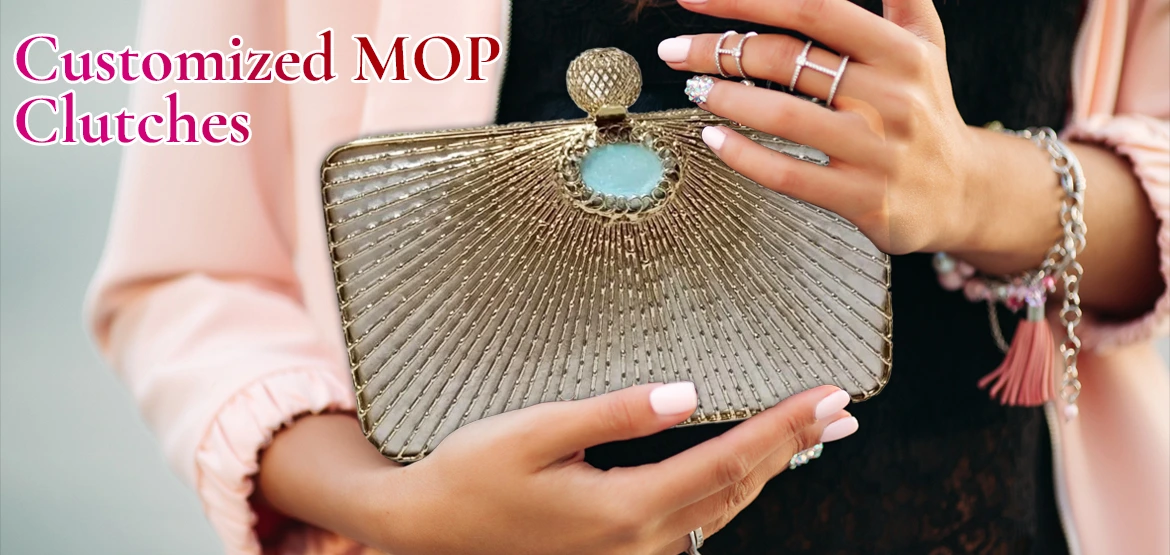
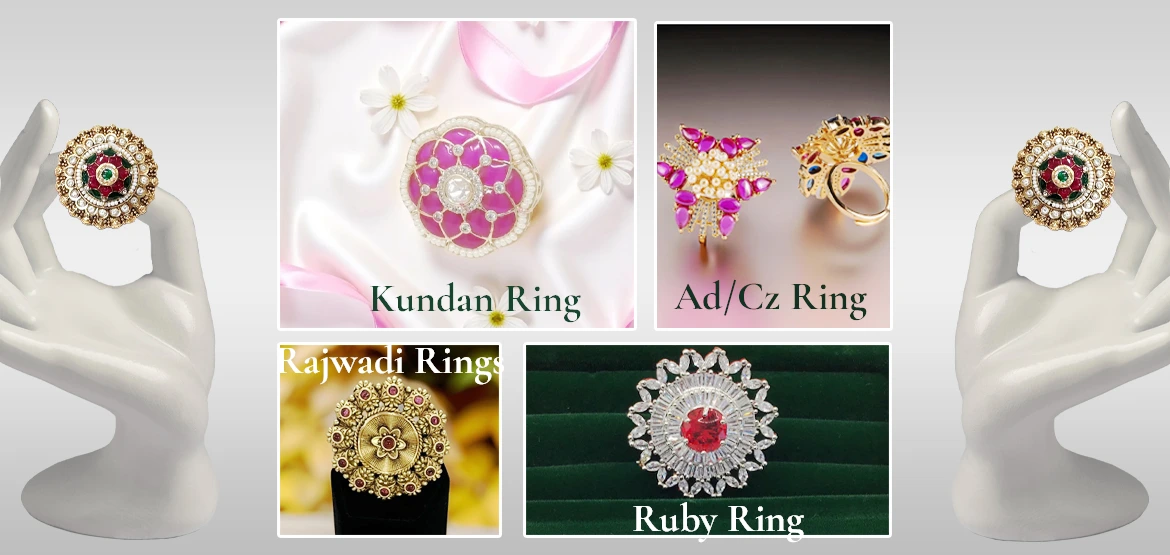
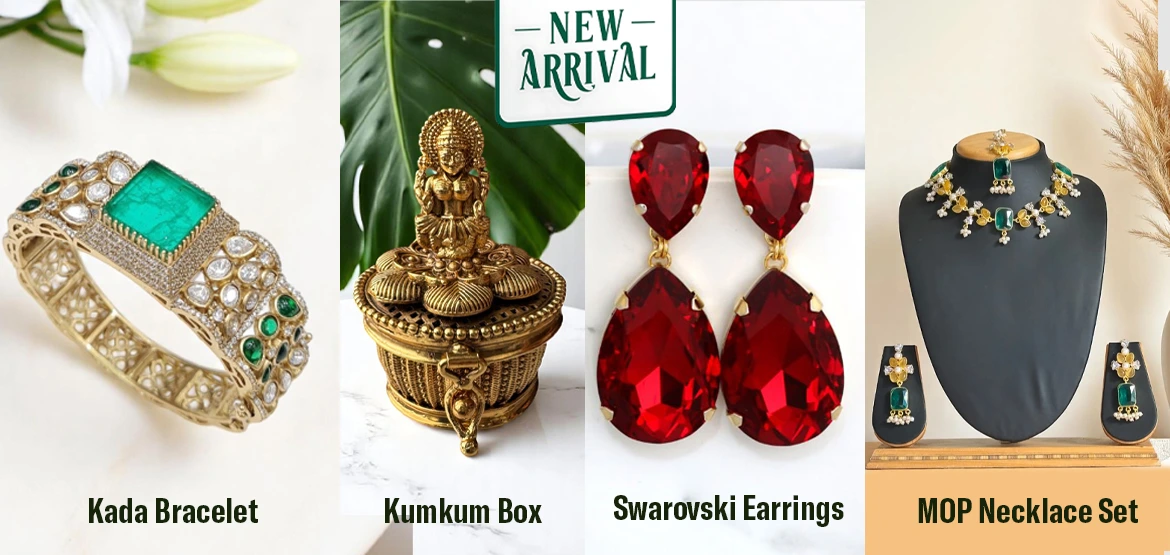
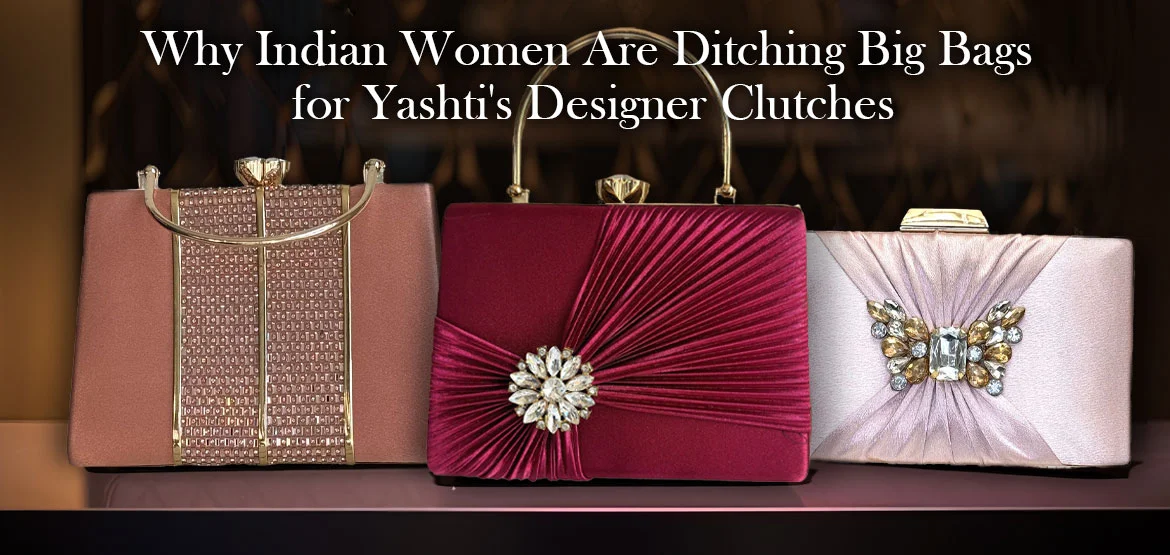
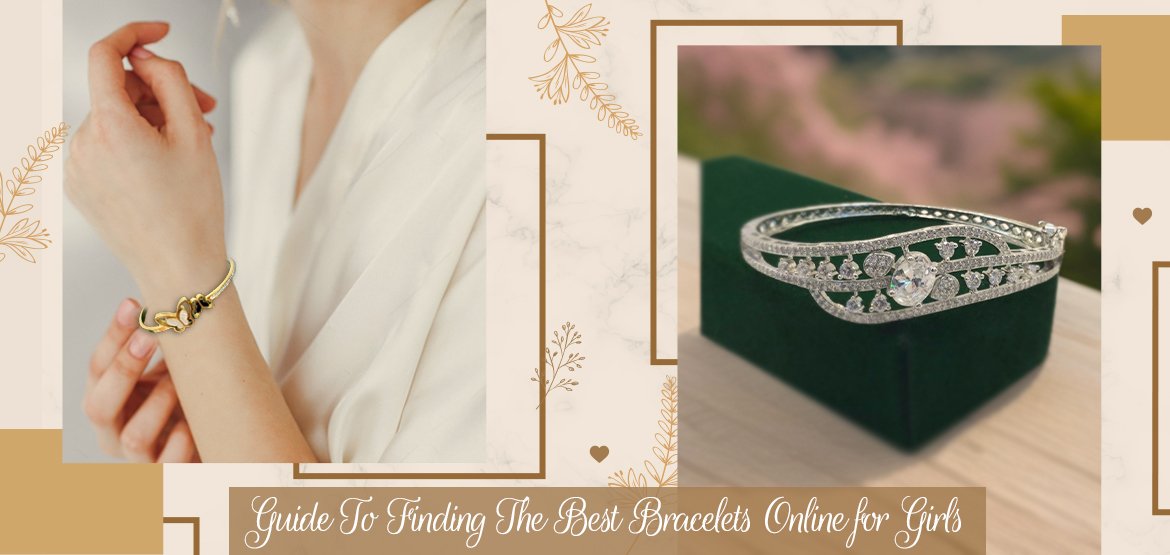
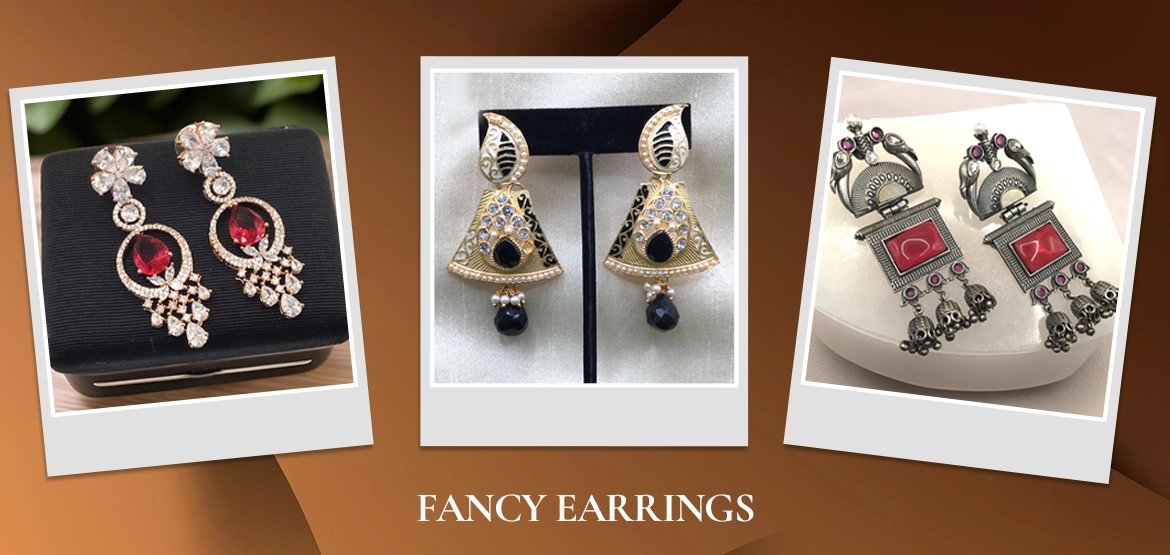
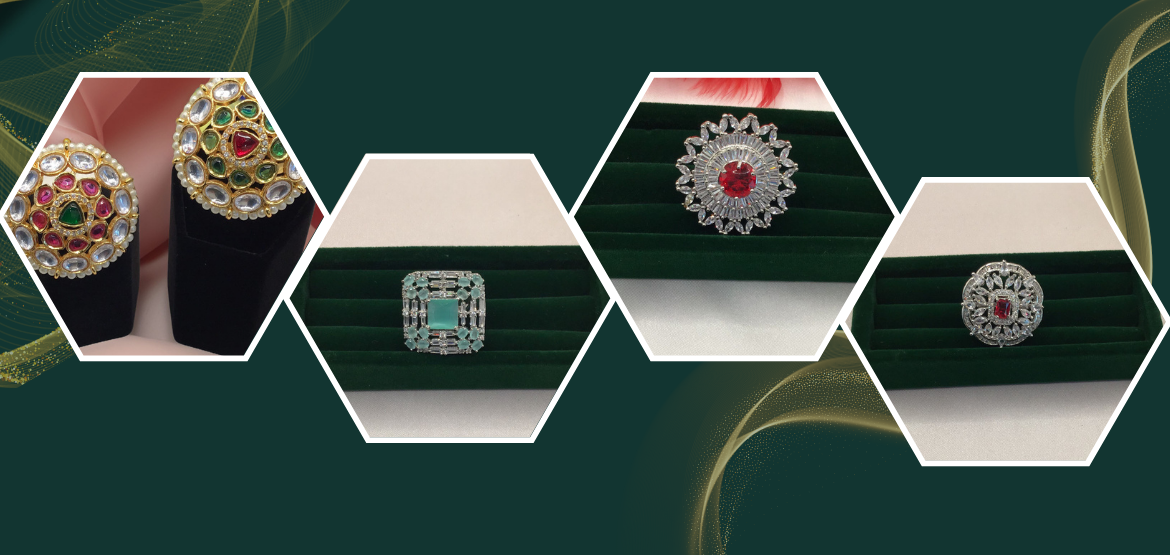
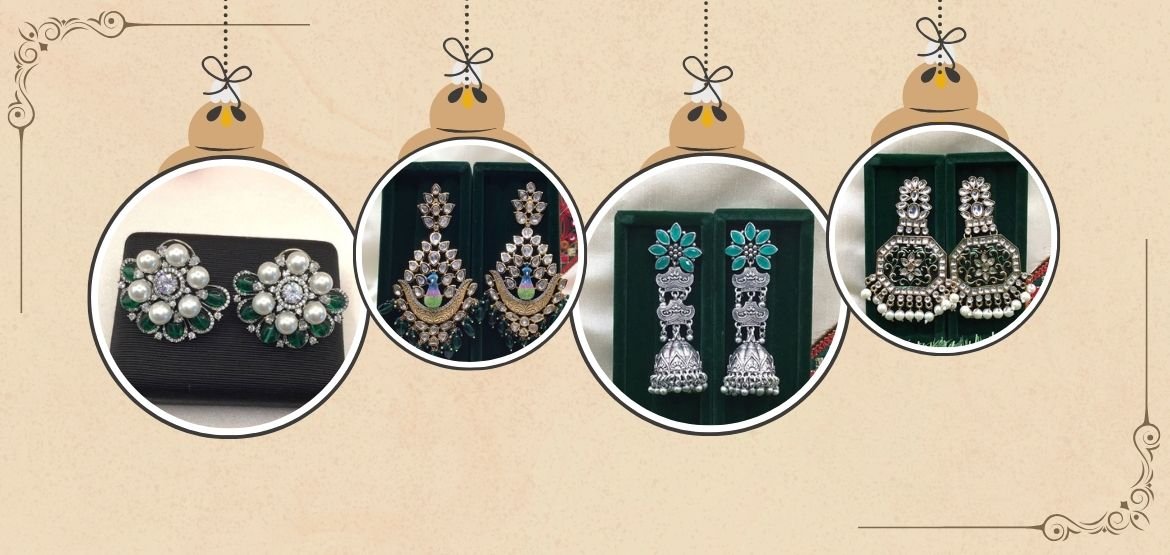
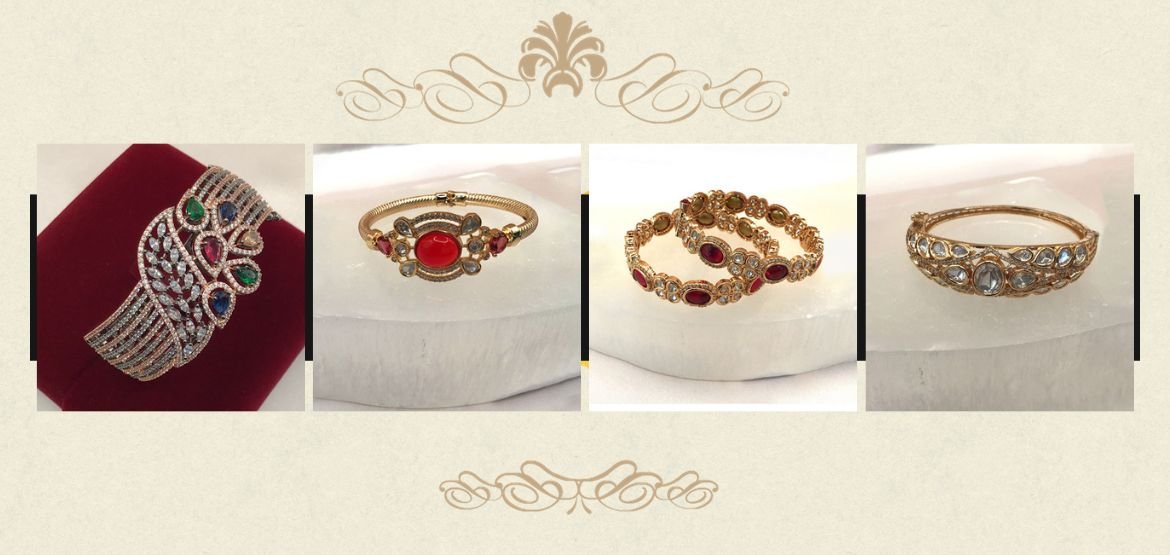
Yashti Jewelers has built its catalog around this shift, treating Indian jewelry as something meant to be worn often rather than saved for one event a year. The range spans necklace sets, bracelets, earrings, rings, clutches, and even the kumkum box, each category carrying its own techniques and traditions rather than being treated as an afterthought, a fitting approach for a brand built entirely around ethnic jewelry.
Why the Craftsmanship Behind Indian Jewelry Still Matters
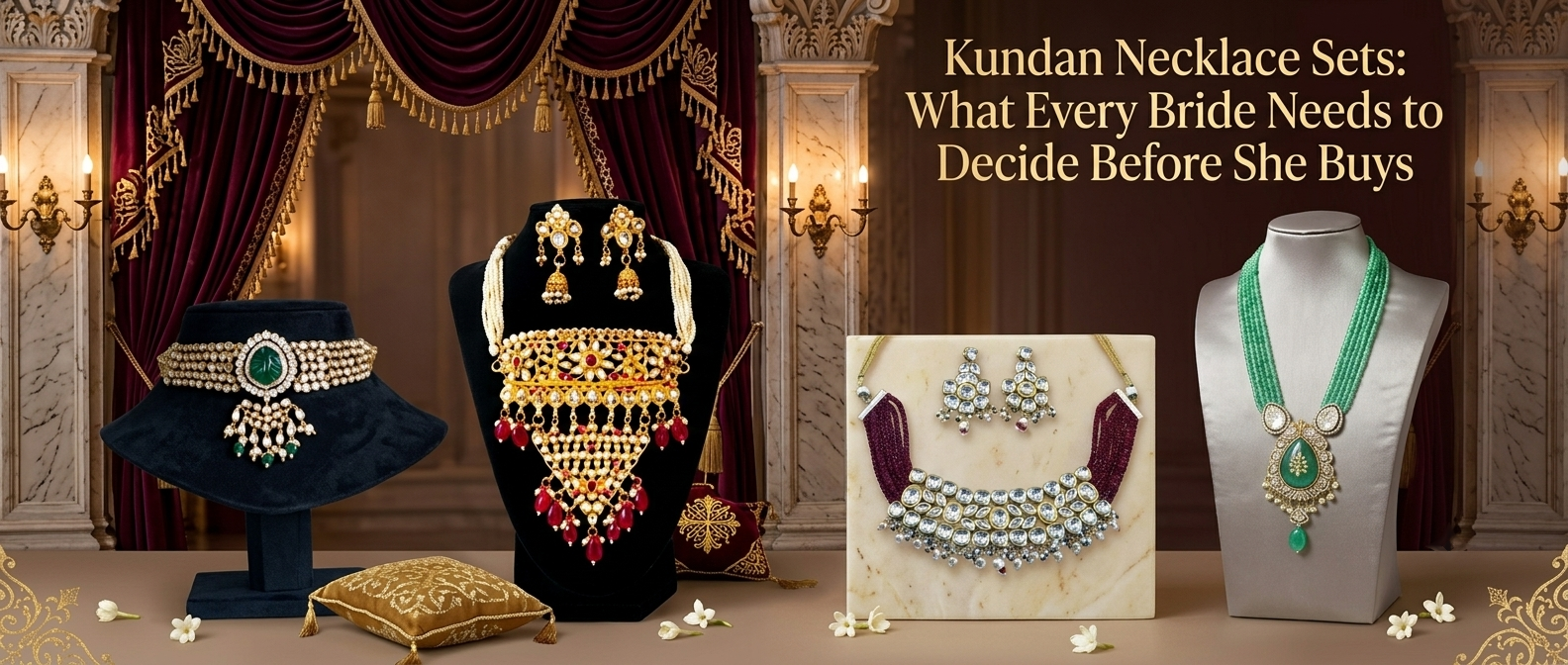
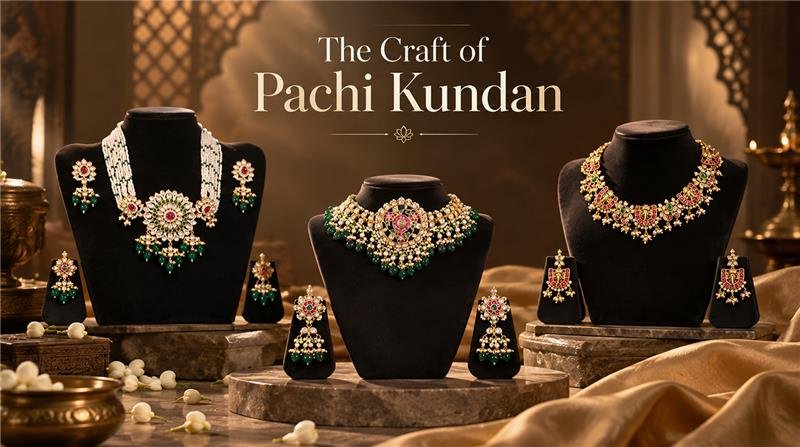
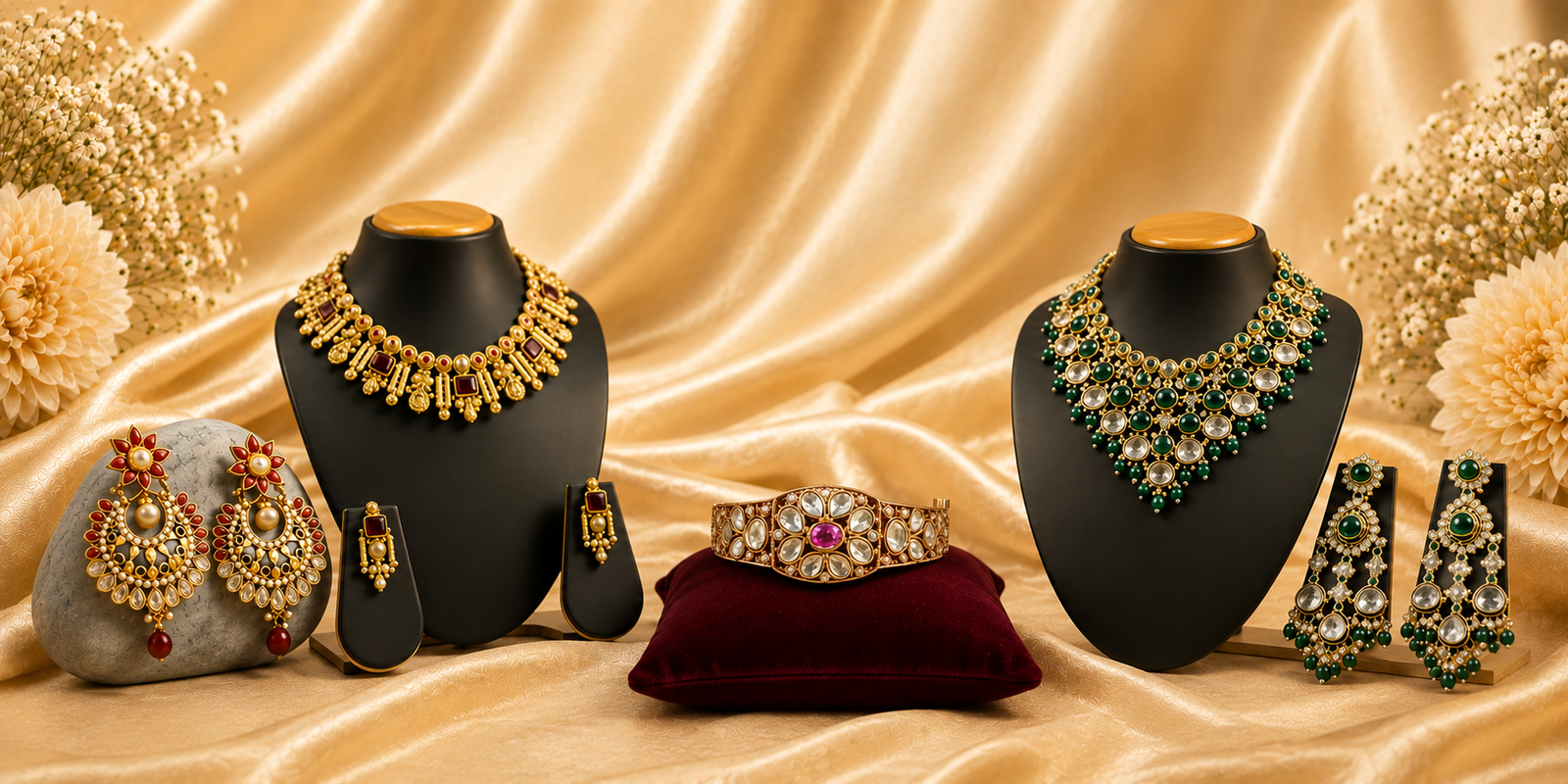
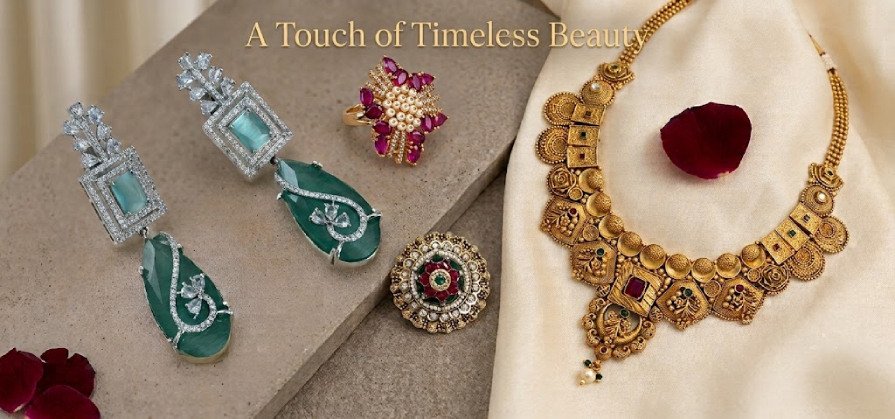
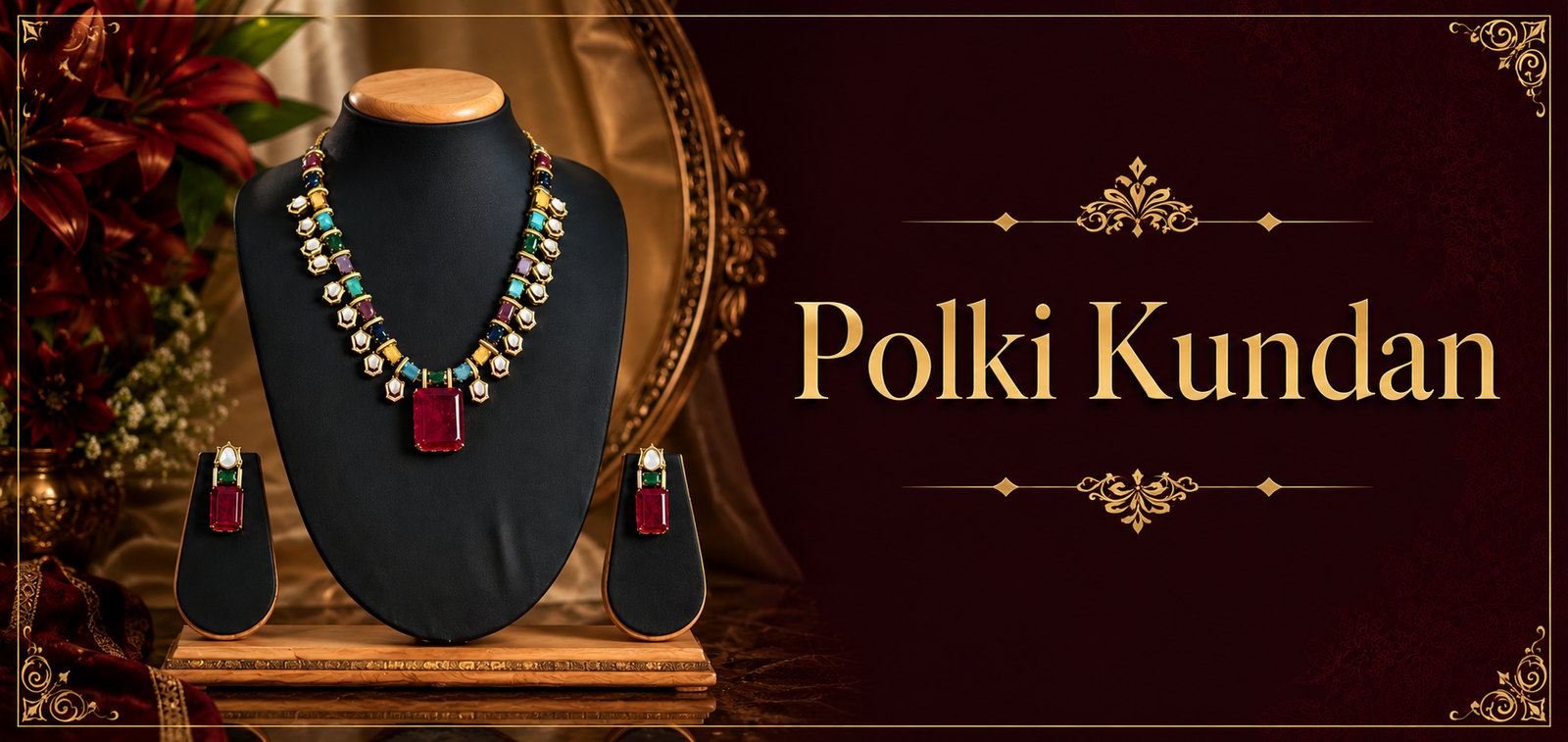
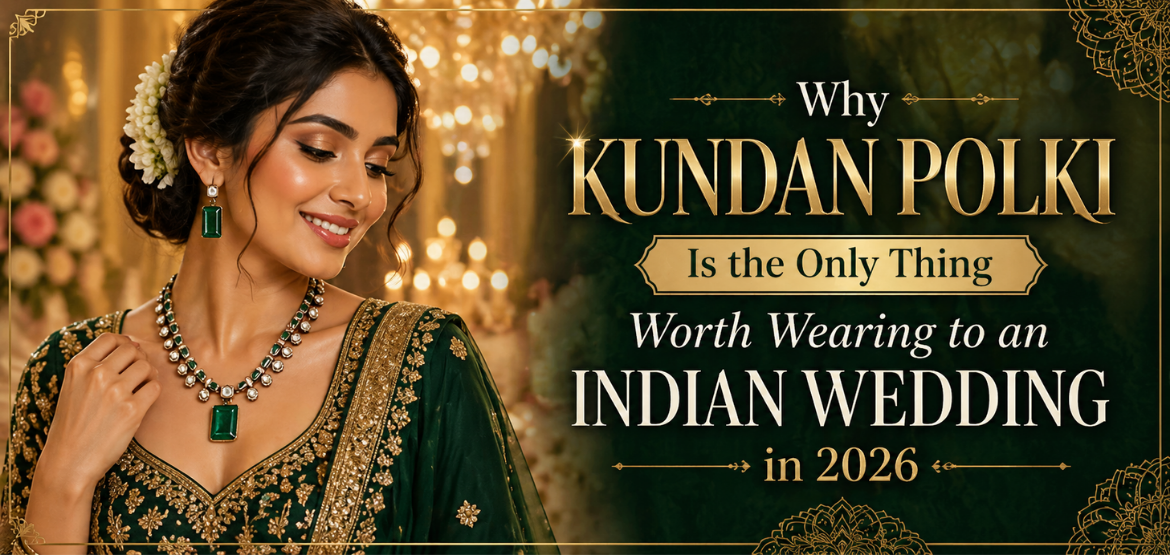
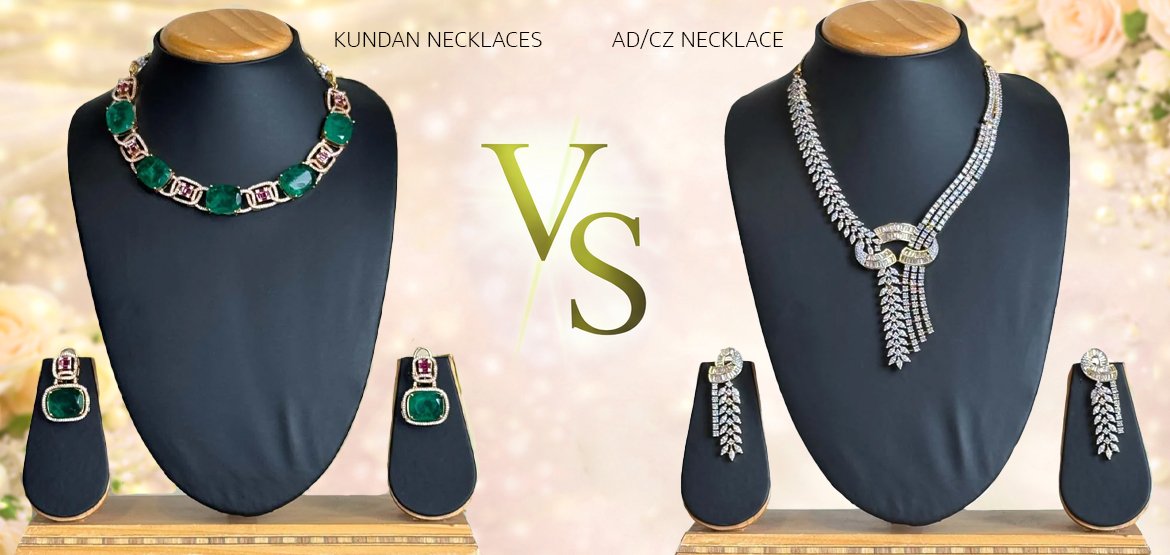
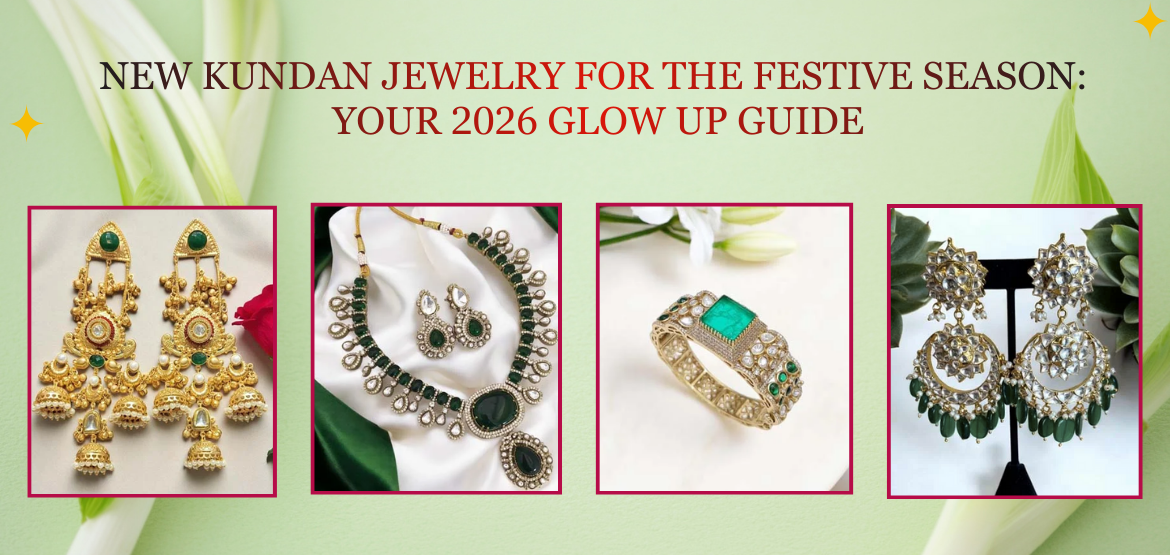
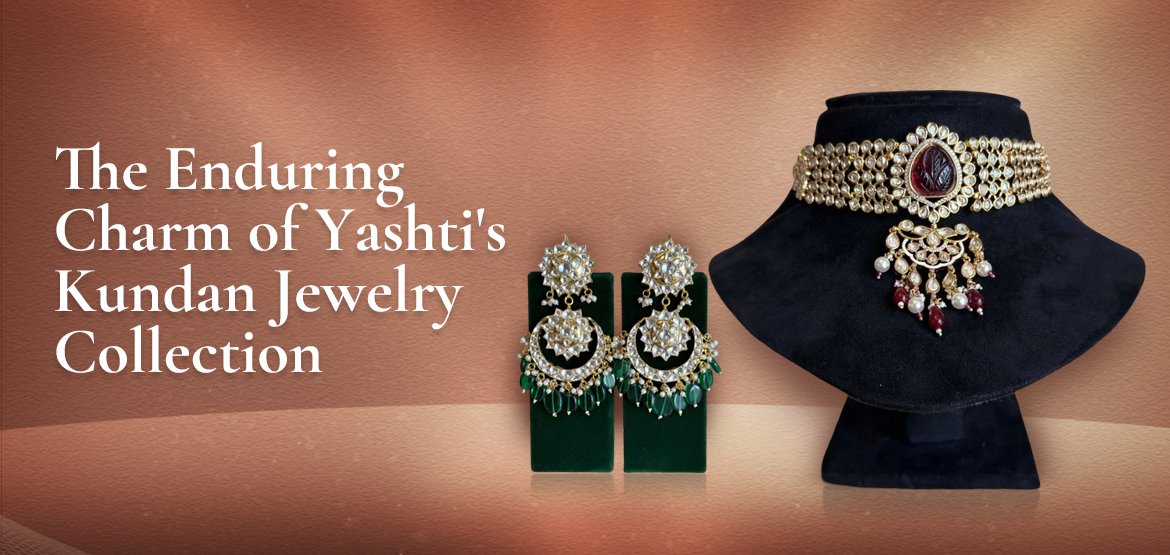
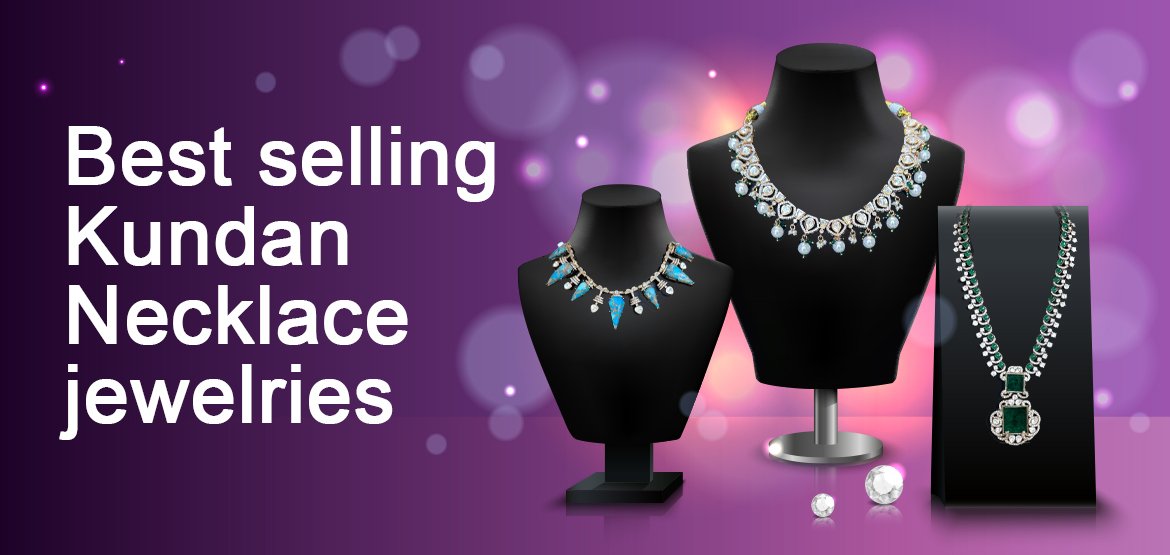
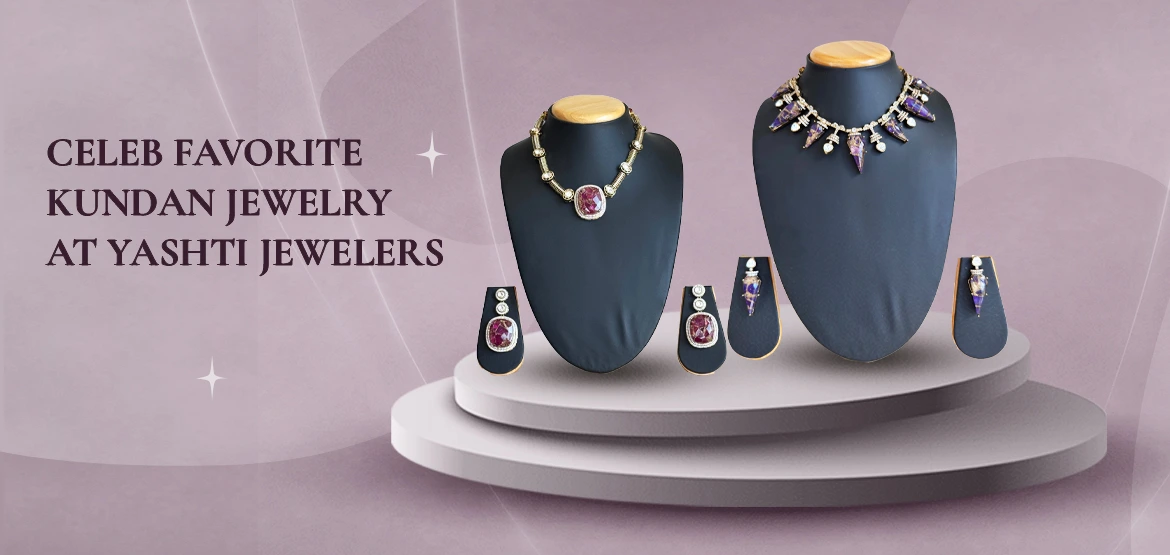
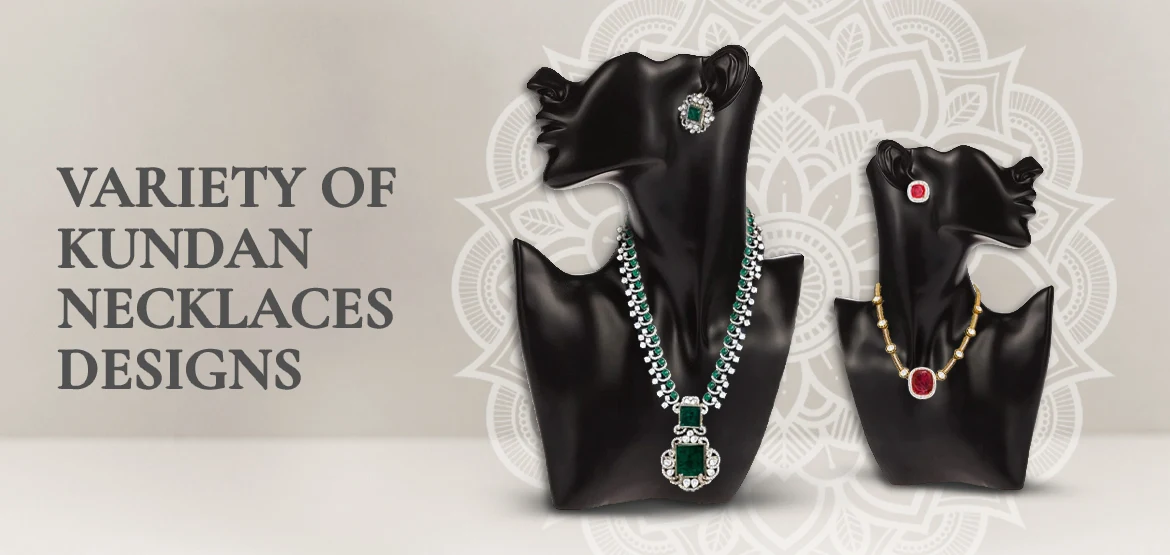
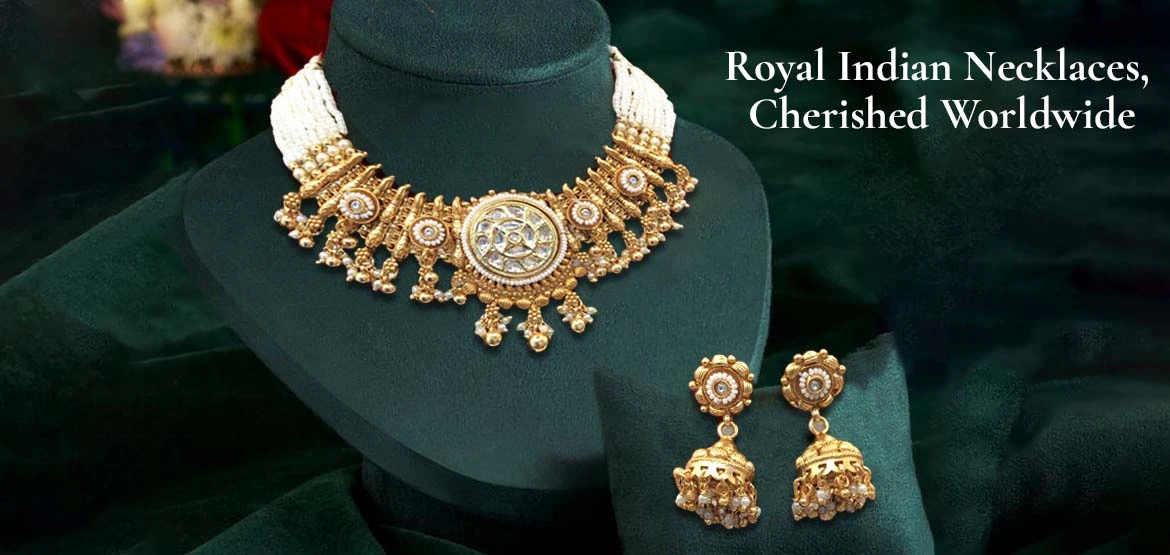
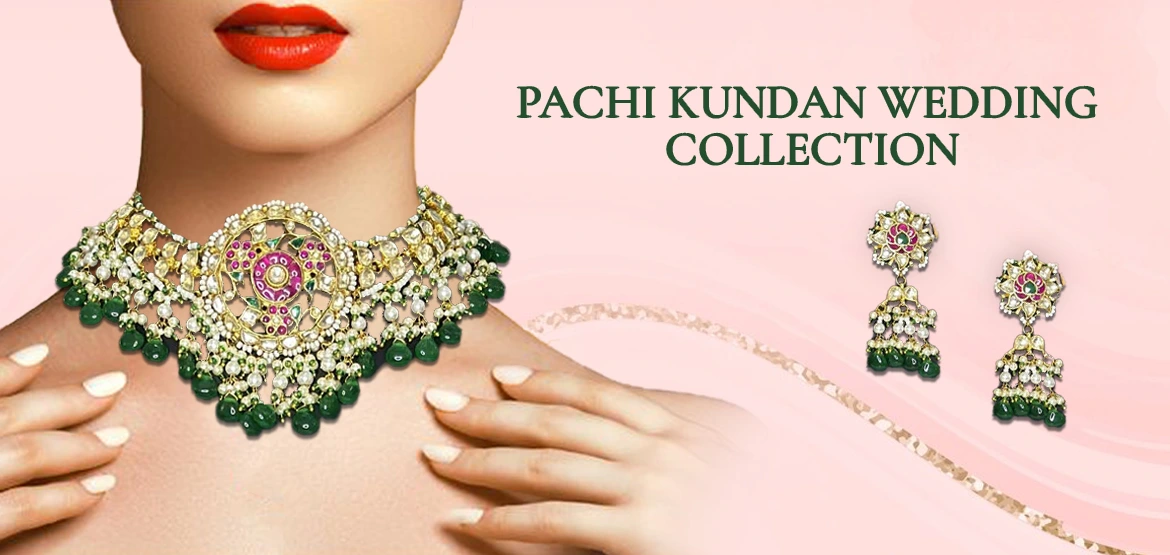
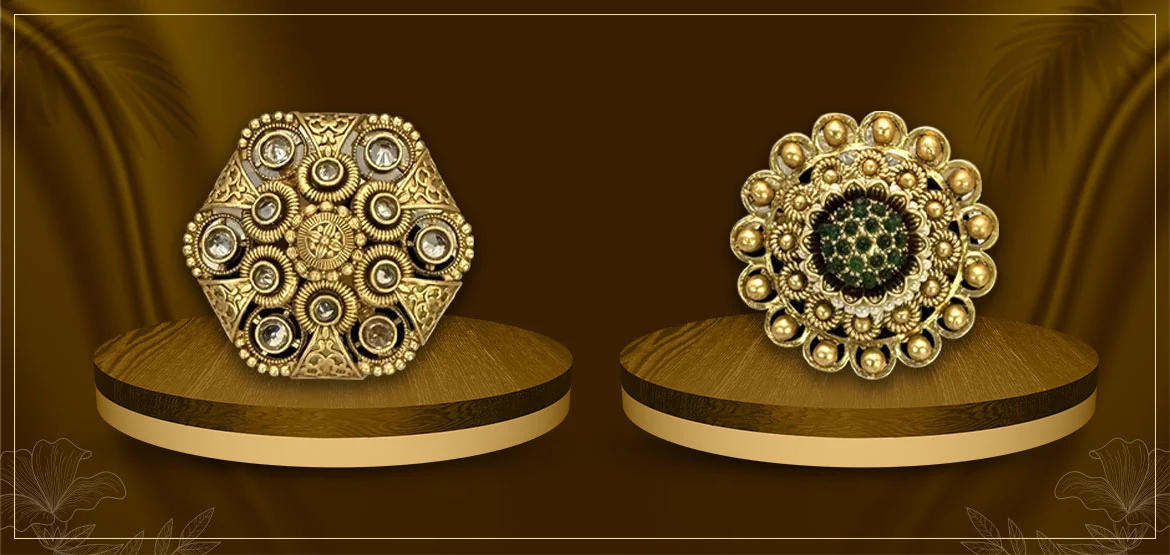
There is a reason well made Indian jewelry continues to hold its appeal even as mass production becomes faster and cheaper. Techniques like Kundan, Pachi Kundan, and Meenakari require years of training before a karigar can work confidently with tiny stones, hot wax, and delicate enamel painting. Each piece carries small variations that come from human hands rather than a machine, which is part of what gives it character.
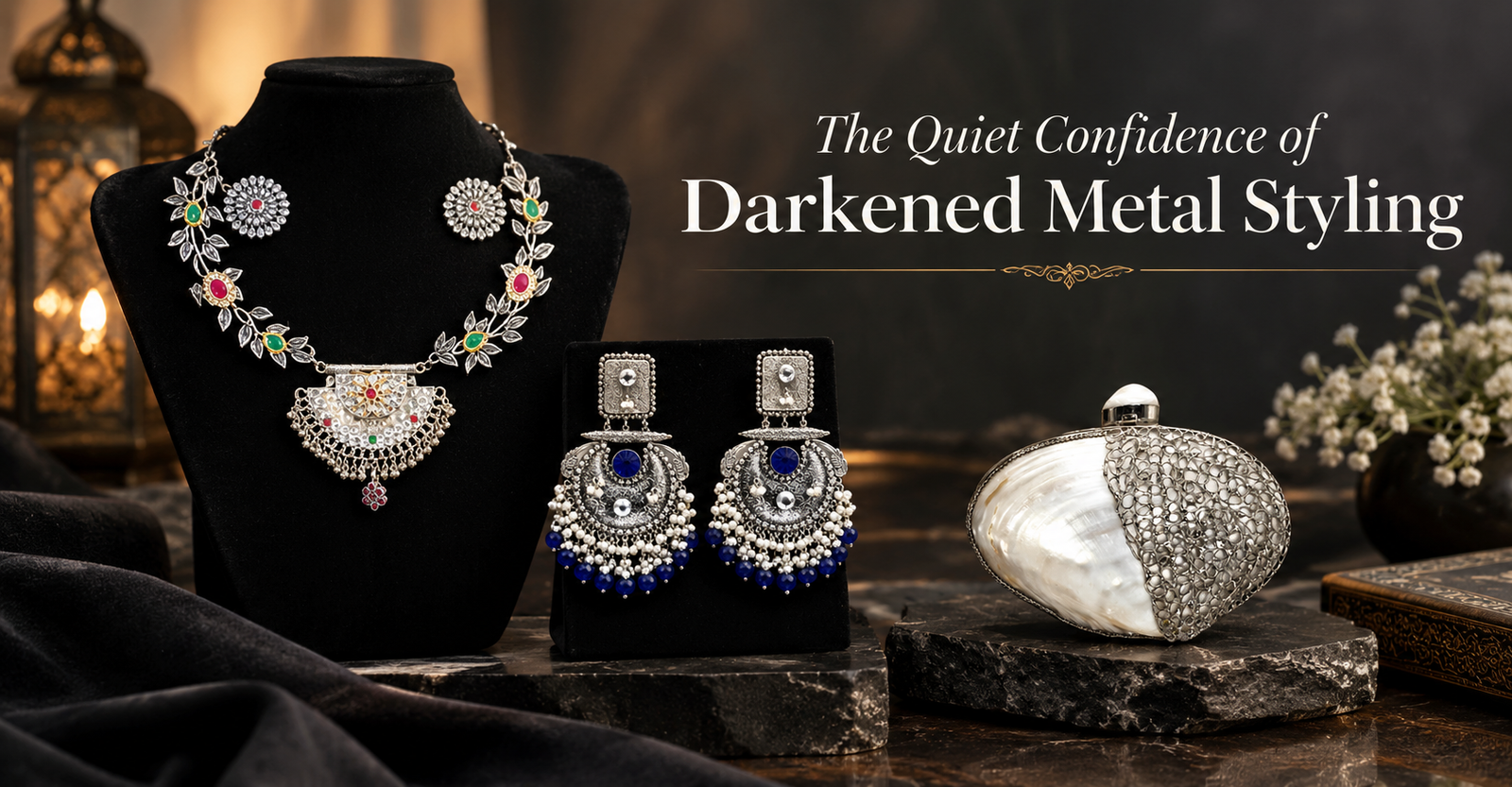
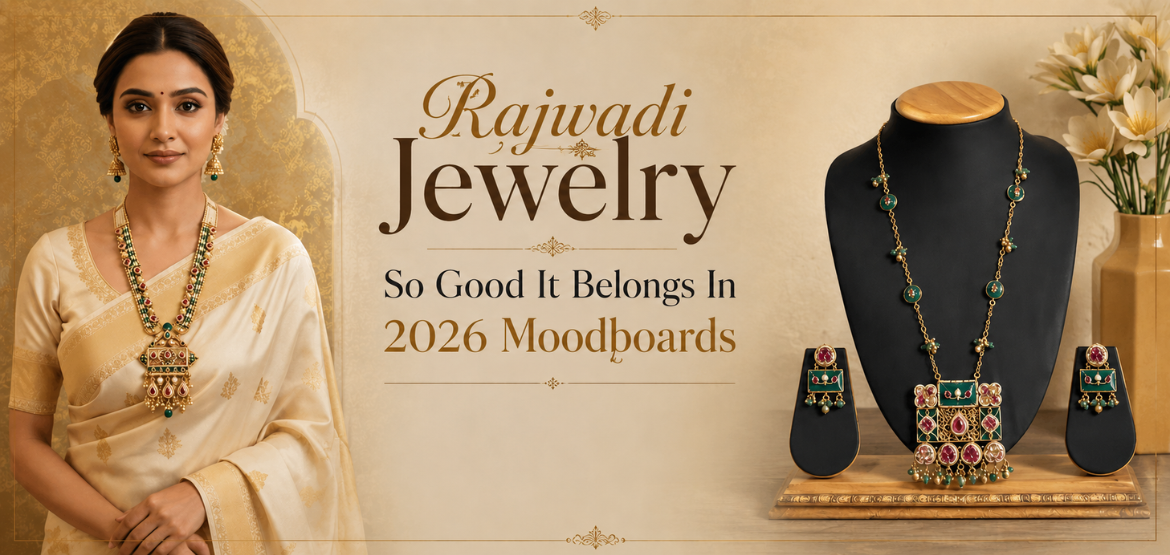
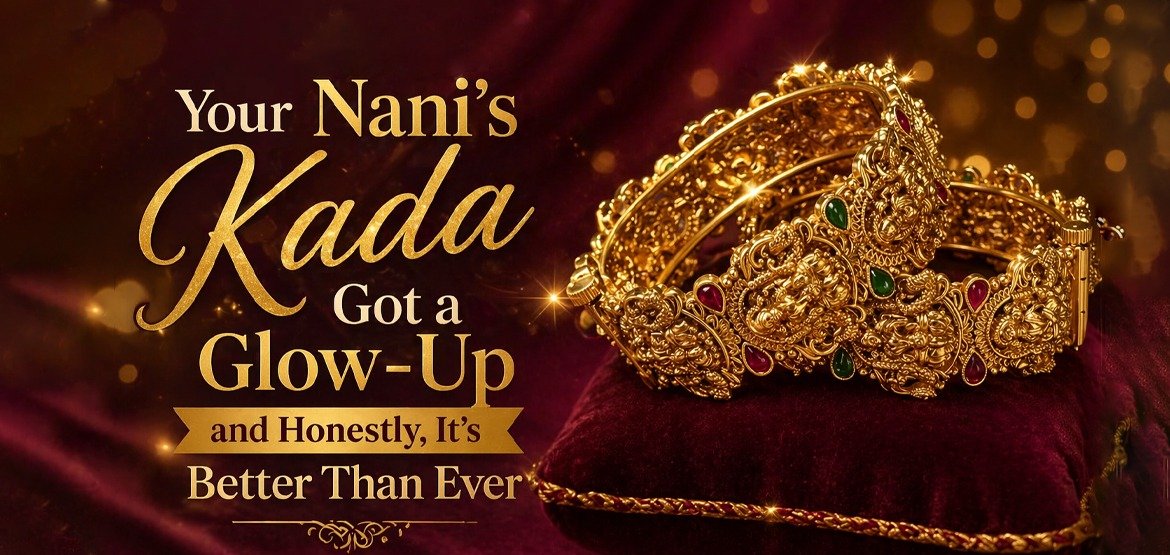
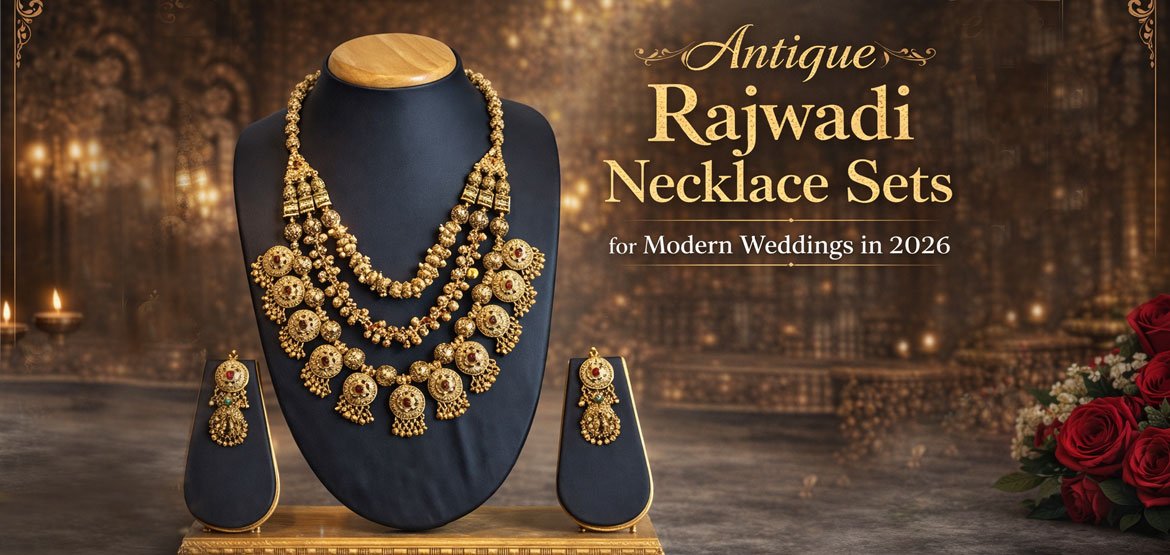
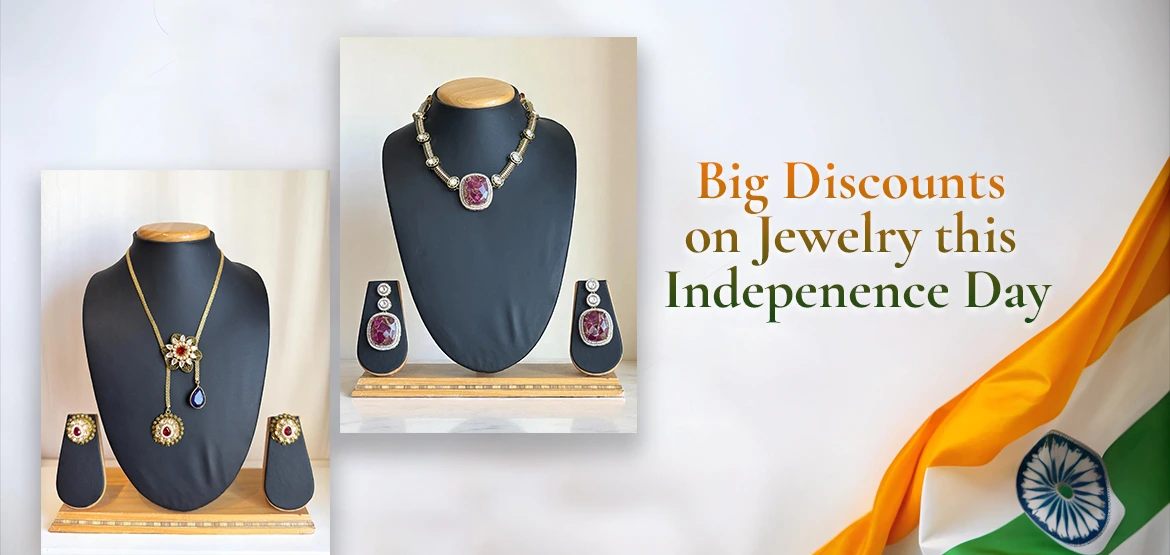
This is especially true for categories like Antique or Rajwadi jewelry, Temple designs, and Kemp Stones, styles that draw directly from regional traditions across India. A necklace set with hand-painted meenakari work or a kada with oxidized detailing tells a story that mass-produced alternatives simply cannot replicate. Choosing Indian jewelry made this way also means supporting the artisans behind these techniques, many of whom have carried this work forward through generations of their own families.
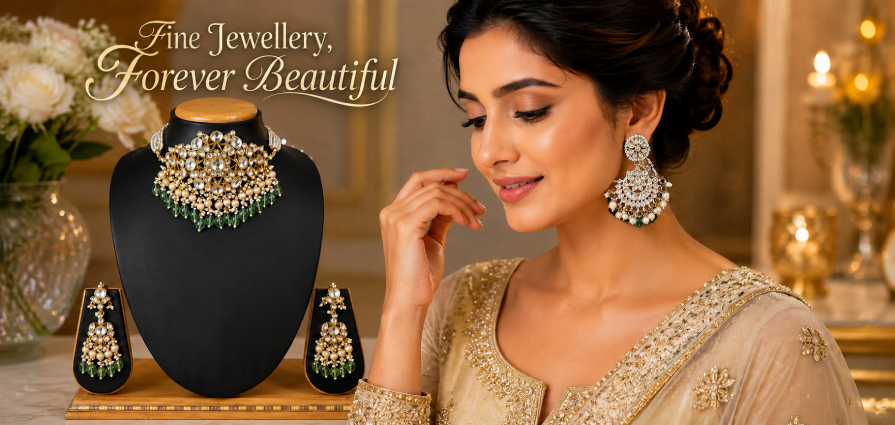
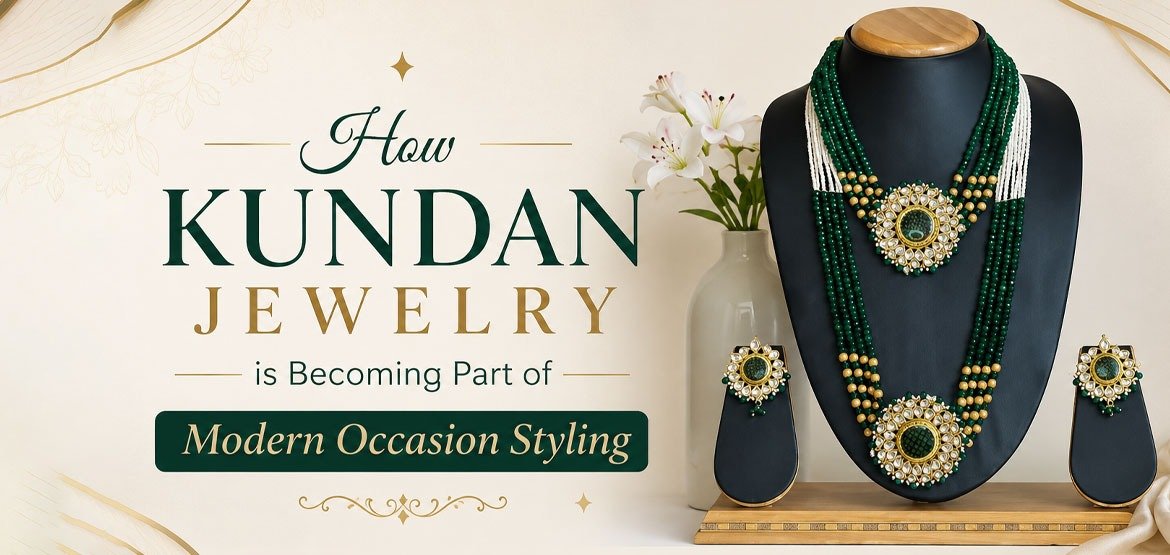
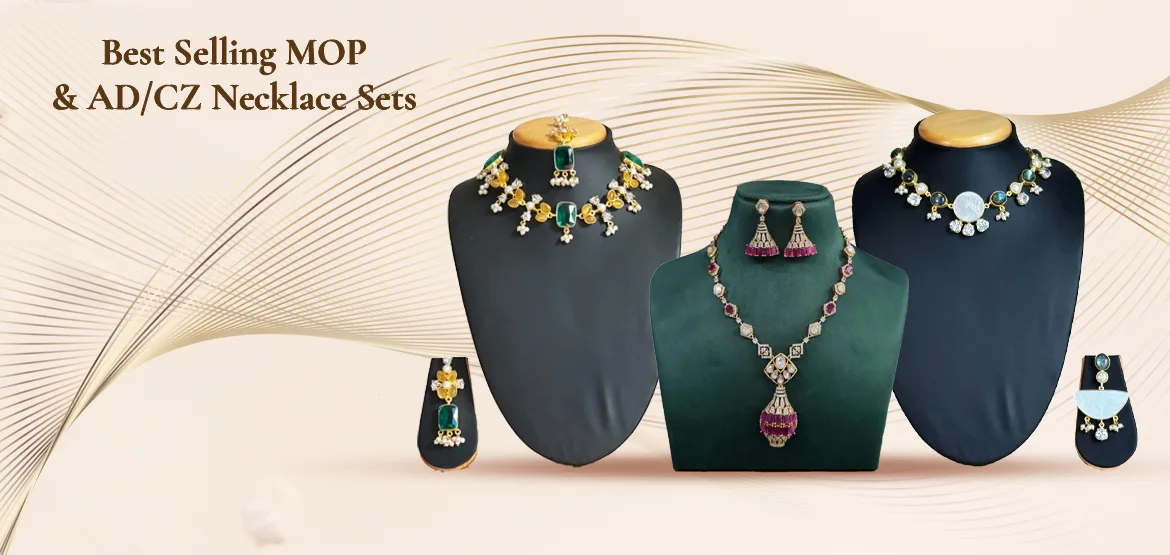
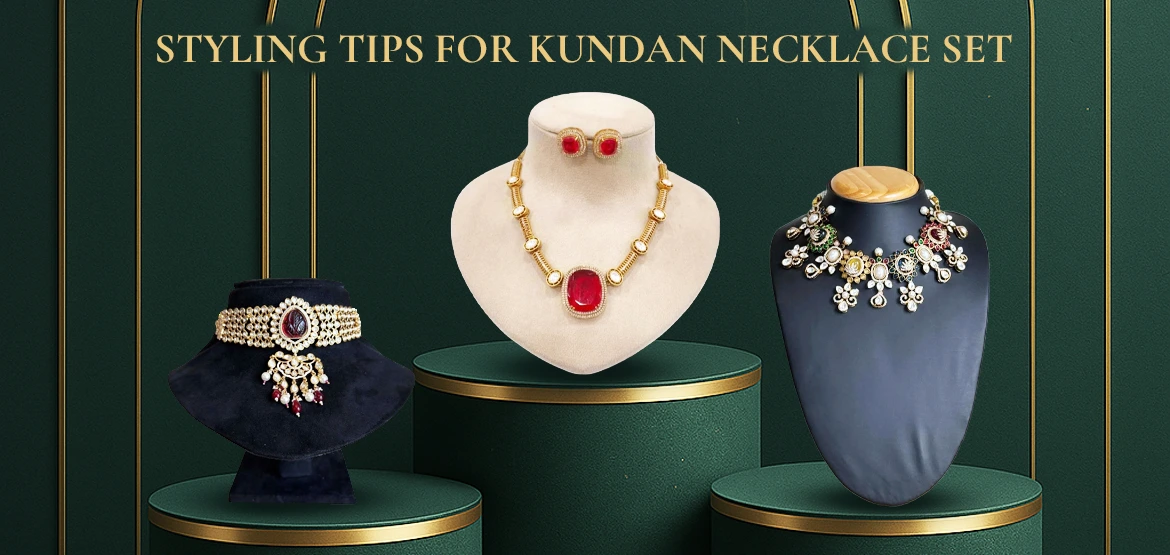
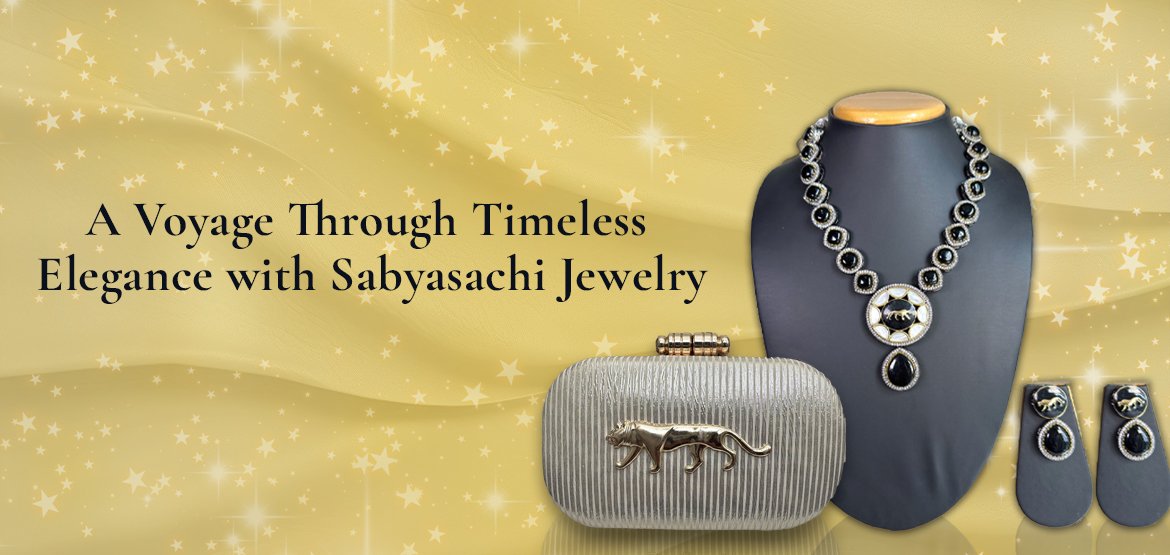
This craftsmanship also lends itself well to fusion styling, which has become increasingly common at multicultural weddings and celebrations across the US and beyond. A Kundan choker paired with a modern silhouette, sabyasachi inspired jewelry layered over western formalwear, or oxidized jewelry worn alongside a plain blazer, allows these traditional techniques to remain relevant across a much wider range of settings than they were originally designed for.
The Diaspora Shopping Problem
Sourcing authentic Indian jewelry while living outside India comes with a specific set of challenges. Shoppers usually end up picking between two frustrating outcomes: pieces imported at a steep markup with a long wait attached, or budget options that arrive with stones that loosen or plating that fades within a few wears. Finding something in between, jewelry that looks and feels authentic without an inflated price tag, has historically been difficult for many shoppers living far from India.
This is the gap that Yashti Jewelers is addressing while catering shoppers in the US and other countries. With shipping now extending to Canada, Germany, the UK, Ireland, and Australia, the customer base clearly extends well beyond a single city or region. Many of these shoppers are planning around specific dates, whether it's a wedding, a festival, or a family function, which makes delivery timelines just as important as the jewelry itself. A beautifully crafted necklace set, a kemp stone choker, or anything in between has little value if it arrives after the event it was meant for.
Community events add another layer to this. Local temples, cultural associations, and regional gatherings often host festive celebrations well ahead of the actual calendar date, which means shoppers frequently need their jewelry earlier than expected. Having a dependable source that understands these overlapping timelines, rather than treating every order the same way, makes a noticeable difference for anyone trying to plan around a packed festive calendar.
Occasions Where This Jewelry Fits Naturally
Ethnic jewelry no longer needs to wait for a formal occasion to be worn. Some of the ways these pieces fit into everyday life include:
- Weddings and sangeets, along with the smaller pre-wedding events that lead up to them
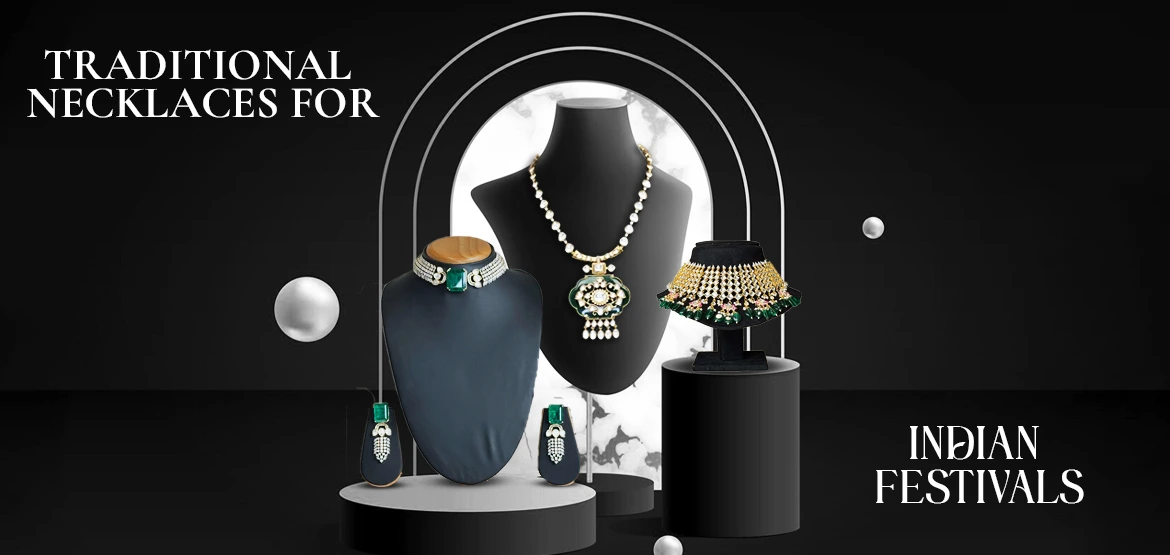
- Diwali, Navratri, and other festivals where a statement necklace anchors the outfit
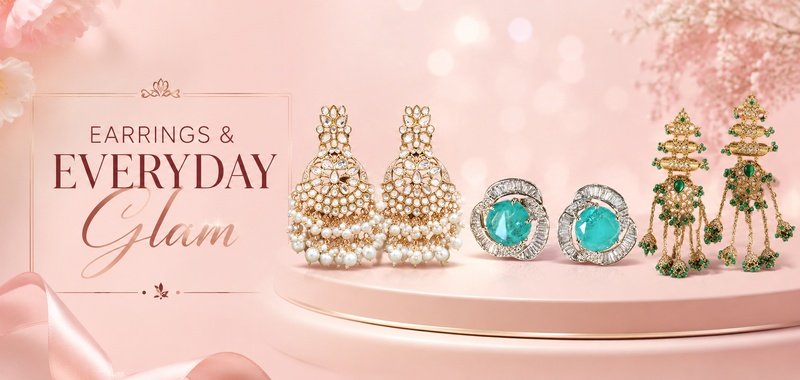
- Casual outings or date nights, where a pair of drop earrings elevates a simple kurta or dress
- Graduation photos and family portraits, where gold tones photograph particularly well
- Everyday wear for those who enjoy incorporating bangles or rings into a daily routine
- Gifting occasions such as baby showers, engagements, or housewarmings, especially smaller pieces like a kumkum box or a single pair of studs
This kind of flexibility is part of why Indian jewelry has moved from being an occasional purchase to a wardrobe staple for many shoppers.
A Few Things That Matter Before Buying Jewelry Online
Purchasing jewelry without seeing it in person requires a certain level of trust in the retailer. A few details tend to separate a reliable online jewelry experience from a frustrating one:
- Clear sizing information for necklaces, bangles, and rings, since standard sizing does not always apply to Indian jewelry
- Photography taken in natural lighting that accurately represents color and finish
- A returns policy that is written clearly and is easy to follow
- Multiple close-up images so buyers can evaluate stone setting and overall craftsmanship
- Genuine customer reviews, ideally including photos, to give a realistic sense of the product
- Checkout that keeps card details and personal information safe
Yashti Jewelers addresses several of these points through detailed product categories, customer reviews on individual product pages, and secure checkout options, details that make a meaningful difference when shopping from a distance.
The Appeal of the Sabyasachi Collection
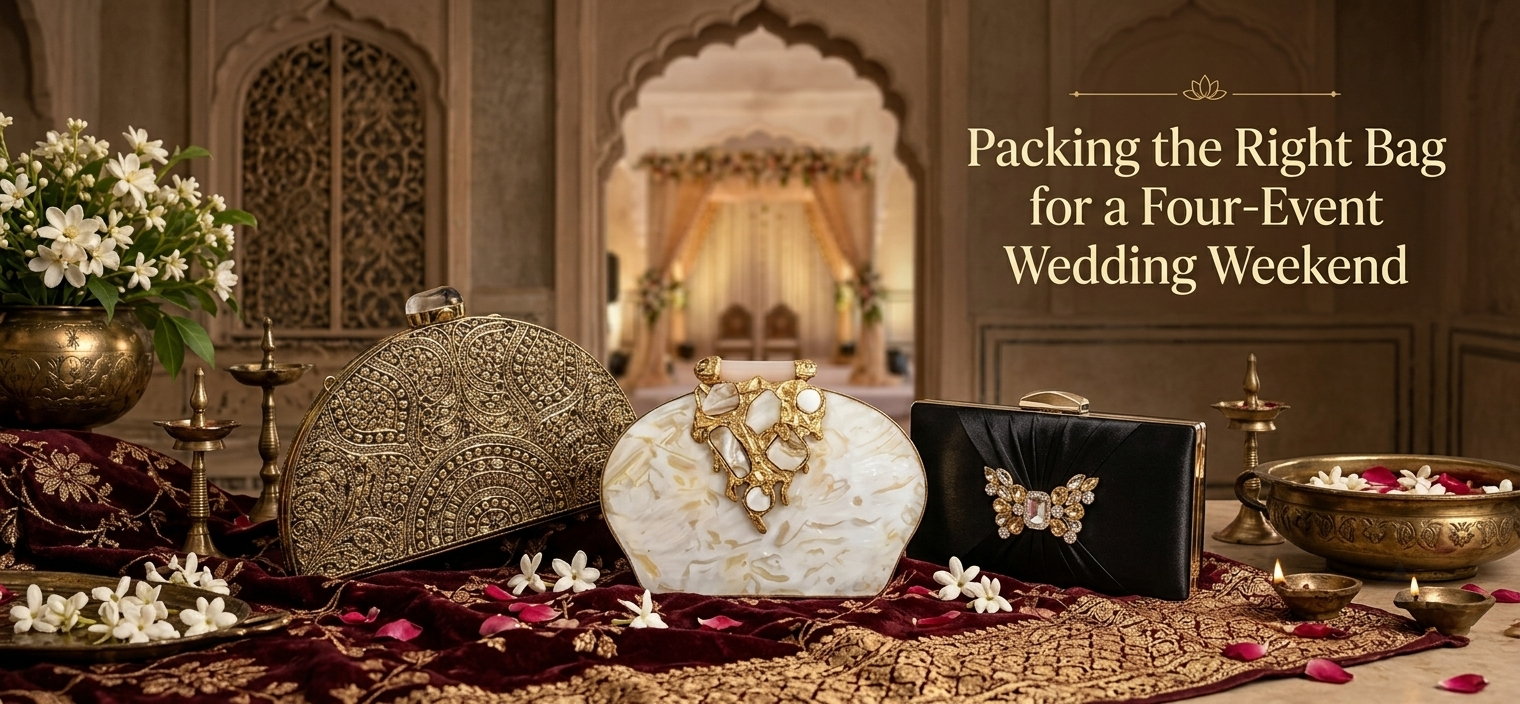
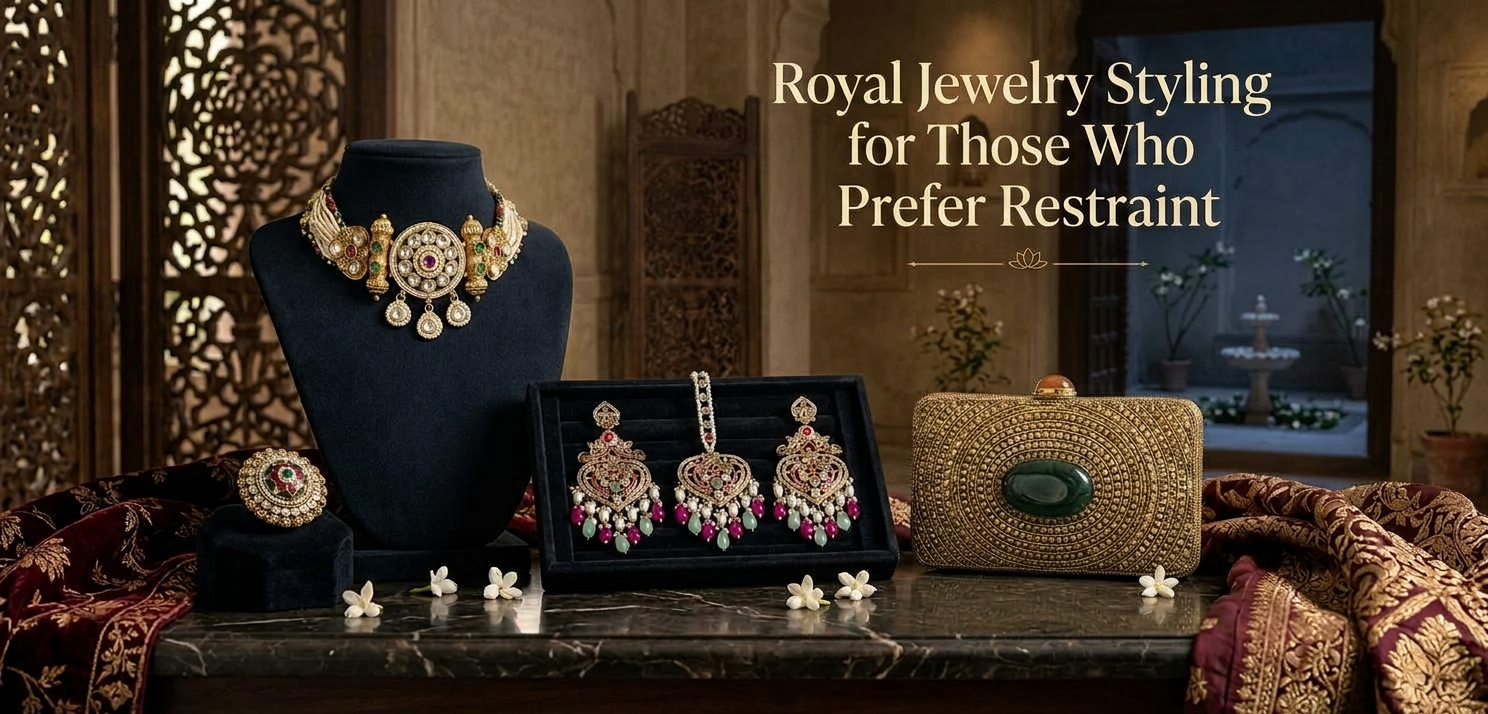
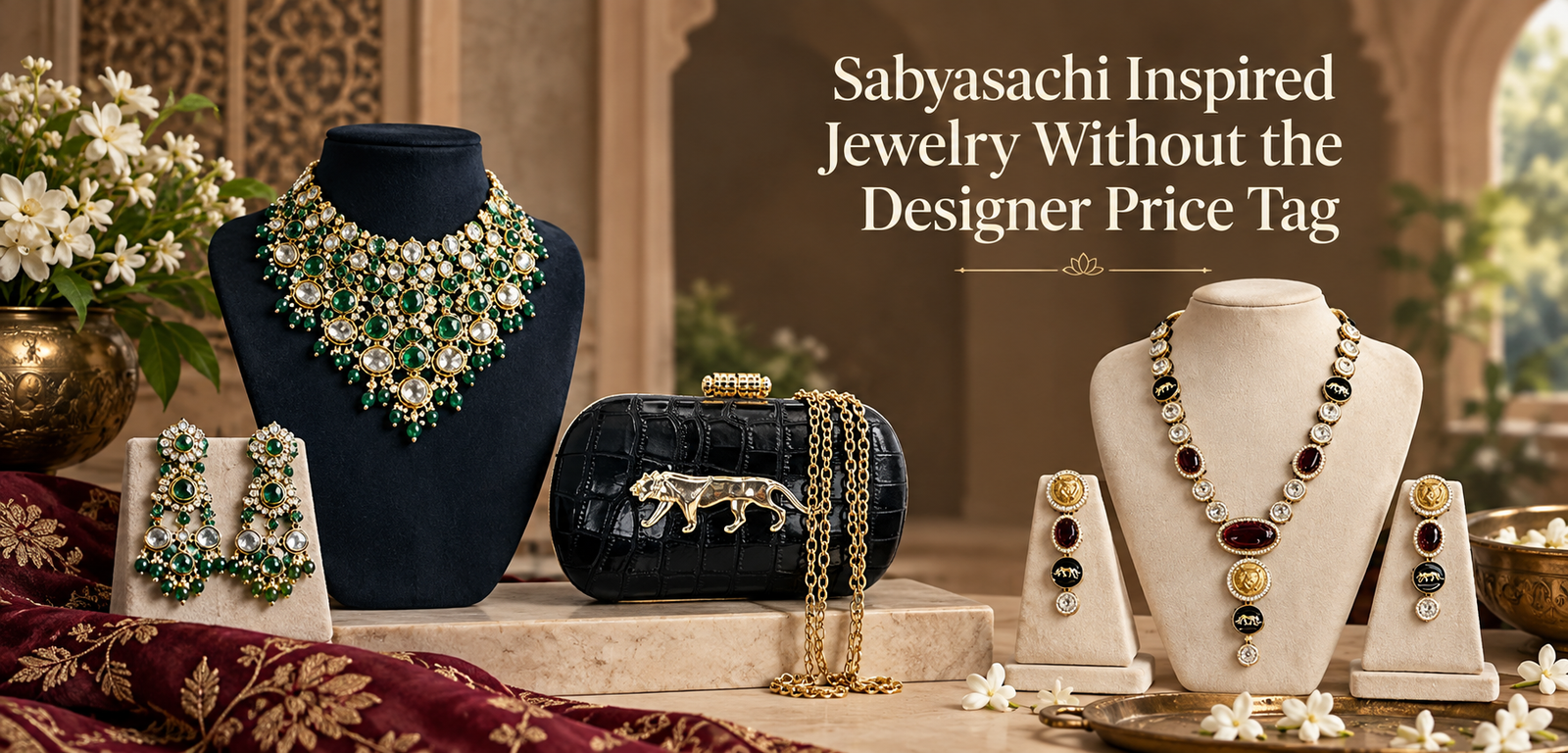
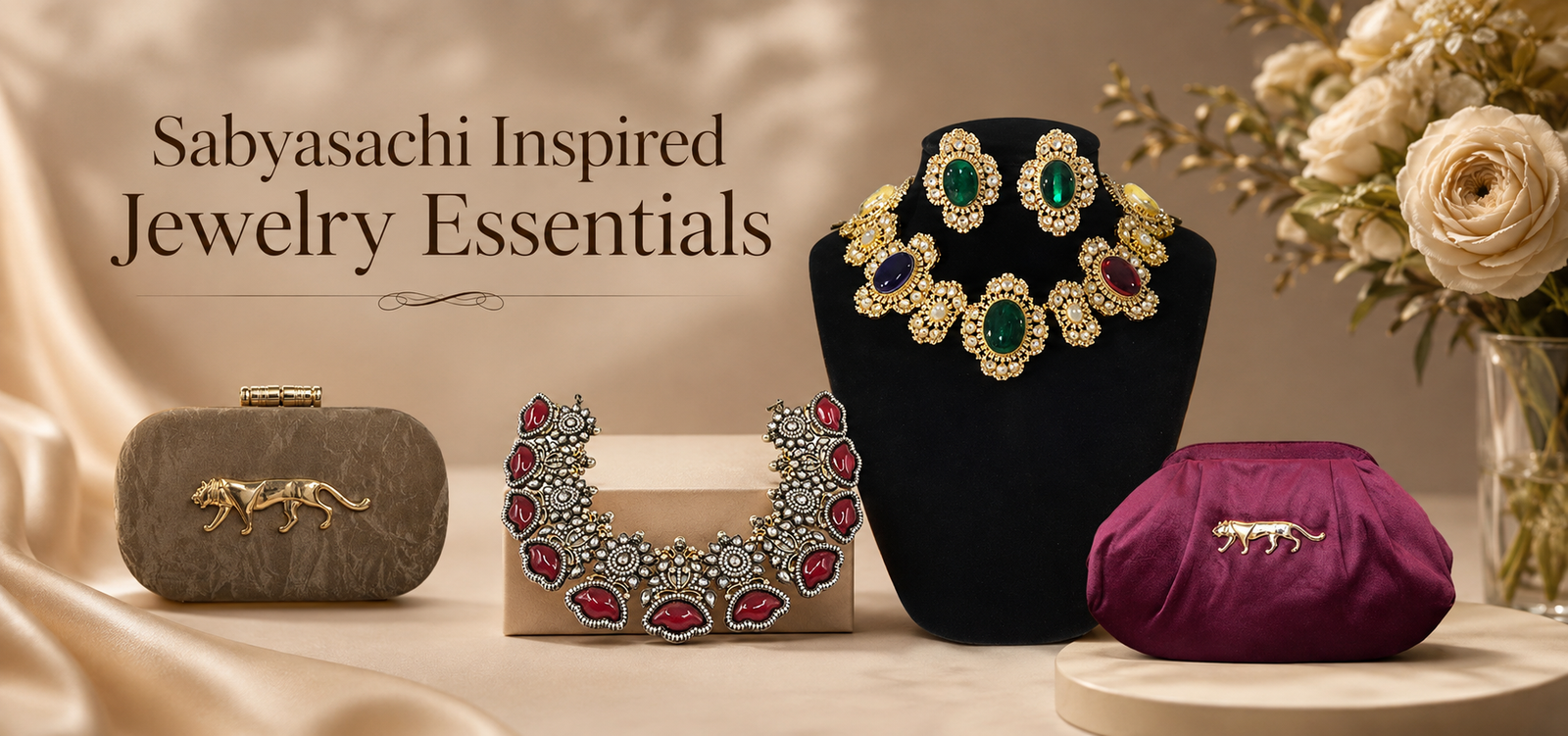
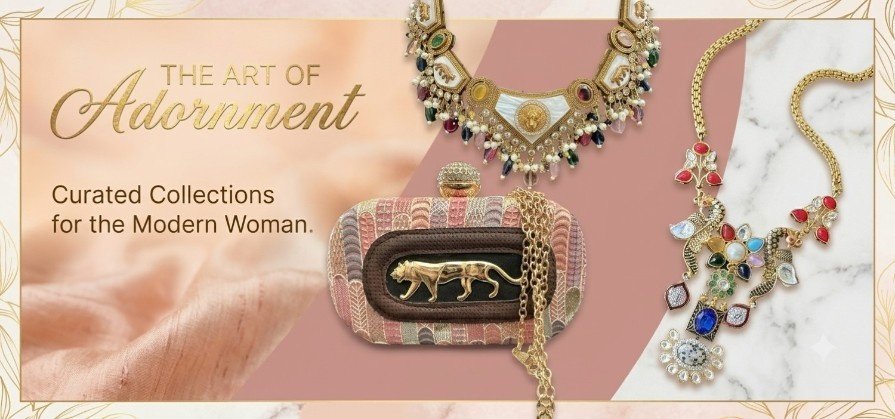
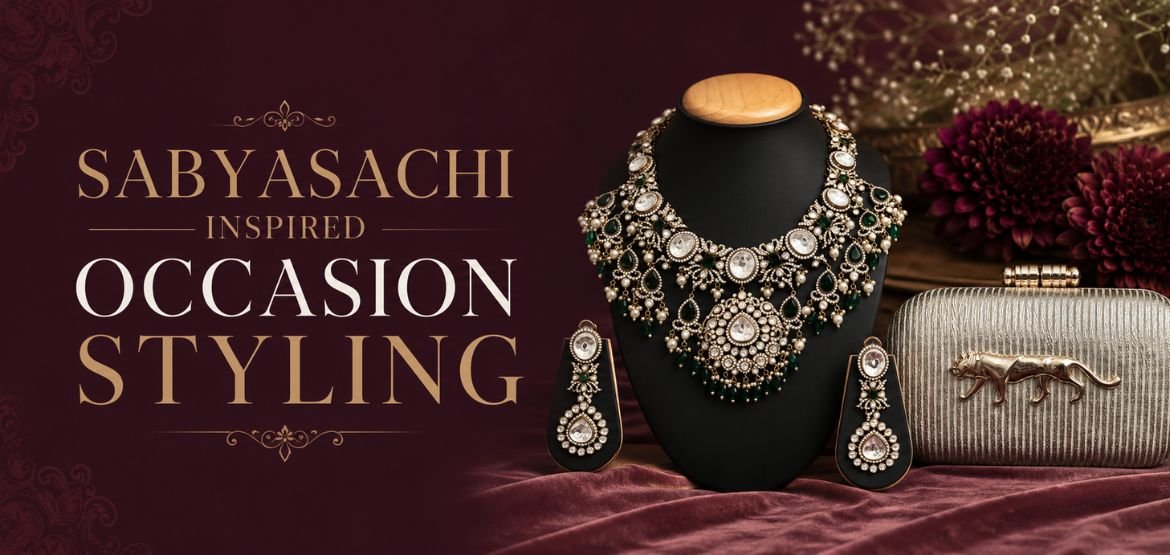
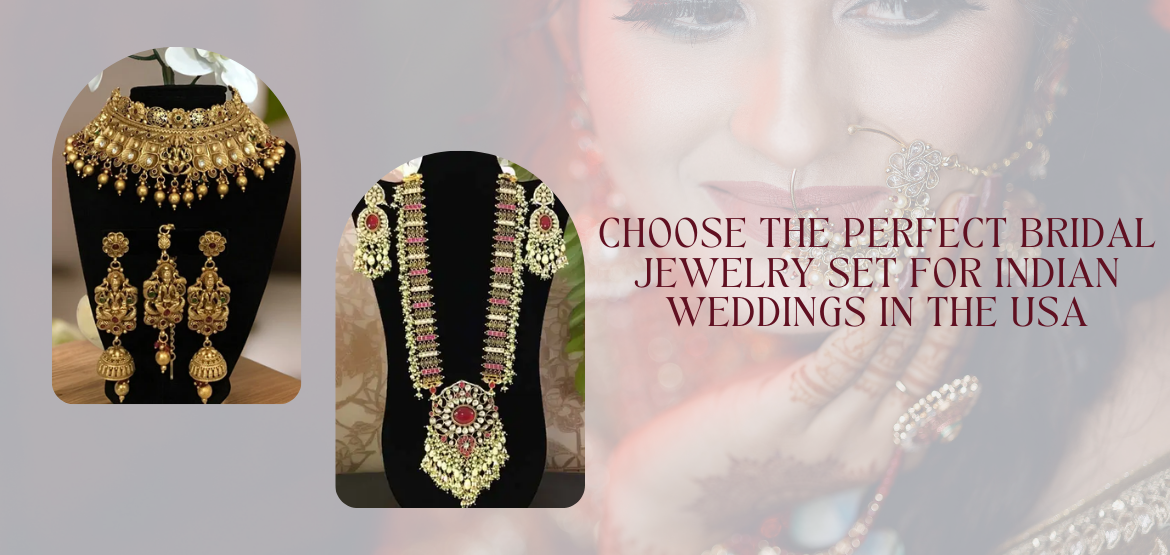
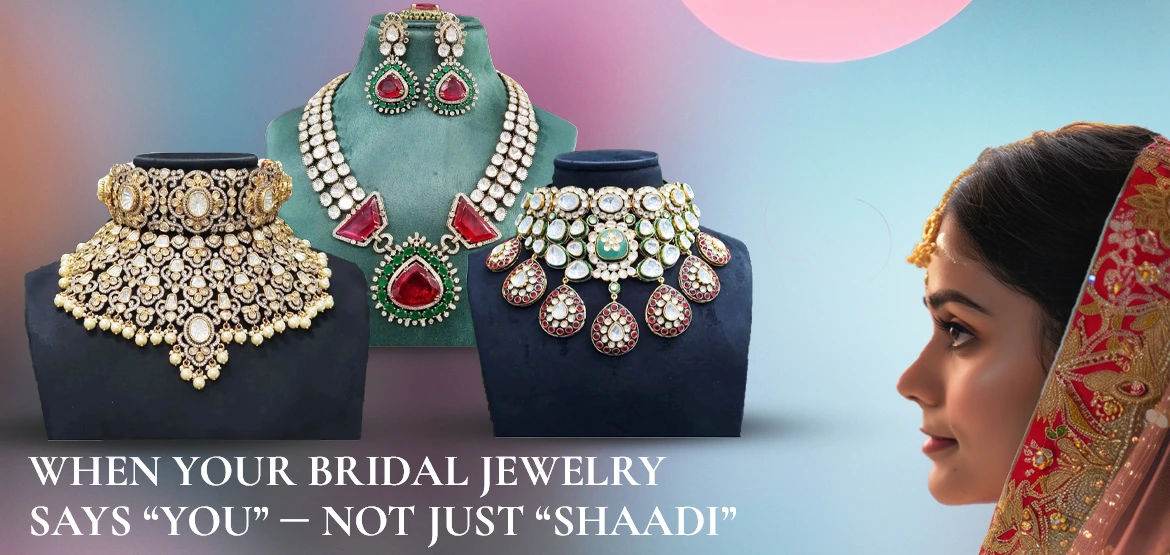
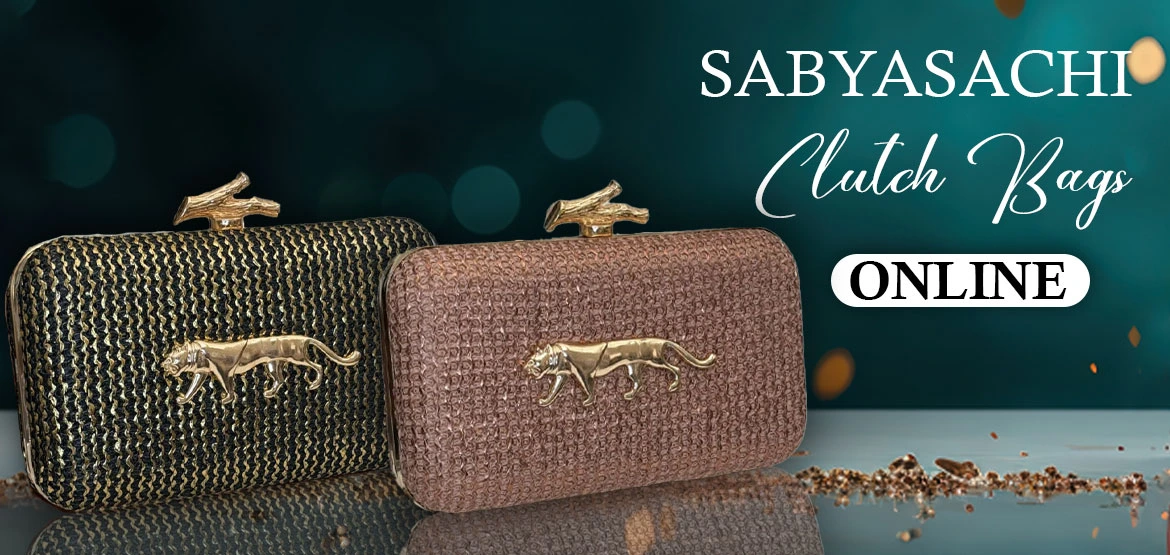
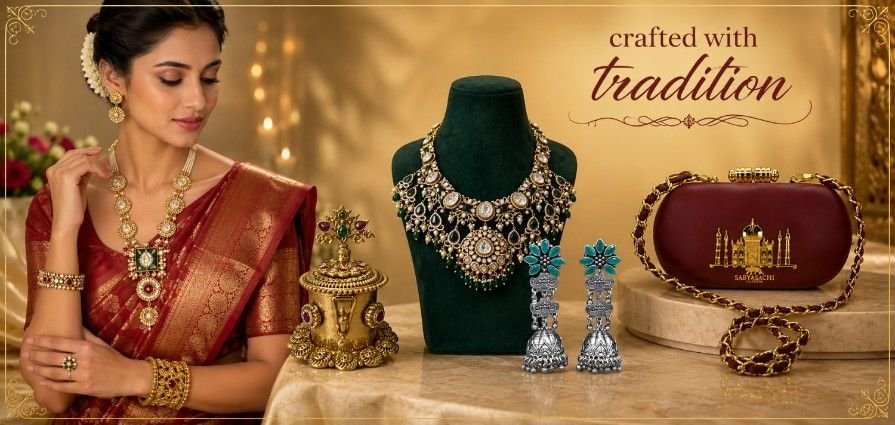
Certain aesthetics carry outsized influence in the world of Indian jewelry, and the Sabyasachi jewellery look is a strong example. Heavy antique gold finishes, layered pearls, and deep jewel tones have become associated with a specific kind of bridal and festive glamour. A dedicated Sabyasachi-inspired collection, spanning both necklaces and clutches, reflects an understanding of which styles resonate most strongly with shoppers seeking that particular aesthetic.
Trends like this typically originate from a specific wedding, film, or designer collection that gains widespread attention before shaping demand across the broader market. Offering pieces inspired by these trends allows shoppers to access a recognizable aesthetic without the price point that usually comes attached to it.
A Note on the Kumkum Box
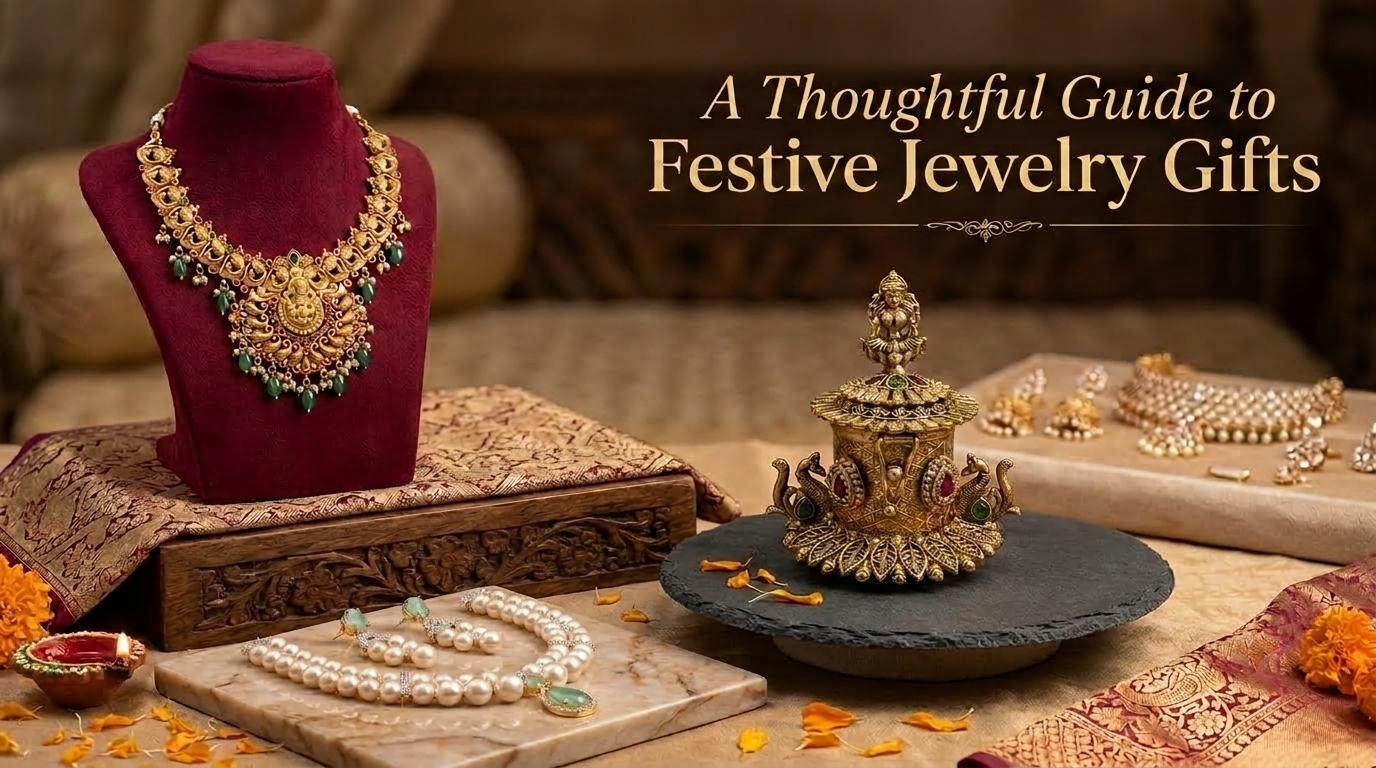
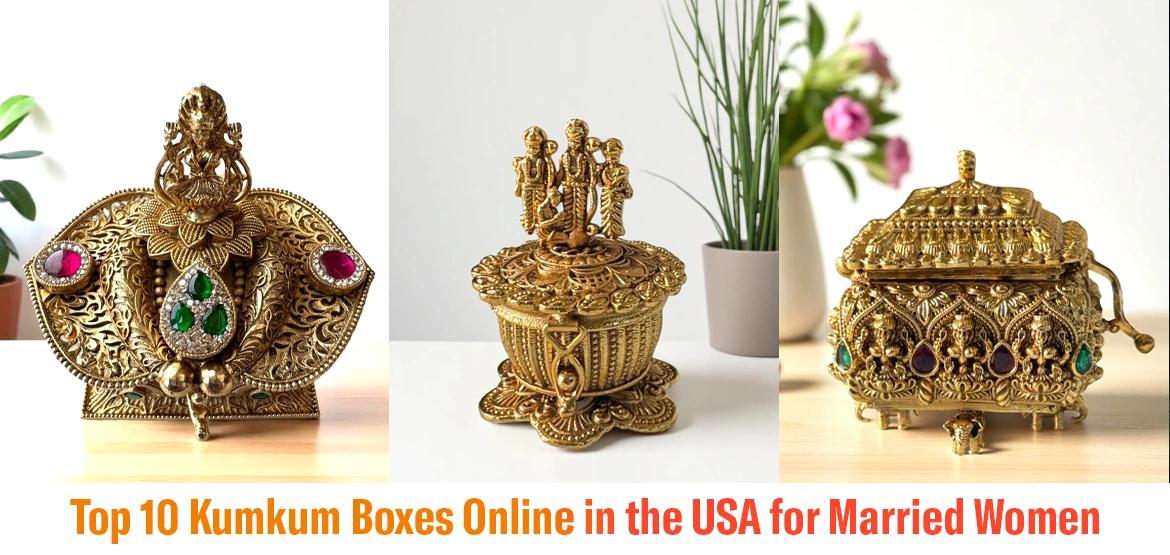
Among all the categories available, the kumkum box is perhaps the most understated. It is not typically photographed for a wedding album or shown off at a gathering. Instead, it sits on a puja shelf, used daily, and often passed down within a family over time. An intricately carved, gold-plated version of something this ordinary is a reminder that meaningful objects do not always need to be elaborate to matter.
Closing Thoughts
Jewelry serves as a quiet, ongoing connection to one's roots, particularly for those building a life far from where they grew up. Whether it's a piece of oxidized jewelry Indian households have passed down for generations or something bought only last month, that connection holds steady. For shoppers across the US who want to maintain that connection without depending entirely on trips back home, access to authentic, reasonably priced Indian jewelry makes a meaningful difference. It shifts the experience from having to plan far in advance to simply placing an order when the need arises, whether that's for a wedding three months out or a festival happening next week.
As more shoppers continue to blend traditional pieces into daily wardrobes rather than reserving them for special occasions, brands that combine authentic craftsmanship with accessible pricing and reliable delivery are likely to remain a steady part of that routine for years to come.
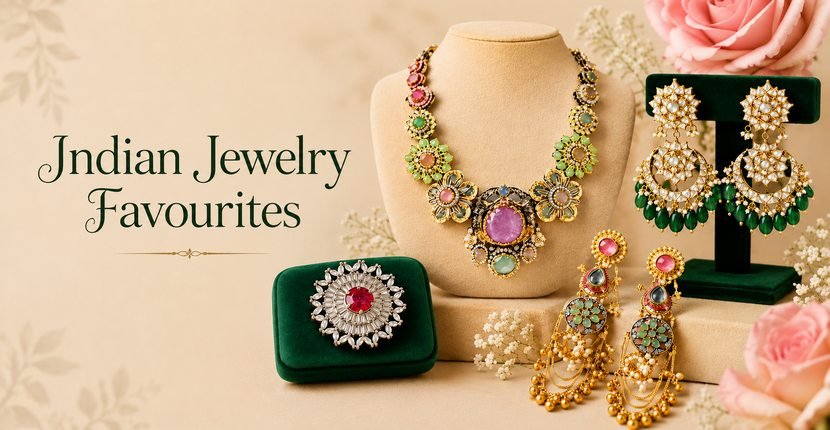
Buy your Indian jewelry favorites here.
FAQs
1. Where does Yashti Jewelers ship its Indian jewelry?
Yashti Jewelers ships across the US, Canada, Germany, the UK, Ireland, and Australia, giving customers abroad access to authentic ethnic jewelry without depending on trips back home or unreliable overseas sellers, especially around festivals and wedding season.
2. What makes Sabyasachi inspired jewelry different from regular jewelry sets?
Sabyasachi inspired jewelry from Yashti Jewelers reflects the designer's signature aesthetic, heavy antique gold finishes, layered pearls, and deep jewel tones, without the price tag usually attached to the original designs. Yashti Jewelers offers these pieces across necklaces and clutches for shoppers drawn to that specific bridal and festive look.
3. What goes into making kundan jewelry pieces?
Yashti Jewelers works with artisans trained in traditional techniques like Kundan, Pachi Kundan, and Meenakari, each requiring years of practice with stones, wax, and enamel work. The brand values these small human variations, and every piece is treated as a continuation of generational craftsmanship rather than a mass-produced accessory.
4. What jewelry categories does Yashti Jewelers offer besides necklaces?
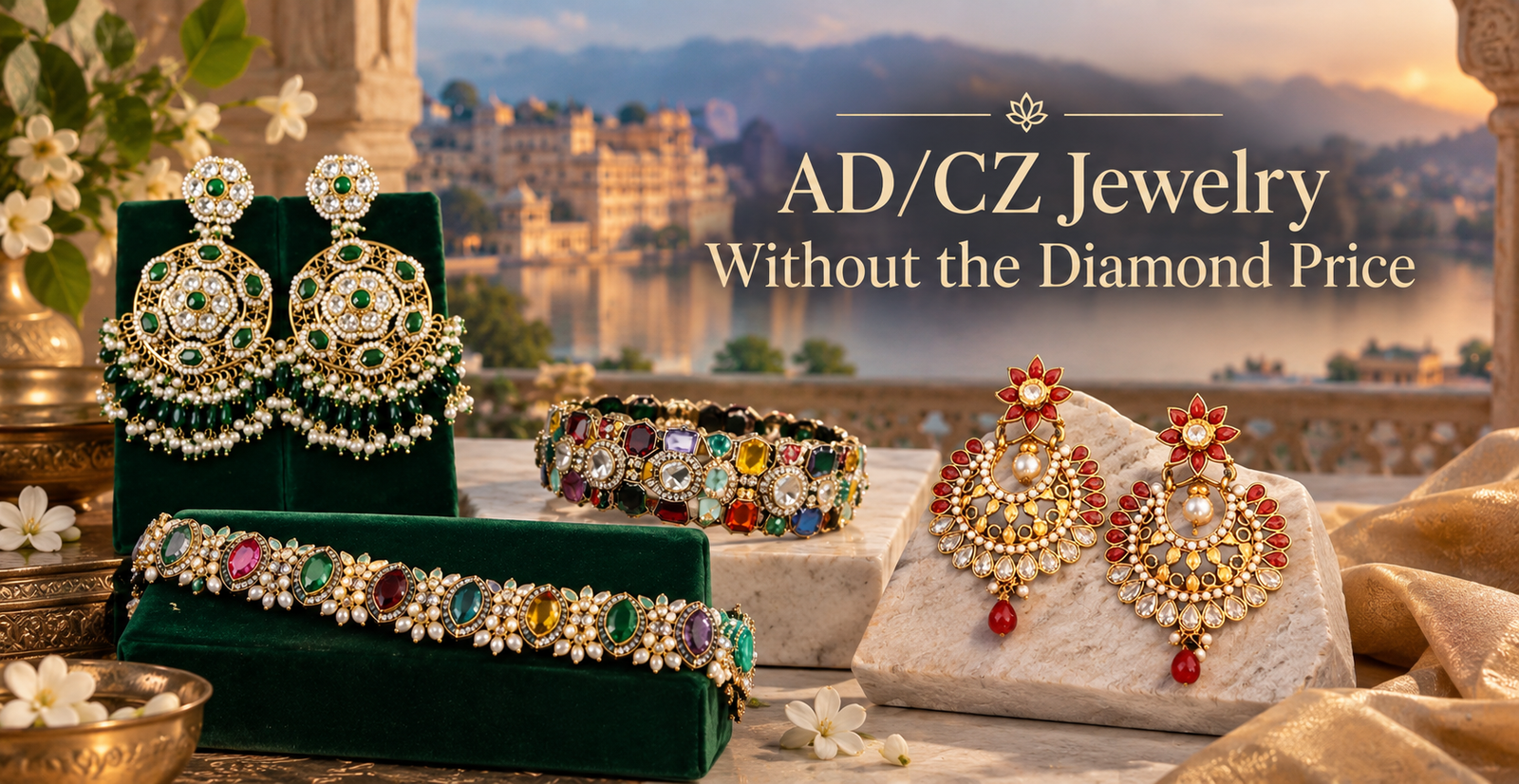
Yashti Jewelers offers a wide catalog including bracelets, earrings, rings, clutches, and the kumkum box, alongside styles like kemp stone, oxidized jewelry, and temple designs. Every category is treated with equal attention, since the brand encourages customers to wear ethnic jewelry regularly rather than saving it only for special occasions.
5. How does Yashti Jewelers help buyers choose the right jewelry online?
Yashti Jewelers provides detailed sizing information, natural lighting photography, multiple close-up images, and genuine customer reviews on every product page. This approach helps buyers evaluate stone setting, finish, and fit before purchasing, making the online shopping experience more reliable despite not being able to see the piece in person.