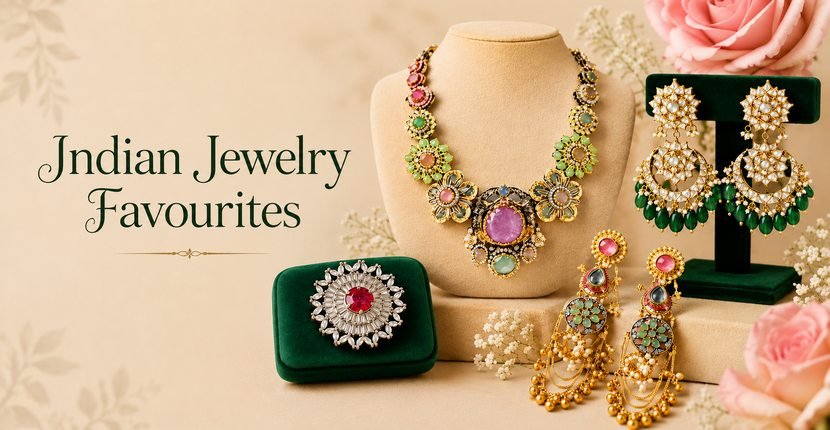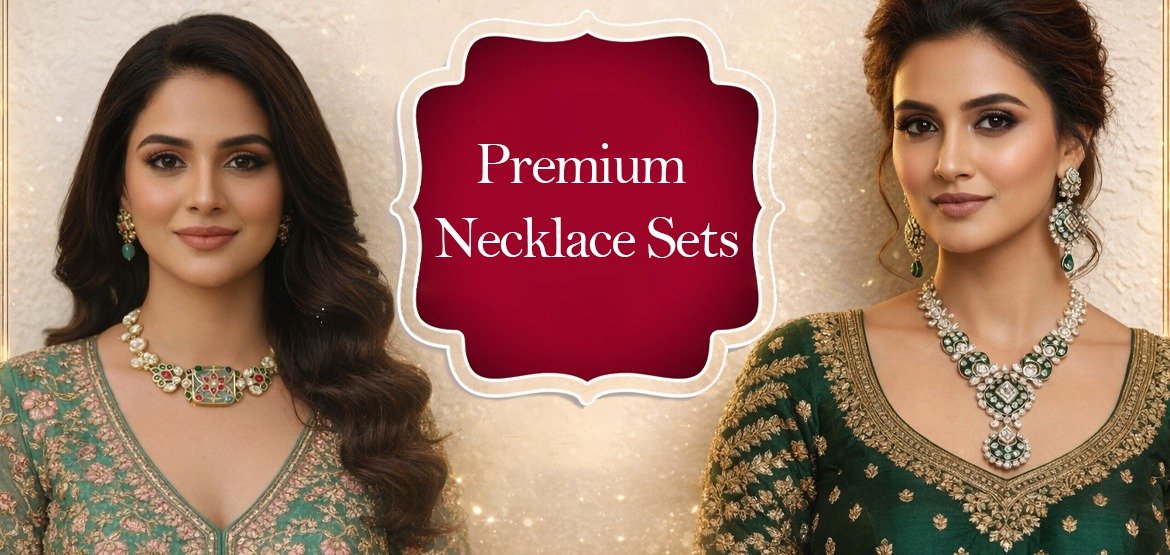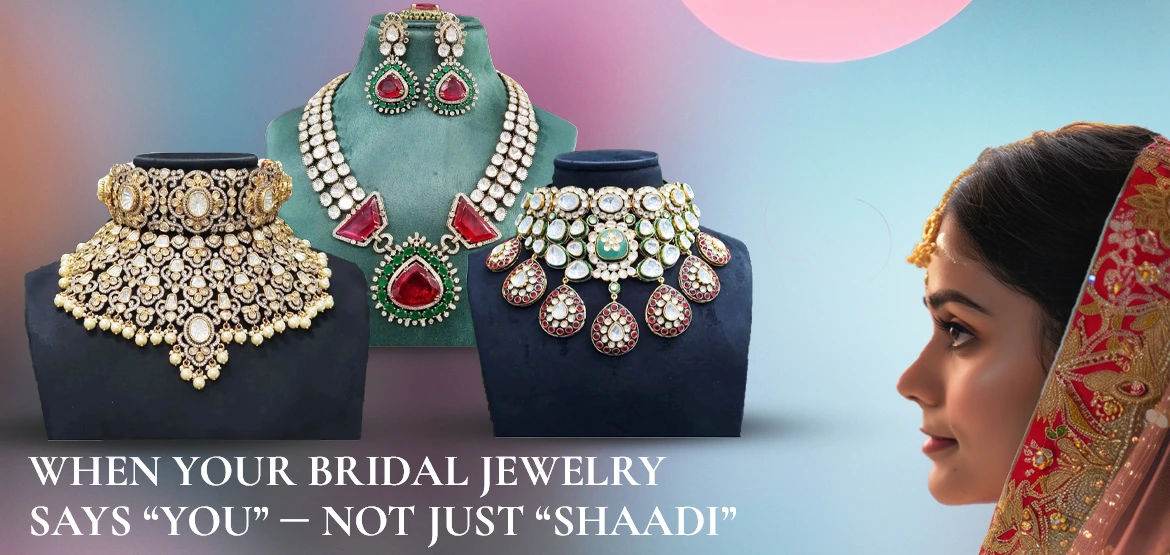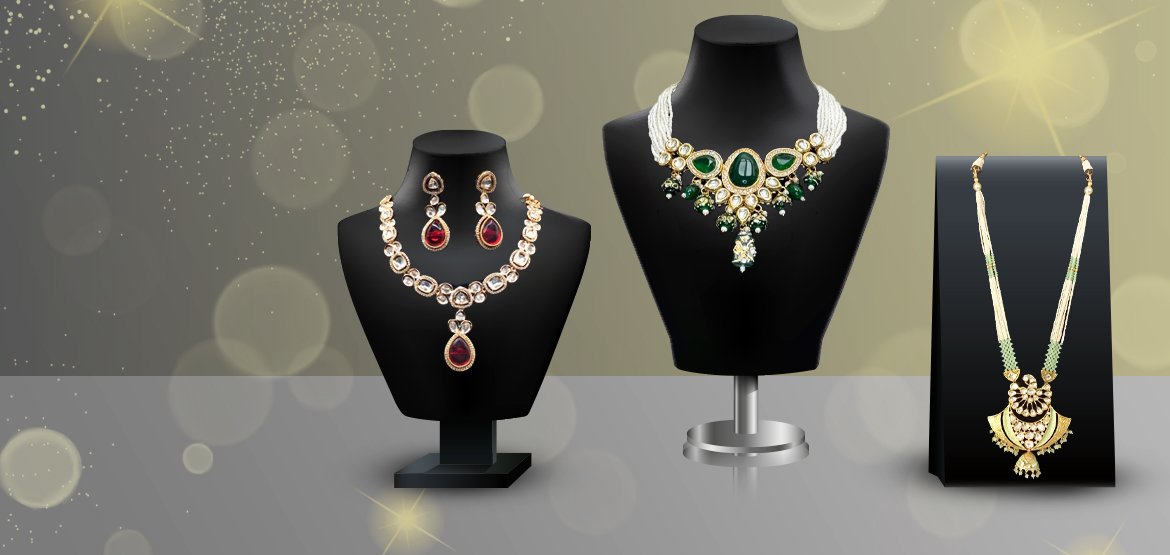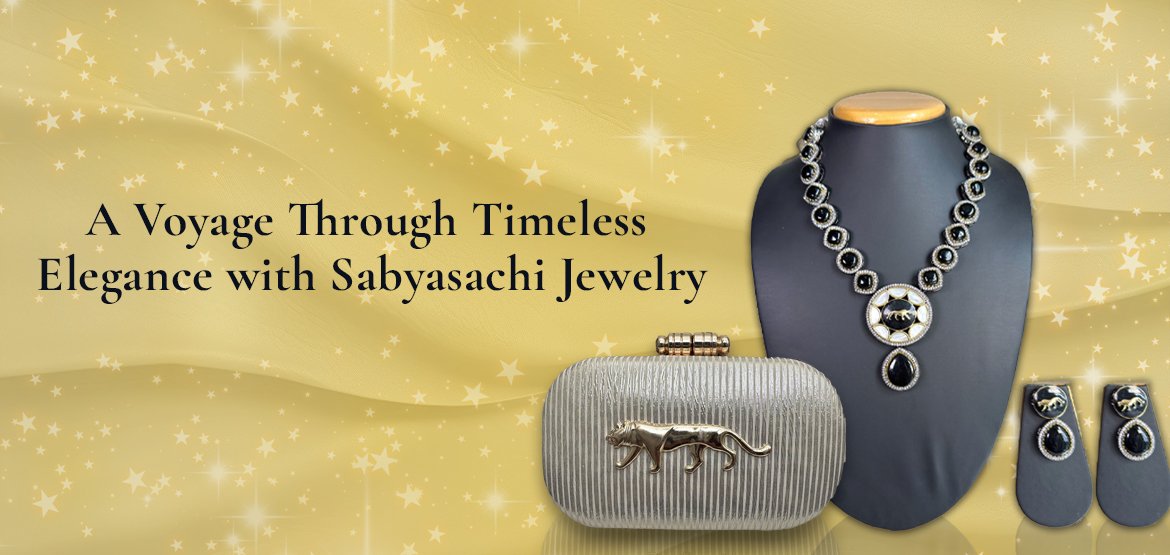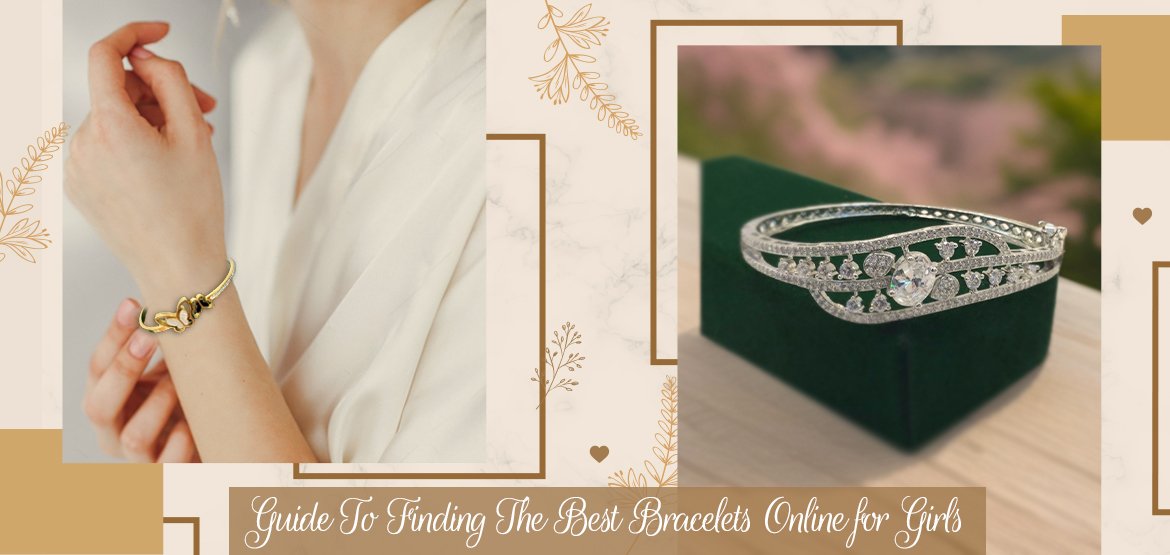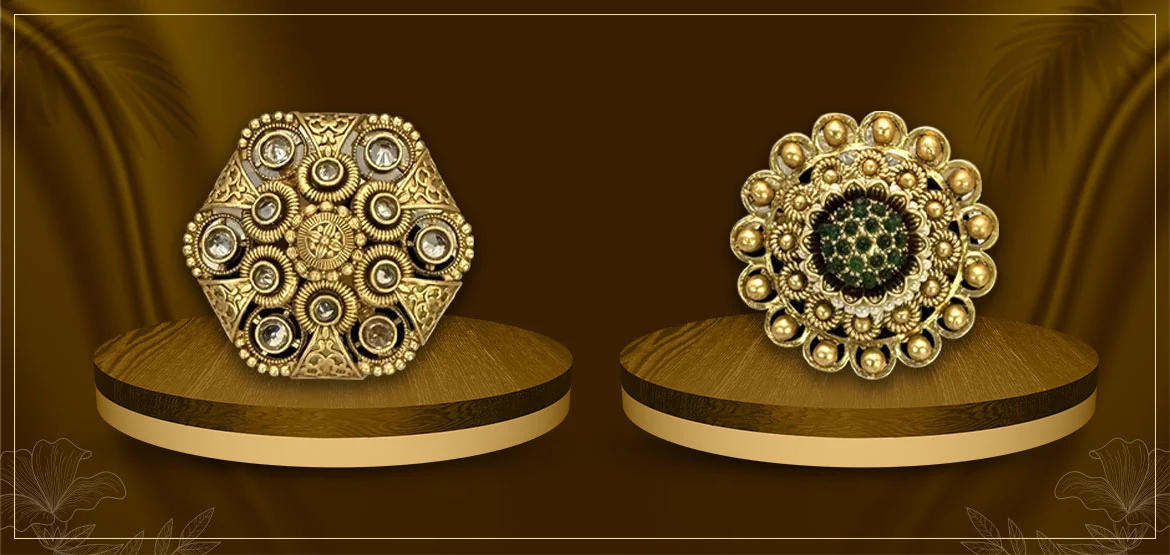
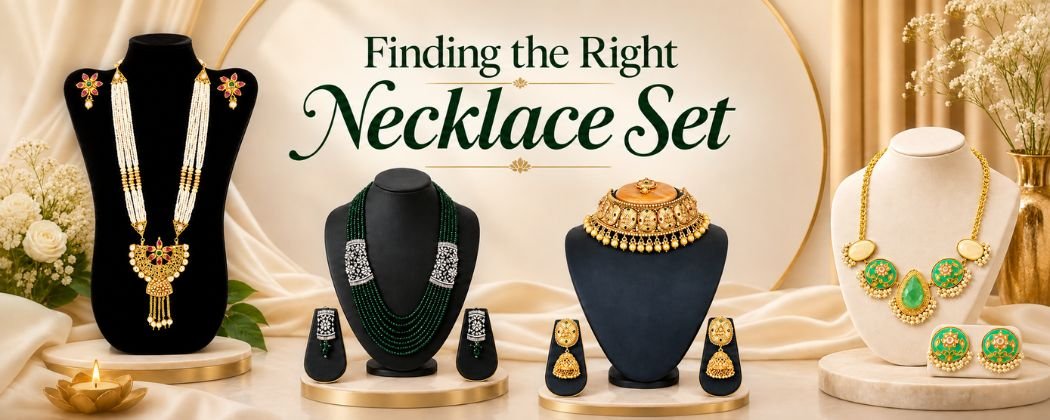
Ask most women about a necklace they still reach for, and there's usually a story attached. A piece bought for a friend's sangeet that ended up getting worn three more times that year. Something picked up on a whim because it matched an outfit perfectly. A set kept aside just for Diwali because it always gets compliments. Jewelry shopping doesn't have to start with how expensive a piece is or what it's made of. It starts with wanting something that fits the moment, without the worry of locking away a small fortune to do it. That's really the appeal of a good ethnic jewelry store stocked with artificial pieces, because a well-made necklace set can do all the same visual work as fine jewelry, at a fraction of the cost and without the anxiety of losing something irreplaceable.
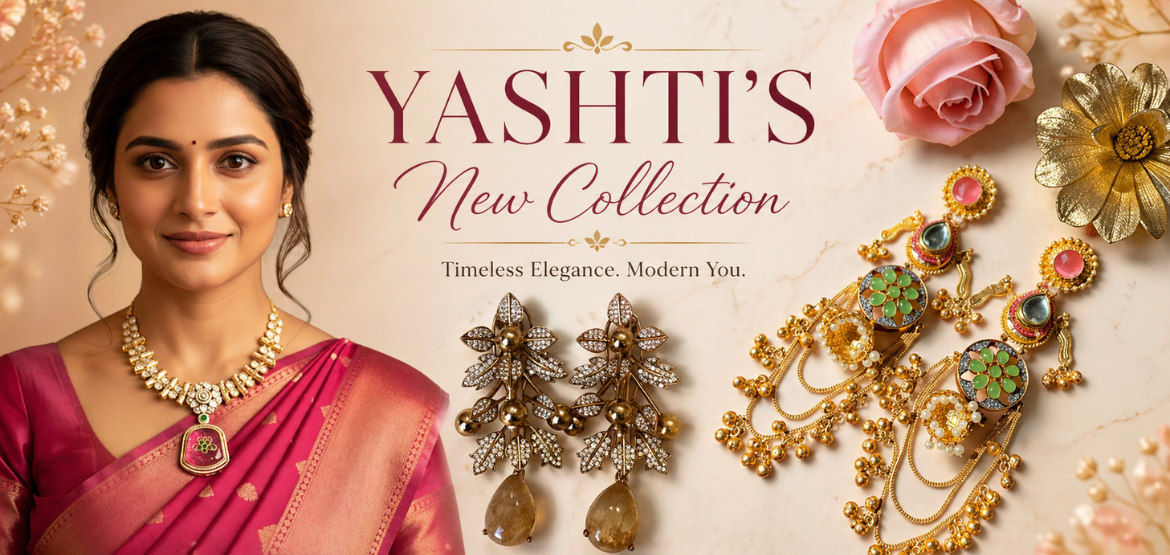
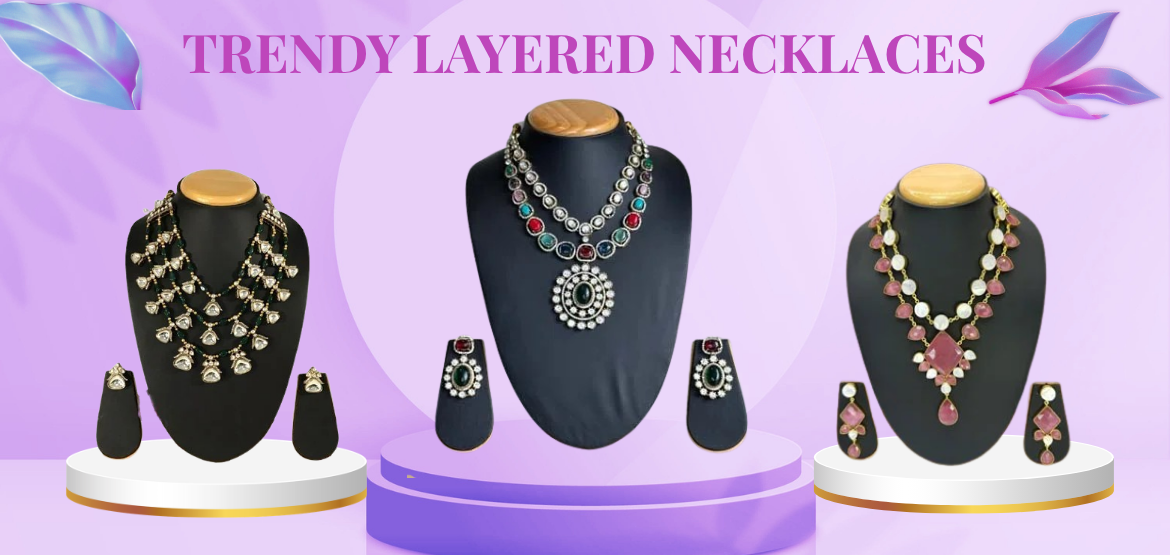
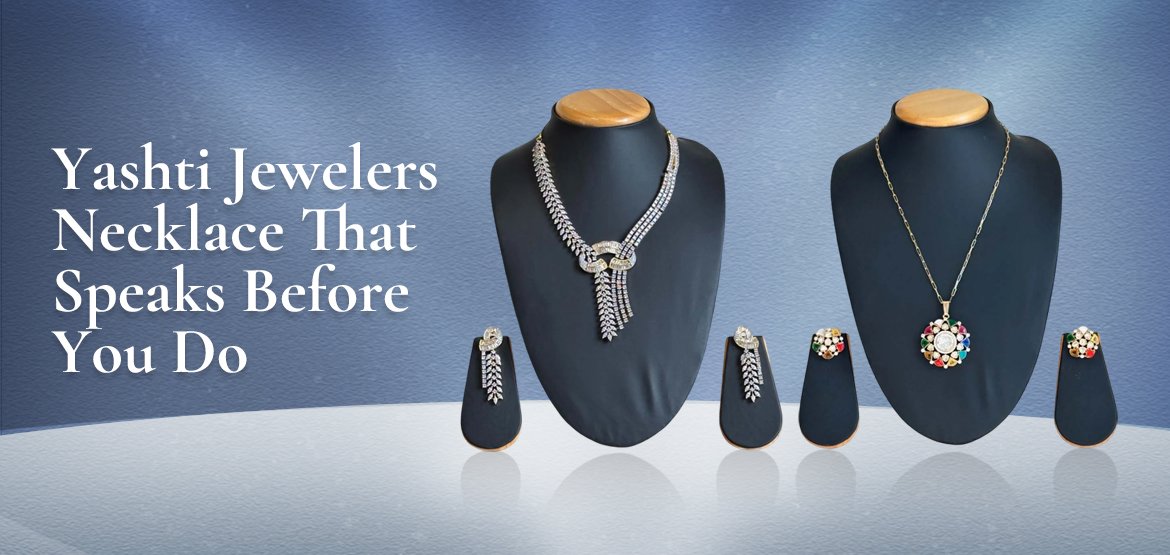
something irreplaceable. Yashti Jewelers has built its necklace range around that idea. The pieces aren't sorted by how much gold plating they carry or what the stones cost. They're grouped, loosely, by the kind of occasion a woman might be dressing for, whether that's something old-world and quiet or something loud enough for a stage, all without the price tag of real gold or precious stones.
The Case for Keeping Something Old New Again
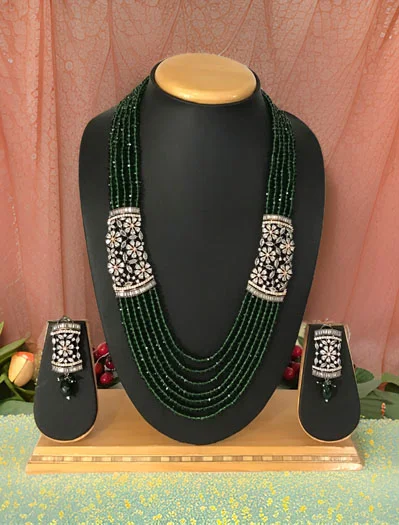
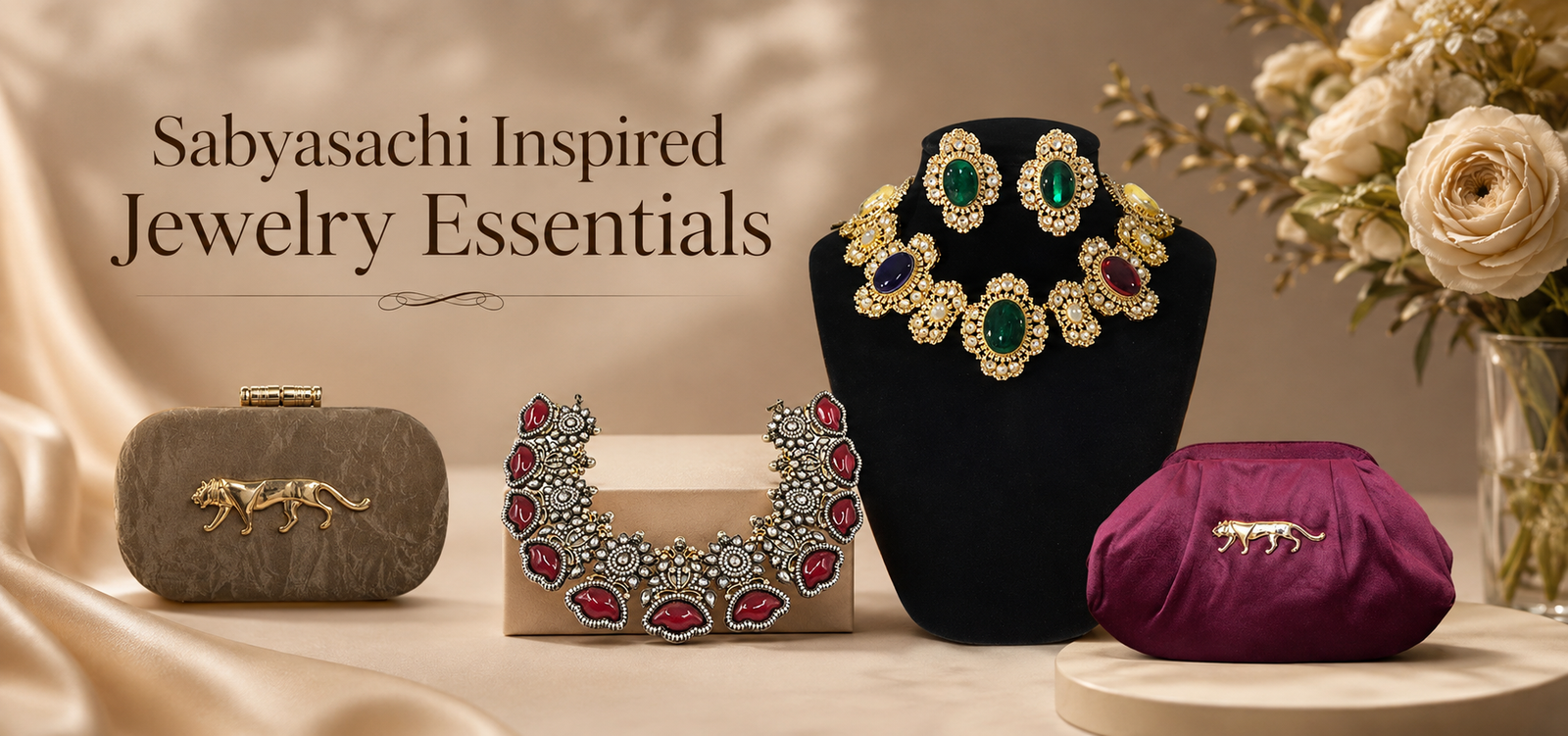
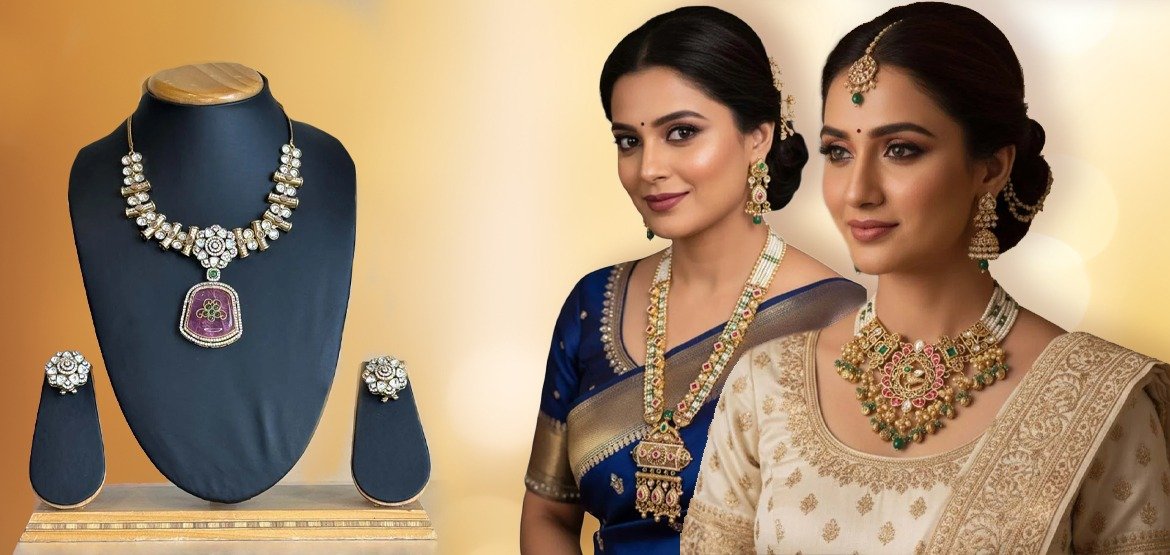
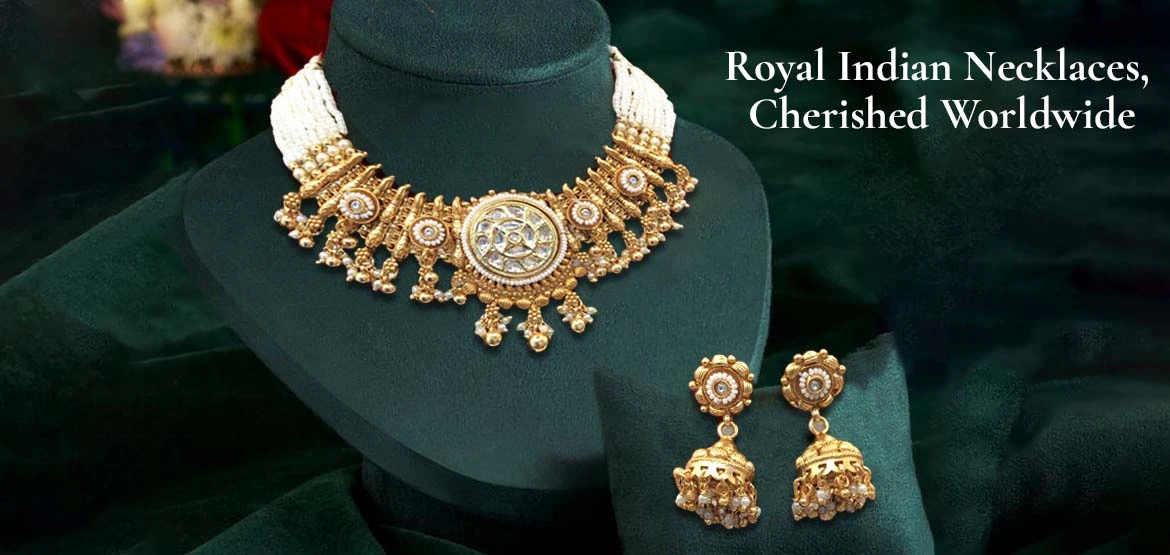
There's an odd kind of comfort in jewelry that already looks lived-in, even when it's fresh out of the box. That's not an accident with a vintage gold set. It's built that way on purpose, an oxidized or antique-finish plating over a brass or alloy base, the kind of toned-down, less-shiny look real gold almost never has when it's new anyway.
A few things buyers tend to notice about this category:
- The antique plating photographs well against silk, but also against plainer, more minimal outfits, which isn't true of every heavy-looking piece
- The engraving style mimics older hand-worked techniques rather than the flat, machine-cut finish common in newer imitation designs
- Buyers now often pick it up specifically for pre-wedding functions or friends' weddings, since there's no hesitation about wearing it somewhere it might get lost or damaged
- It doesn't really follow a trend cycle, so it tends to stay wearable well after the season it was bought in
There's a version of this argument that goes: everything eventually looks dated. Maybe. But antique-finish plating seems to be one of the rare exceptions, or at least it's held up that way so far, and replacing it later doesn't come with the weight of losing an heirloom.
Jewelry Built for Grand Moments
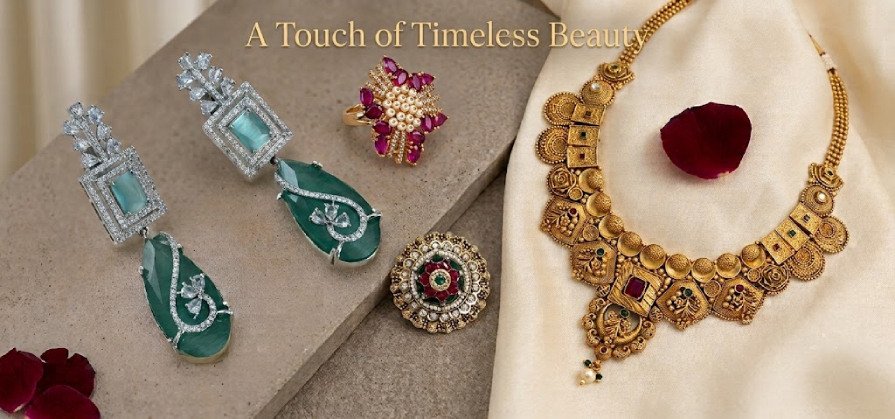
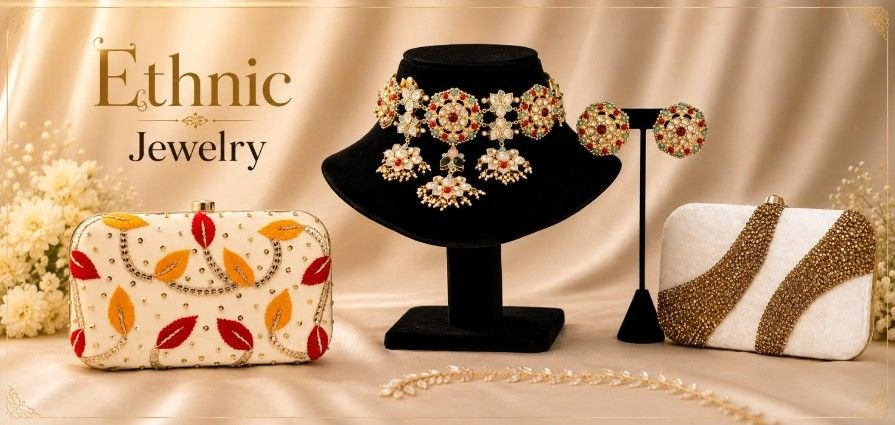
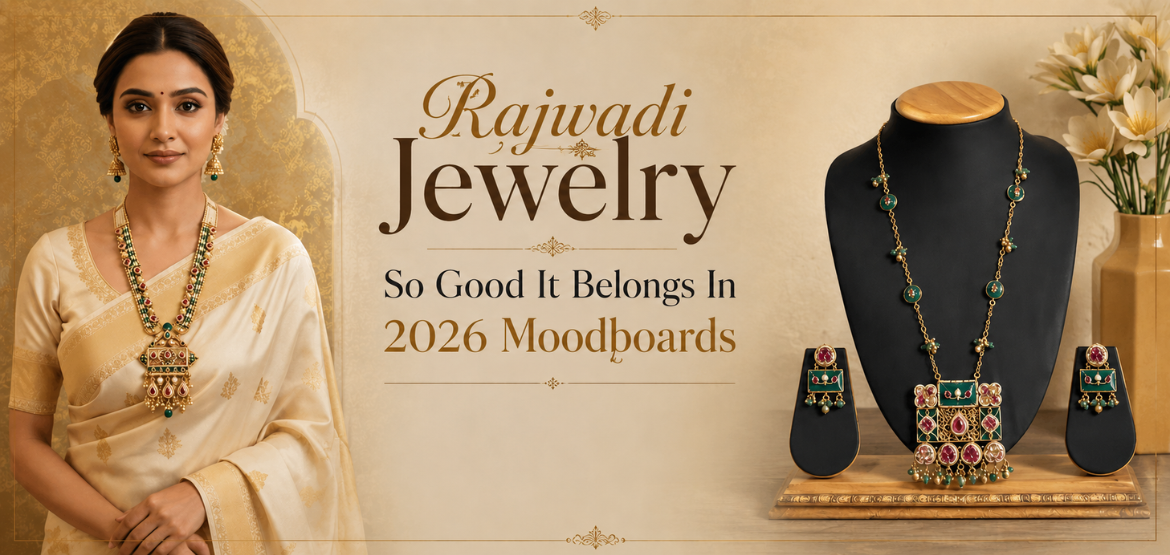
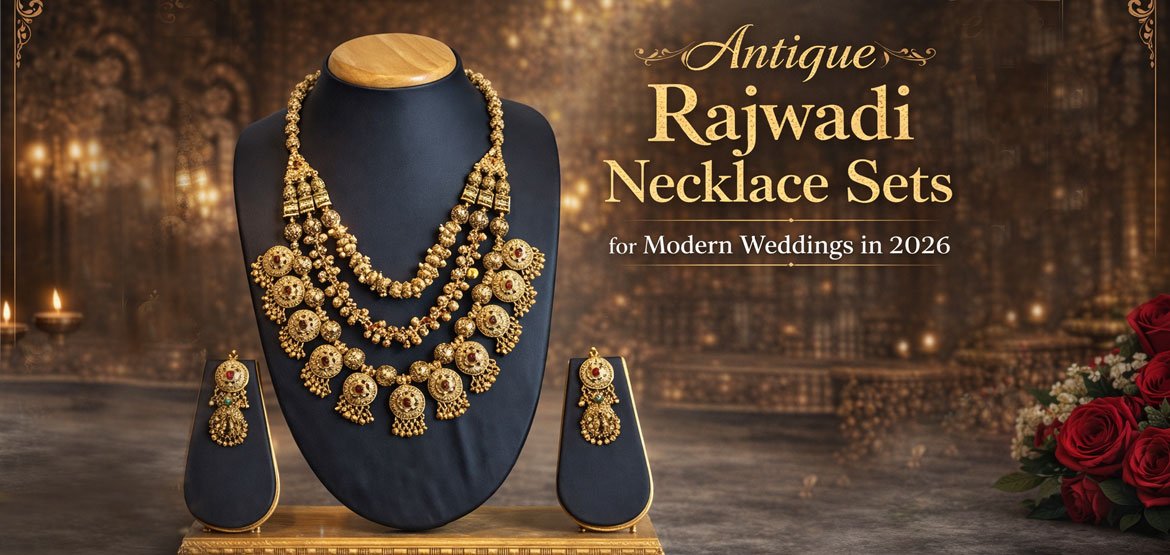
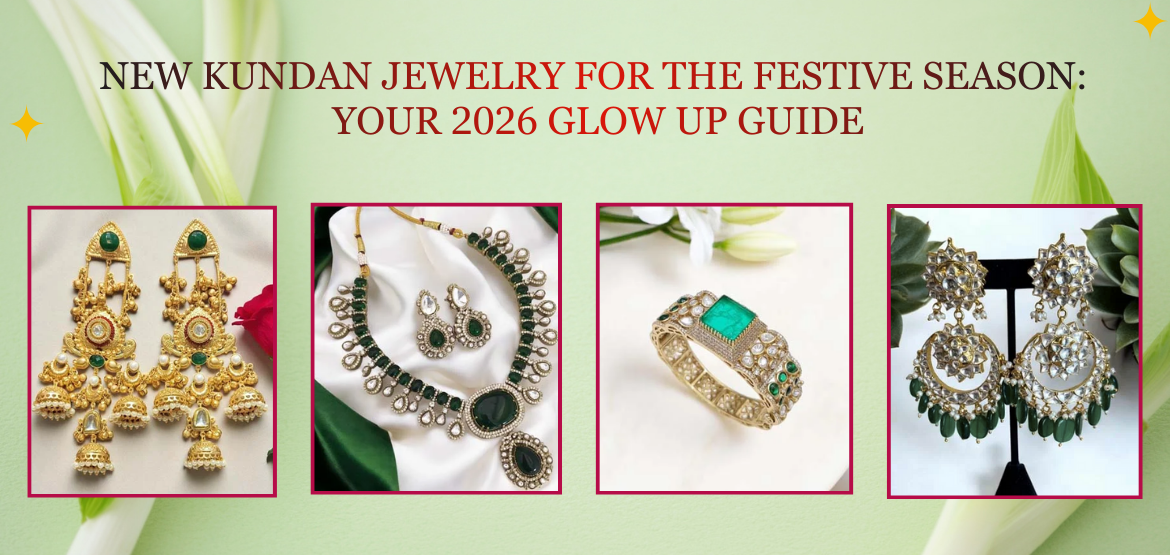
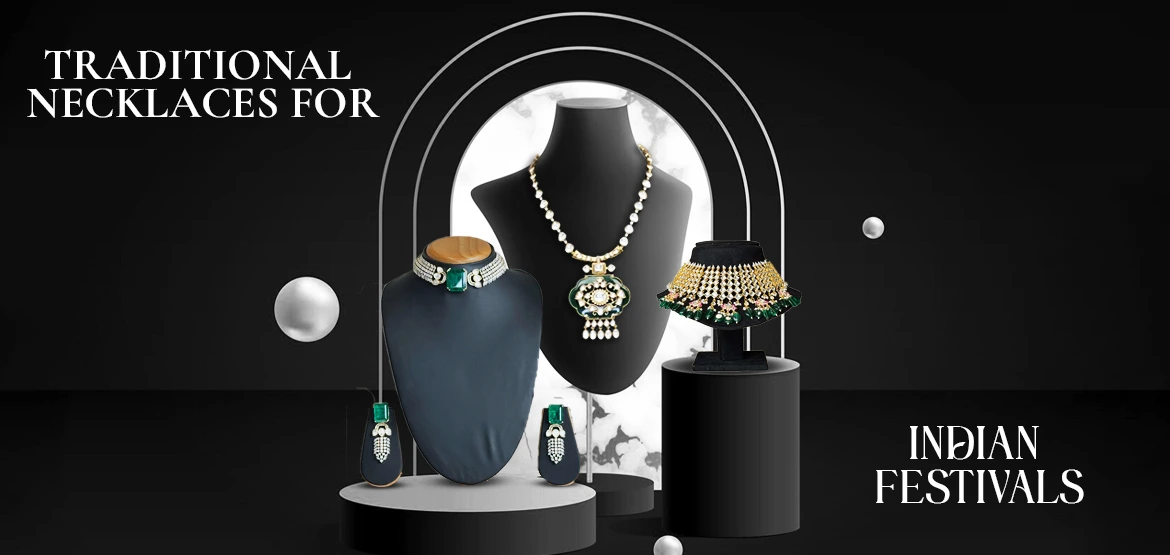
Subtlety was never really part of the plan with rajwadi jewelry. It traces back to the old Rajasthani courts, where a necklace was meant to make itself known, layered chains, pendants big enough to catch attention from the back of a hall, stones positioned to throw light around the room rather than just sit there. Buying it in artificial form means none of that scale comes with the price tag real Kundan or Polki would carry, which is honestly half the reason it works so well for sangeets and receptions, occasions where the outfit's already turned up loud and the jewelry needs to keep pace instead of vanishing into it. One thing worth knowing before pairing it, though: it doesn't actually pair best with an equally busy lehenga. Put it against a plain jewel-toned saree instead, and the necklace gets room to actually be seen.
The Understated Power of Pearls
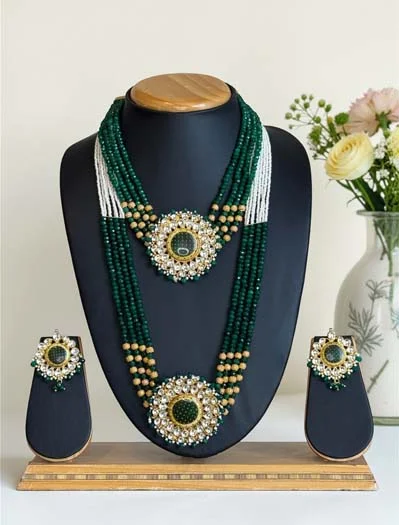
Not every event calls for volume, and pearls prove that easily. Made with shell or glass pearls instead of the cultured kind, Indian pearl necklace sets still manage to pull off that old-money, formal look people usually associate with real pearls. That's probably why they turn up so often at engagements, office festive parties, and daytime functions, the kind of events where polished beats loud.
Younger buyers especially seem to be leaning this way lately, picking layered faux pearl strands with a plain plated clasp over anything more elaborate. There's a reason for that beyond just looks. A piece like this doesn't really date the way trend-driven jewelry does, and it's priced low enough that picking up two or three variations instead of just one isn't really a decision that needs much thought.
Necklaces That Carry Regional Identity
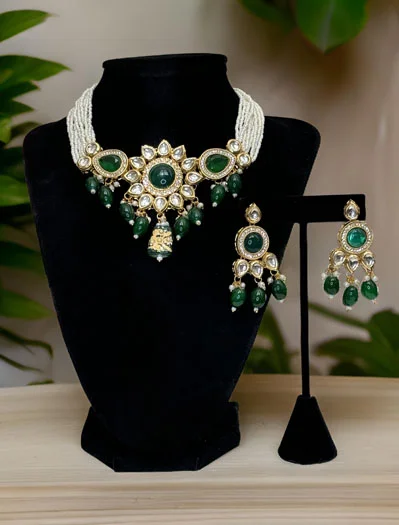
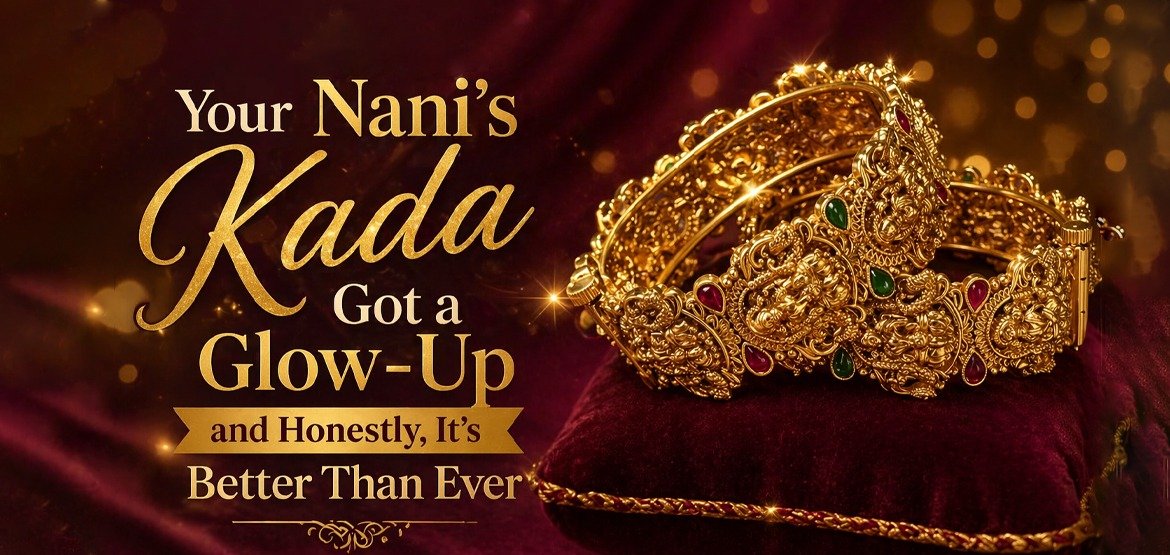
Some jewelry styles bring their origin with them no matter where they're worn, and the temple necklace makes that case better than most. It draws directly from South Indian temple carvings and devotional artwork, goddess figures shaped into the pendant, gopuram-style outlines, all set in a deep antique gold-toned plating over a base solid enough to carry the detailing without ever looking thin or fragile.
Where this gets interesting is how far it's traveled beyond its original context:
- Once reserved mostly for Bharatanatyam performances and temple visits, it's now a regular fixture at weddings and festive events nationwide, real or artificial
- South Indian buyers often build it into their festive rotation, sometimes paired with a Kanjeevaram saree
- North Indian buyers pick it up too, often for Diwali or Navratri, as something different from the Kundan or Polki pieces already sitting in their collection
- The antique gold-tone plating and devotional detailing give it a look that's not easy to confuse with anything else on the shelf, even without real gold underneath
No single region really owns it anymore, and that's arguably the more interesting part of the story.
A Quick Recommendation Guide
For anyone short on time, here's roughly how these styles tend to map onto occasions.
| Occasion | Recommended Style | Why It Works |
|---|---|---|
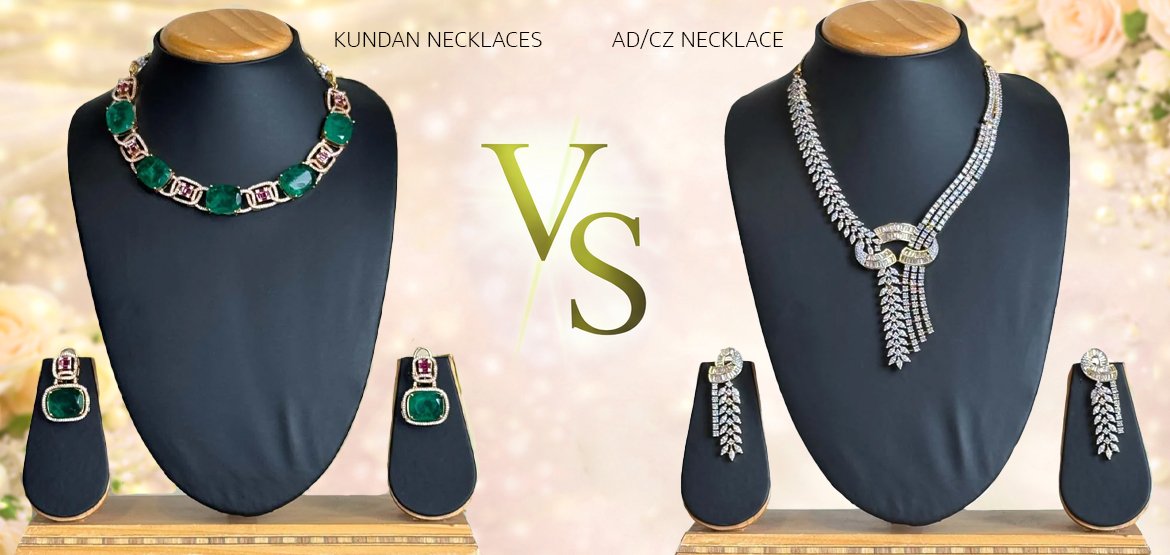
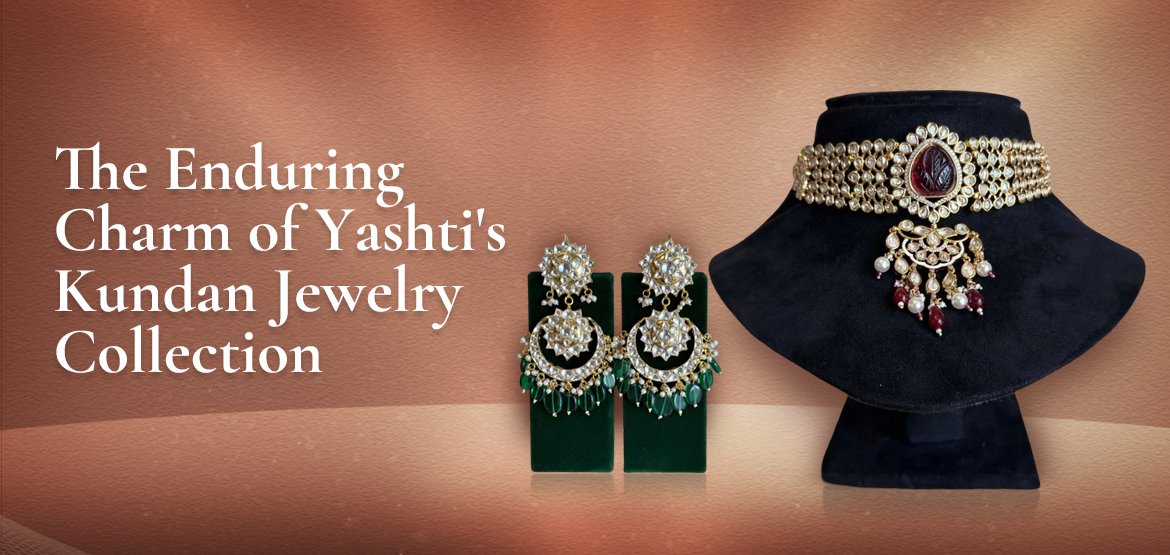
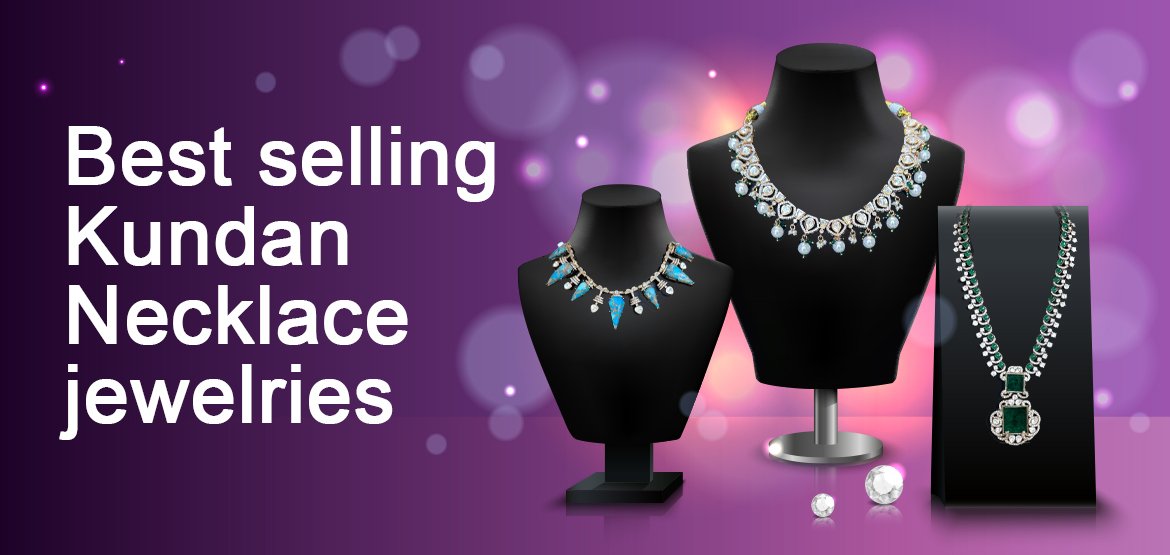
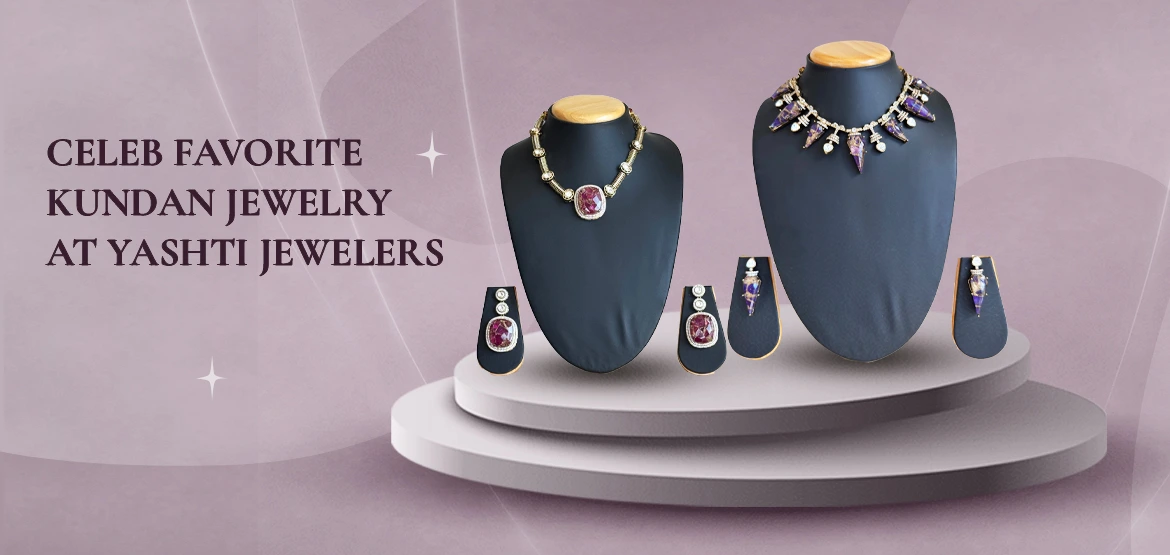
| Main wedding functions | Kundan Necklaces | Bold look and detailing that holds up against heavier outfits, without real gold's cost |
| Sangeet or reception | Rajwadi jewelry | Layered stonework that reads well even from a distance |
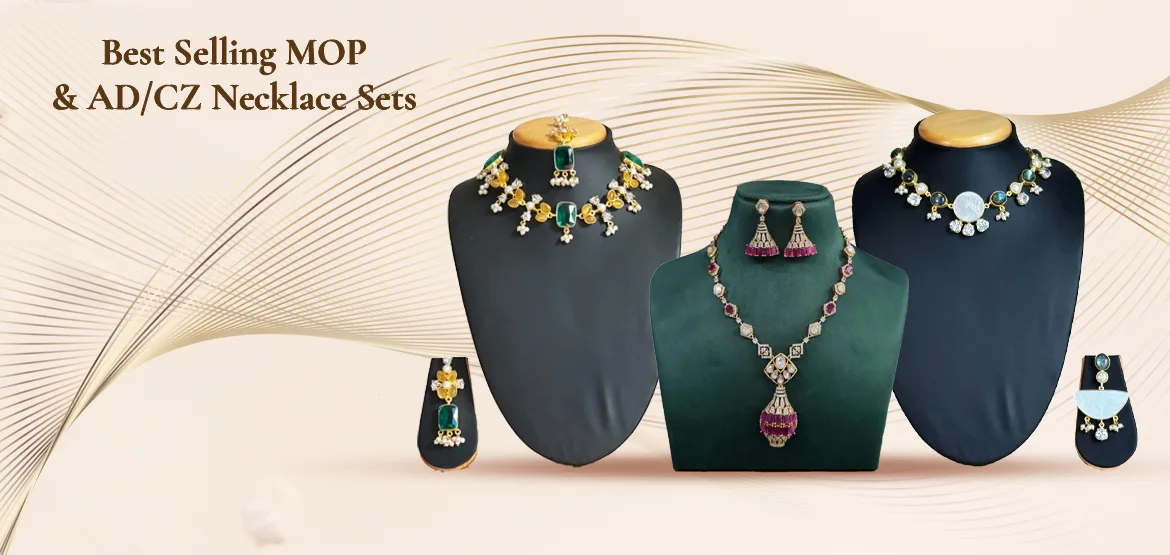
| Engagement or daytime function | Indian pearl necklace sets | Quiet, formal elegance without competing with the outfit |
| Pre-wedding events | Victorian sets | An antique-finish plating that photographs well and ages slowly |
| South Indian festive wear, or Diwali and Navratri | Temple necklace | Devotional motifs and deep gold-tone plating rooted in regional heritage |
| Mehendi or color-heavy functions | Meenakari jewelry | Enamel color that carries the look without extra stonework |
Choosing With Intention
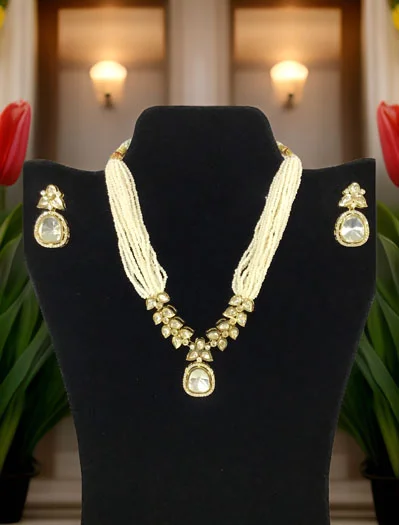
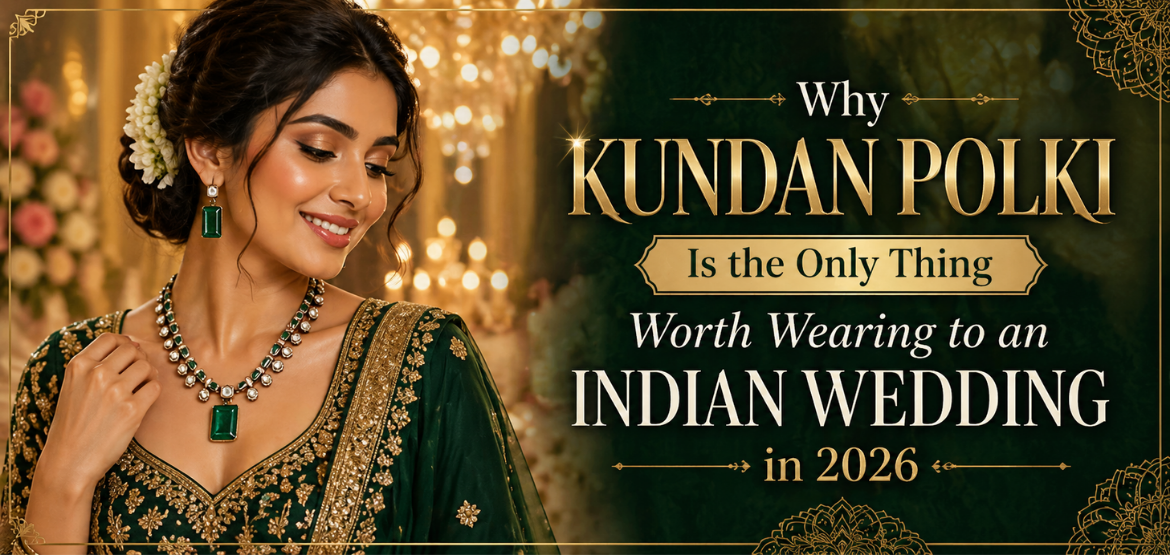
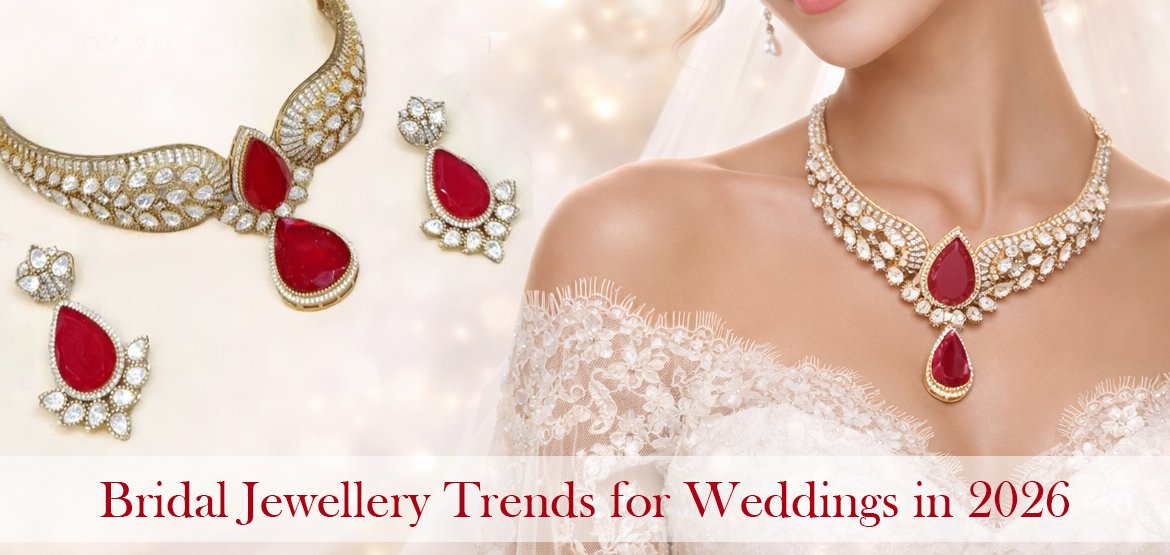
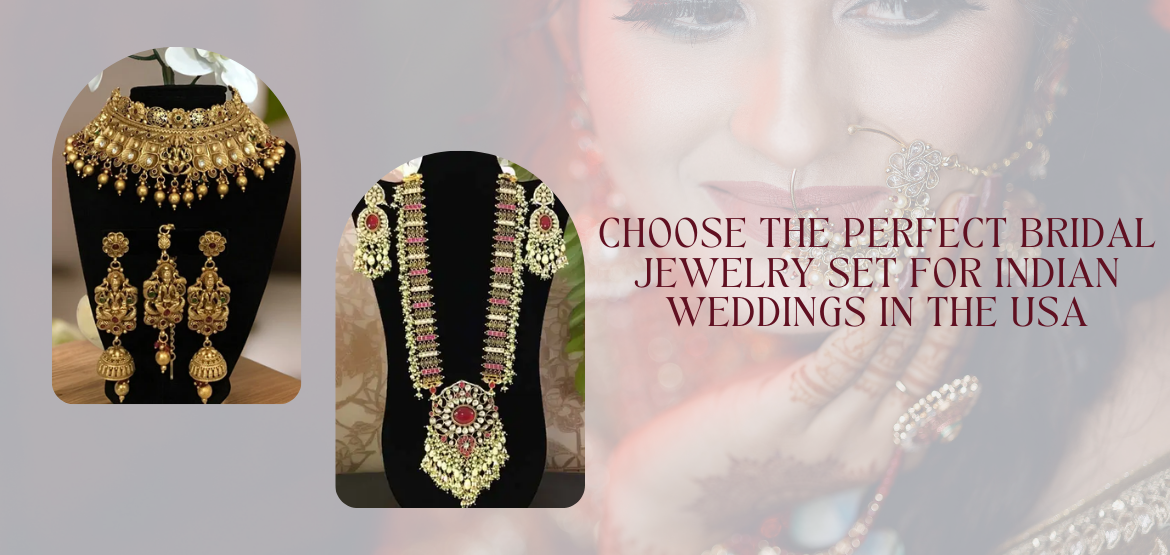
None of these styles beats the others outright. It mostly comes down to three things: the event, the outfit, and the mood someone's trying to bring into the day. Pearls or a quieter vintage piece tend to fit a formal daytime function well. For a main wedding function, Kundan-style or Rajwadi tends to win out, enough presence to hold the room without the commitment that comes attached to fine jewelry.
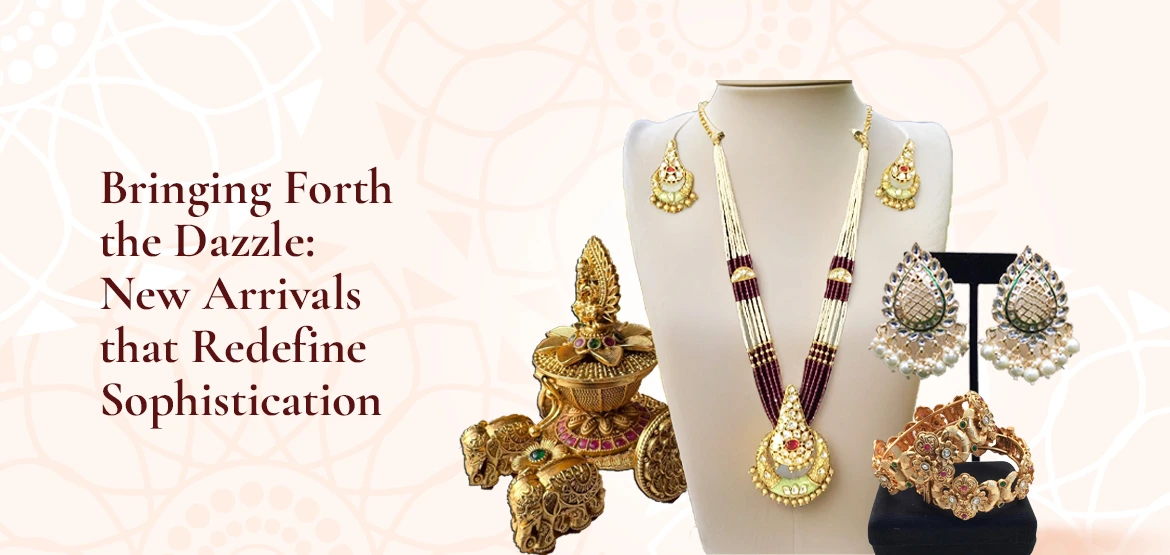
That's the standard worth holding an ethnic jewelry store to: a catalog broad enough to actually matter, shaped with enough care that picking a piece feels considered rather than arbitrary, and priced so owning several styles stays realistic instead of a stretch. Yashti Jewelers has built its necklace collection with exactly that in mind, wide enough in range to cover whatever chapter a buyer is dressing for next.
Key Takeaways
- Match the necklace set to the occasion and mood it needs to carry, price shouldn't be the only factor in the decision
- Vintage gold sets work well for pre-wedding functions, giving buyers that antique look minus the weight, and cost, of real gold
- Rajwadi jewelry brings scale and presence, best paired with plainer outfits at sangeets and receptions
- Indian pearl necklace sets fit daytime events and engagements where quiet elegance matters more than volume
- Temple necklaces carry South Indian roots but have spread into mainstream festive wear across regions
- Meenakari jewelry leans on enamel color instead of stones, especially popular for mehendi functions
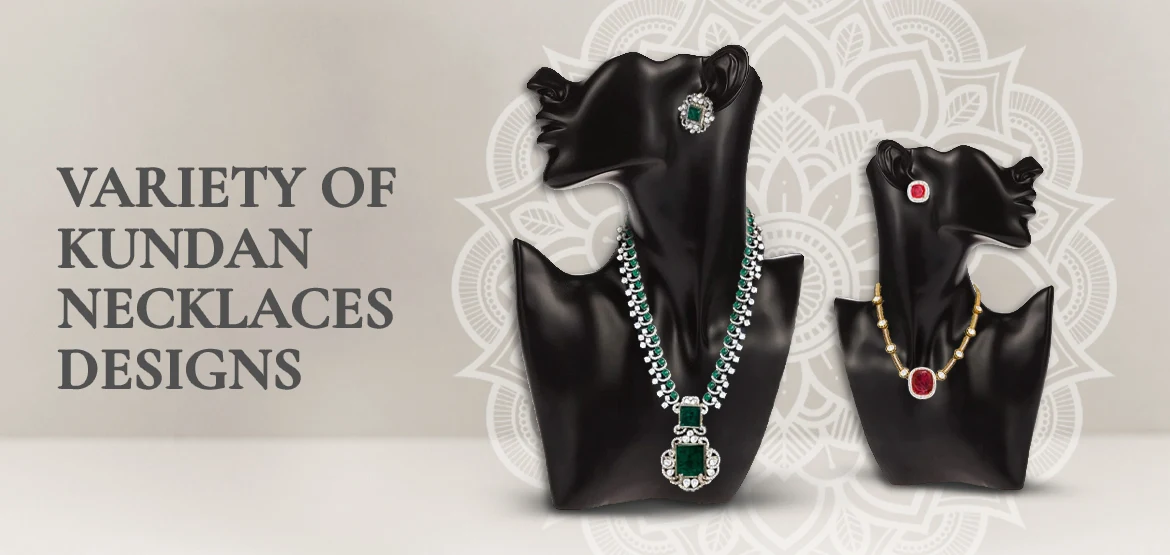
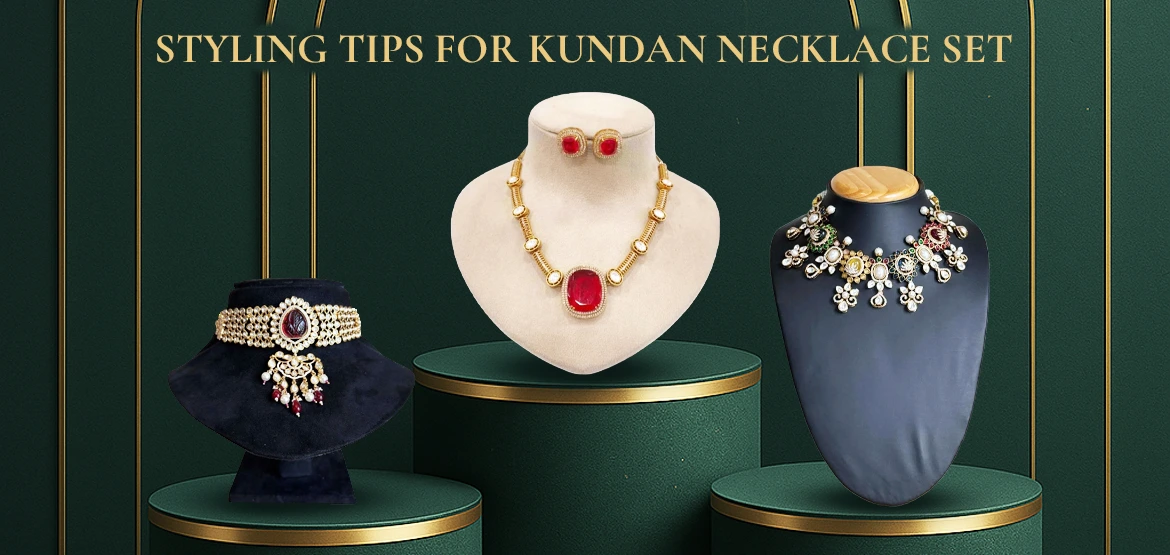
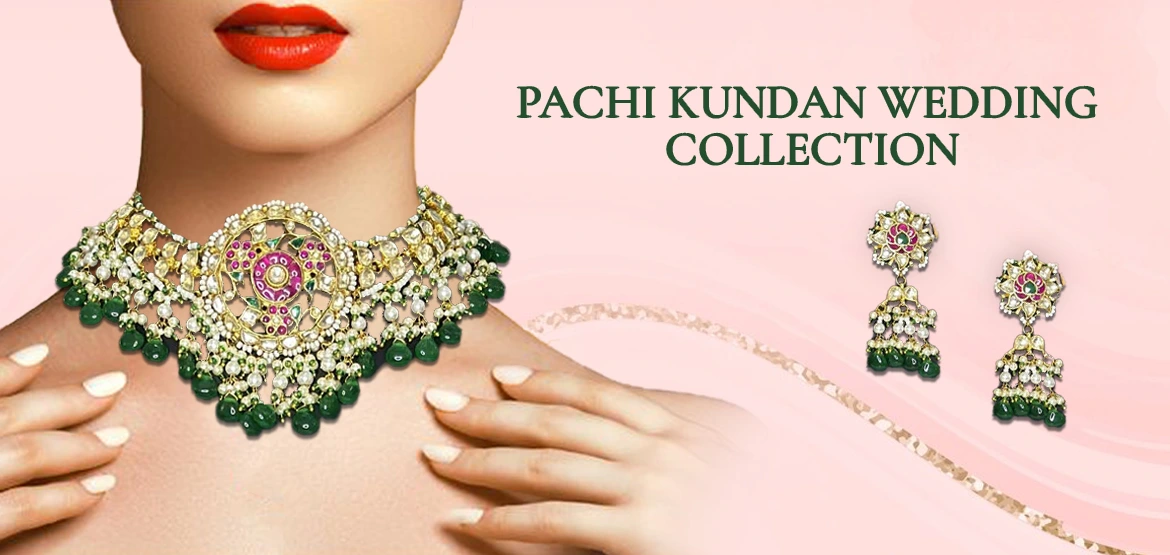
- Kundan necklaces remain the most consistent bridal pick thanks to their detailing and lasting appeal, even in artificial form
- A well-stocked ethnic jewelry store should cover all of these moments affordably, which is the range Yashti Jewelers works to offer
FAQs
1. How do I choose the right necklace set for an occasion?
The choice of the correct necklace ensemble is largely a decision that depends on the event one is attending, one's dress code and the total look one plans on. Kundan and Rajwadi varieties are appropriate for weddings and big parties since they add elegance. Pearl, vintage-finish, and lighter designs are suitable for proposals, daytime events, pre-wedding ceremonies, etc.
2. Are artificial necklace sets suitable for weddings?
Yes, artificial necklace sets can be a practical choice for weddings and other formal celebrations. They offer detailed designs, traditional styling, and statement-making appeal without the higher cost and added concern associated with fine jewelry.
3. What outfits pair well with Rajwadi jewelry?
Rajwadi jewelry pairs well with sarees, lehengas, Anarkali suits, and other traditional Indian outfits. Since the designs often feature intricate detailing, colorful stones, Meenakari work, and antique or matte gold finishes, simpler or solid-colored outfits can help the jewelry stand out.
4. When should you wear a temple necklace?
A temple necklace is well suited to weddings, religious ceremonies, festivals, and other cultural celebrations. Its traditional motifs and temple-inspired detailing complement sarees and other ethnic outfits, making it particularly suitable for occasions where heritage-inspired styling is desired.
5. Where can you find different styles of artificial necklace sets?
Yashti Jewelers offers a diverse collection of necklace sets featuring Kundan, Rajwadi, Temple, Meenakari, Victorian, Mother of Pearl, and other traditional and contemporary styles. This variety allows shoppers to select a necklace based on their outfit, occasion, and preferred aesthetic.