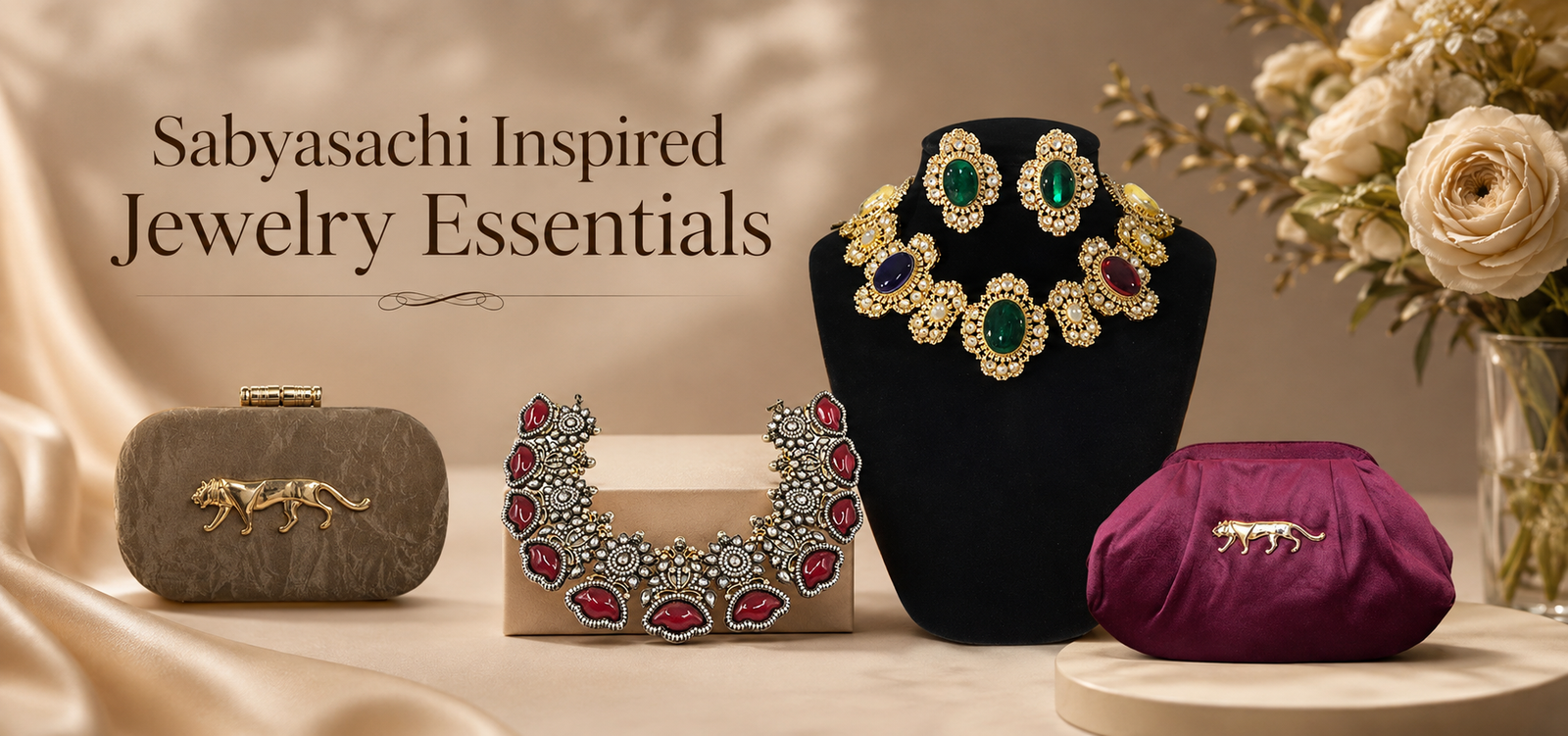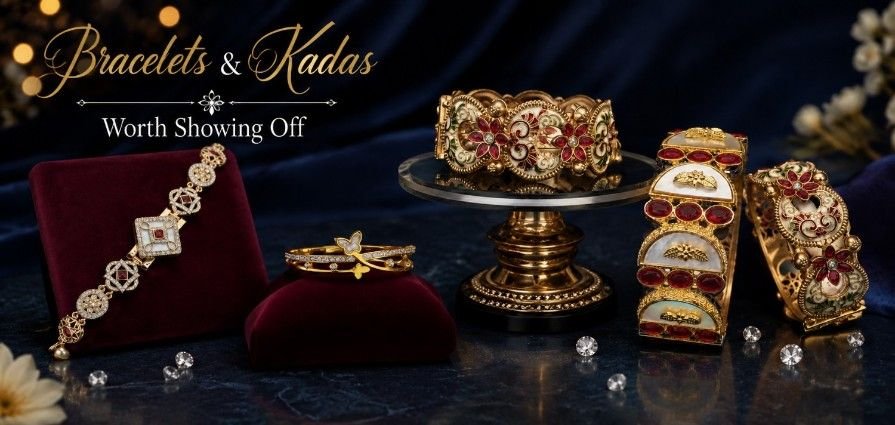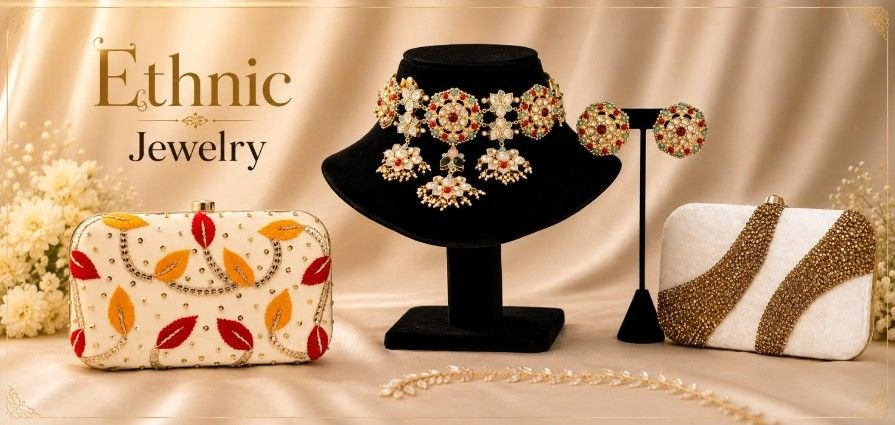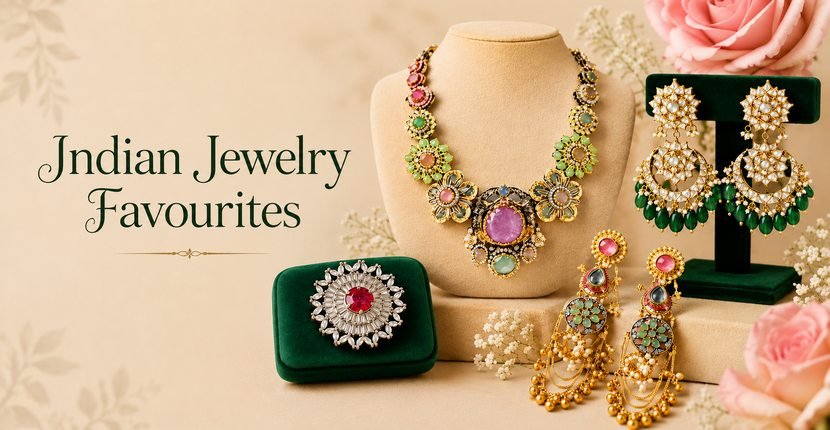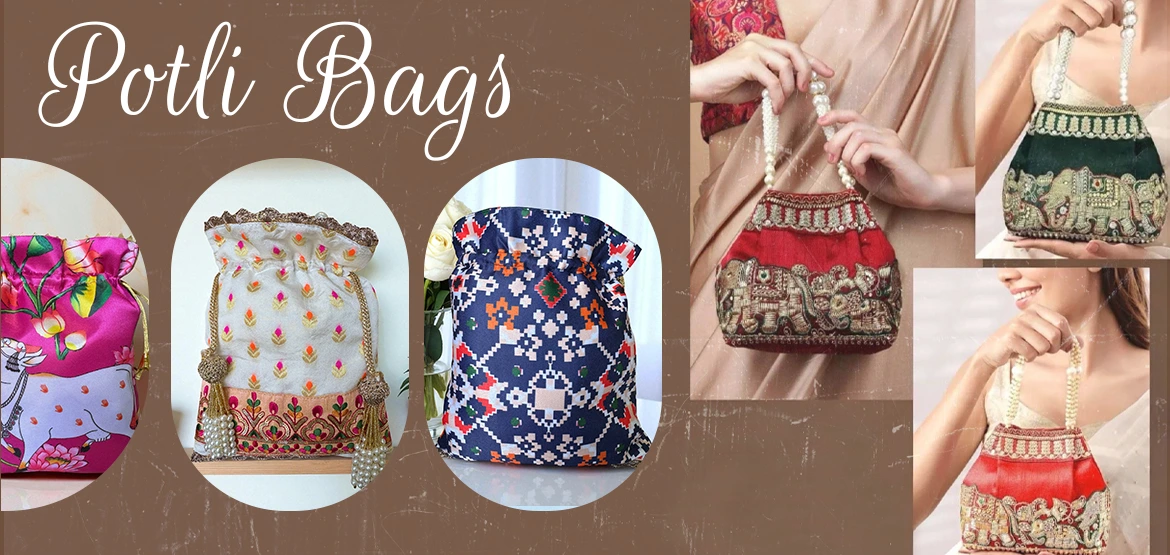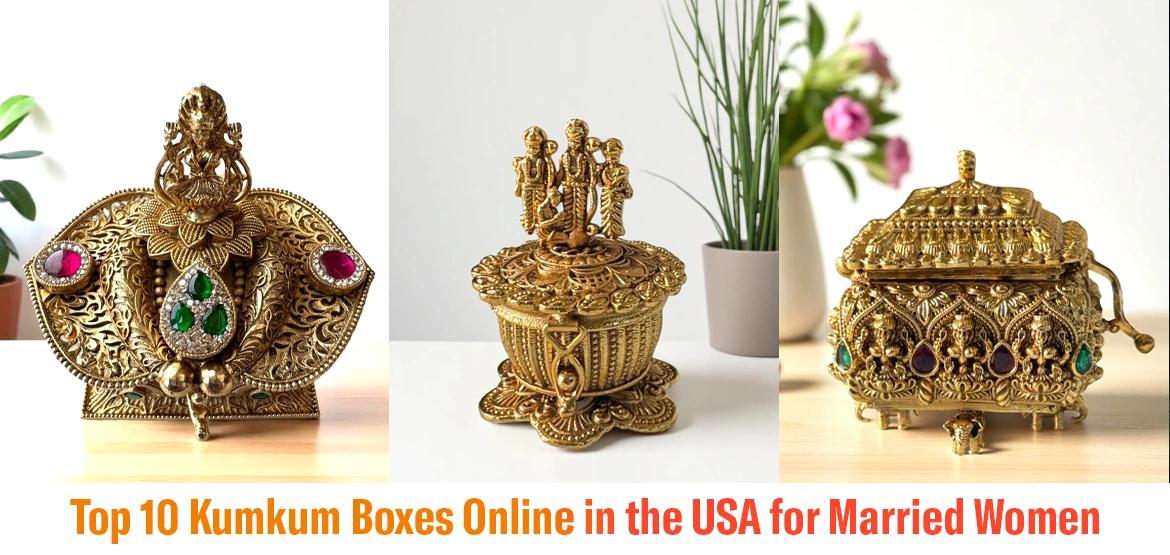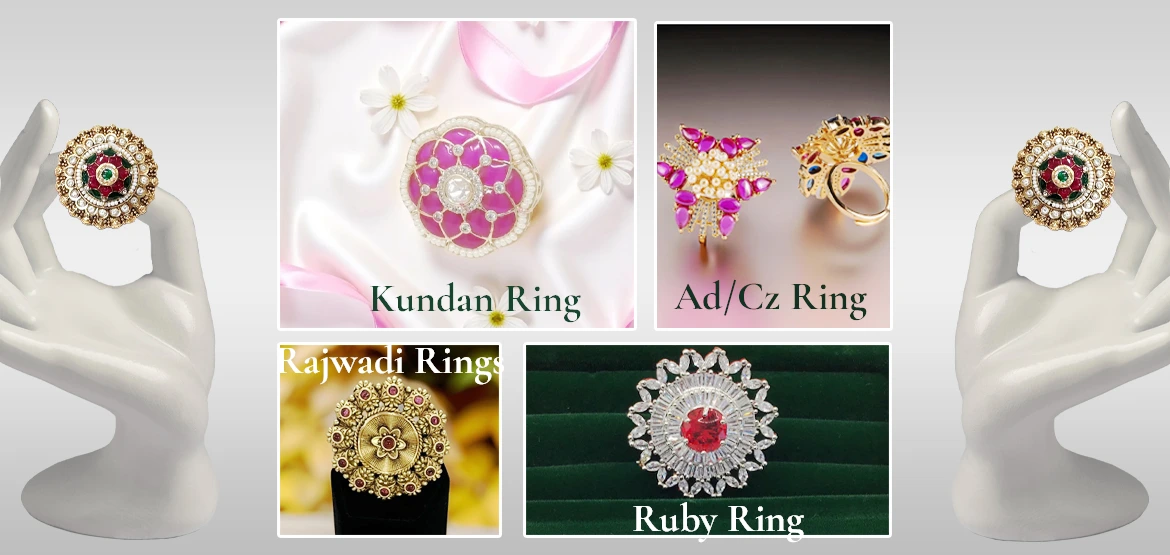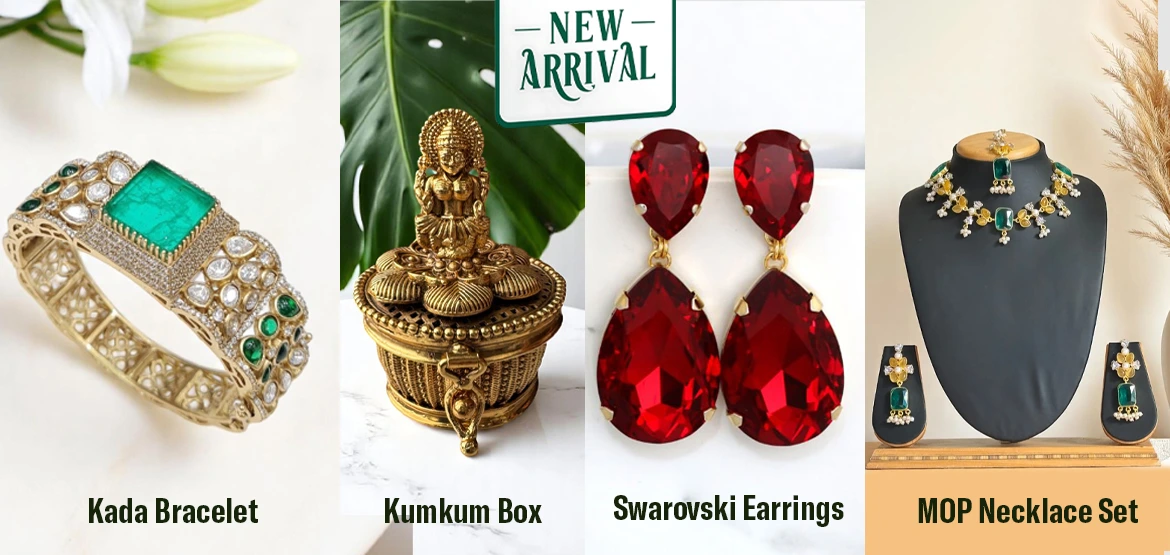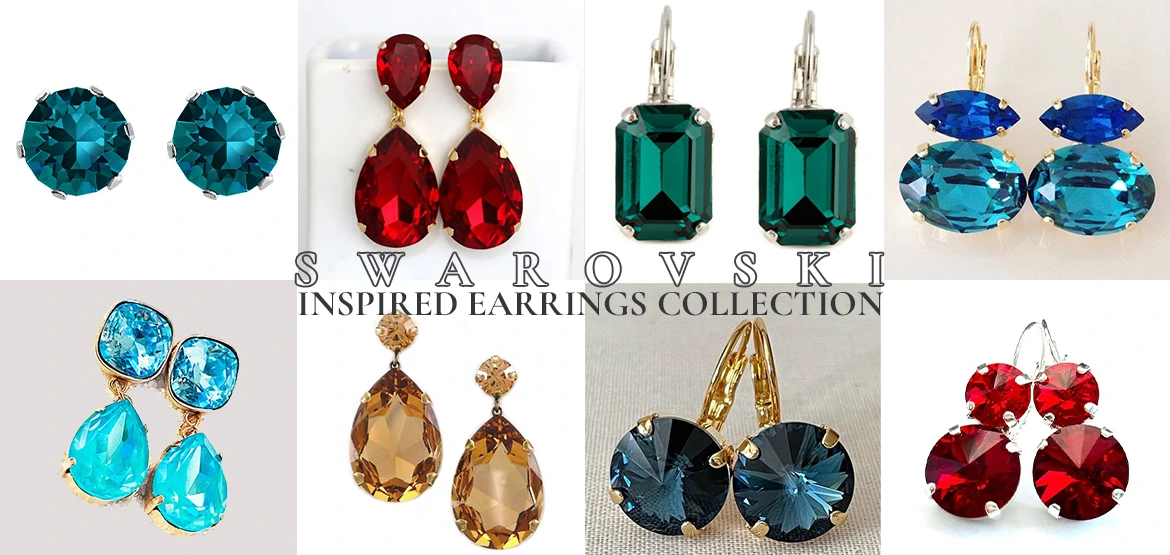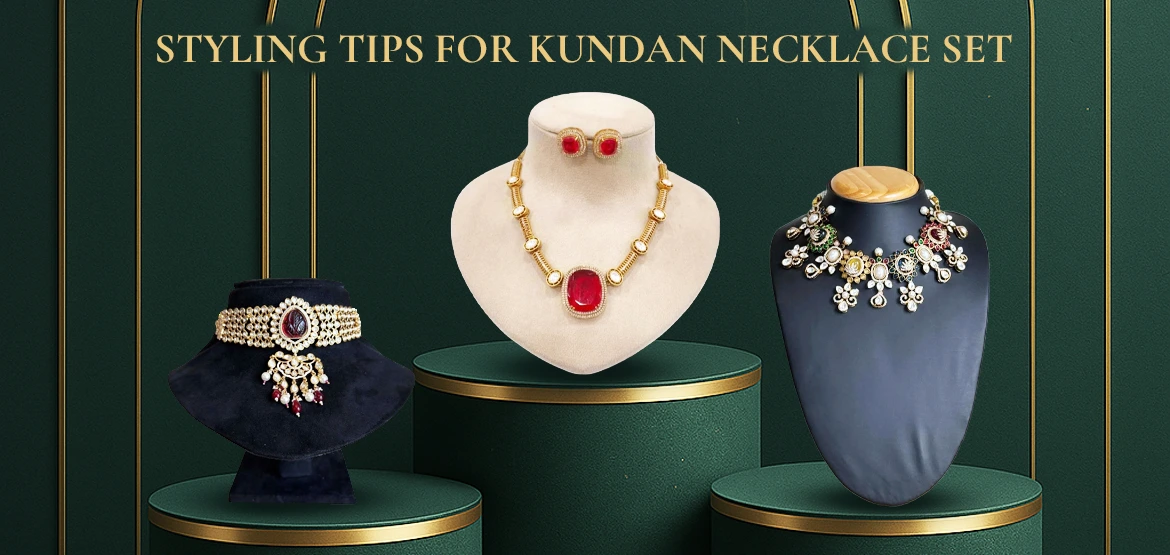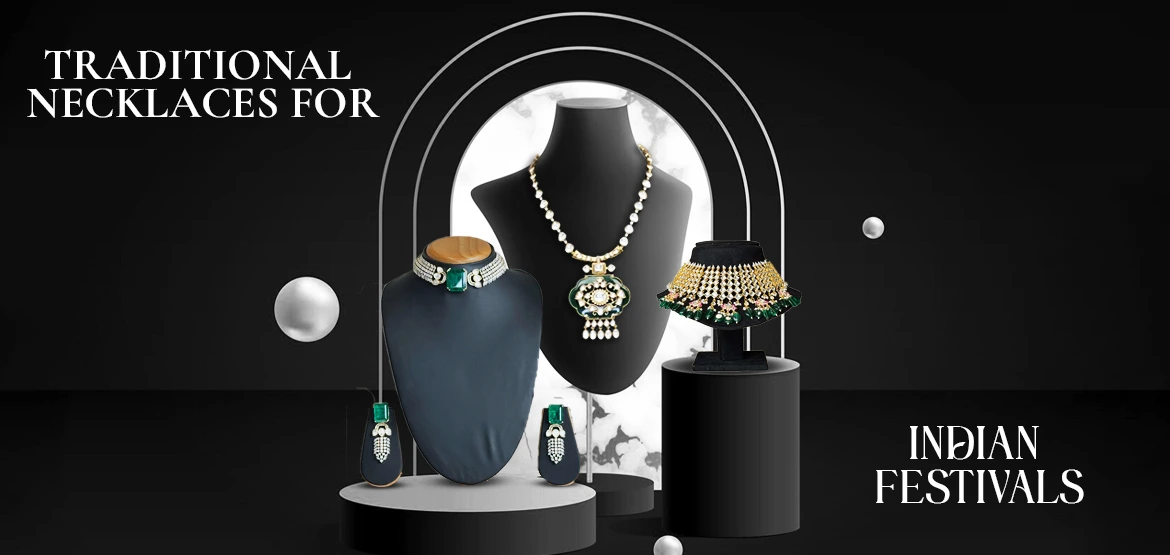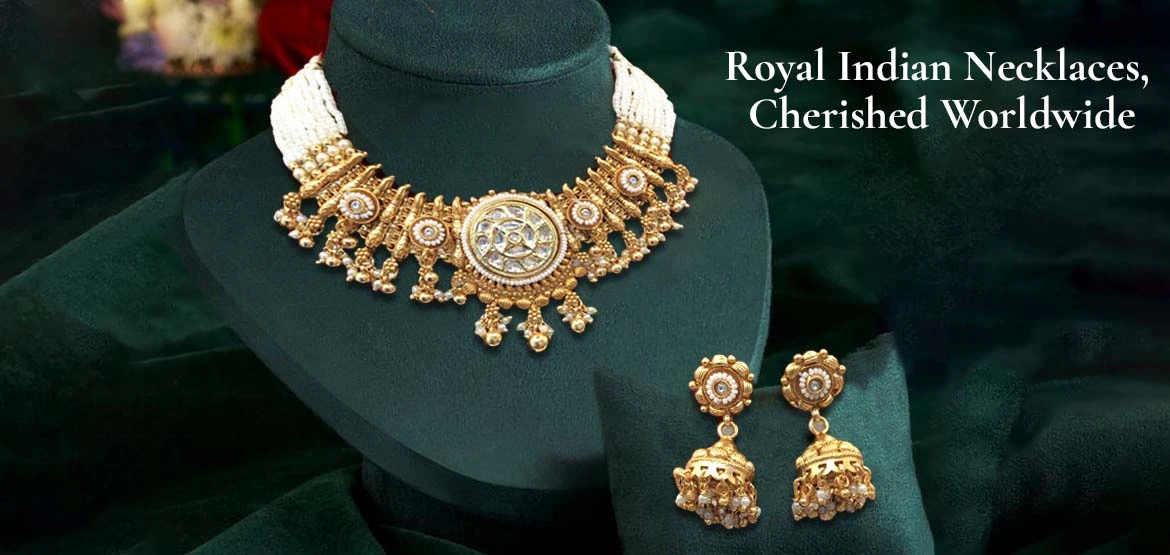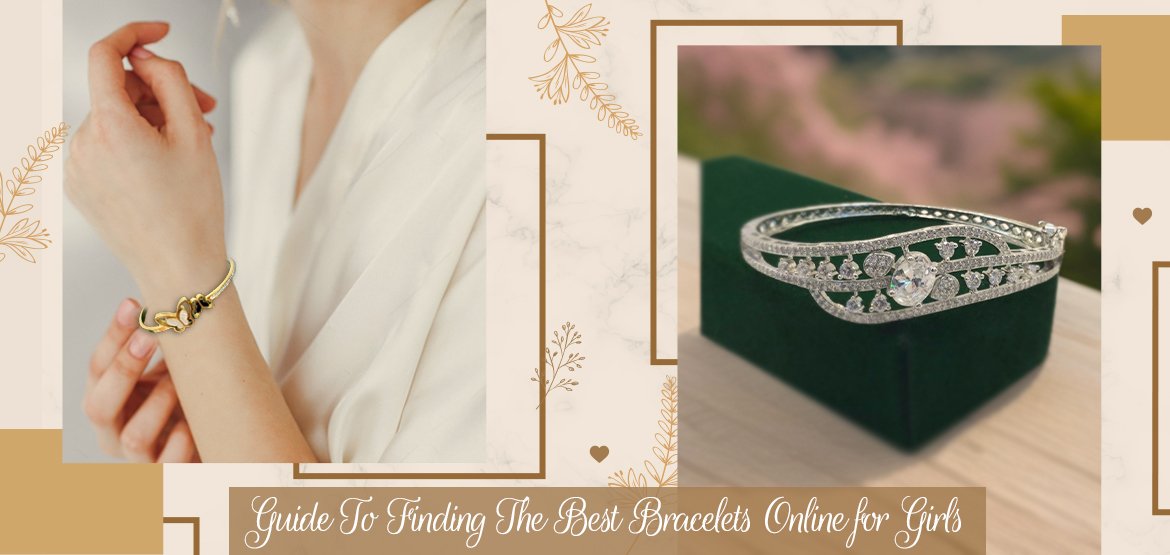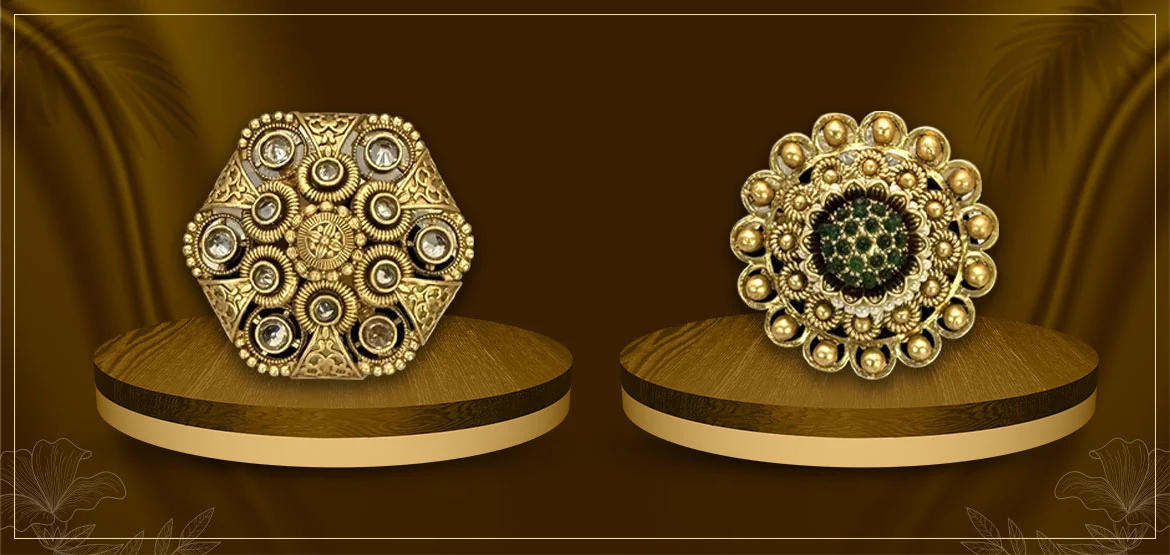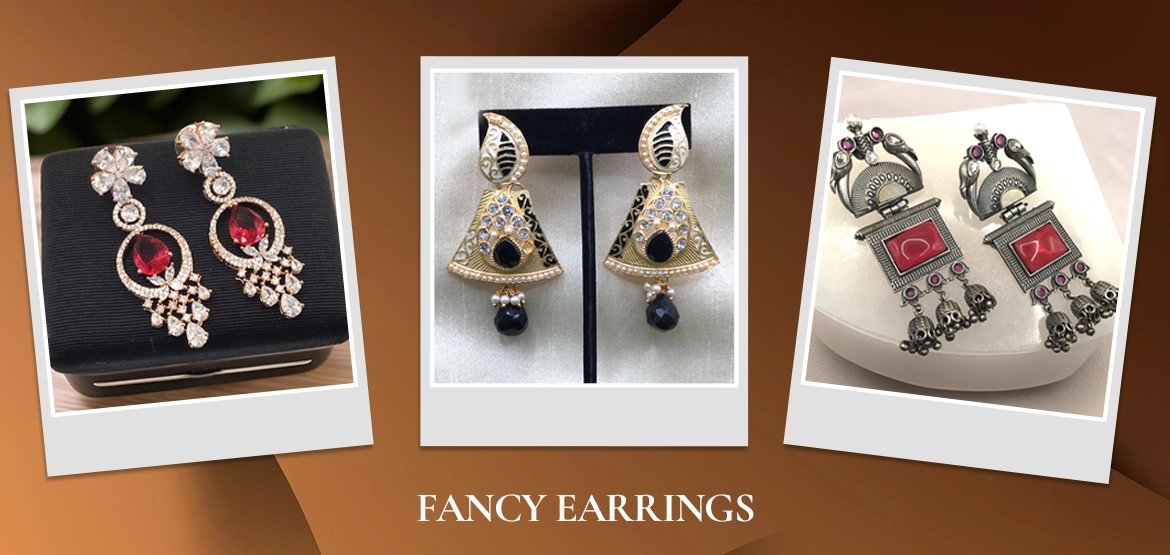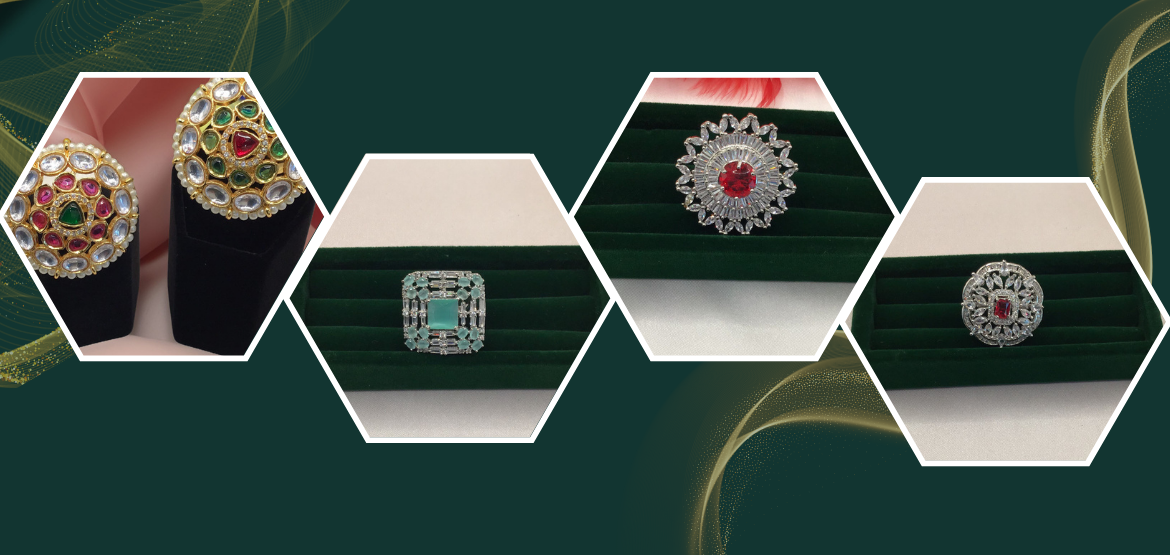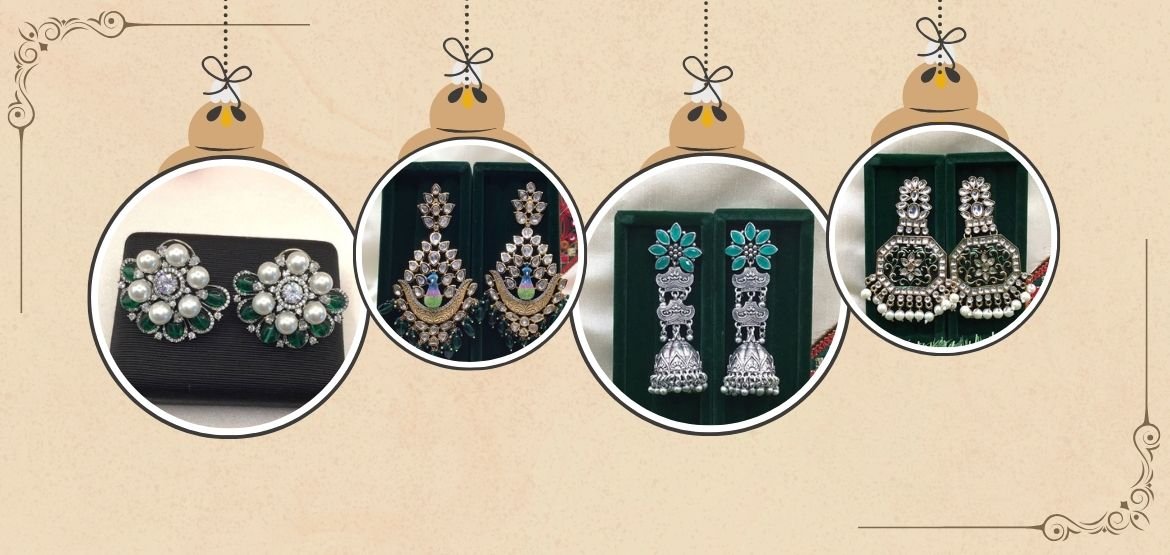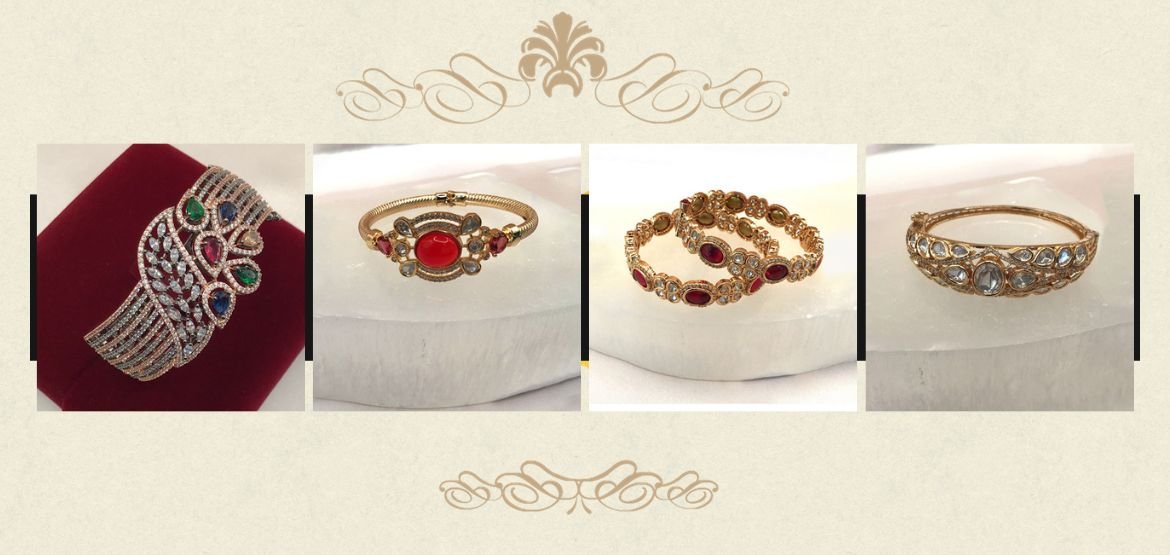
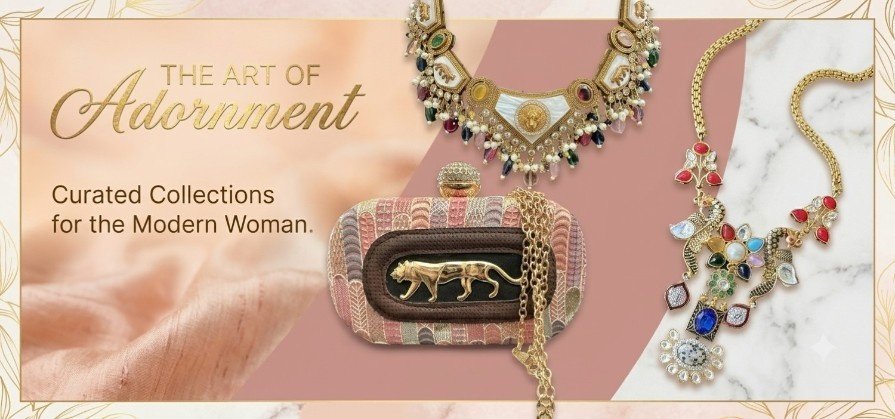
Sabyasachi Mukherjee changed the way Indian brides think about jewelry. His pieces are known for heavy Kundan work, uncut polki stones, temple-style motifs, and a color palette that leans into deep reds, emeralds, and antique golds. For most shoppers in the United States, owning an original Sabyasachi piece is out of reach, both in price and in availability. Yashti Jewelers created its Sabyasachi inspired jewelry collection with this exact problem in mind, turning out necklaces, chokers, and clutches that echo the designer's signature look while staying within reach of an actual wedding budget.
Why the Sabyasachi Look Still Dominates Indian Bridal Fashion
Few designers have shaped South Asian bridal aesthetics the way Sabyasachi has over the last two decades. His runway shows and celebrity collaborations turned traditional jewelry techniques like meenakari enamel work, kundan setting, and polki cutting into something aspirational for a new generation. It's common now for brides to walk into appointments with a photo of a Sabyasachi look saved on their phone, using this name as shorthand instead of naming a particular stone or metal setting. That shift in language says a lot about how strong his visual identity has become.
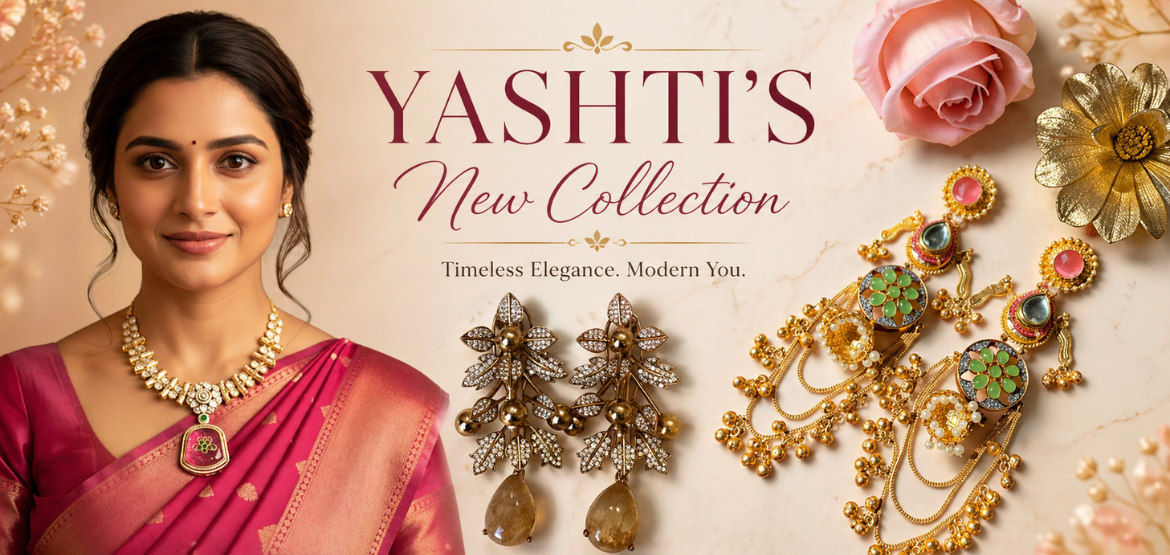
Yashti Jewelers studied this aesthetic closely before building its own line. What comes out of that process is a line that takes cues from the silhouettes, layered stonework, and overall shape of Sabyasachi's bridal pieces, then rebuilds them in more accessible materials so the price stays within reach for everyday shoppers. Shoppers who have looked up the price of Sabyasachi jewellery and found it out of range for their budget now have a way to get the same look without that stretch.
Necklaces and Chokers Built Around Traditional Techniques
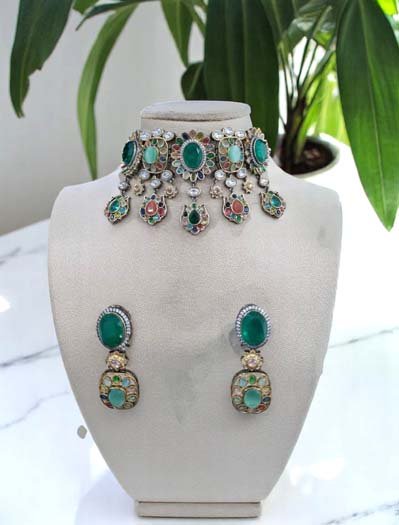
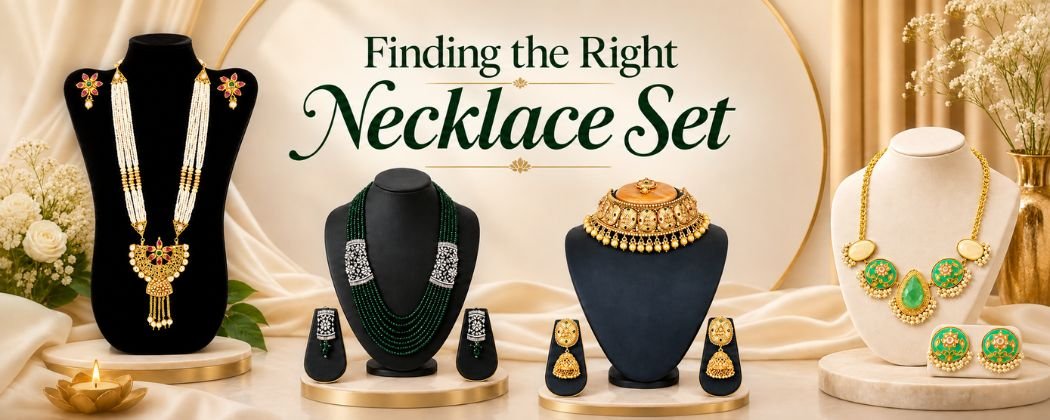
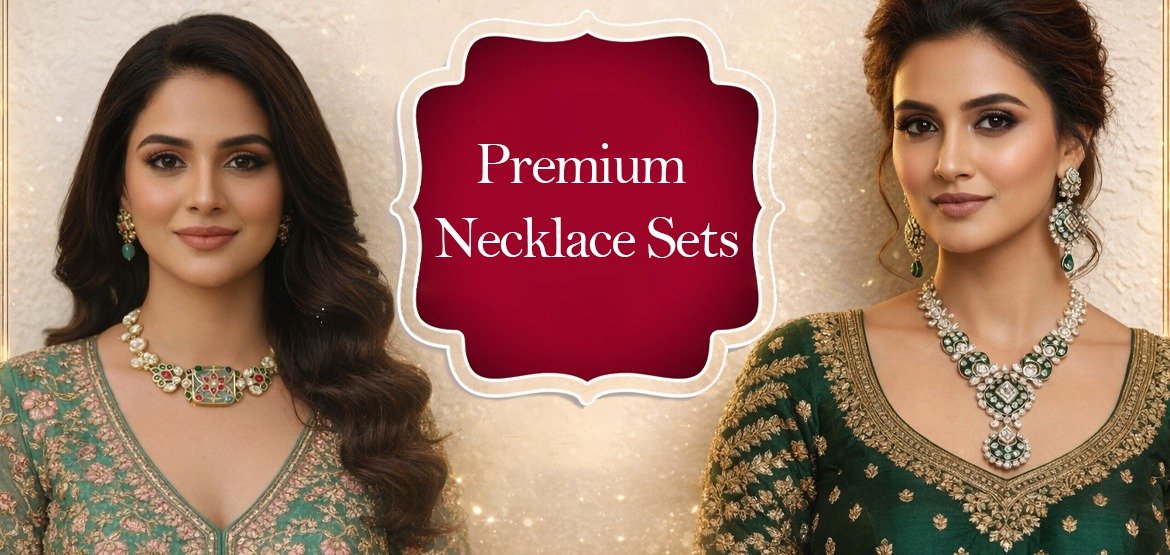
The necklace and choker sets form the backbone of the collection, and the variety is intentional. Brides shopping for a reception look need something different from a guest attending a sangeet, and a woman buying jewelry for Diwali has different requirements than someone building a capsule wardrobe of ethnic pieces.
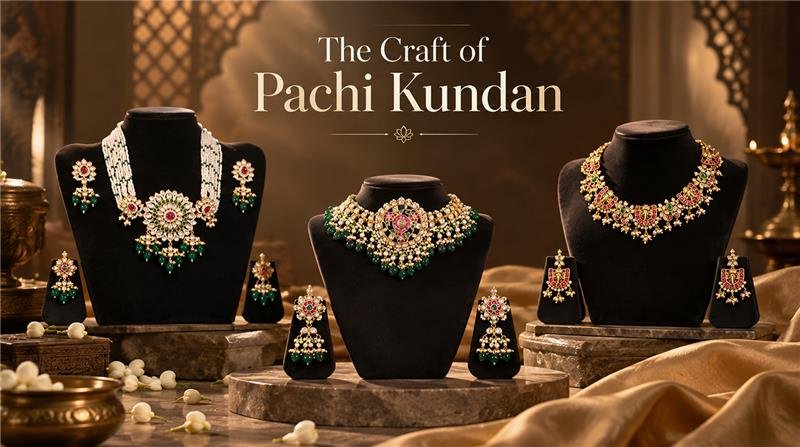
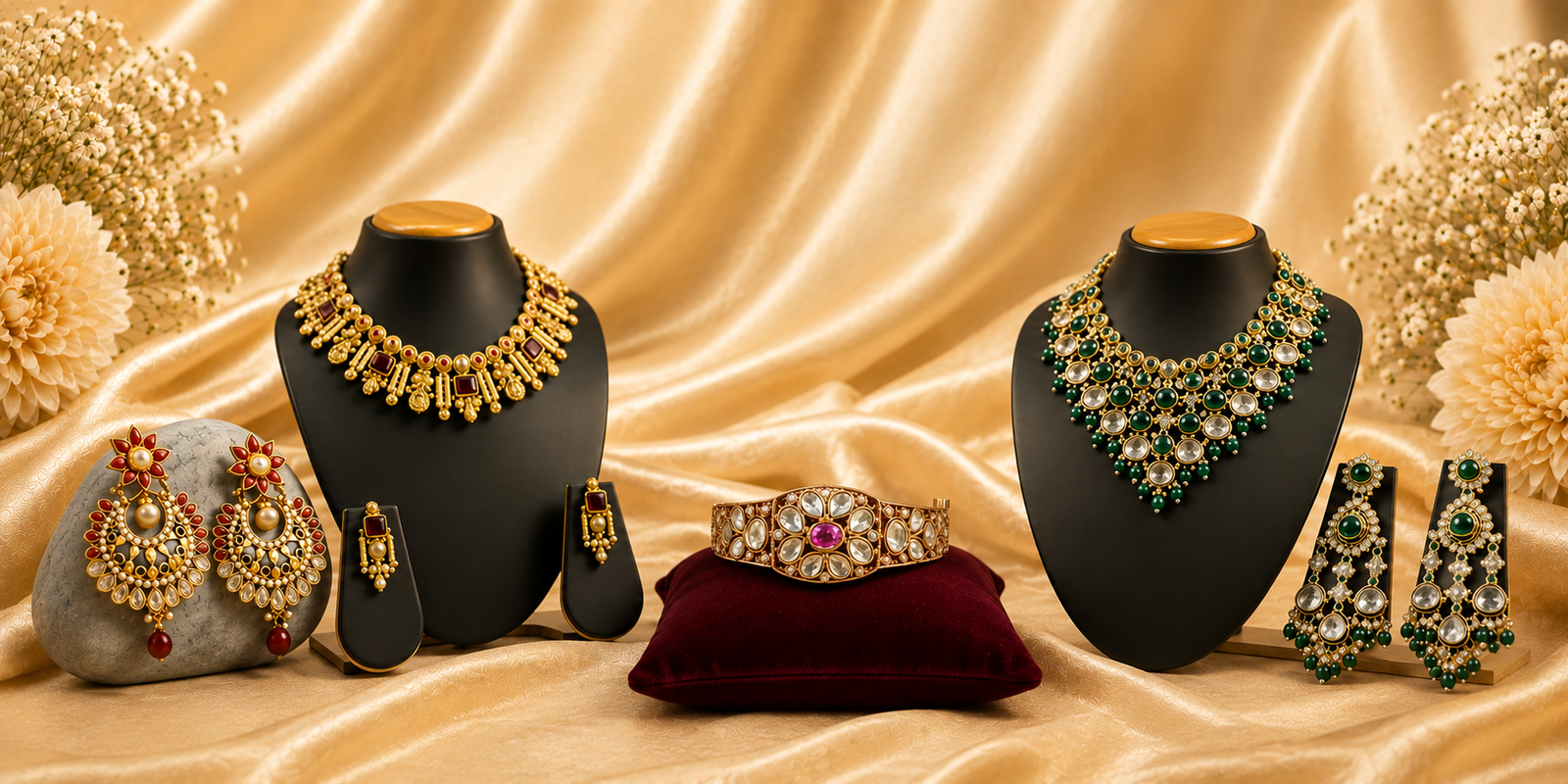
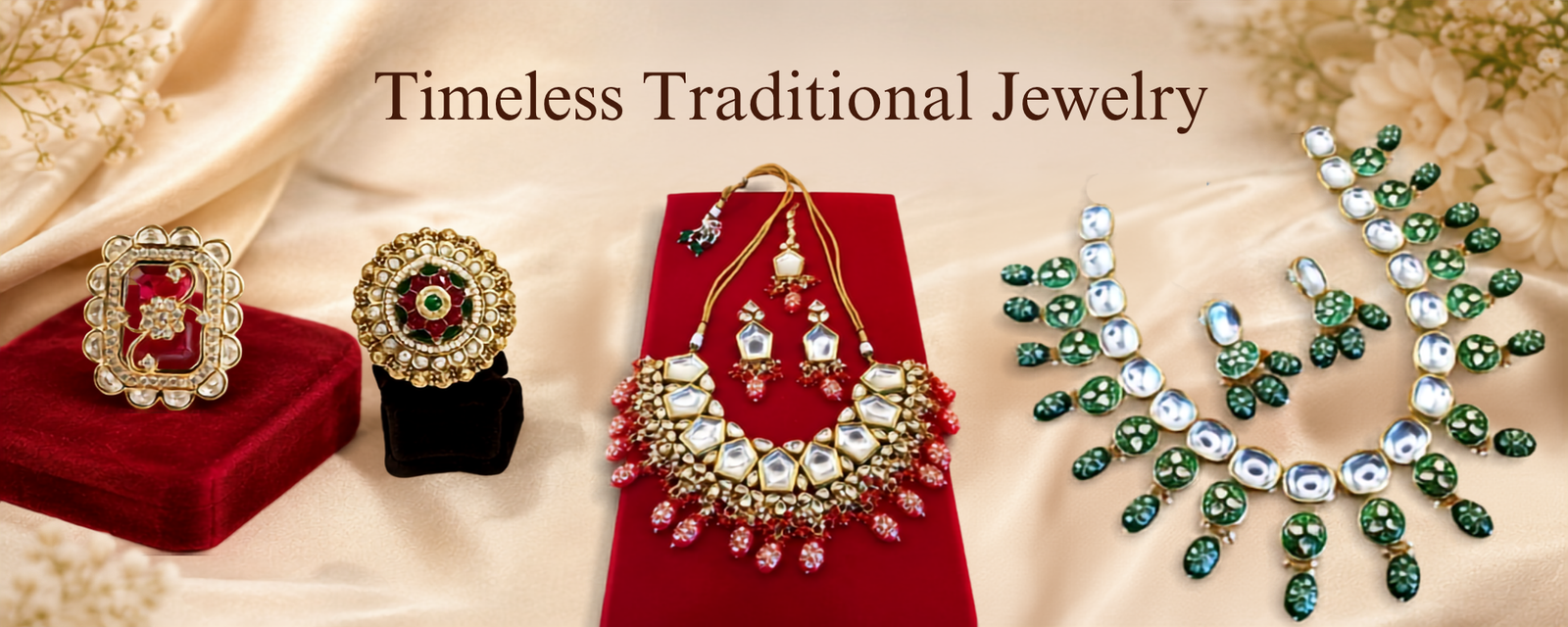
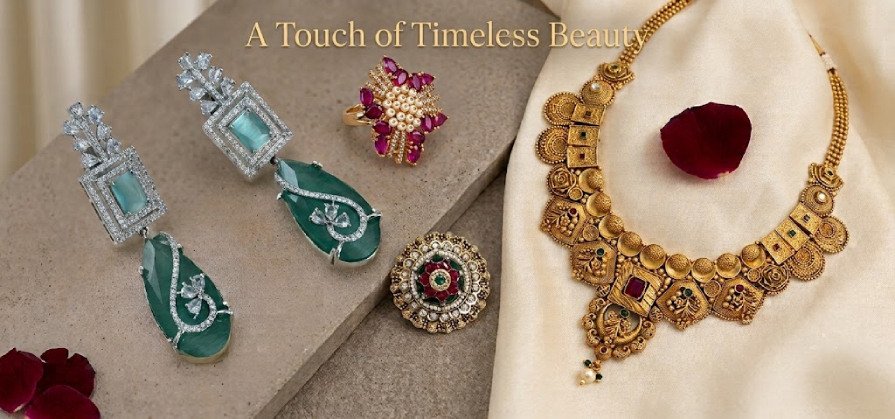
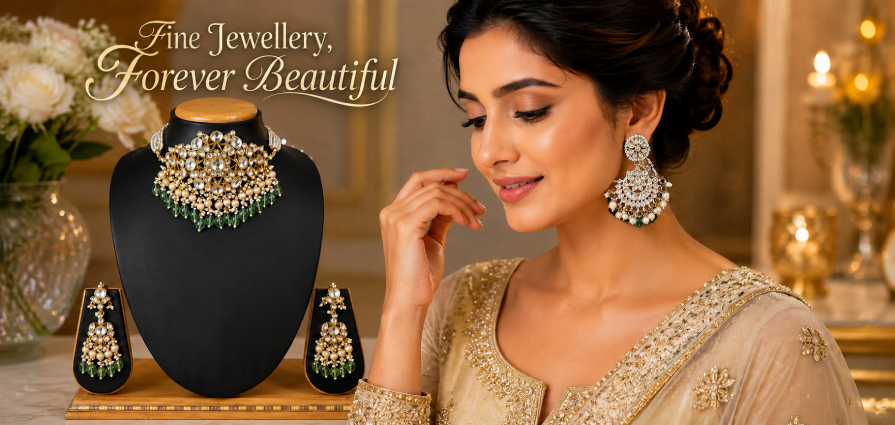
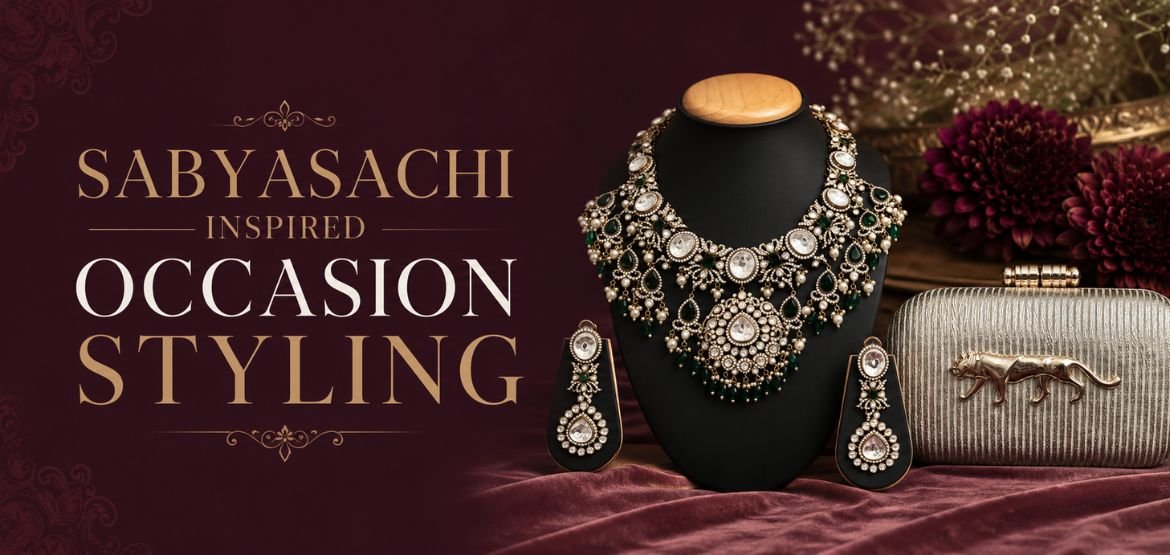
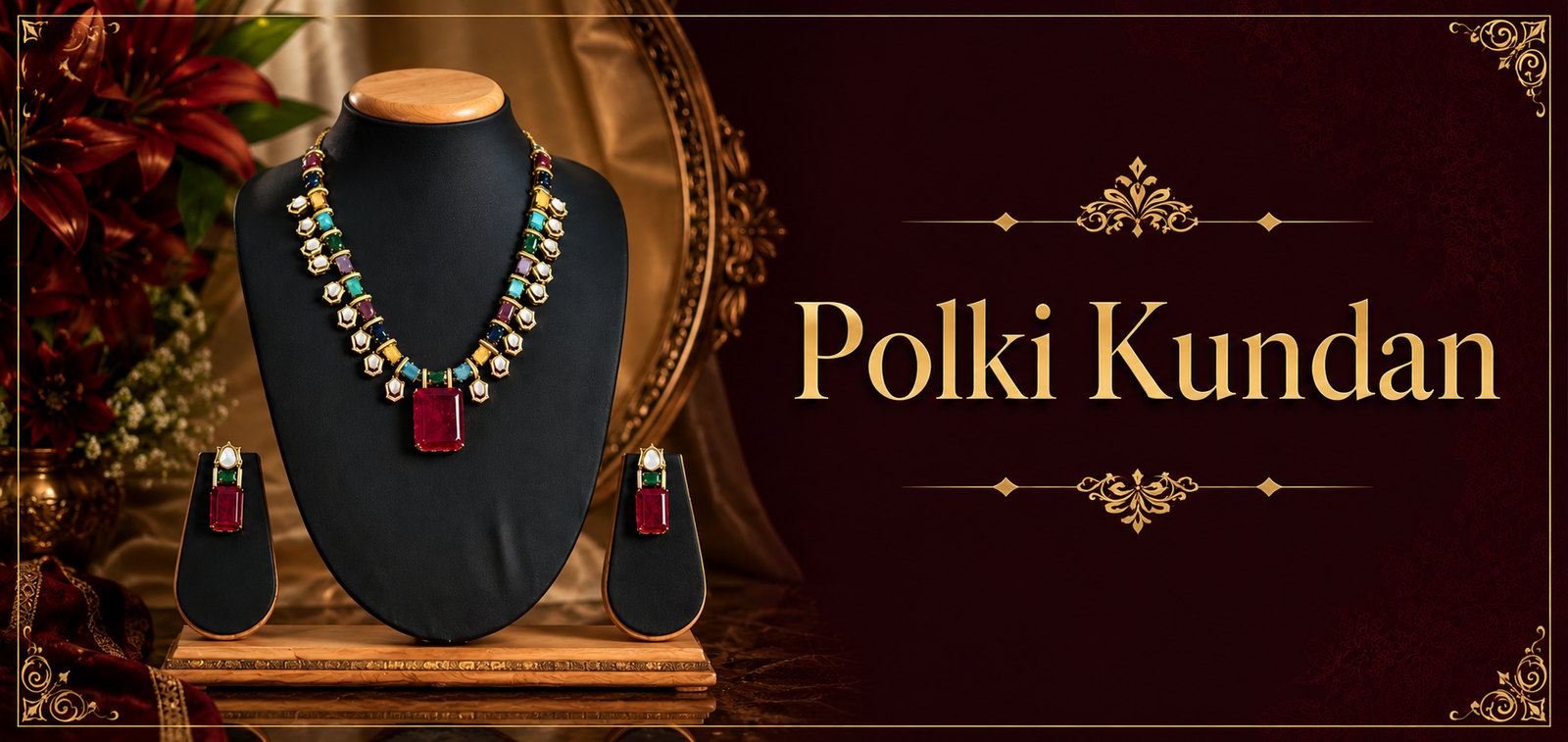
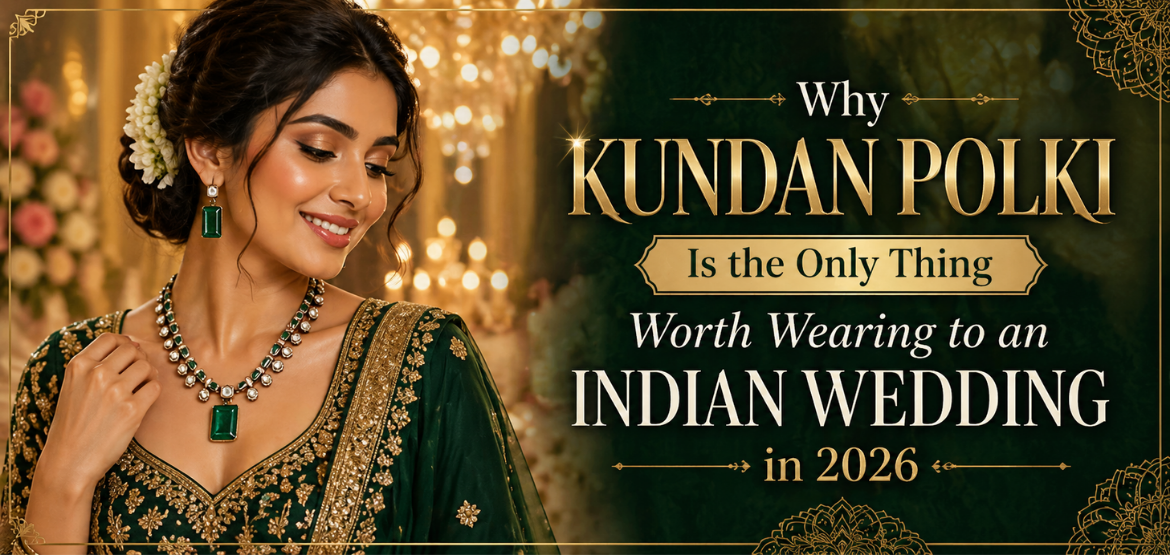
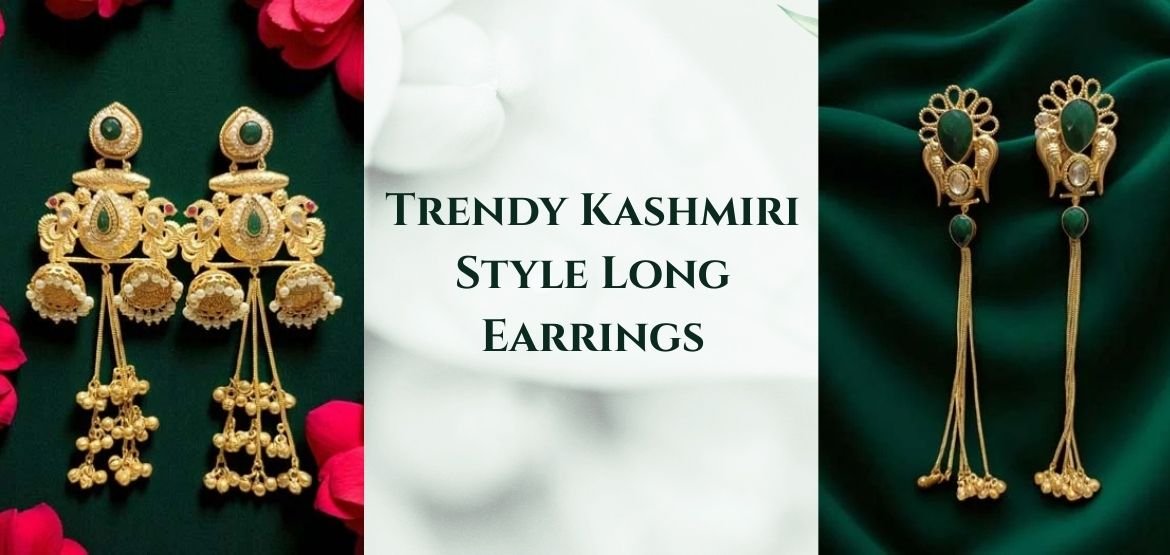
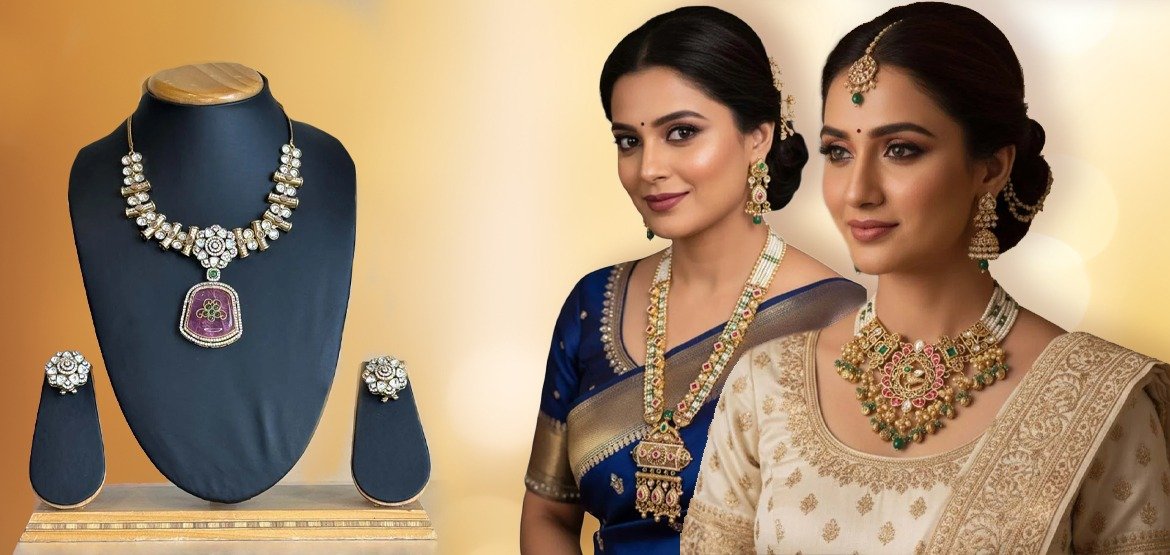
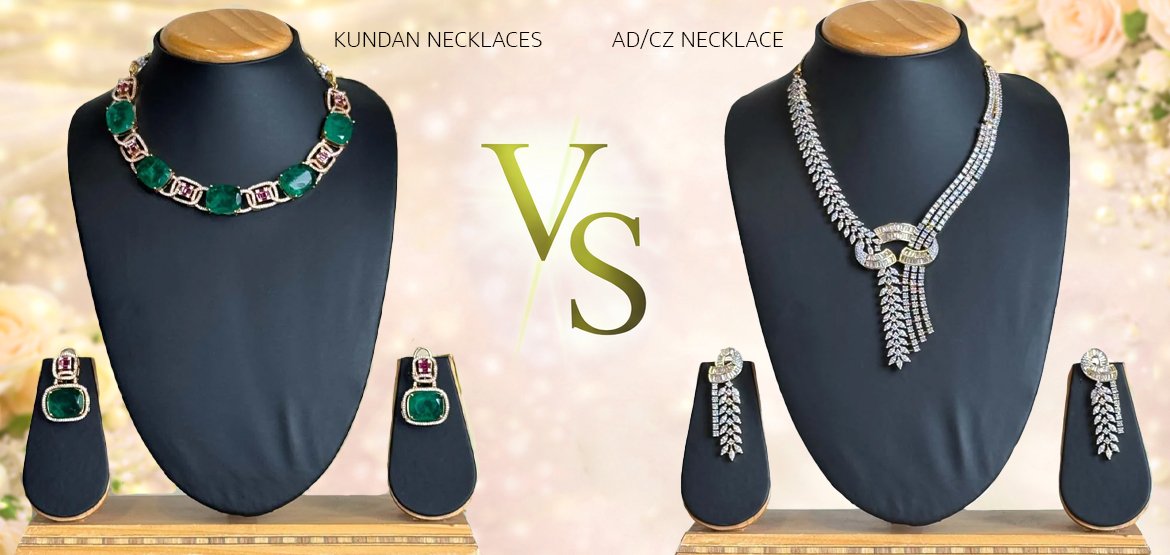
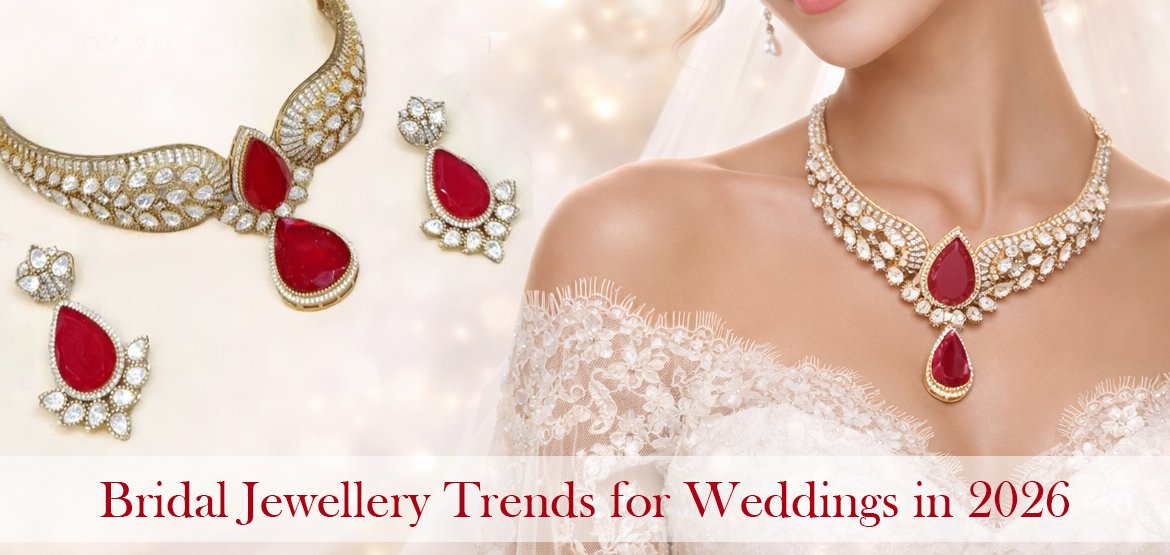
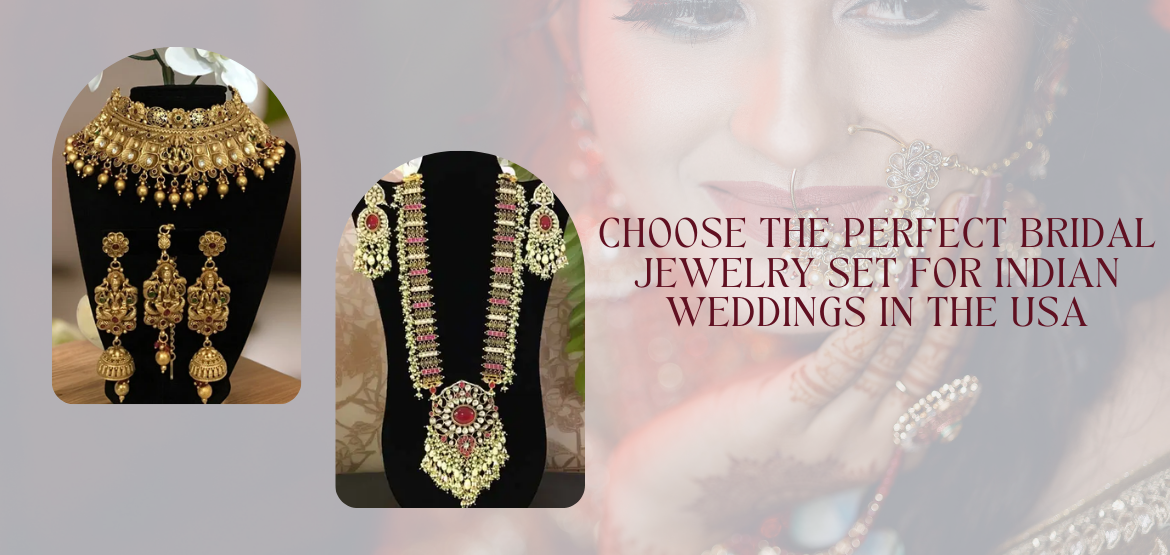
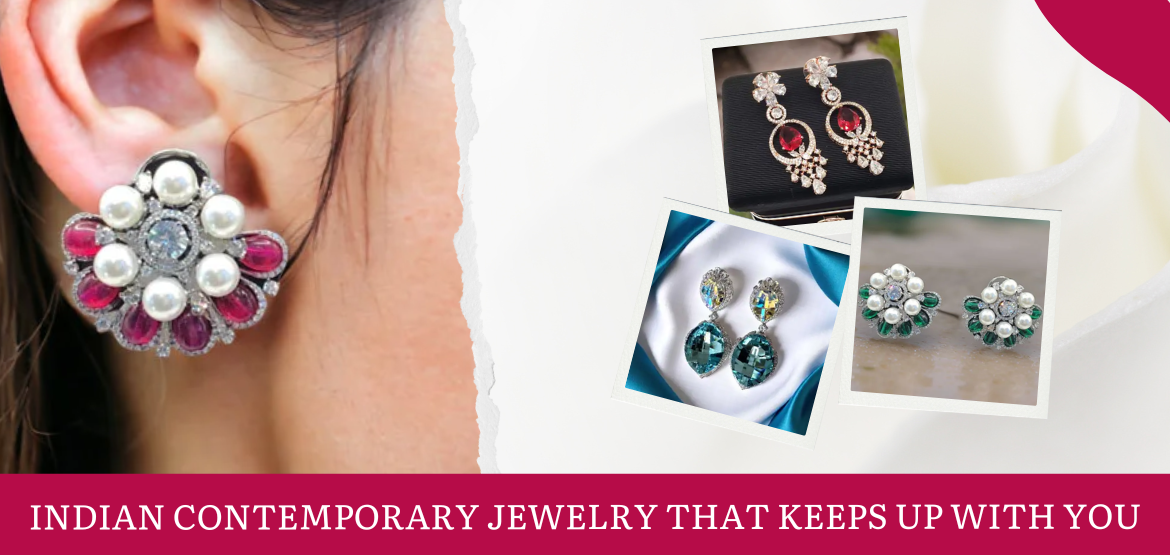
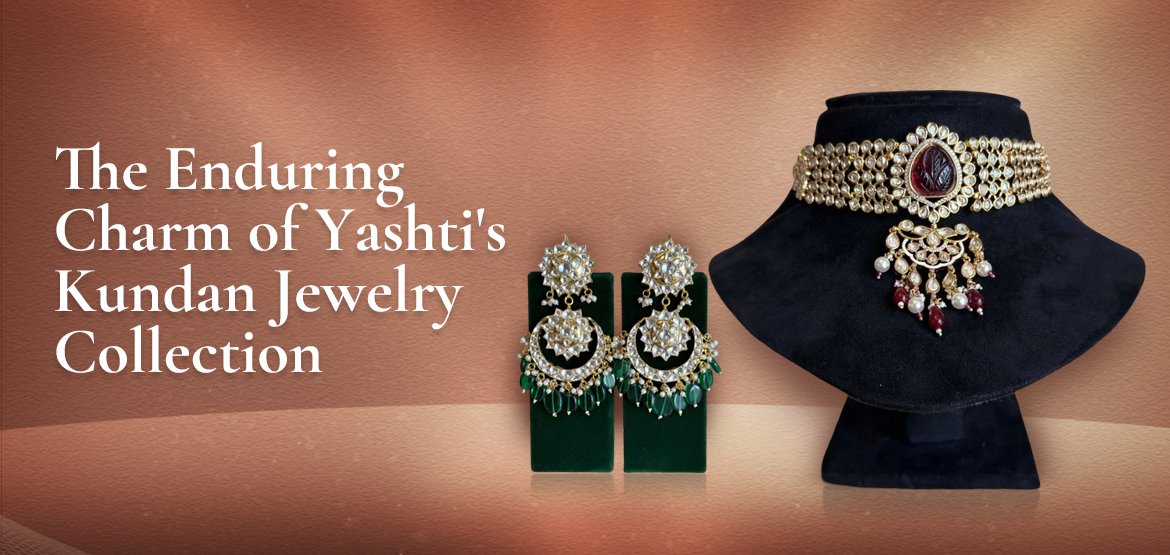
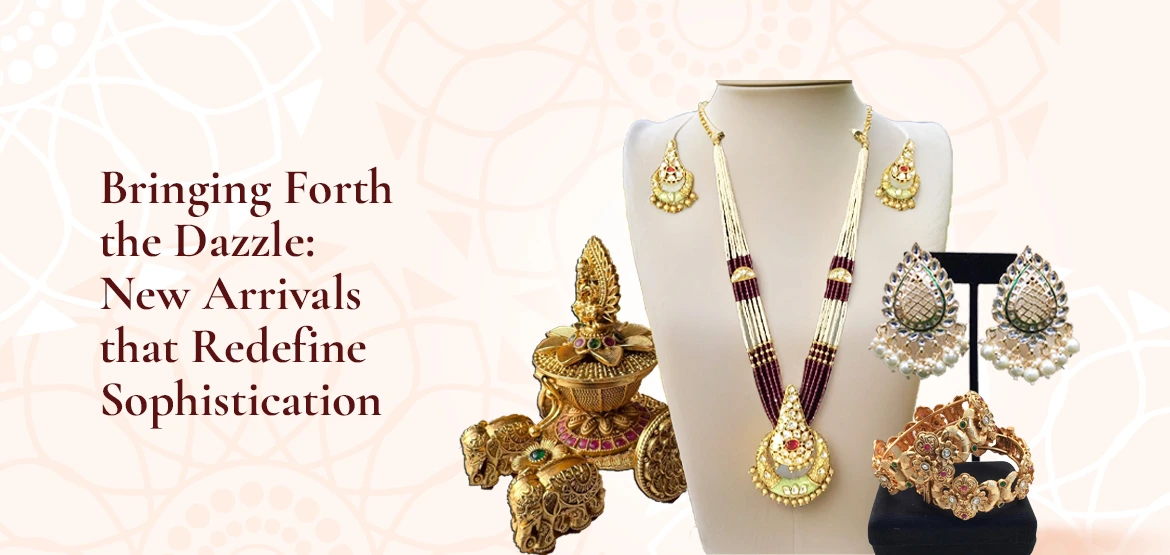
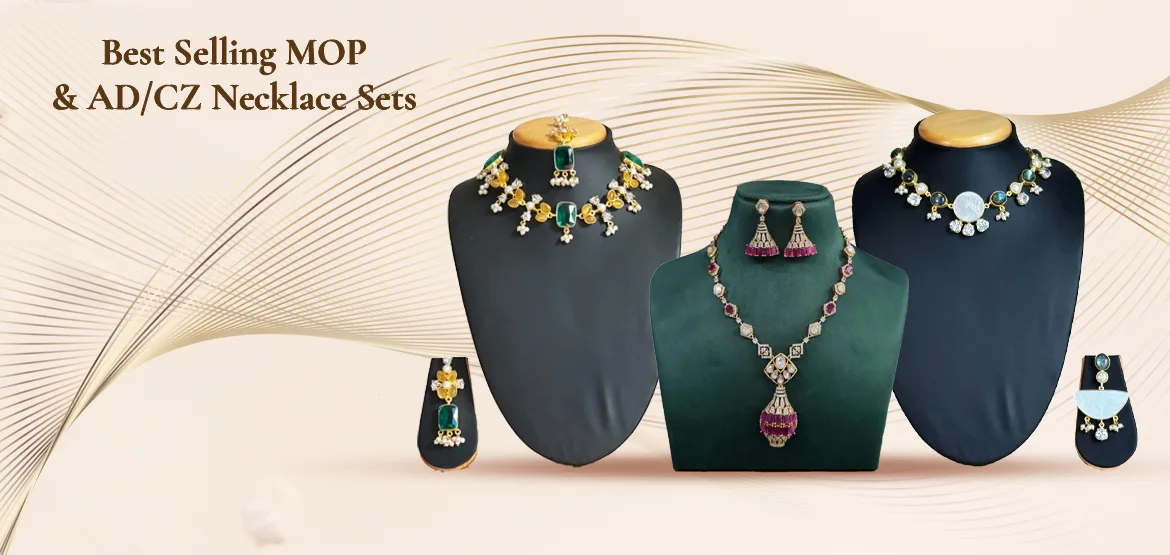
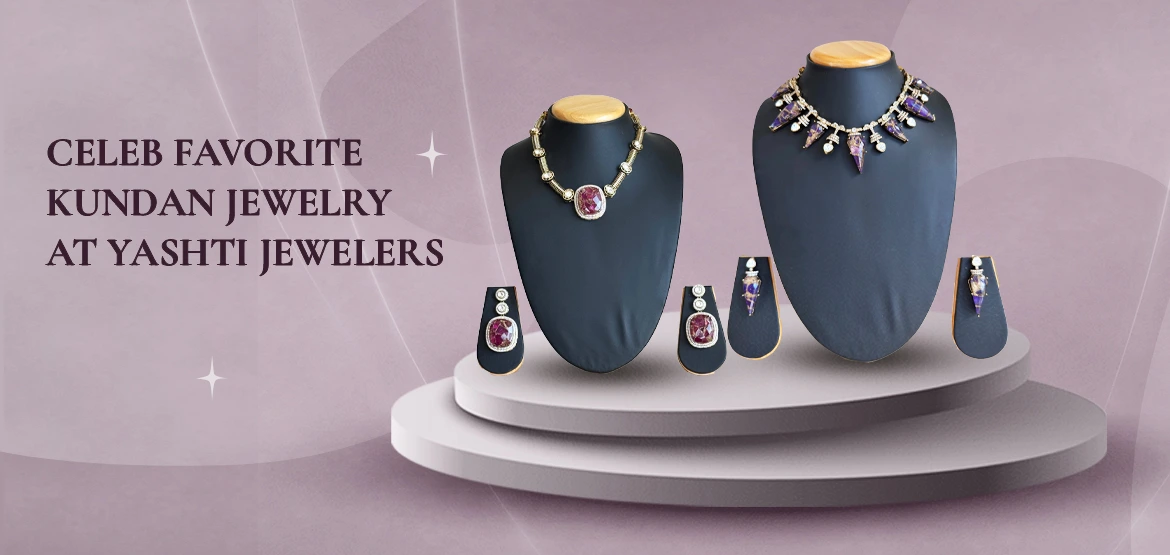
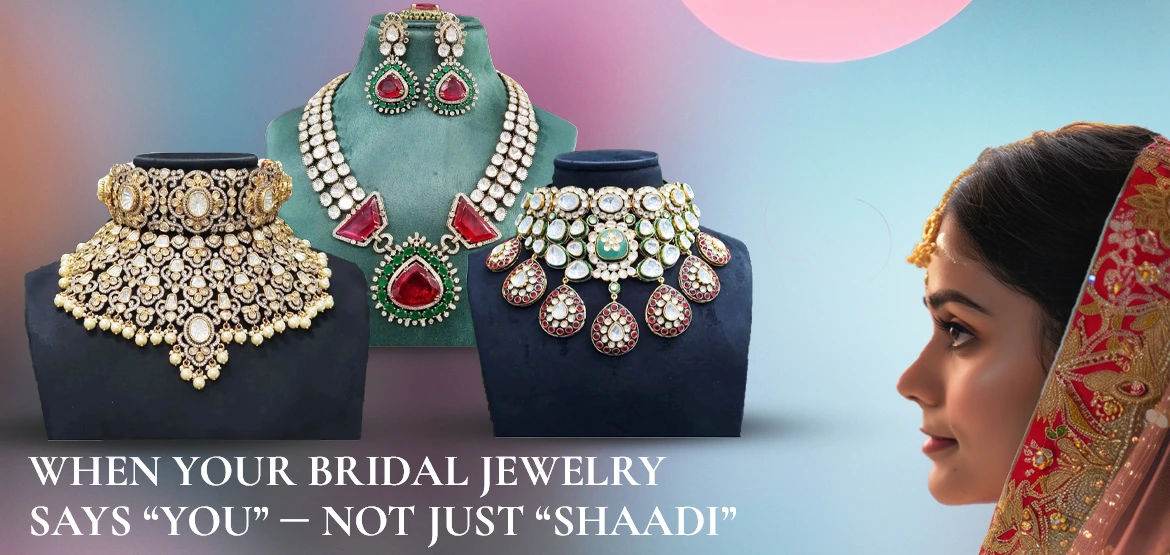
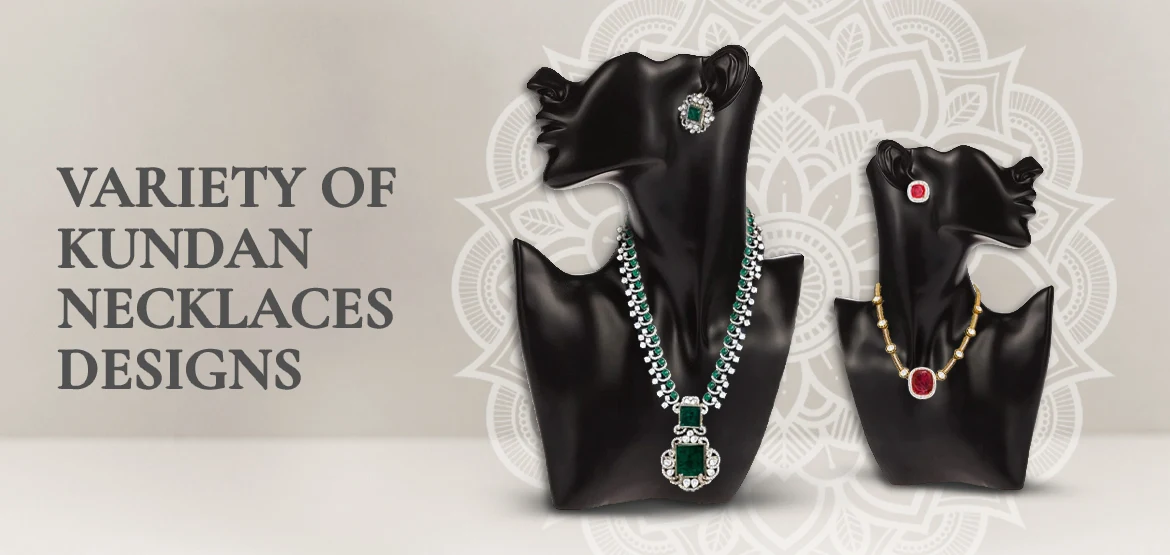
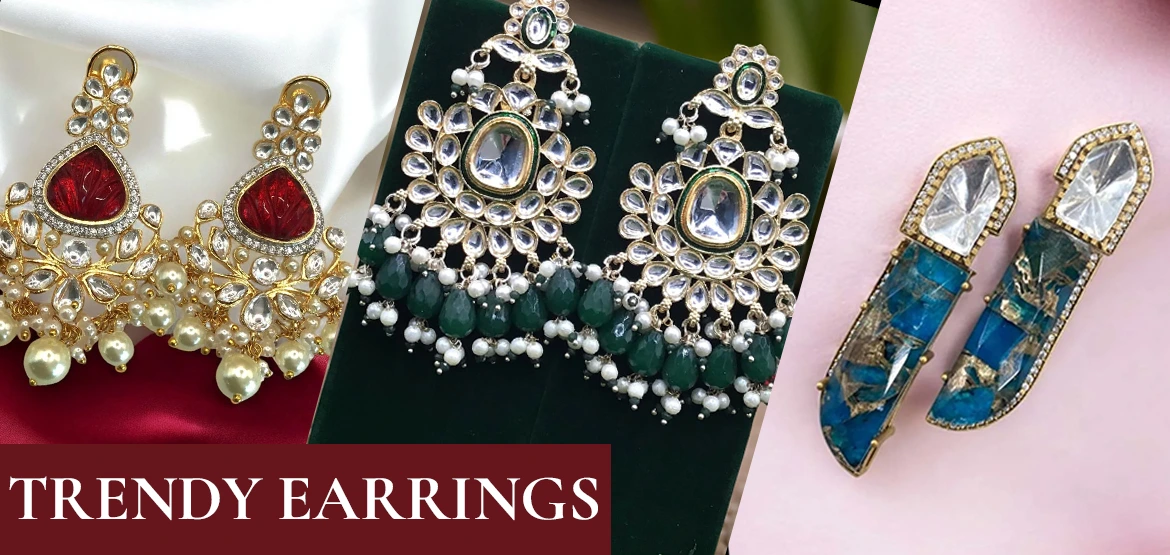
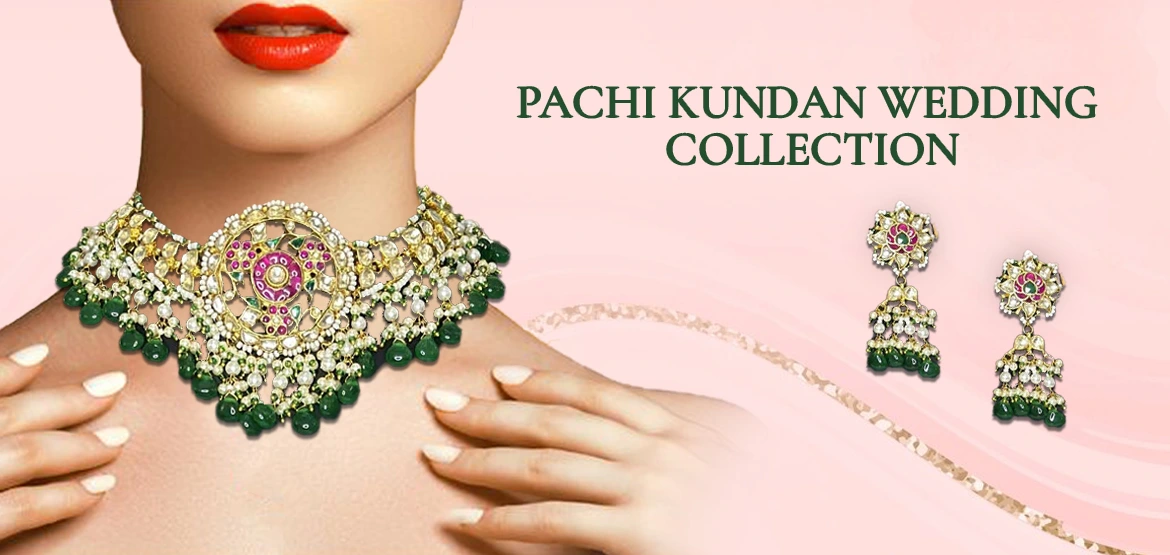
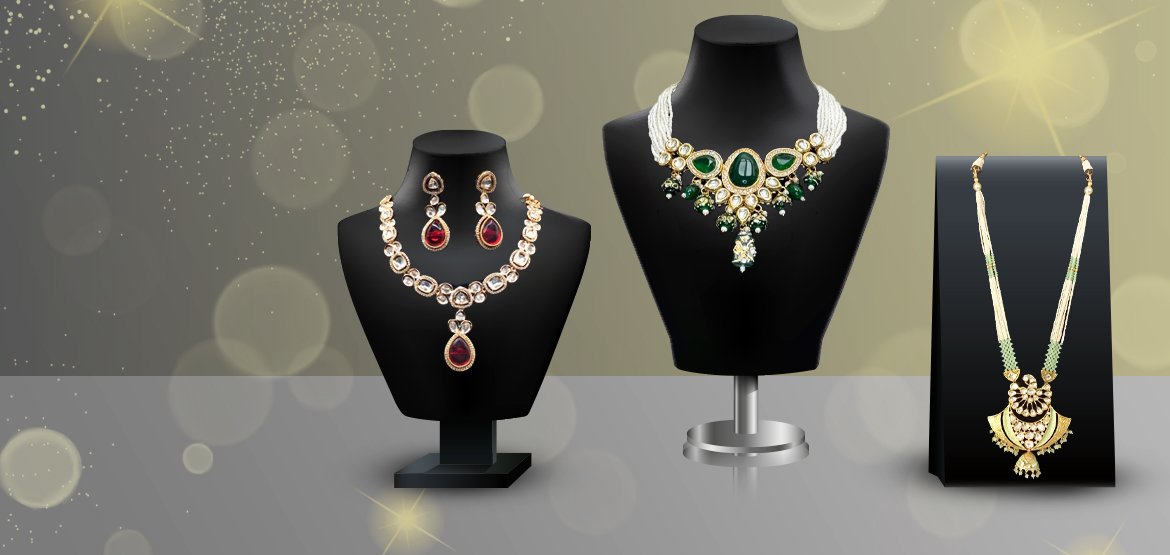
Kundan and polki work anchor much of the range. These sets use foiled glass or cubic zirconia stones set into gold-toned bases, replicating the layered, uncut-diamond look that Sabyasachi is best known for. Several designs pair kundan with moissanite for extra sparkle, giving the pieces a brighter finish than traditional kundan alone.
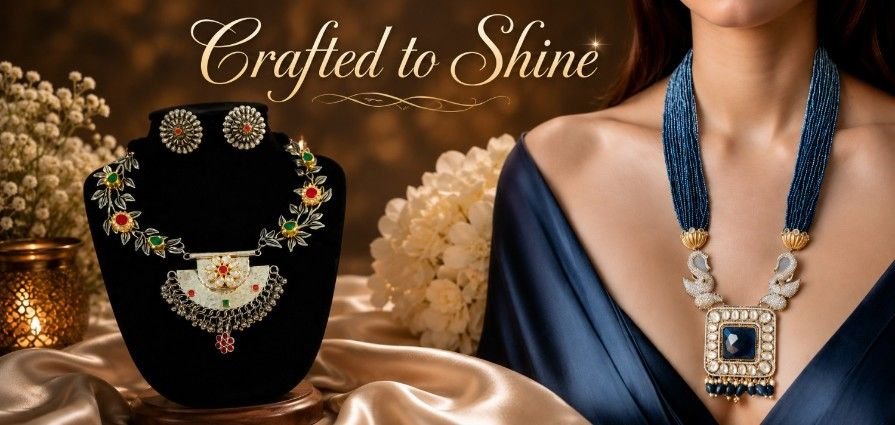
Color comes through in the meenakari pieces, where hand-painted enamel in shades of green, pink, and blue sits underneath the stone setting. These tend to suit lehengas and sarees in richer, more saturated shades, since the enamel detailing shows best against solid fabric colors rather than heavily printed ones.
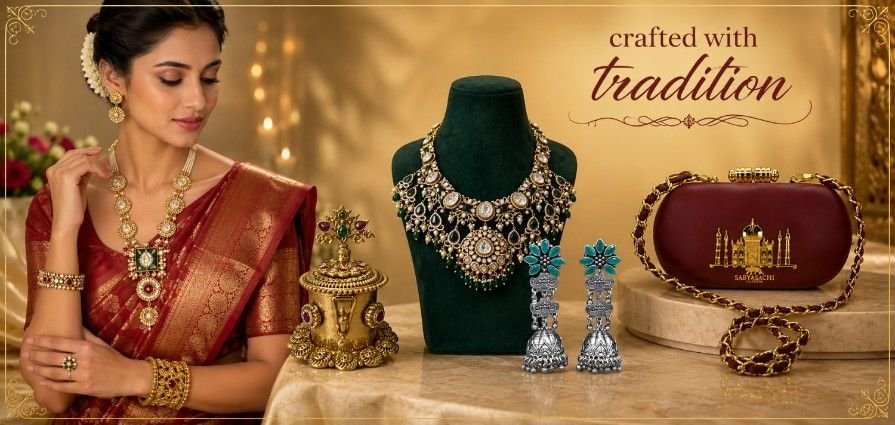
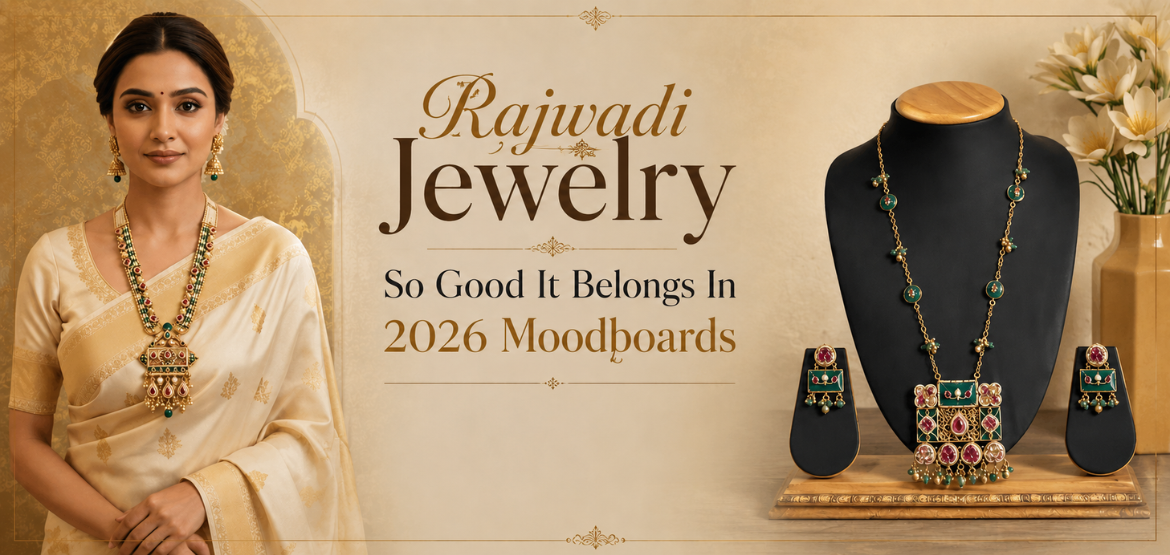
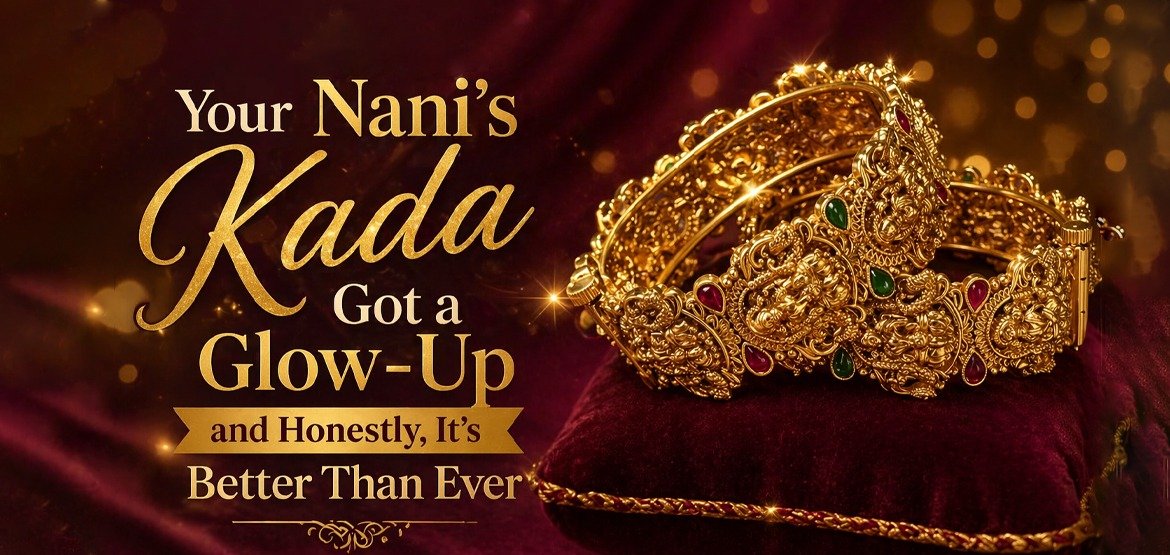
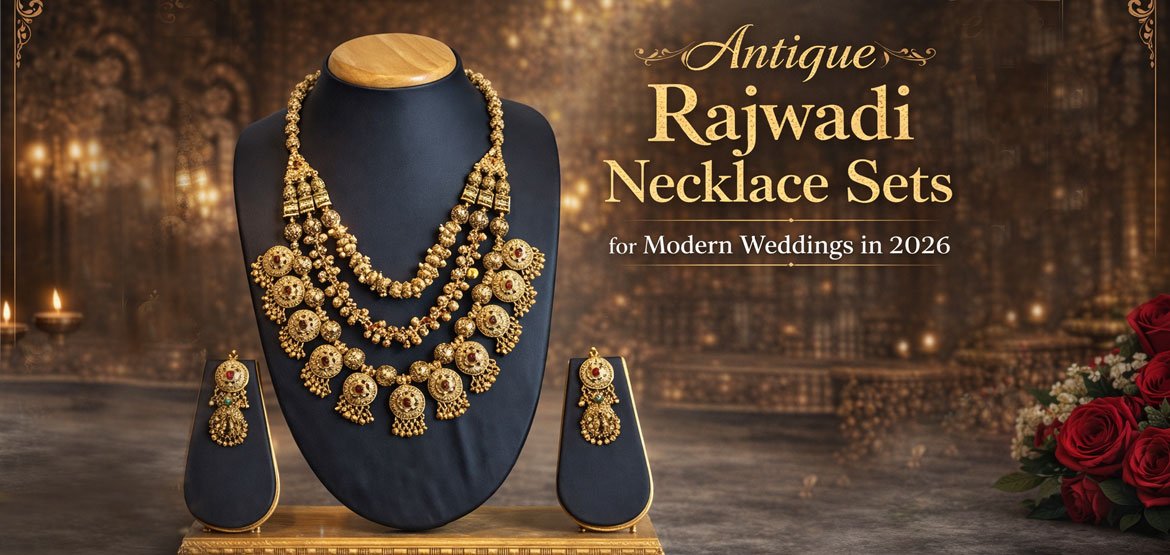
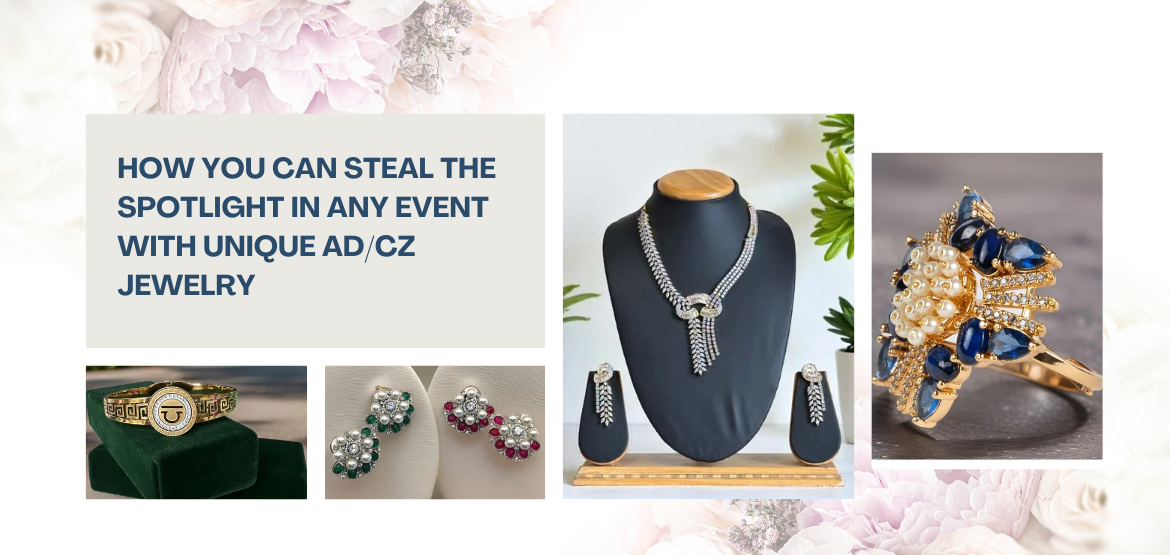
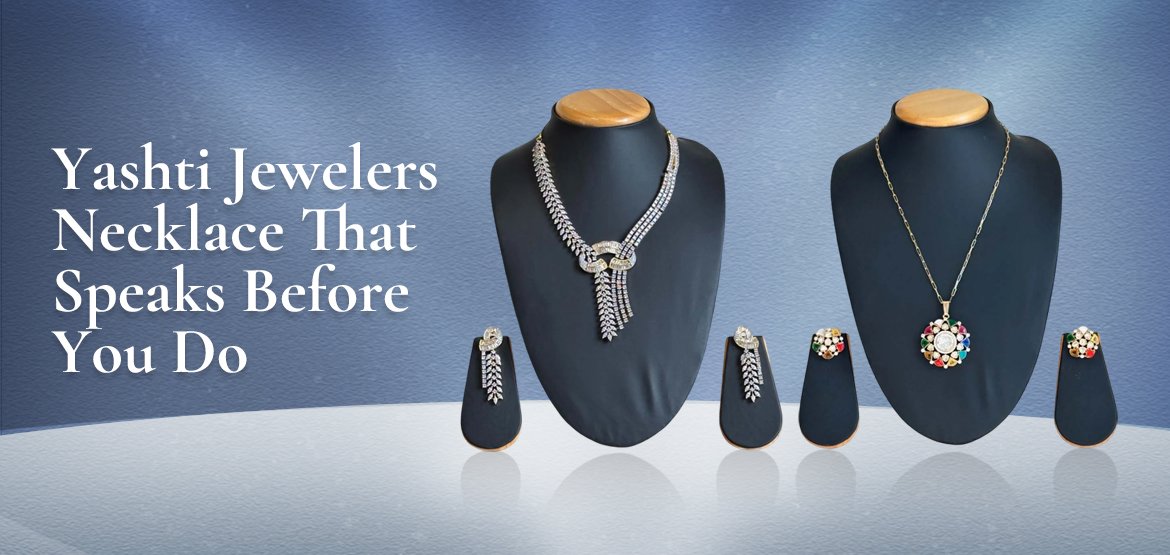
Victorian and antique finish necklaces round out the bridal-leaning styles. These sets use an oxidized or antique gold plating combined with CZ stones, mimicking the heirloom look of jewelry passed down through generations, even though the pieces themselves are new. Shoppers comparing Sabyasachi jewellery prices against this Victorian range tend to find the gap especially wide here, since the antique finish alone can carry a steep premium in the original designer pieces.
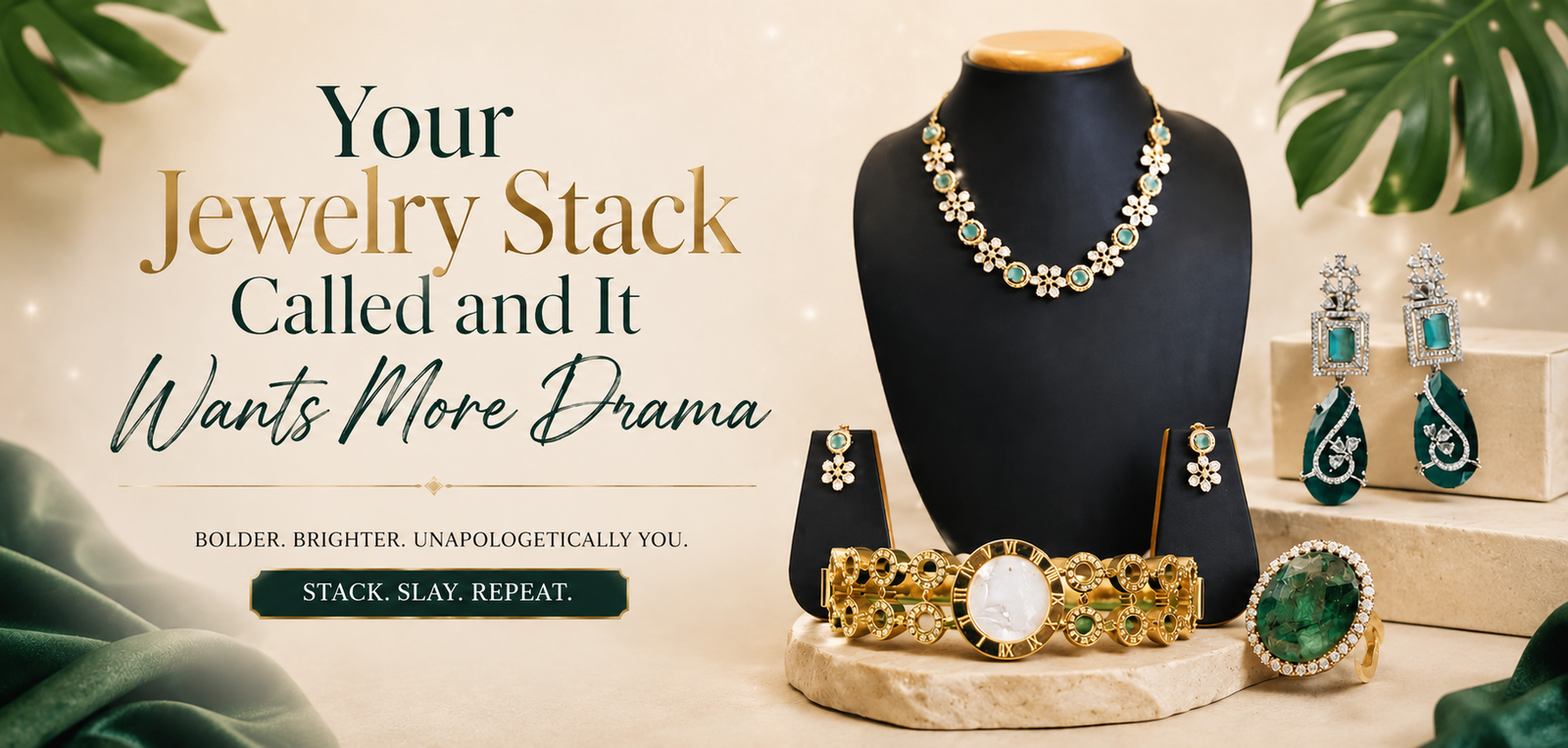
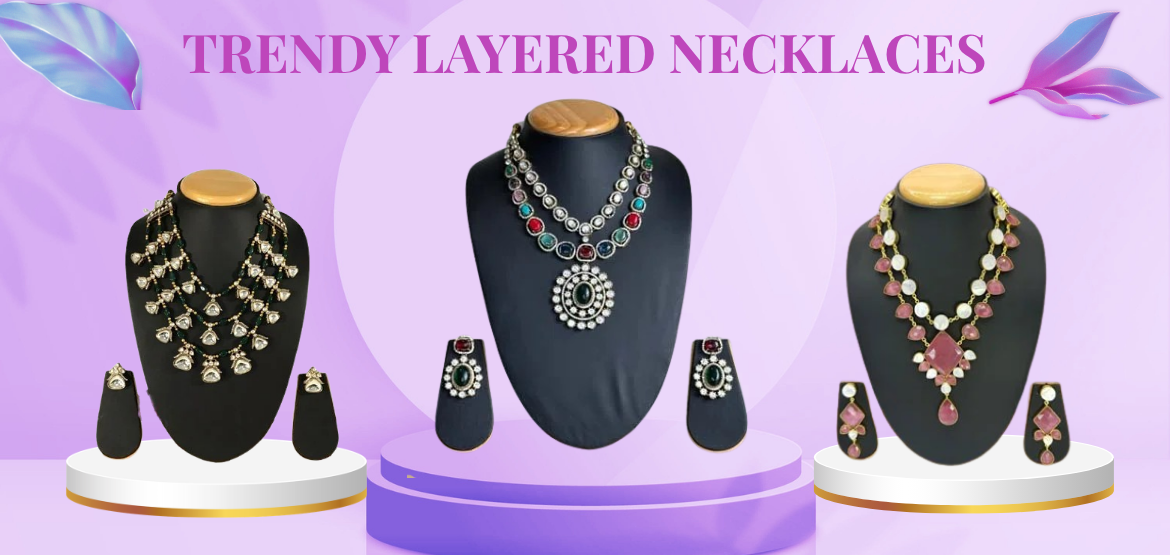
For everyday wear, the collection includes lighter pendant sets and long necklaces in ruby, emerald, and mother of pearl finishes. These are simpler in construction, meant for office wear, small gatherings, or layering under a kurta rather than a full bridal ensemble. Amrapali-inspired fusion pendants add another option, combining long chains with ornate pendant work for a piece that reads as bohemian rather than strictly bridal.
Clutches That Match the Same Design Language

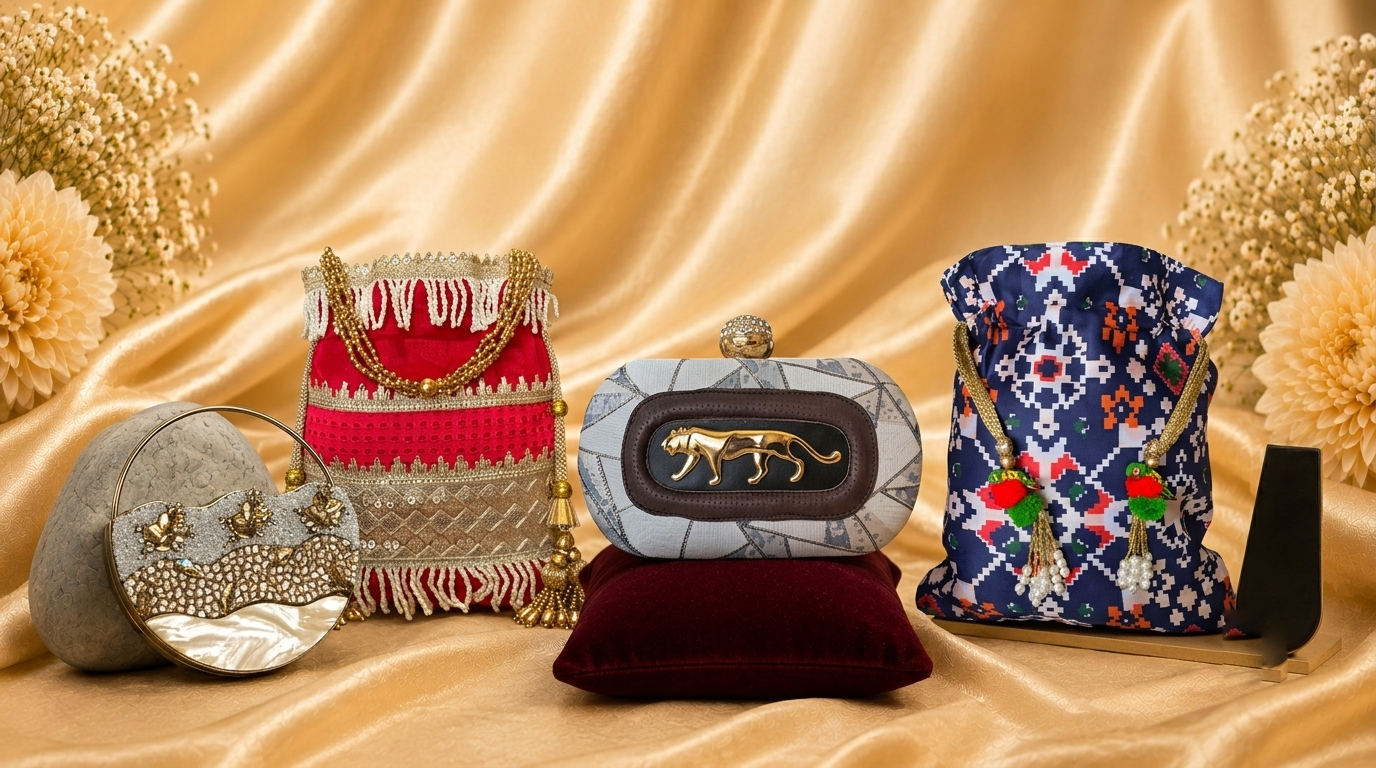
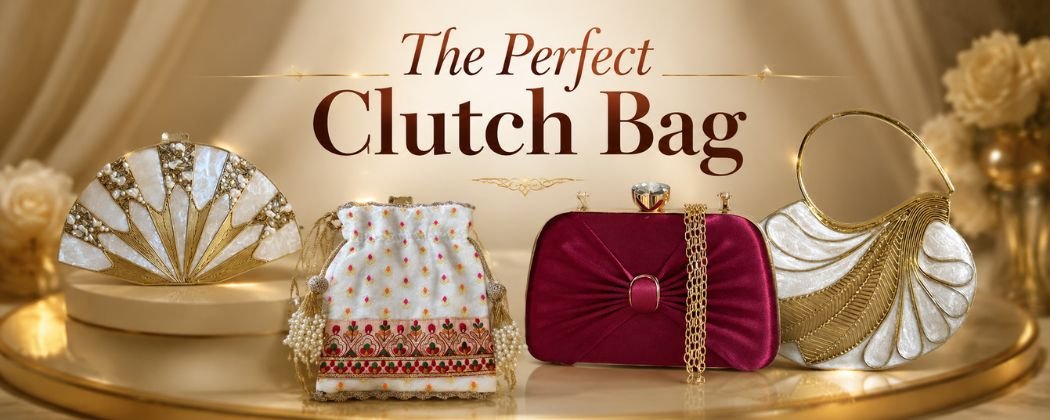
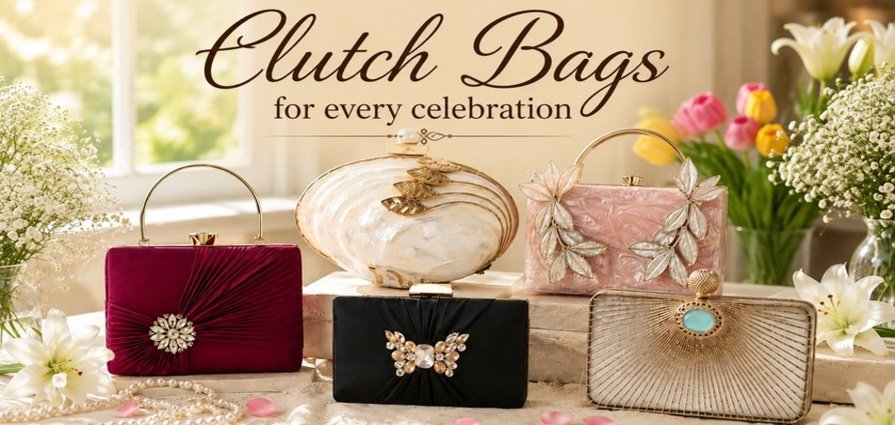
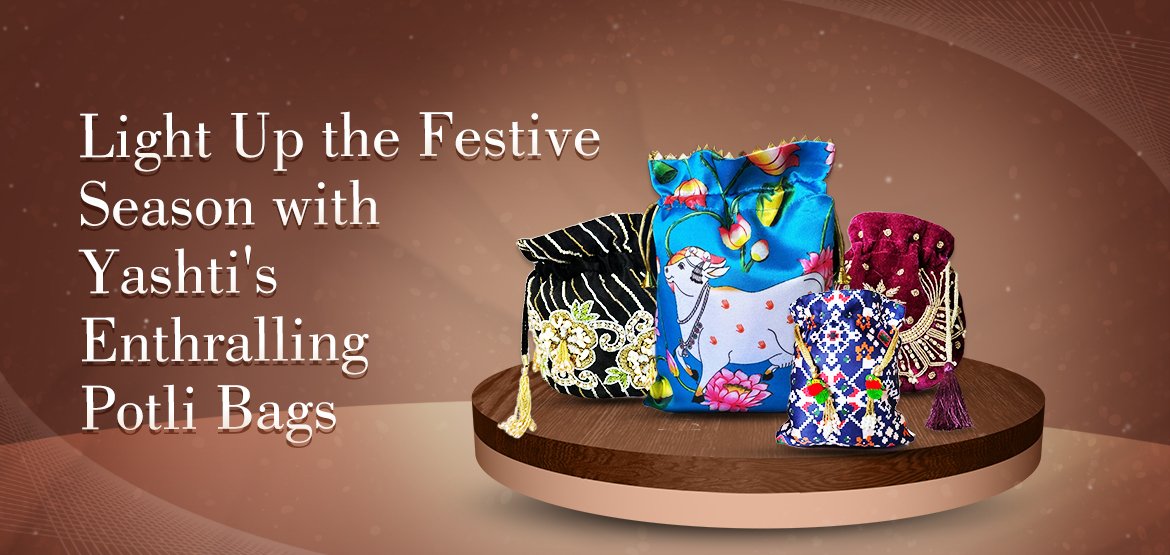
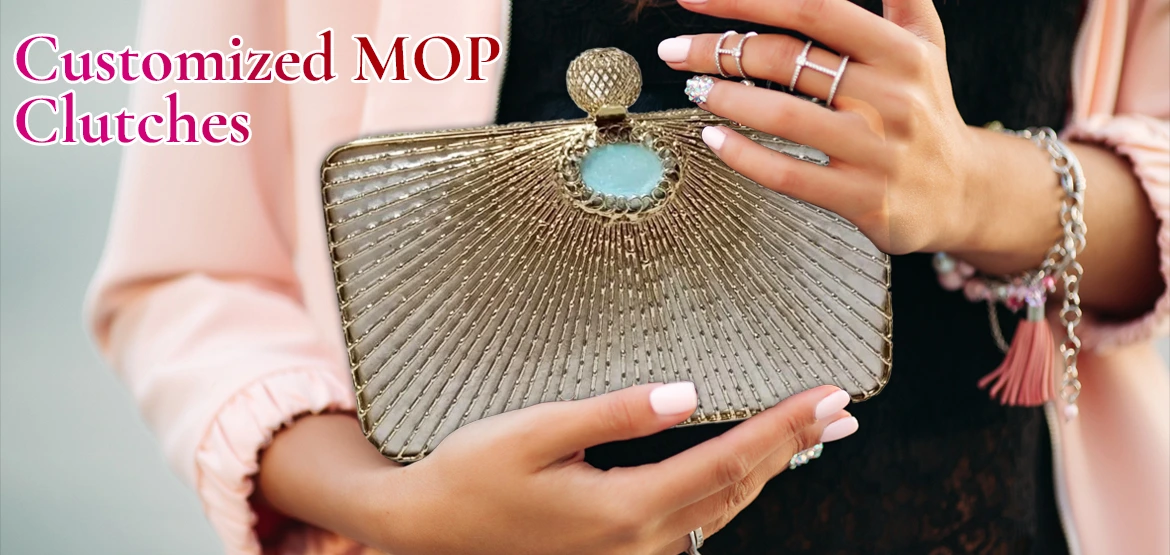
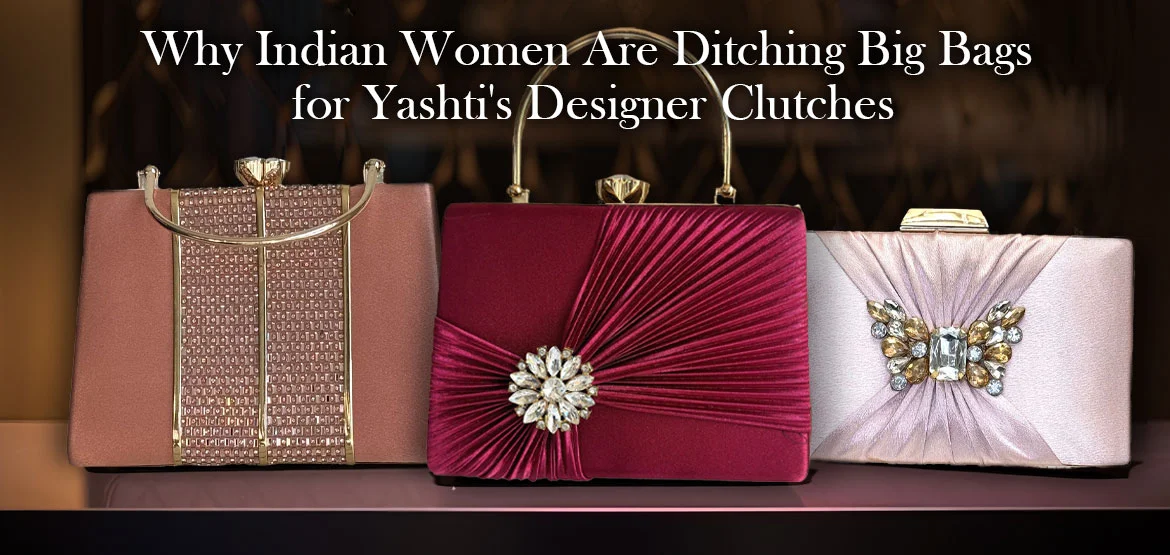
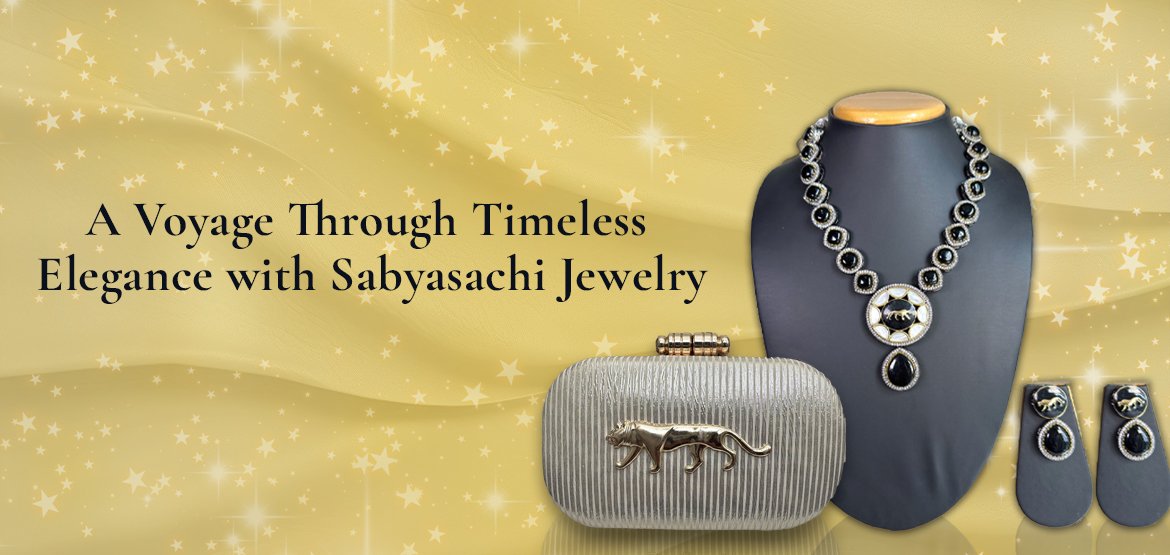
A jewelry set is only half the outfit, and Yashti Jewelers extended the Sabyasachi-inspired aesthetic into its clutch collection so the accessories match rather than compete. The clutches lean on the same motifs found in the designer's runway pieces, including tiger and animal print detailing, monument-inspired embossing, and heavy embellishment work.
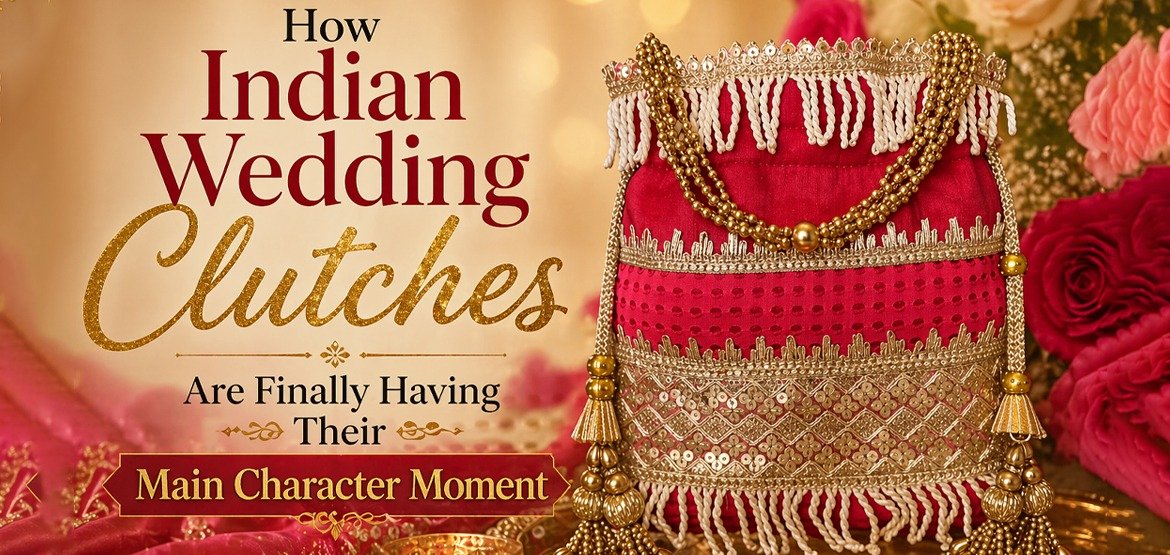
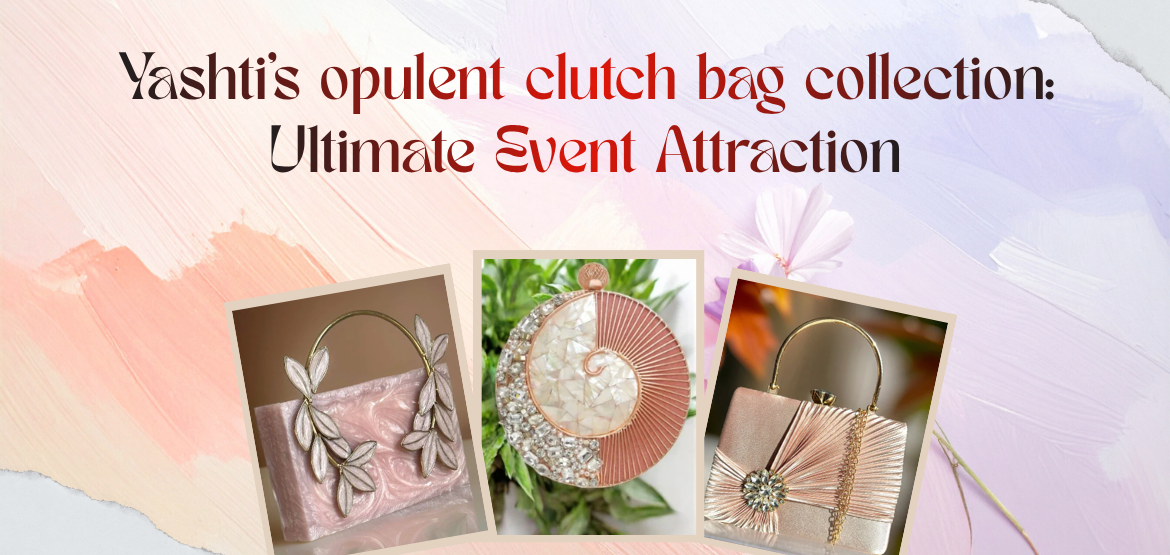
Several clutches use croco-embossed faux leather with gold-plated hardware, built to resemble the structured minaudière bags associated with high-end Indian couture. Others take a softer approach with velvet bases finished in sequins or hand-done satin thread work, which suits an evening reception better than a daytime function.
Suede leather sabyasachi clutch and rose gold finishes give the range some versatility outside of pure bridal wear. These pieces work for cocktail parties, engagement functions, or any event where the outfit calls for a structured bag rather than a soft potli. Most come with a detachable chain strap, so the same clutch can be carried by hand for photos or worn crossbody once the dancing starts.
Styling the Collection for Different Occasions

Building a look around these pieces comes down to matching weight and color to the event. Guests attending a wedding function, rather than the bride herself, generally do better with a single statement piece. A Victorian choker or a long pendant necklace worn alone, without stacking additional jewelry, keeps the look polished without competing with the bride's own pieces. For daytime functions like a haldi or a smaller family gathering, the lighter pendant sets or delicate chokers avoid feeling overdone.
A heavy kundan choker with a matching maang tikka suits a wedding ceremony or reception, especially when paired with a red or maroon lehenga where the gold tones stand out. For a bridal look women search for sabyasachi bride wedding jewellery. For sangeet or mehndi, meenakari pieces in brighter colors tend to photograph better under warm lighting and pair naturally with pastel or jewel-toned outfits.
Clutches follow a similar logic. Structured minaudière-style bags suit formal receptions and evening events, while the sequin or satin thread clutches work well for sangeet functions where movement and dancing are part of the evening. Suede and rose gold options are more adaptable, fitting both Indian and Western outfits, which makes them useful for anyone building a wardrobe that spans both.
Making the Sabyasachi Look Reachable for Shoppers
Original Sabyasachi bridal jewelry is largely sold through the designer's own boutiques in India, with price points that put it well outside reach for most shoppers, particularly those living outside India who would also need to account for travel and customs. Yashti Jewelers built its collection specifically to solve that problem for customers in the United States.
Pieces in the collection range from around thirty dollars for simpler chokers and pendant sets up to a couple hundred dollars for elaborate bridal-weight necklaces, a fraction of what an original piece would cost. The company ships within the USA and has expanded shipping to Canada, the UK, Ireland, Germany, and Australia, making the sabyasachi jewellery online collection accessible to a wider audience.
Every piece in the online catalog includes detailed photography and sizing information, since online jewelry shopping carries the added challenge of not being able to try a piece on before buying. Customer service support is available for sizing questions or styling advice, which matters most for first-time buyers unfamiliar with how a choker or a long necklace set is supposed to sit.
Building a Wardrobe Around the Collection

Shoppers building out a full ethnic wardrobe often start with one or two versatile pieces rather than buying an entire matching set at once. A neutral kundan choker or a mother of pearl pendant necklace tends to work across multiple outfits, making it a reasonable starting point before adding more occasion-specific pieces like a meenakari set or a bridal-weight choker.
For those planning a wedding season with multiple functions, coordinating jewelry across the mehndi, sangeet, wedding, and reception can get expensive fast if every piece is purchased separately at full retail prices. The Sabyasachi inspired jewelry collection at Yashti Jewelers gives shoppers a way to build that full rotation of jewelry, from lighter daytime pieces to heavier bridal chokers, without the cost adding up the way it would with an original designer piece.
The collection continues to expand with new necklace and clutch designs added regularly, so shoppers who have already purchased from the range have reason to check back for new arrivals rather than treating it as a one-time purchase. For anyone in the USA looking to bring Sabyasachi's signature bridal aesthetic into their own wardrobe, the collection offers a practical way to do it without the designer price tag attached.
Shop the Sabyasachi Collection Online at Yashti Jewelers
Yashti Jewelers ships the full Sabyasachi Collection across the USA, along with Canada, the UK, Ireland, Germany, and Australia, so distance is no longer a reason to skip out on this look. New necklace, choker, and clutch designs are added to the collection regularly, giving returning shoppers fresh options for each wedding season. Browse the collection online, check sizing details on each product page, and reach out to the Yashti Jewelers team directly for styling help before placing an order.
FAQs
1. How much does a Sabyasachi inspired necklace or choker typically cost?
Prices generally start around thirty dollars for simpler chokers and pendant sets and go up to a couple hundred dollars for elaborate bridal-weight necklaces, which is a small fraction of what an original designer piece would cost.
2. Are these pieces suitable for a full wedding function, including the reception?
Yes. Heavier kundan and polki style chokers work well for the wedding ceremony and reception, while lighter meenakari or pendant pieces suit smaller functions like a haldi or mehndi where a more understated look fits better.
3. Which countries does Yashti Jewelers currently ship this collection to?
Orders ship across the United States as well as to Canada, the UK, Ireland, Germany, and Australia, so shoppers outside India still have access to the collection.
4. How does someone pick between a kundan set and a meenakari set?
It comes down to the outfit and the event. Kundan and polki pieces pair naturally with deep reds, maroons, and gold-toned lehengas for bridal functions, while meenakari sets with their enamel colorwork tend to photograph well against pastel or jewel-toned outfits at sangeet or mehndi events.
5. Can these clutches be worn with outfits outside of Indian ethnic wear?
Several styles, particularly the suede leather and rose gold finishes, work equally well with Western cocktail dresses and evening wear, making them useful beyond a strictly Indian wedding wardrobe.