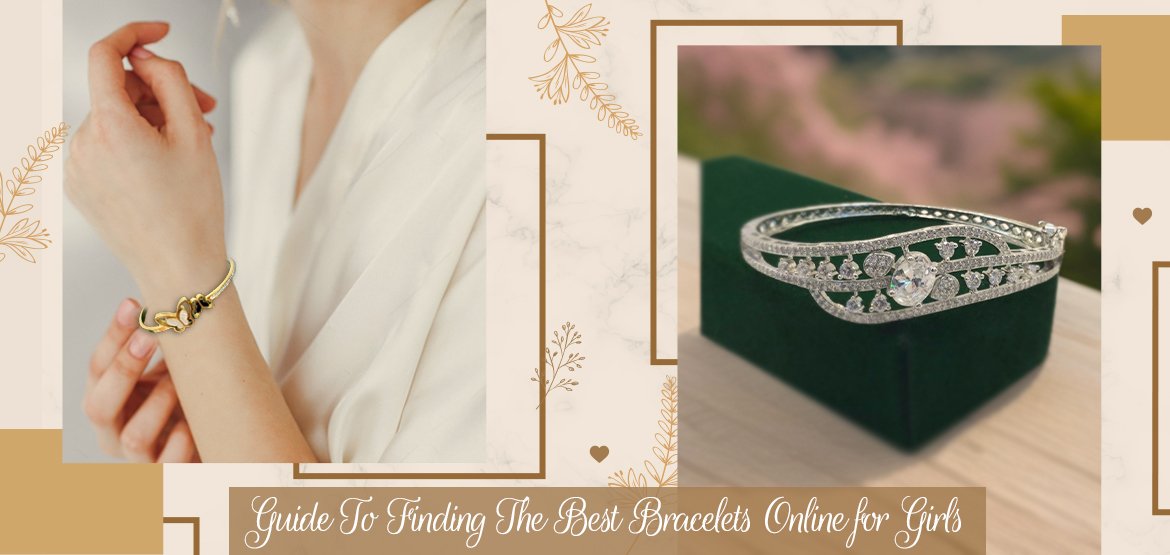
Every jewelry box has a small archive sitting inside it. A bracelet from someone's wedding. Another bought on a birthday, half on impulse. One that was never meant to be a favourite but became one anyway, just from being worn too often to put back.
Bracelets do this better than most jewelry. A thin band can lift a plain outfit without demanding much attention. A heavy kada can stand up to an entire embroidered lehenga and not look out of place. The difference isn't really about design at all. It's about the day the piece was bought for, and the wrist it eventually settles on.
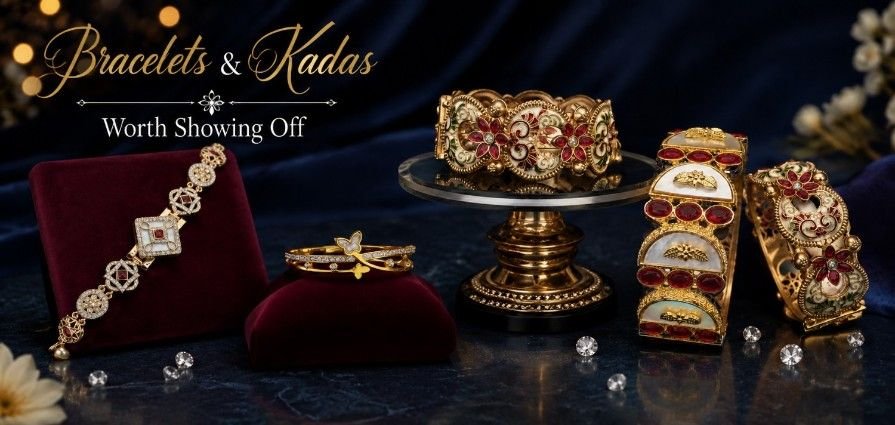
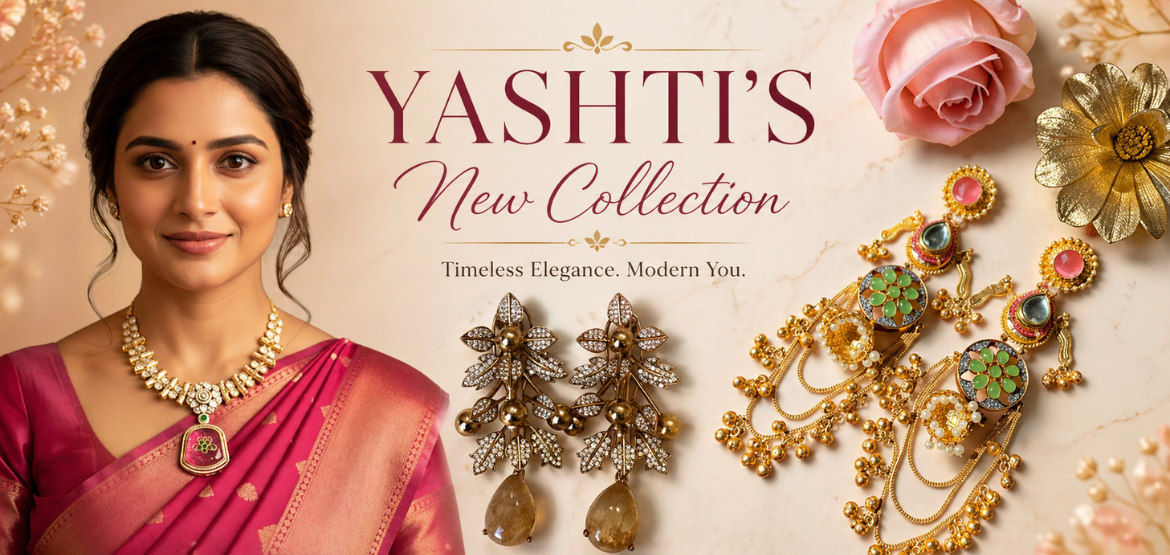
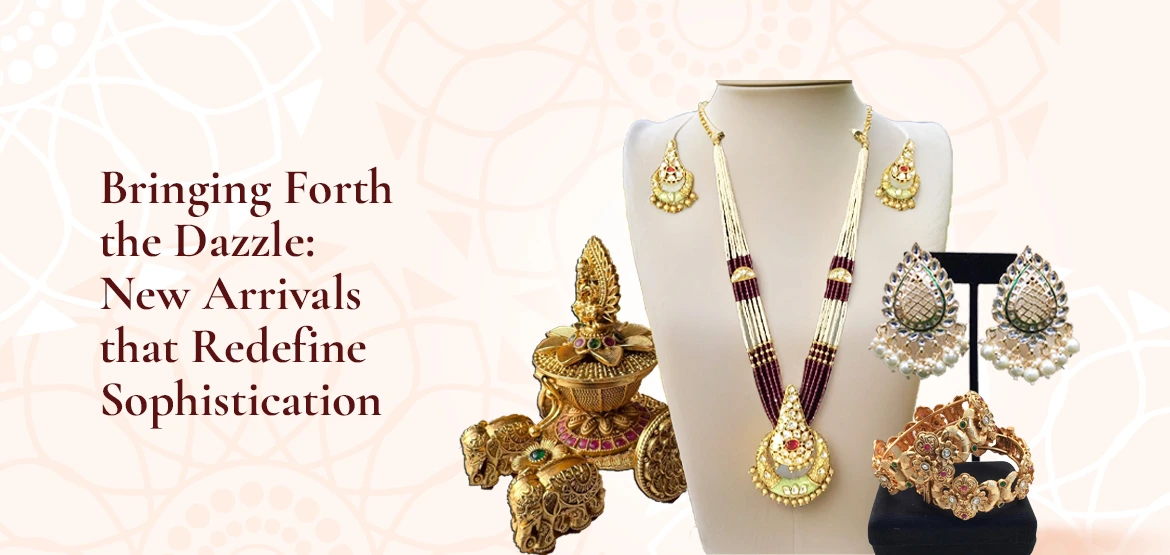
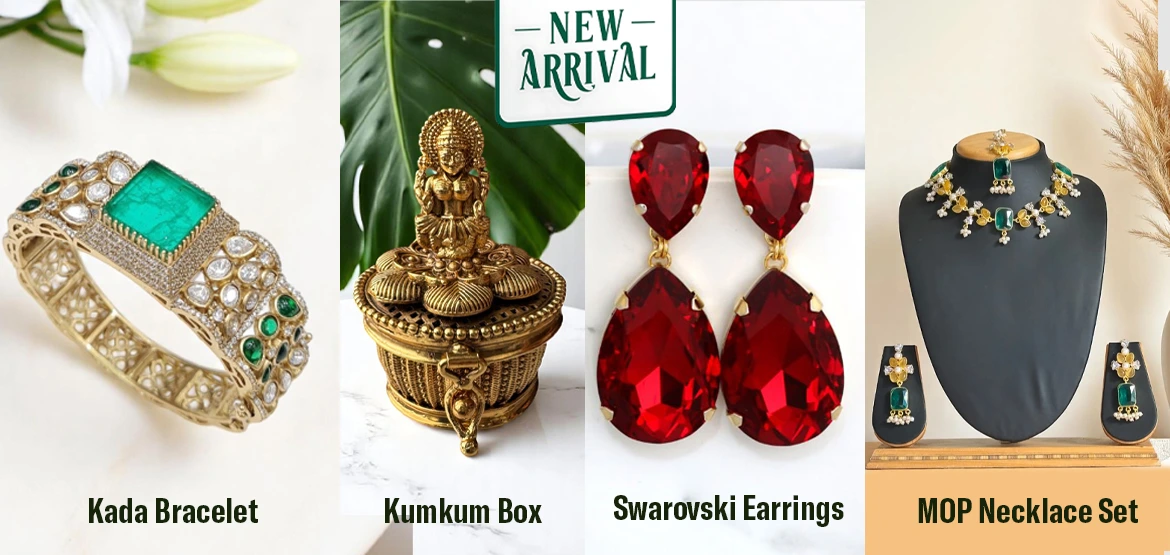
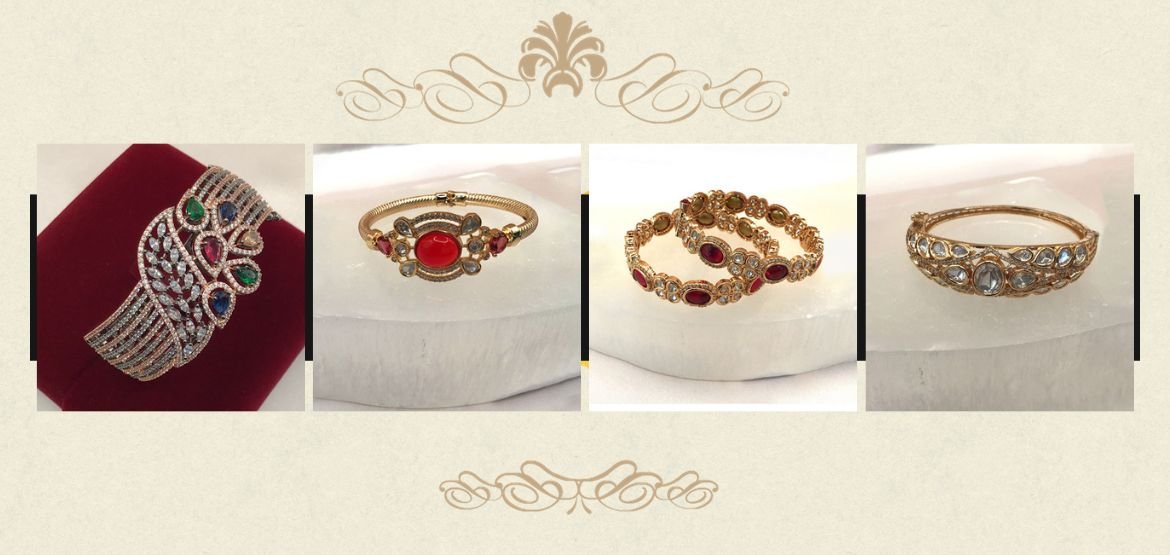
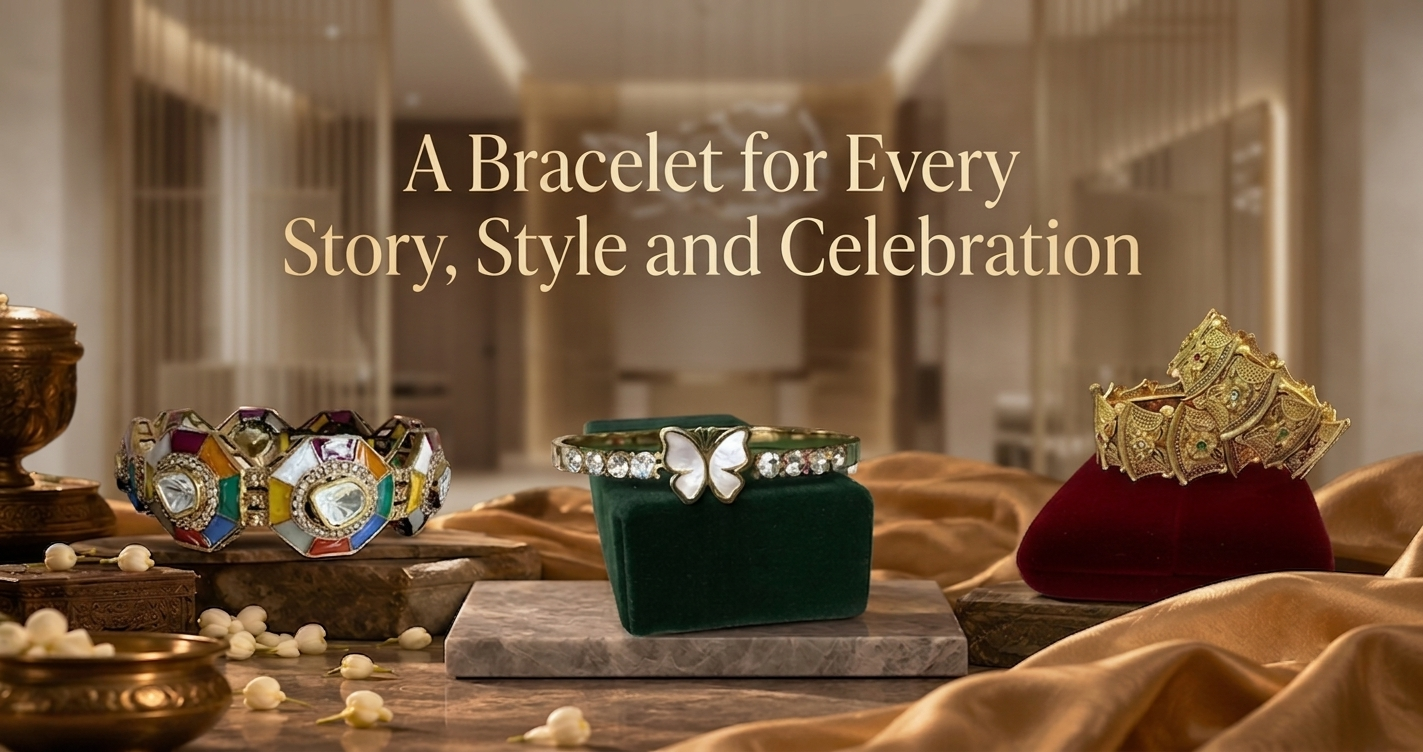
Yashti Jewelers' kada bracelet collection covers that whole spread. Kundan and Rajwadi sit next to AD/CZ, MOP, charm bracelets and a run of kadas, each with its own personality. Plenty to choose from, and plenty of reasons to slow down before choosing.
Outfits That Were Built for Jewelry

Some clothes practically ask for it. A saree with dense zari work, chosen for a wedding. An embroidered lehenga. A festive Anarkali that already has enough going on. In these cases, a detailed bracelet or kada doesn't feel like too much. The outfit already set the bar high.
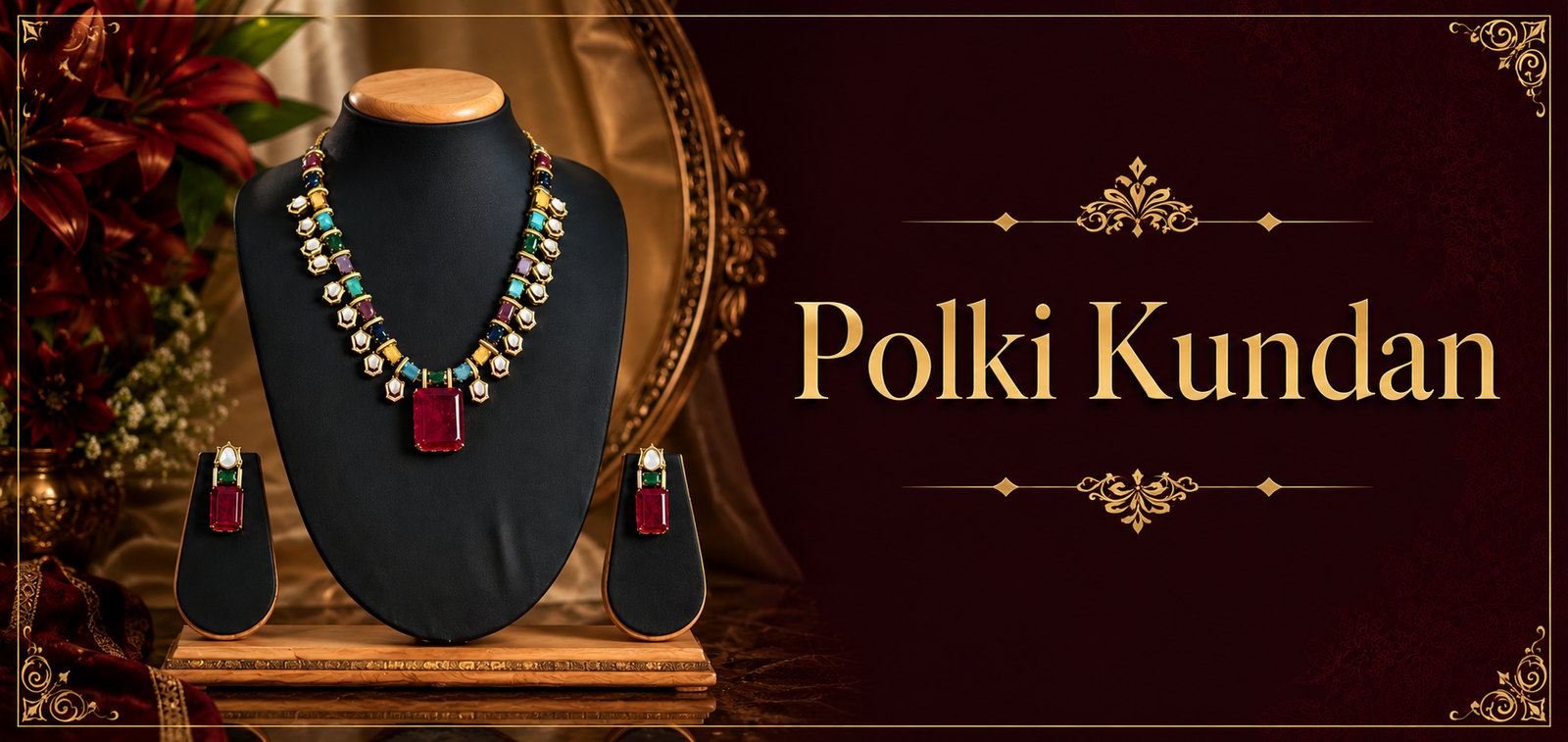
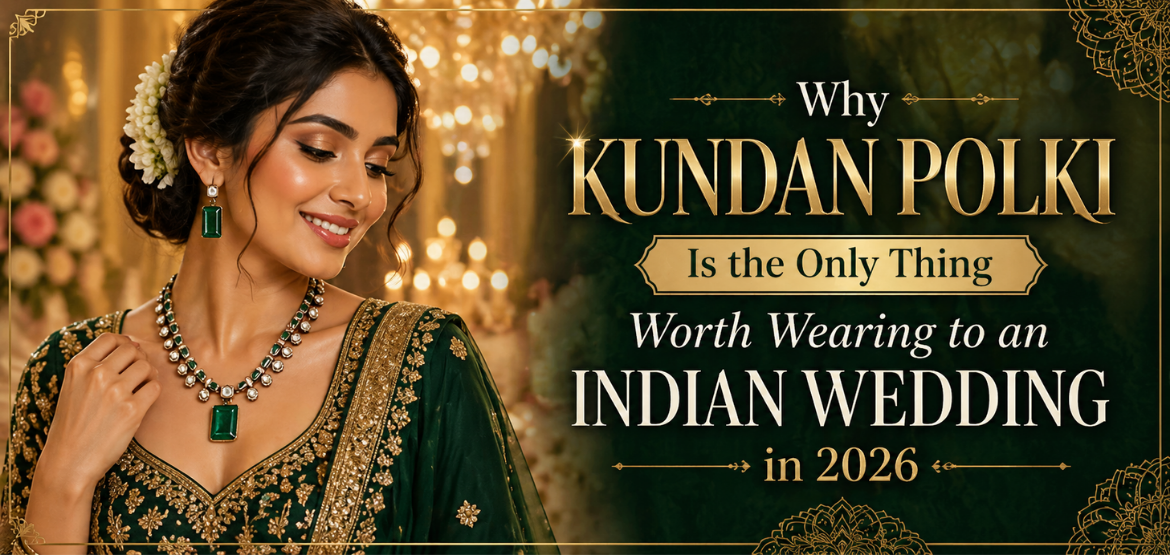
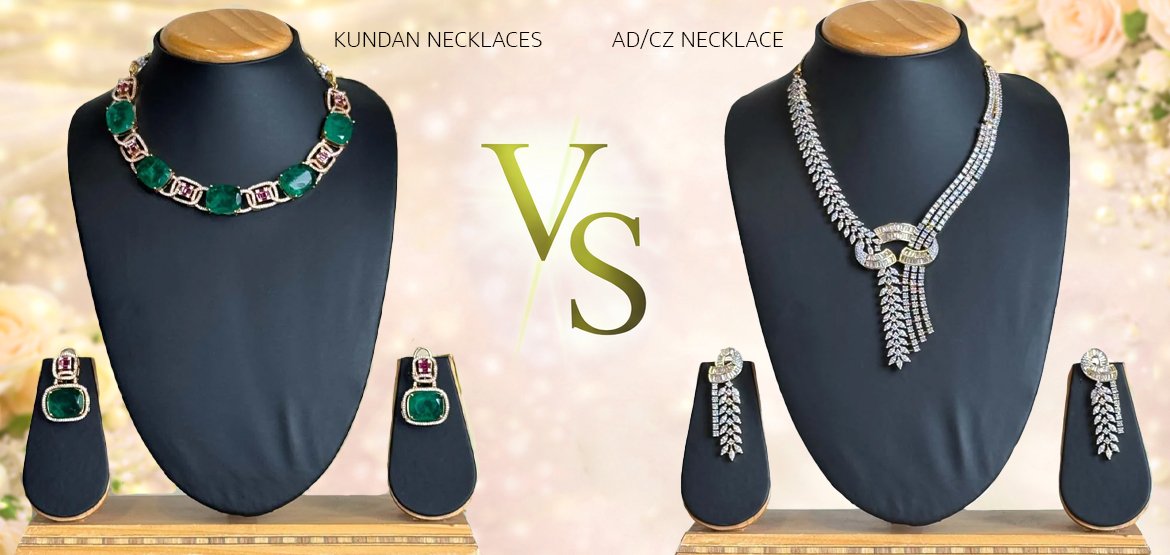
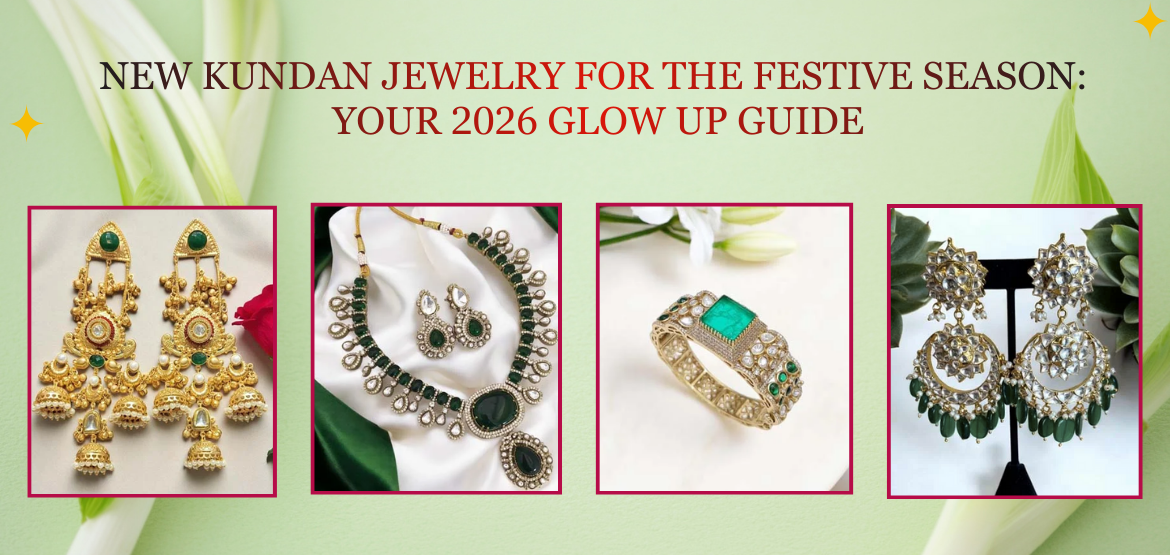
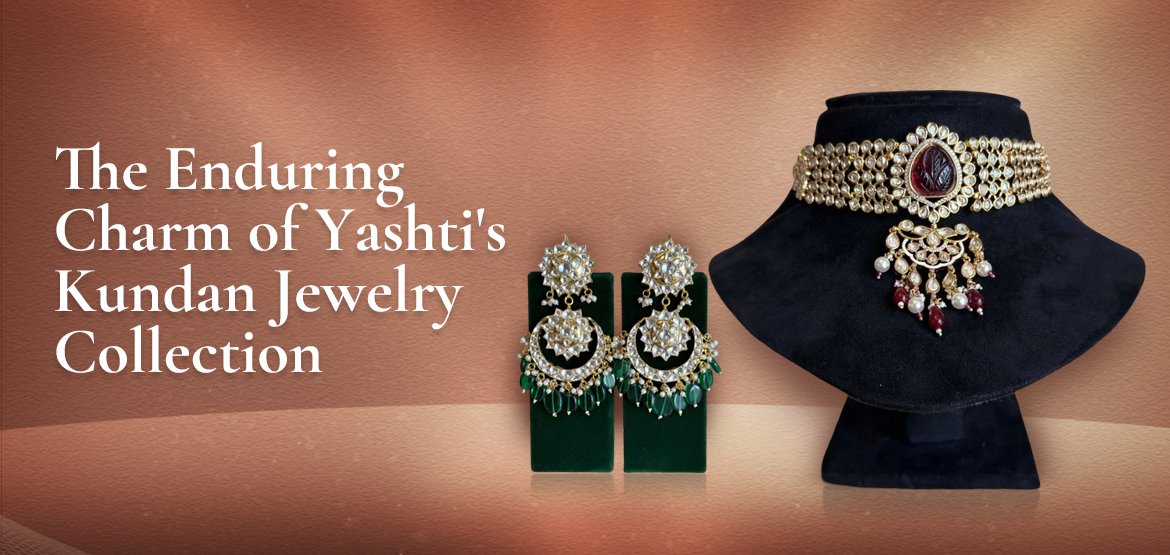
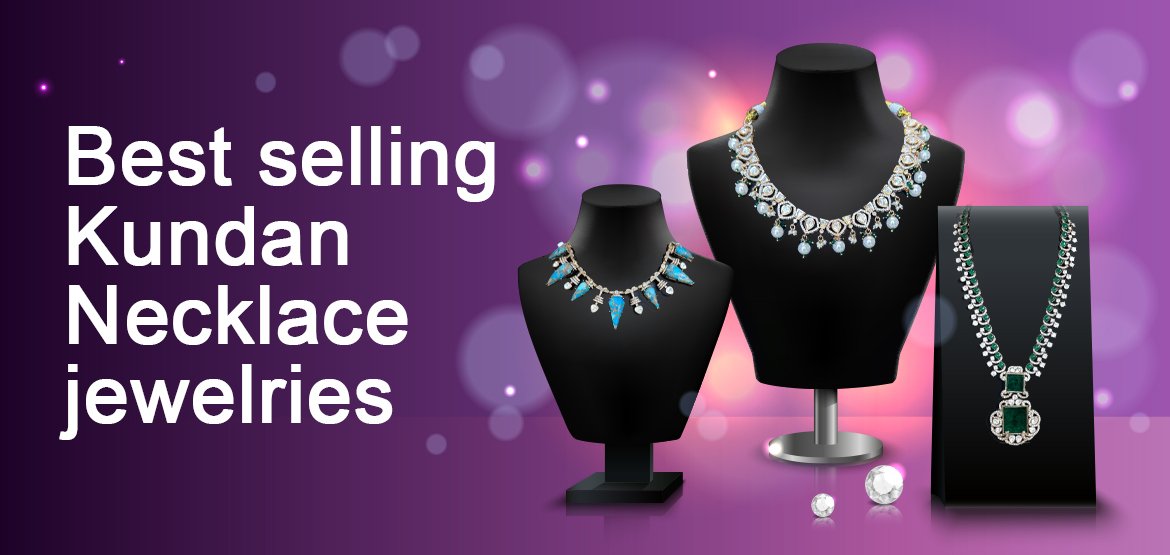
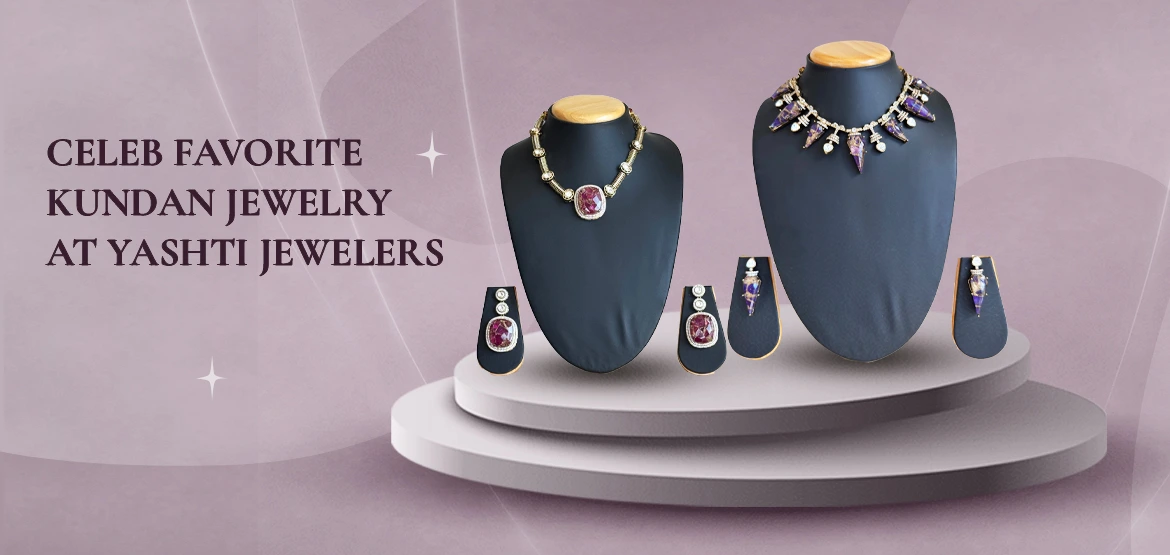
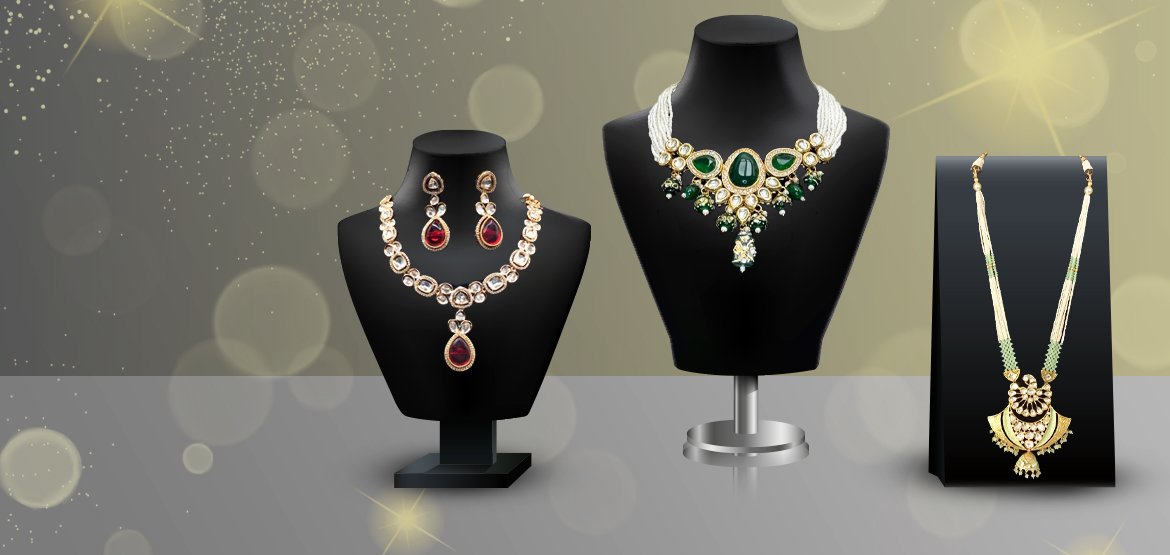
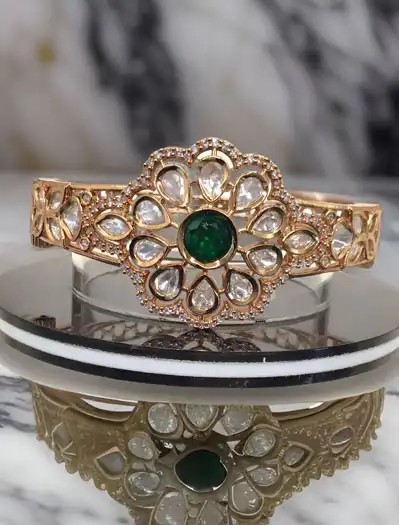
Kundan bracelets suit this kind of dressing. The stonework has weight and shine that reads as festive from across a room, whether it's part of a full traditional set or worn alone against something simpler.
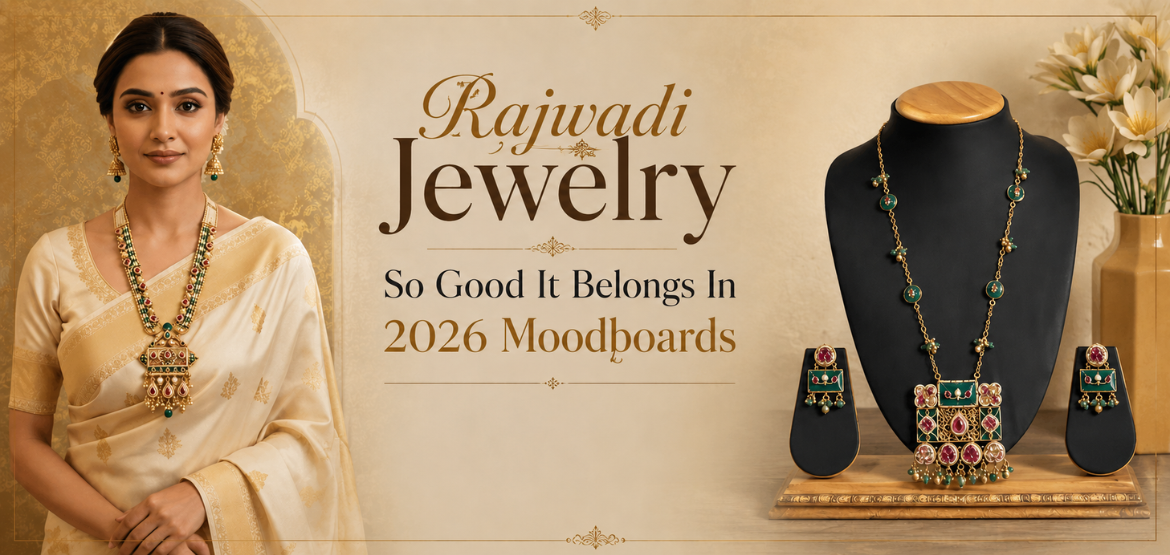
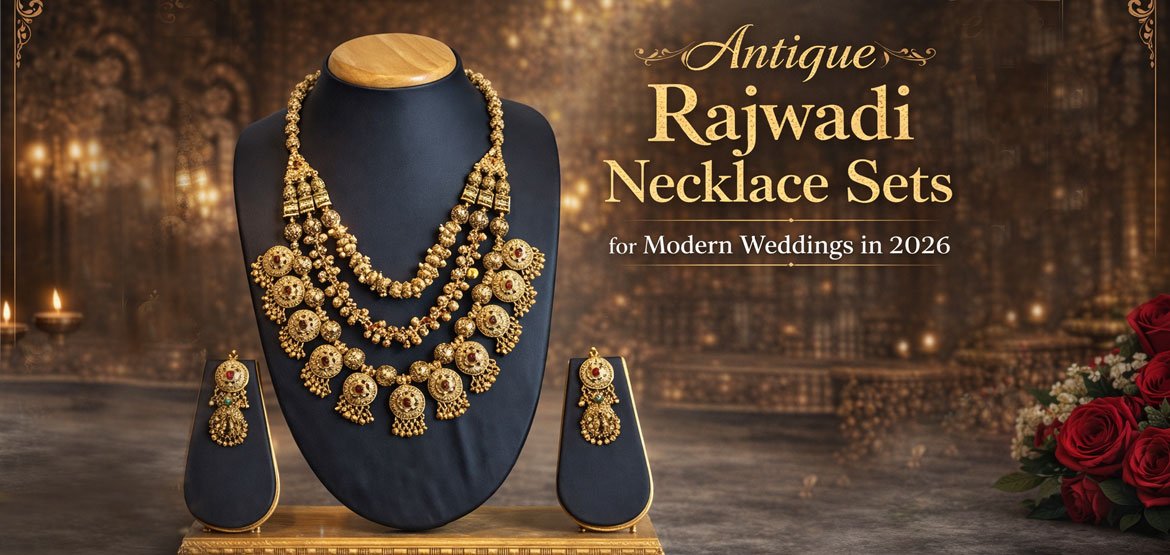
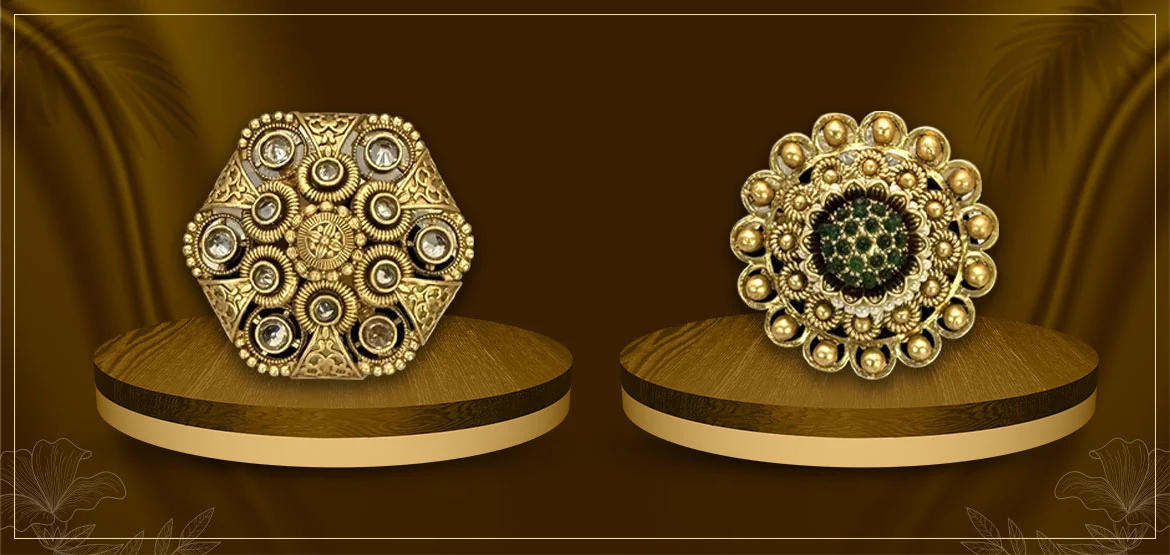
Rajwadi pieces bring something else entirely, a slightly old-world, courtly feel that works well at weddings and big family functions.
One good bracelet kada is usually enough here. Against a heavily worked outfit, more jewelry doesn't always mean more impact. Sometimes it just competes with itself.
Bracelets That Stay On

Then there's the other kind. Bought for no particular occasion, worn for most of them.
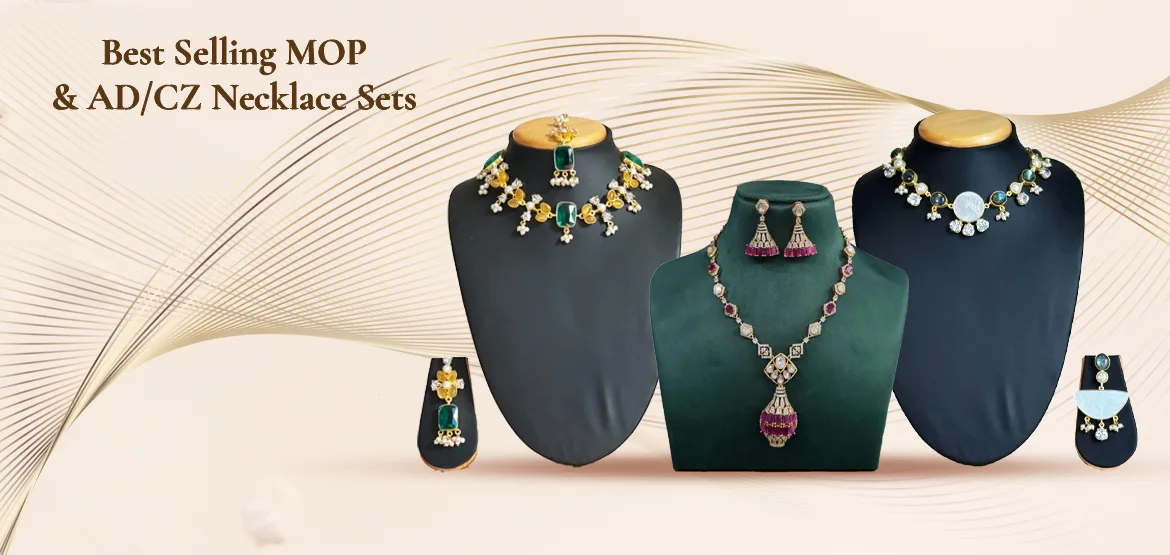
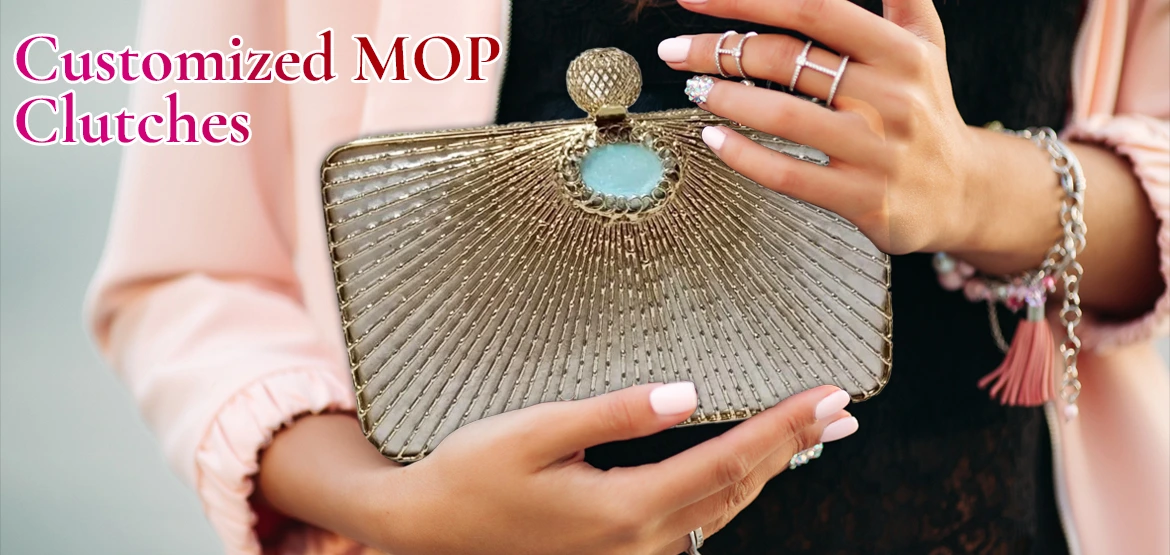
MOP bracelets fall into this group. Mother of pearl carries a softer, more muted lustre than faceted stones like CZ or Kundan work. It was never meant to catch the eye from across a room, which is precisely its appeal for anyone who prefers jewelry with quiet presence over obvious sparkle.
Charm bracelets earn their place a different way. With charm bracelets, the design as a whole rarely matters as much as the single charm carried on it, a shape tied to a memory, or simply one that felt right at the time it was chosen. It is one of the few categories of bracelet not really selected to match an outfit at all, but to reflect something more personal.
An MOP or charm bracelet earns its place differently from most jewelry. Kadas for ladies can have the same everyday appeal when the design feels easy to wear. It is worn on more days than almost anything else in the collection, precisely because it never needed an occasion to justify being picked up.
When the Kada Is the Whole Point
A kada plays by different rules.
A kada is big enough to be the first thing anyone notices, so it works best when nothing else on the outfit is asking for the same attention. With traditional wear, an intricate kada can echo the embroidery and colours already doing the work elsewhere. Paired with a plain saree or a solid colour, it can be the one thing that makes the outfit look finished.
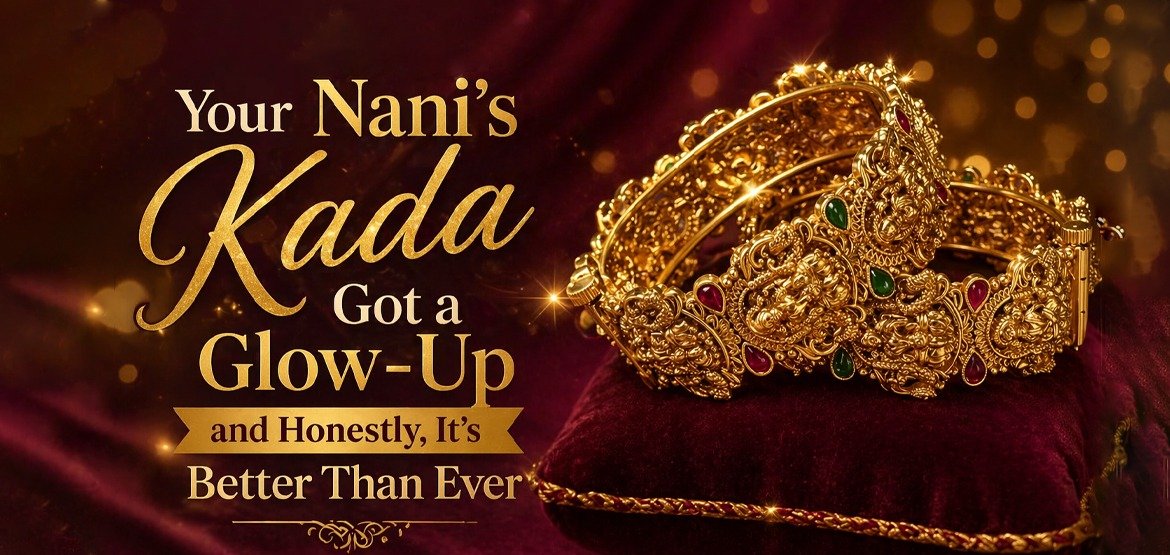
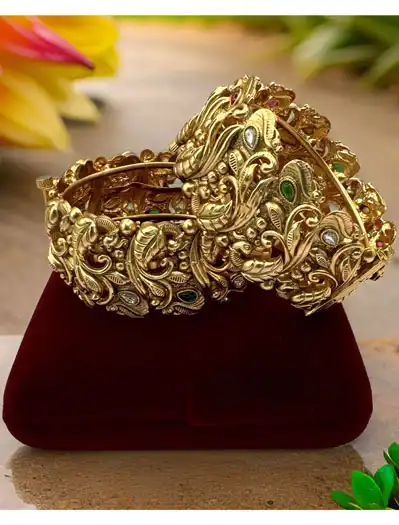
Yashti Jewelers' kada range includes Rajwadi and Temple-inspired styles, plus openable versions for anyone tired of wrestling a heavy cuff on before an event. Temple-inspired kadas draw on motifs rooted in traditional South Indian ornamentation, instantly recognisable to most who see them. That visual language is strong enough on its own, allowing a single kada to look complete without a matching necklace or pair of earrings alongside it.
For an evening where the wrist is meant to carry the entire look, well-chosen kada bangles will often make a stronger impression than two or three smaller bracelets worn together.
A Different Kind of Shine
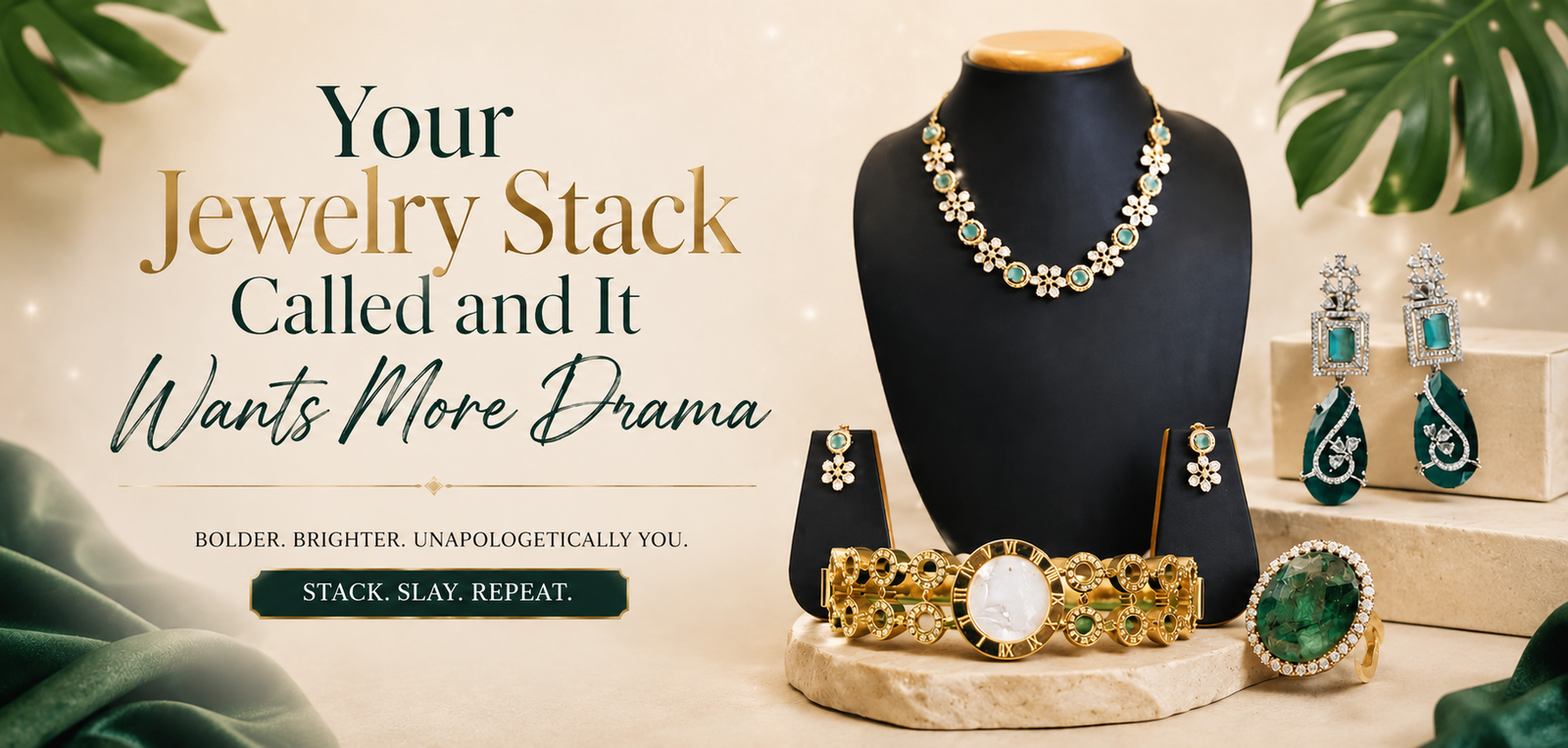
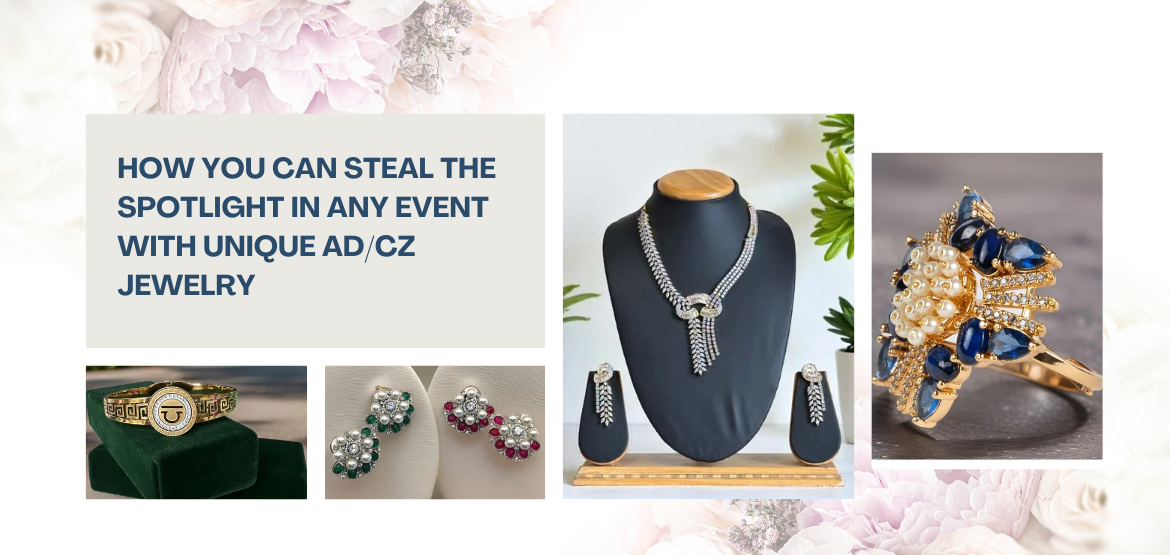
AD and CZ bracelets sit in the middle, somewhere between everyday and occasion wear. Their whole appeal comes down to how well they catch light.
That makes them a natural fit for dinners and evening plans, though quite a few designs are subtle enough to wear on an ordinary day too. A fine CZ bracelet with a dress reads as polished, not overdone. A busier design can be balanced out with plainer earrings if the bracelet is meant to be the main event.
There's also space to play here. A delicate bracelet can sit next to a watch, or another slim piece, as long as nothing is competing too hard for attention. The outfit follows the same rule. Heavily embellished clothing calls for a quieter wrist. A simple outfit gives a detailed bracelet the room it needs to actually be noticed.
Choosing What Actually Fits
The wardrobe, more than the display case, is where the decision should really begin.
For a wardrobe built primarily around sarees and lehengas, Kundan, Rajwadi and Temple-inspired pieces will see considerably more use. A kada for women can also work well with traditional wardrobes, while a wardrobe leaning toward dresses, shirts and contemporary Indian wear tends to draw more often on AD/CZ, MOP or charm bracelets instead.
There is no obligation to commit to a single category over the others. A mixed collection tends to work better in real life anyway. A heavy kada isn't going to be the pick for a Monday morning, no matter how beautiful it is. A delicate everyday piece might get worn constantly but won't carry the weight a wedding reception needs.
Wrist size matters more than people expect. Wider pieces read stronger. Slimmer ones sit lighter, almost forgettable in a good way. For anything with real volume, an openable design will save a fair amount of hassle down the line.
Weigh how it looks against how often it'll actually get worn, and the right answer usually shows itself.
Skip the Overthinking
Styling becomes far more difficult than it should be once every piece is expected to match the rest exactly.
A bracelet or a combination of bangles and kada does not necessarily need to be accompanied by a matching necklace or earrings to hold its own. Even a Kundan bracelet, worn with nothing more than a plain pair of studs, can carry a festive look without the outfit turning into a fully coordinated set. Daily wear works the same way. A slim bracelet next to a watch is an easy combination, mostly because neither piece is trying to compete.
Save the layering for when a bit more detail feels right. Two or three bracelets of varying widths can be layered together effectively, particularly when their finishes sit close in tone. A kada, too, can be paired with slimmer bangles, though the effect tends to read cleanest when the kada remains the clear focal point and the bangles stay secondary.
Good styling is often just knowing where to stop.
More Than a Bracelet, Eventually
The interesting part of a piece of jewelry usually happens after it leaves the store.
A bracelet bought for a daughter's wedding tends to resurface years later, at anniversaries, at family functions no one saw coming when it was first bought. A birthday gift quietly becomes part of the everyday rotation. India bracelets can carry that same sense of occasion and familiarity, becoming pieces that stay in a jewelry collection for years. A piece bought for no reason beyond being beautiful sometimes ends up being the one worn the most.
Occasion and personal style were never really separate things. A piece of jewelry rarely remains tied to the occasion it was originally bought for. Something chosen for a single celebration can just as easily resurface years later, worn on an entirely ordinary day. A bracelet that once felt too special for daily wear becomes the one reached for on a random Tuesday. The original reason for buying it matters less with every year that passes.
Room for Every Kind of Story
Few jewelry collections end up resembling one another, and there is little reason they should.
One might be full of ornate Kundan and Rajwadi pieces. Another might lean almost entirely on delicate bracelets and charms. Someone else might collect bold kadas that can turn even the plainest outfit into something worth noticing.
Yashti Jewelers' kada bracelet collection was built with all of that in mind, not narrowed down to a single look. Kundan, AD/CZ, MOP, charm, Rajwadi and Temple-inspired styles each answer the question differently.
For anyone browsing bracelets for women, that range changes the search itself. It stops being about what's trending and starts being about what will actually get worn, again and again, until it stops feeling like an accessory and starts feeling like hers.
Frequently Asked Questions
Q1. What makes a kada bracelet different from a regular bangle?
A kada bracelet is broader and heavier than a standard bangle, which is what gives it presence on the wrist. Bangles and kada pieces are often layered together, but a single kada can carry an entire outfit on its own, especially when the rest of the look is kept fairly simple.
Q2. Which kada bangles work best for everyday wear?
Openable kada bangles tend to suit daily wear best, since they go on and off without any fuss. Slimmer Rajwadi-style kadas and understated MOP pieces are also worth considering for a kada for women that doesn't feel too formal for regular use.
Q3. Can a bracelet kada be worn with other jewelry?
Yes, though restraint usually works best. A kada can be paired with a few slim bangles as long as it stays the clear focal point of the look. Pairing it with a heavily matched set tends to take attention away from the kada rather than add to it.
Q4. What should be considered when choosing kadas for ladies for weddings or festive occasions?
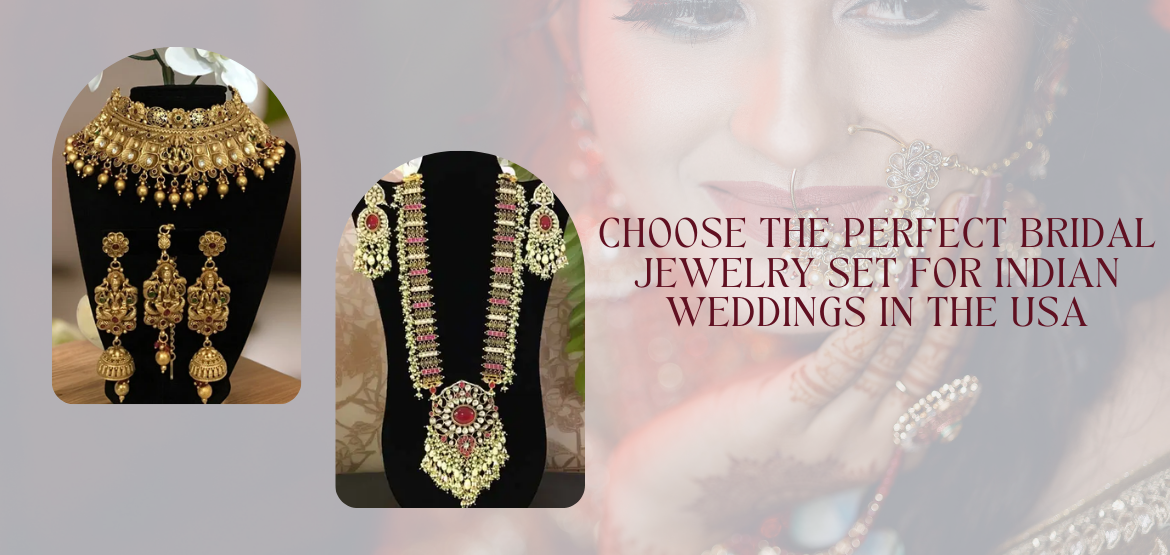
At Yashti Jewelers, Rajwadi and Temple-inspired kadas are among the most popular picks for weddings and festive wear, since their detailing holds up well against equally detailed lehengas and embroidered sarees. An openable clasp is also worth choosing if the kada is being worn through a long day of functions.
Q5. Are there kada options suited to more contemporary or Western outfits?
Yes. Slimmer, less ornate kada styles sit comfortably with dresses, shirts or contemporary Indian wear, particularly when the rest of the outfit is kept simple enough to let the kada stand out.