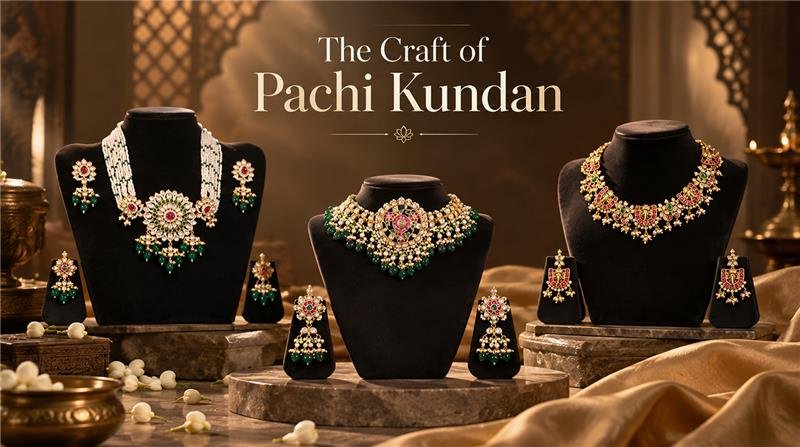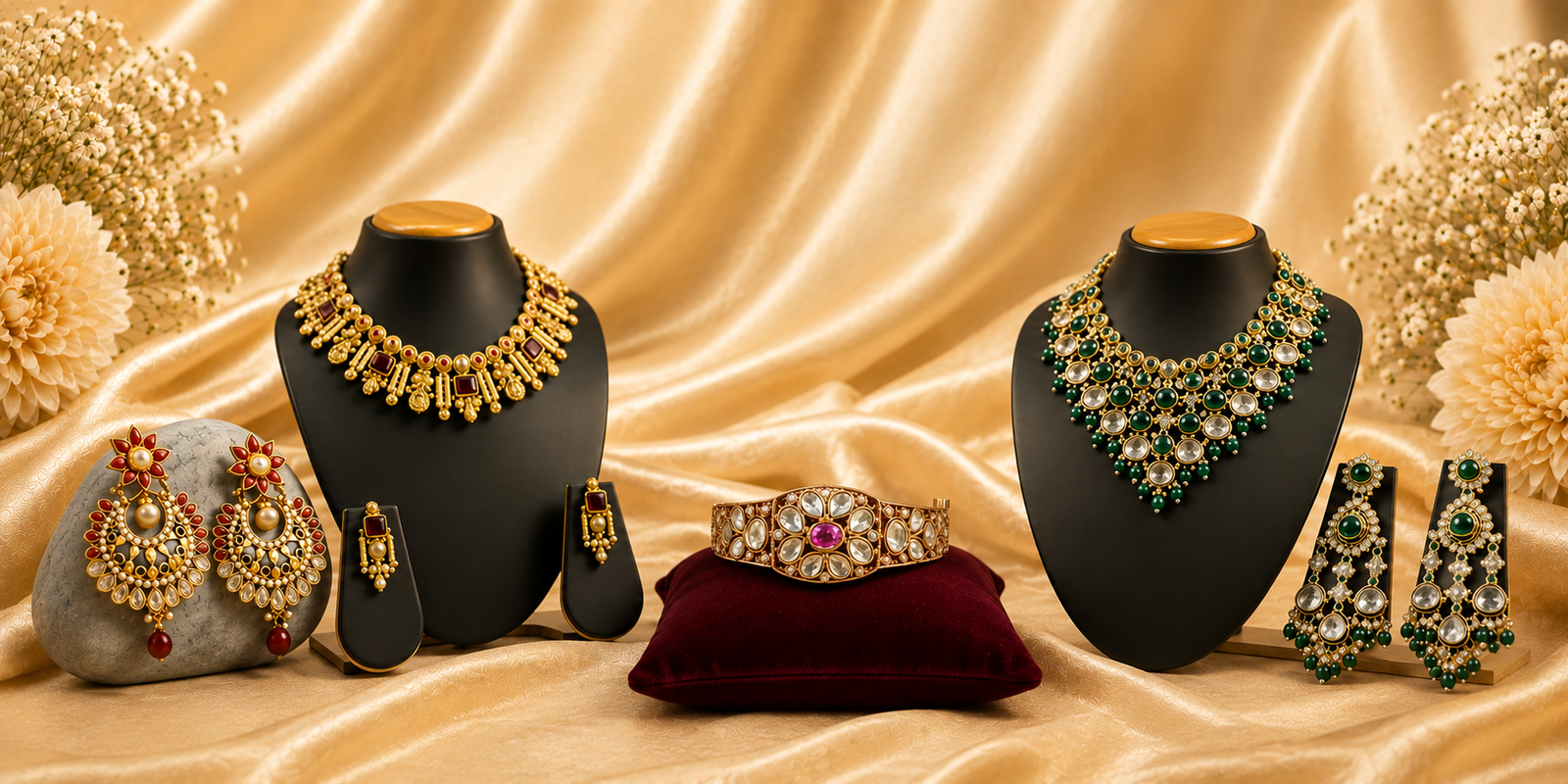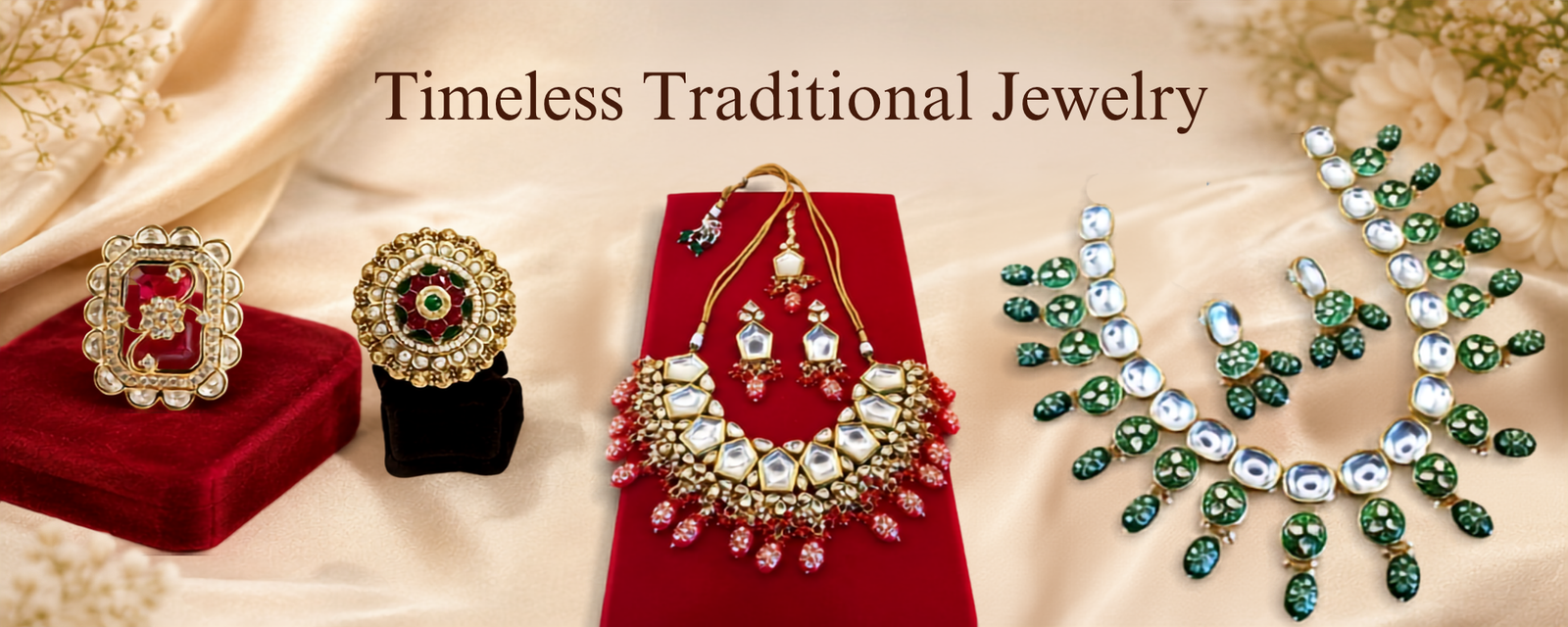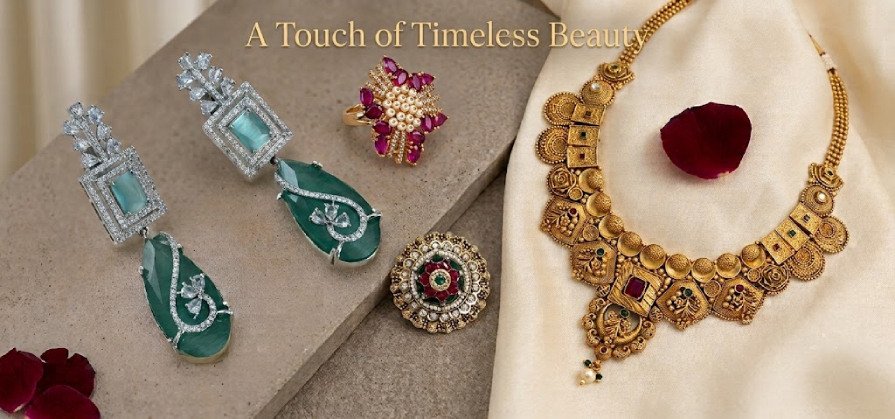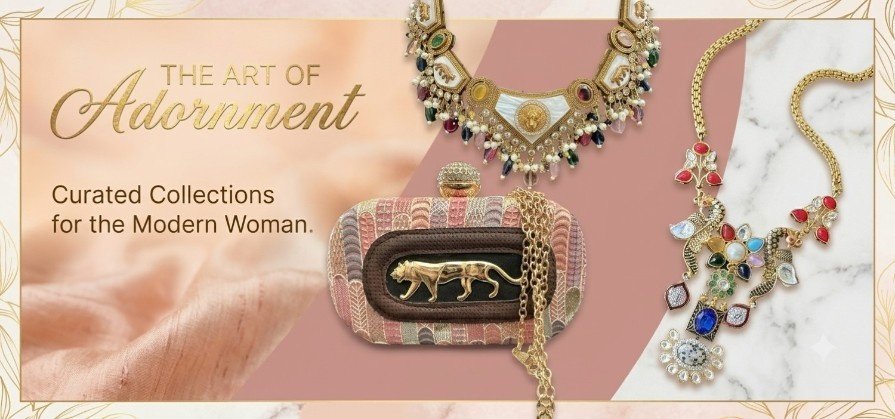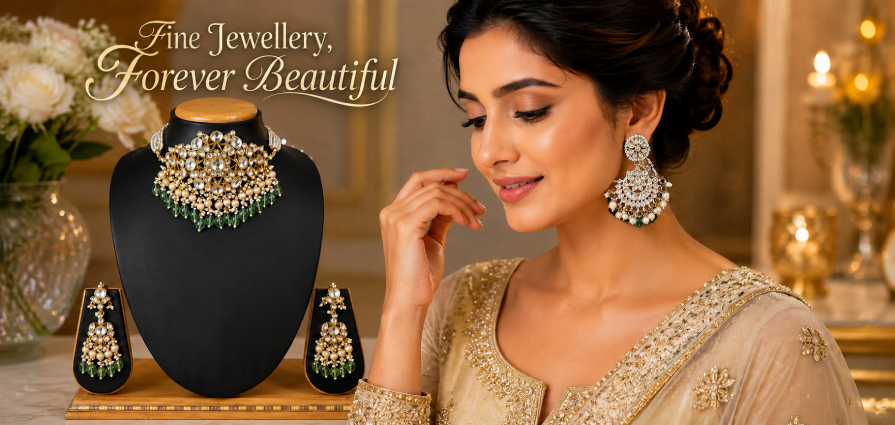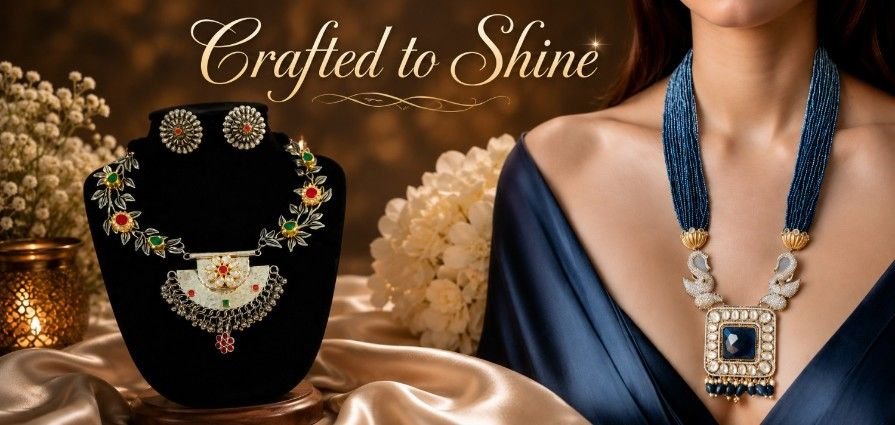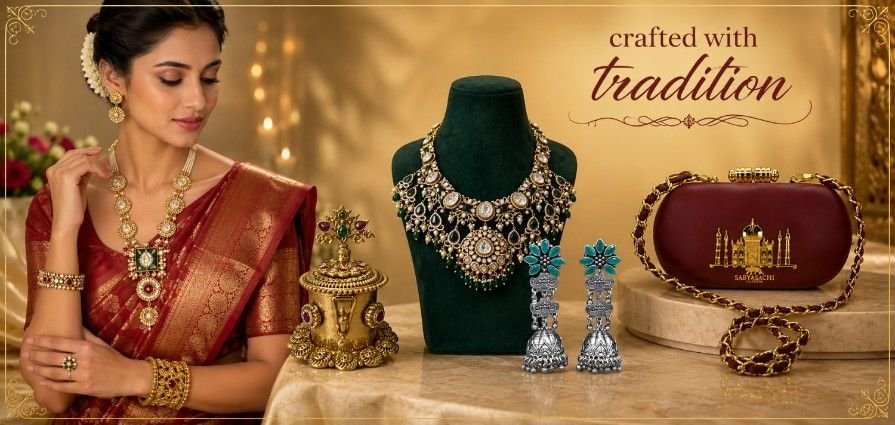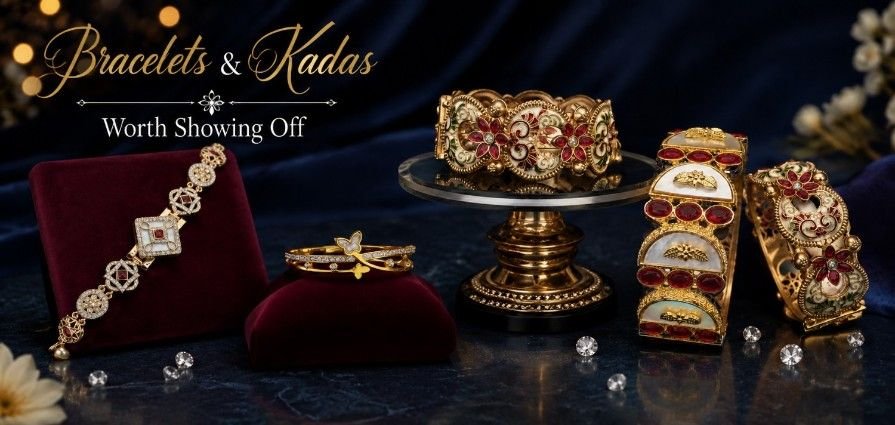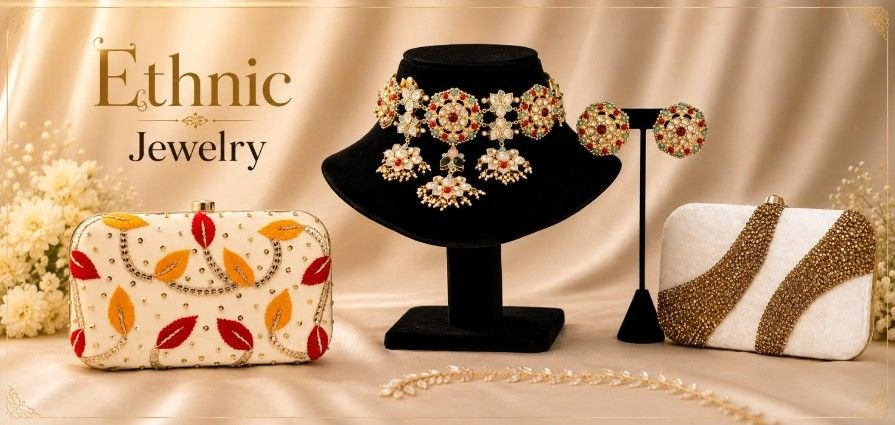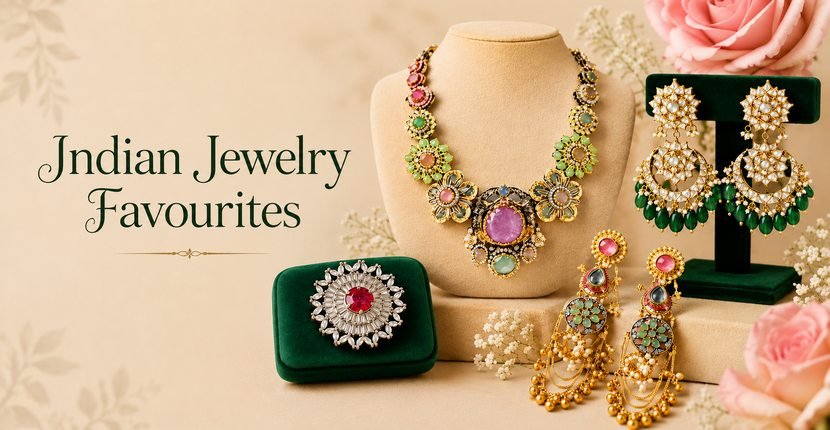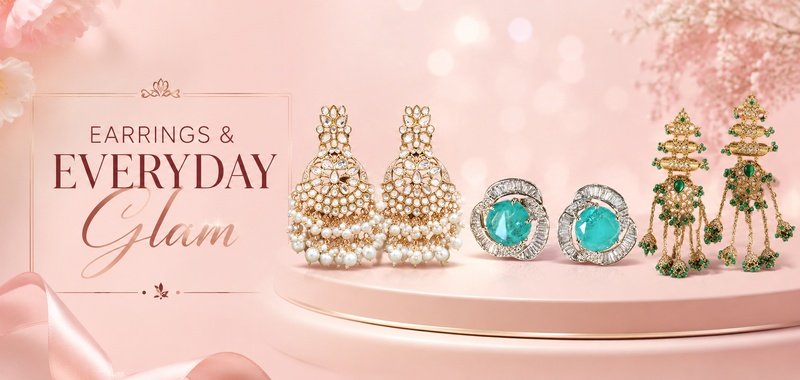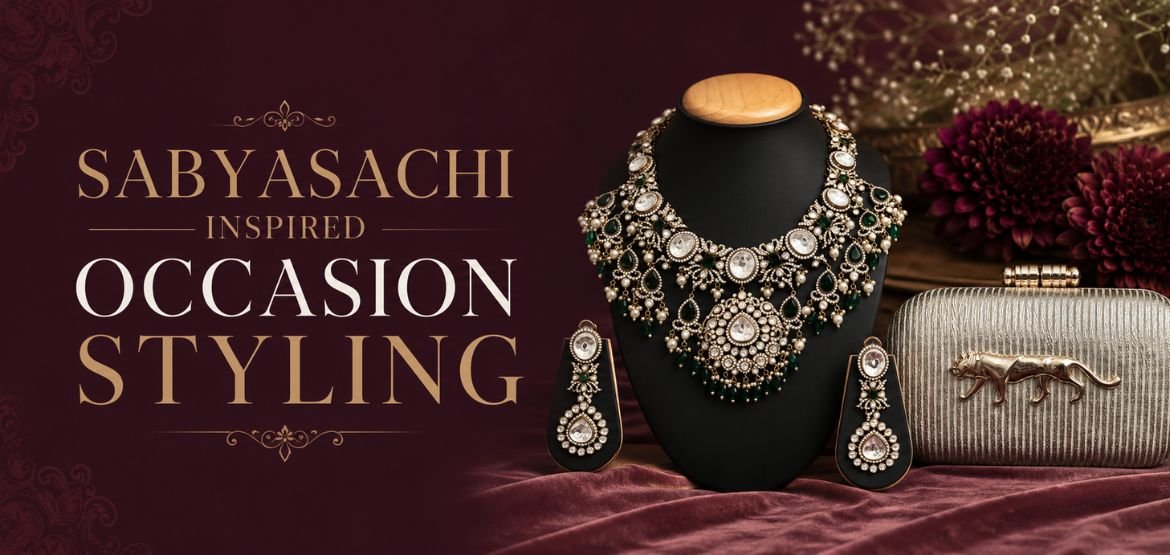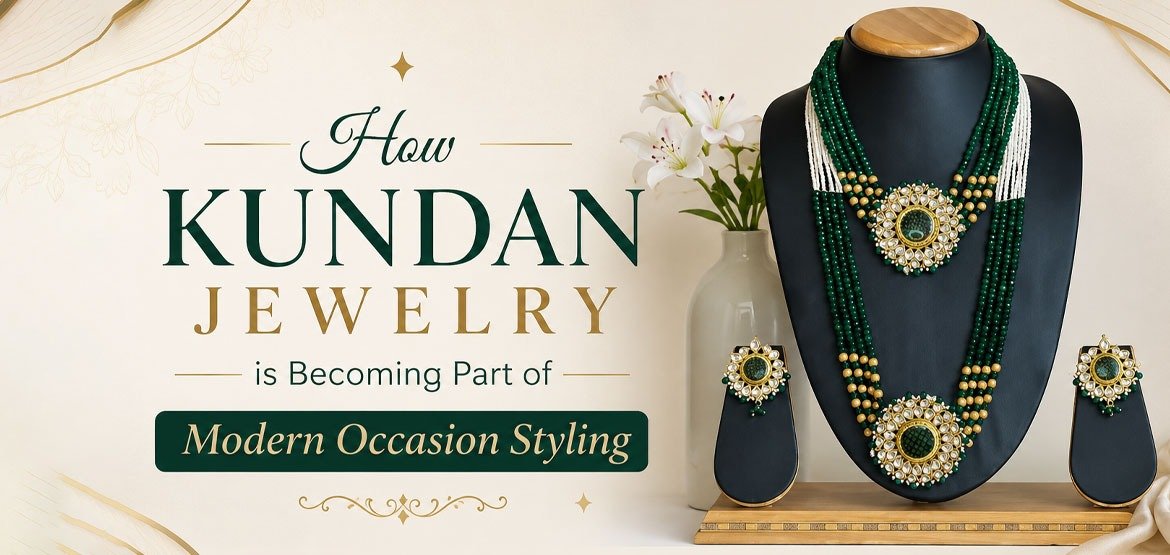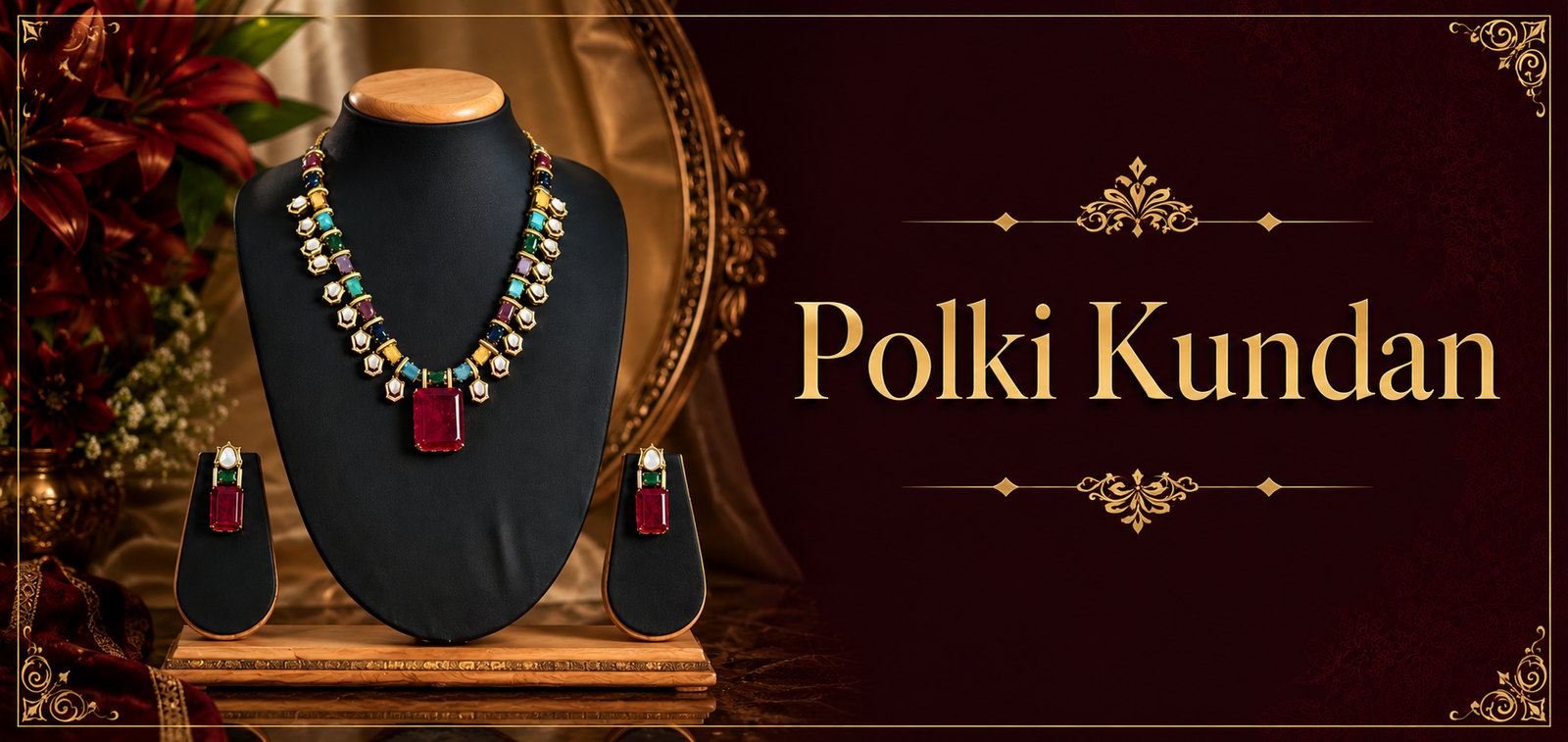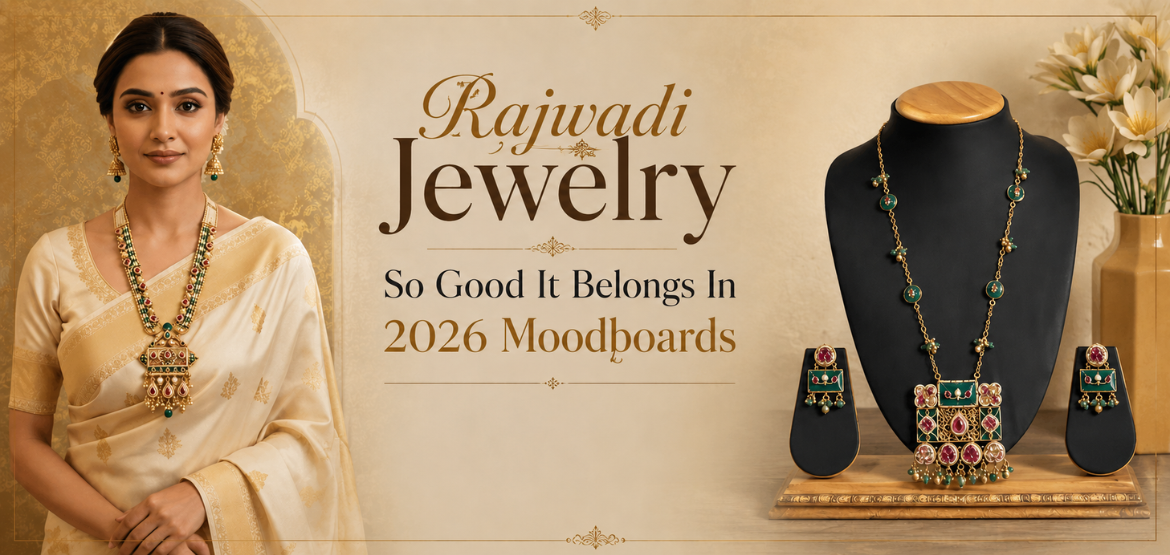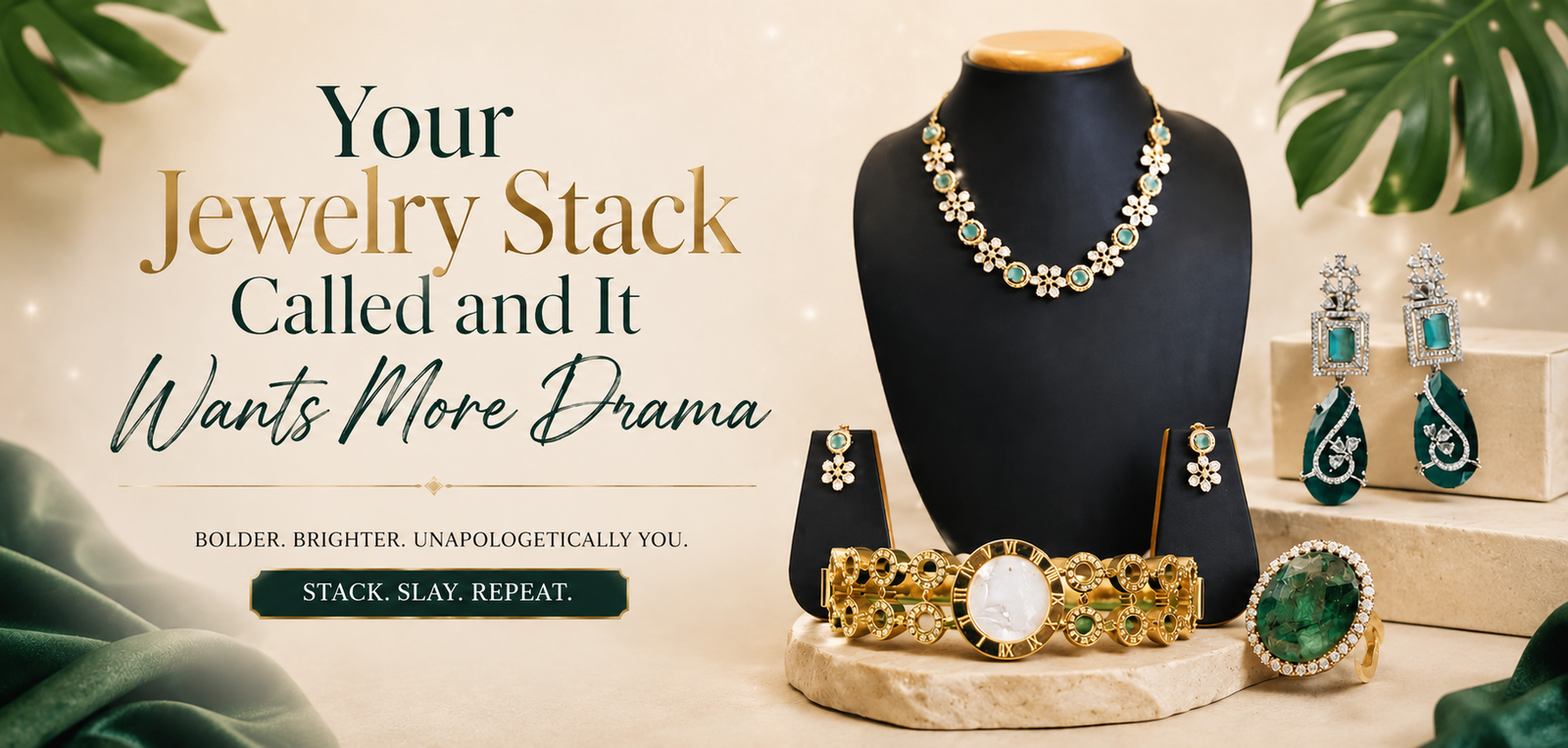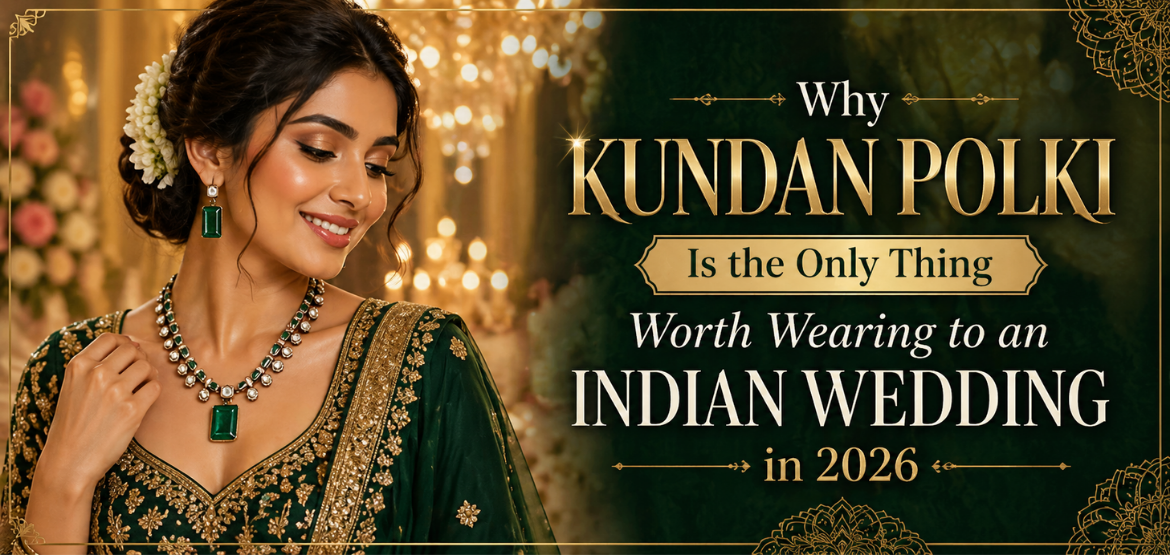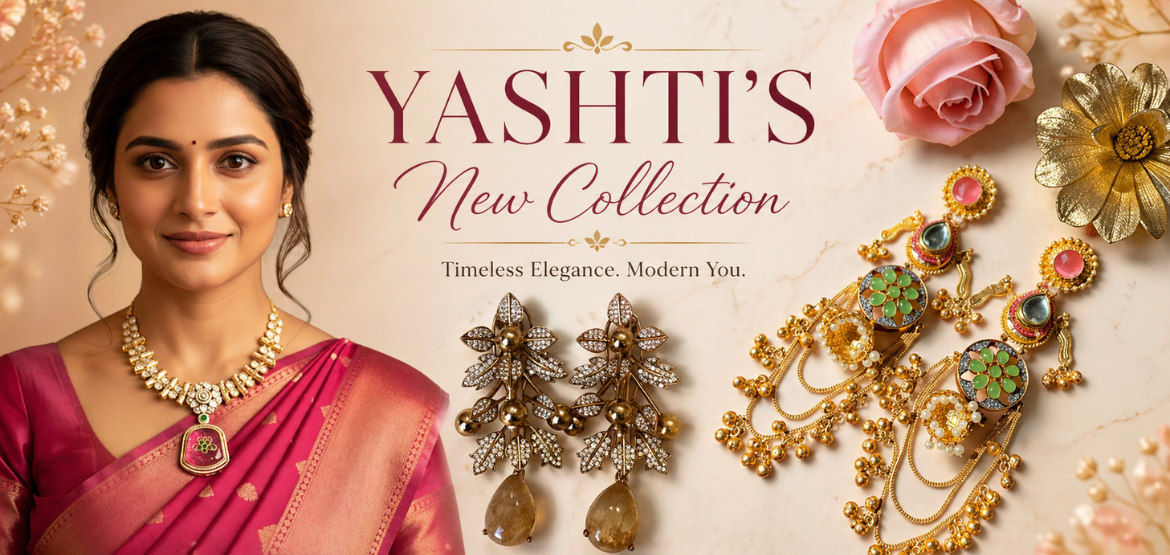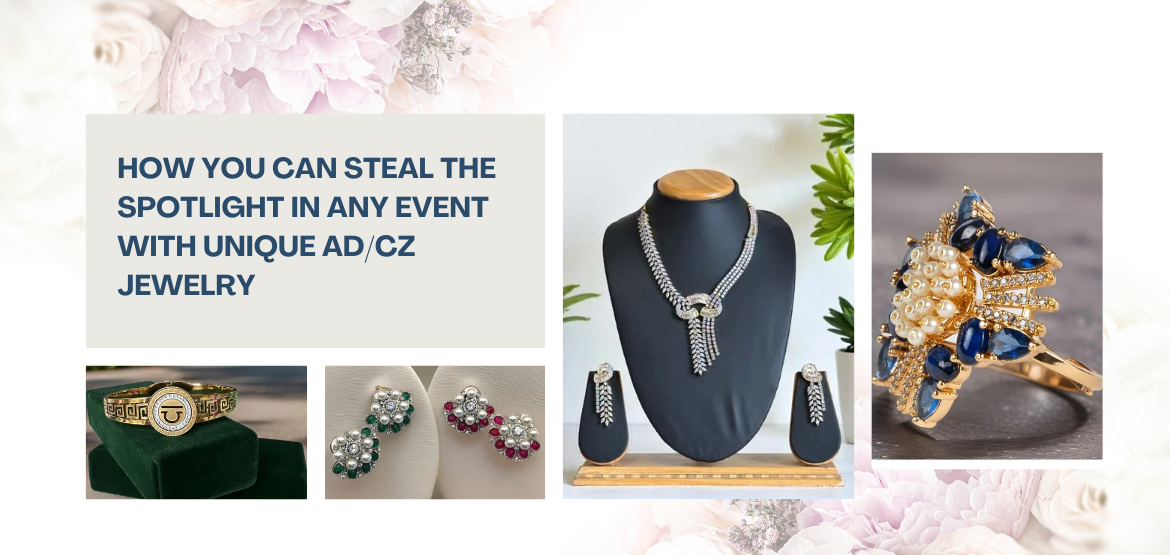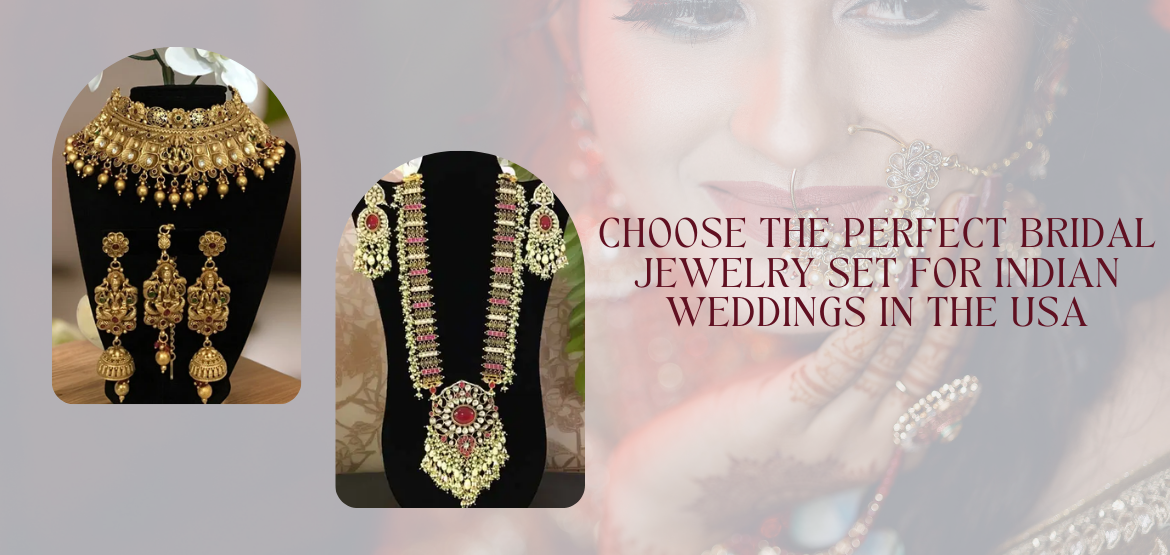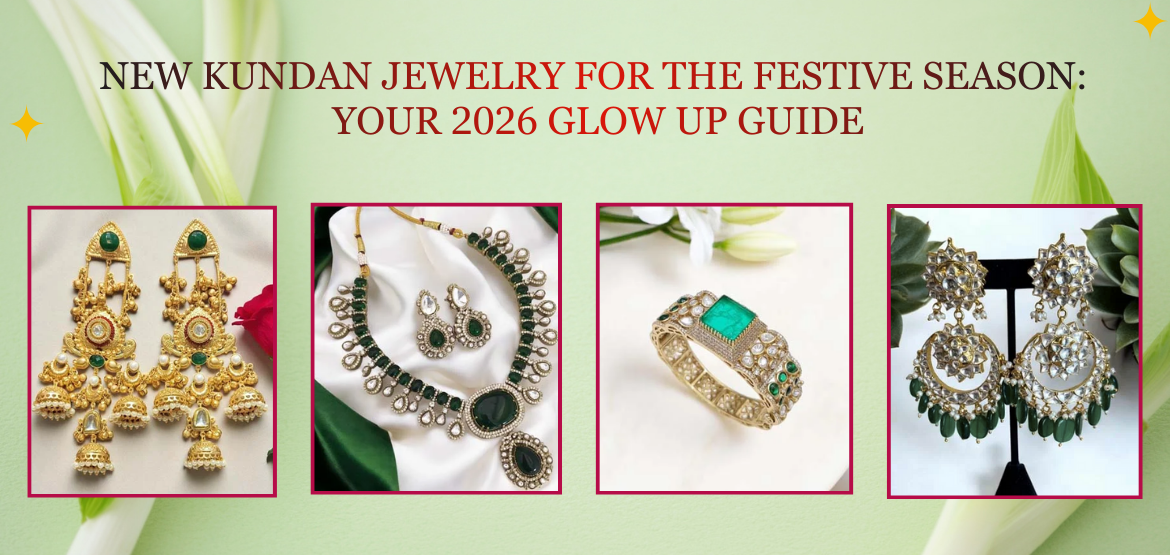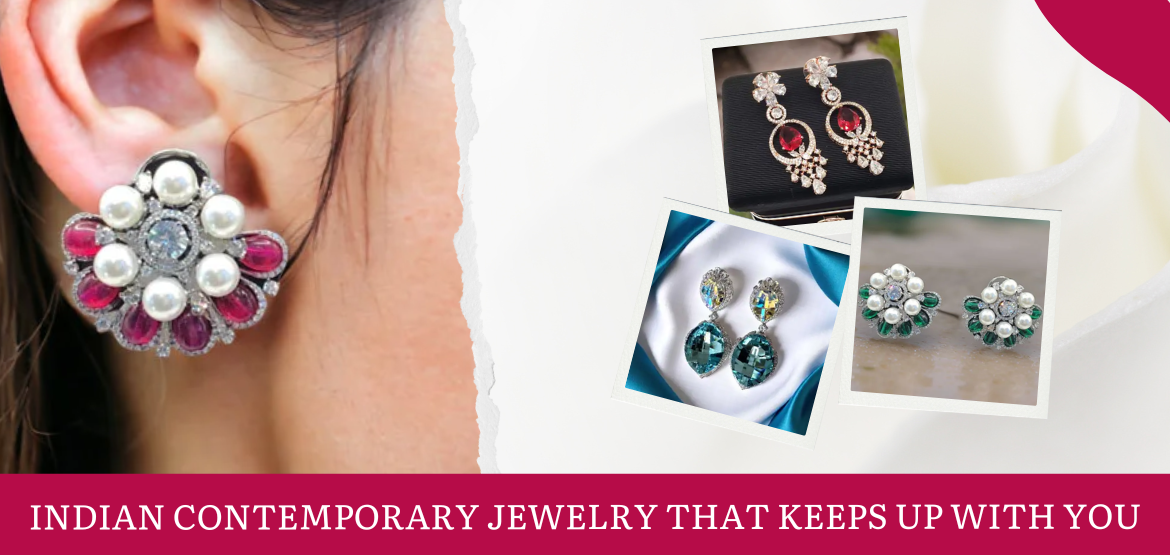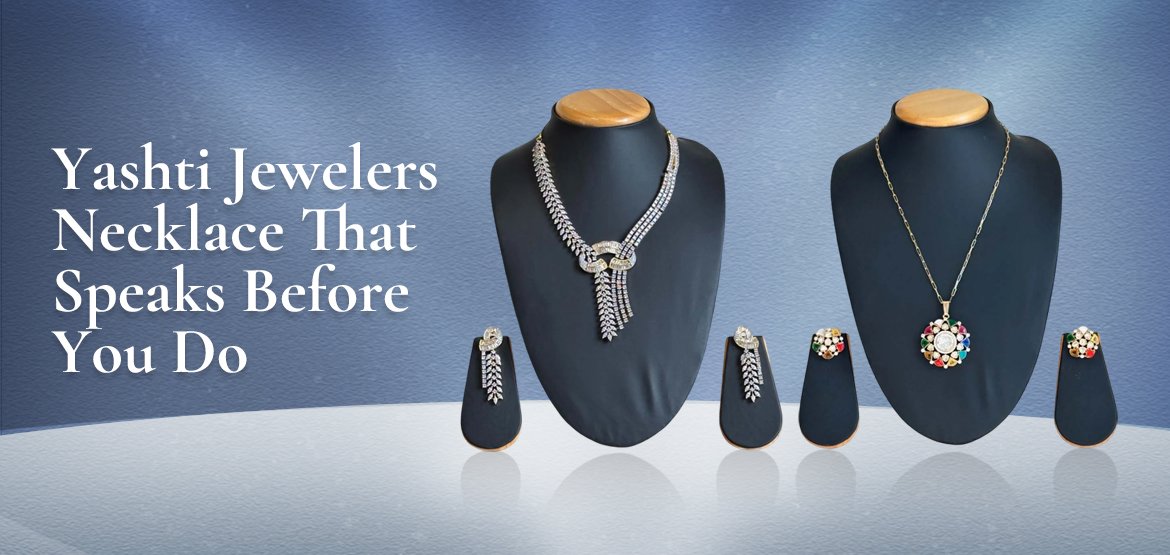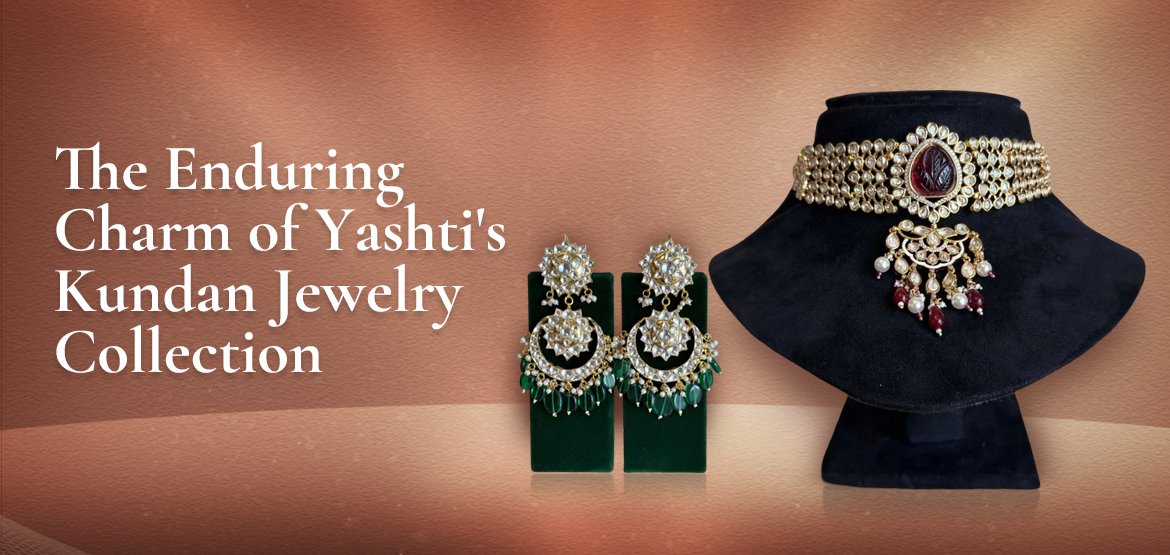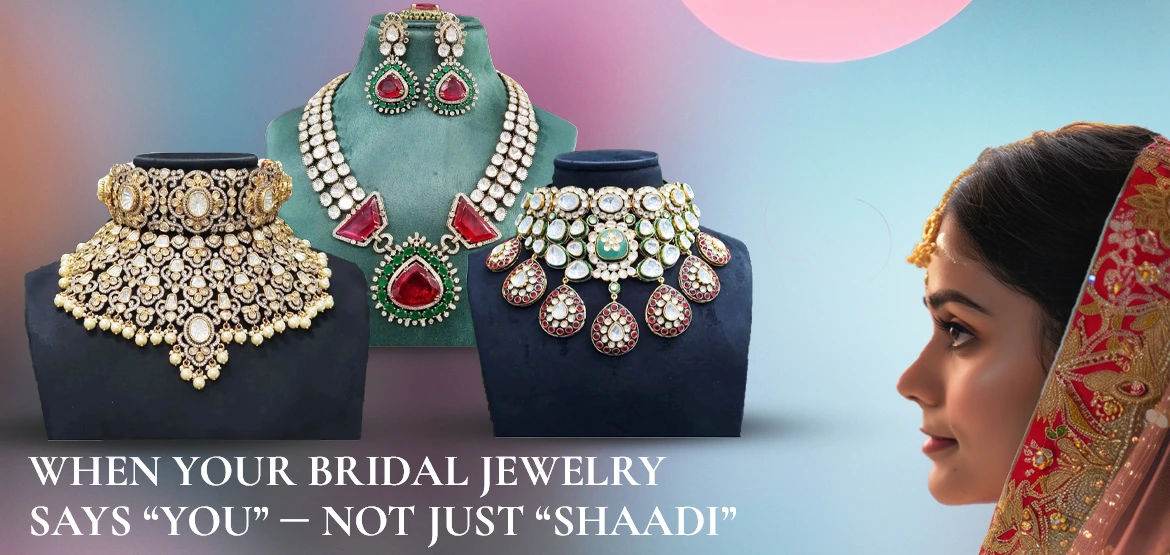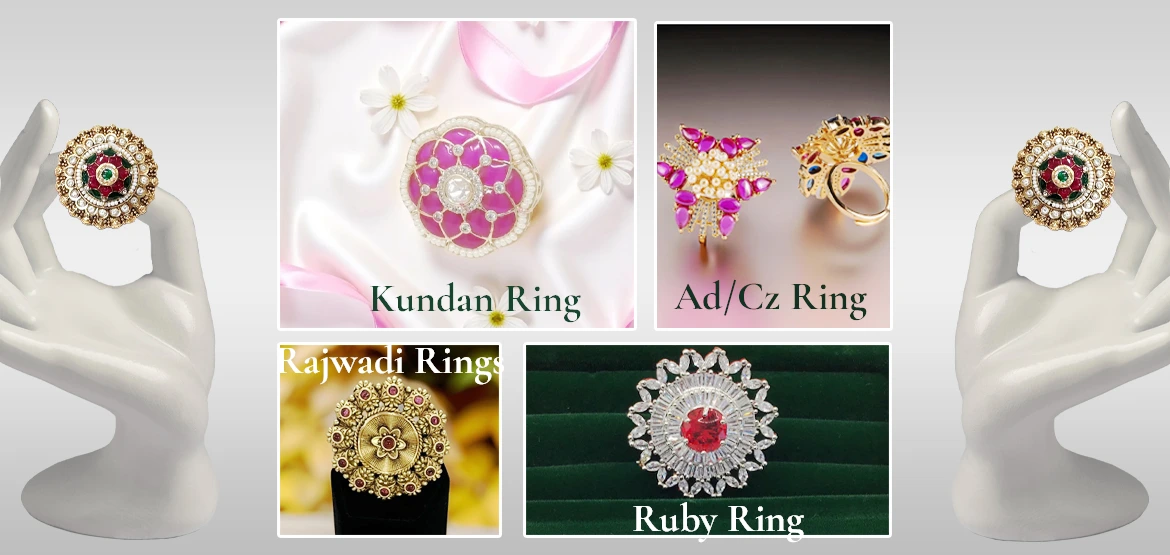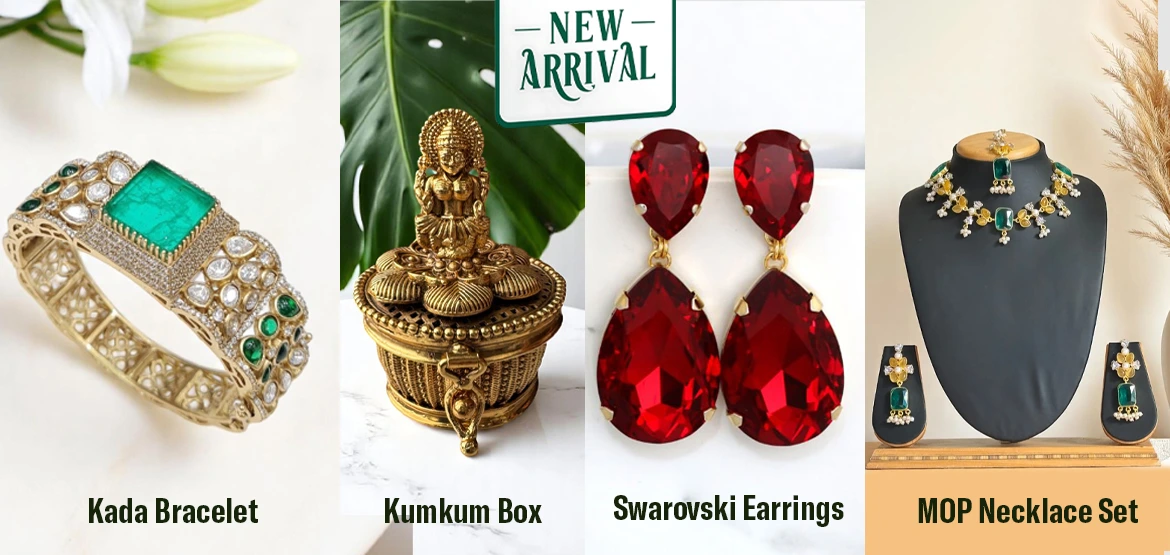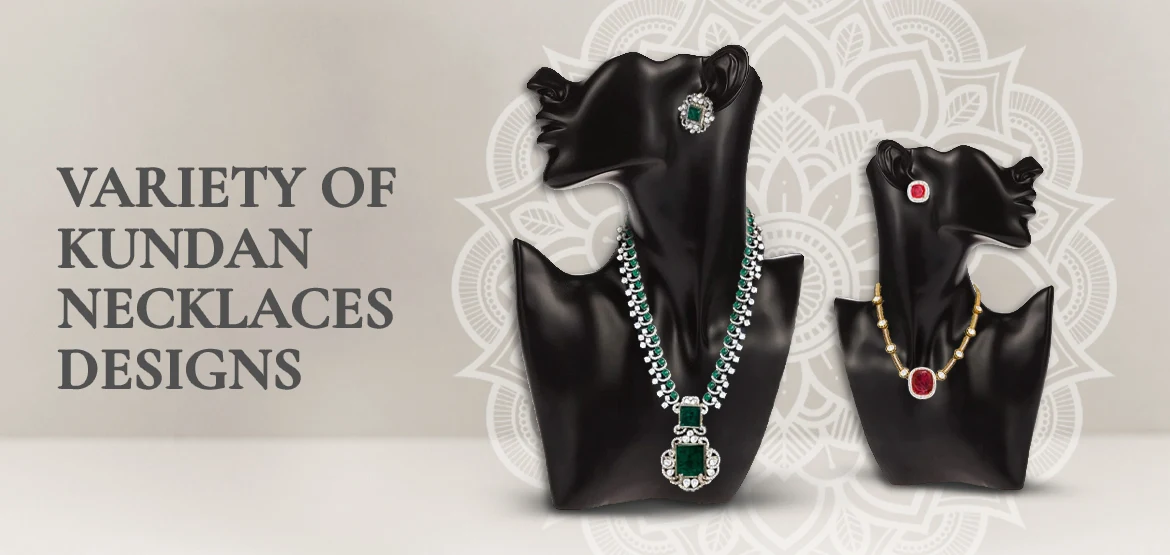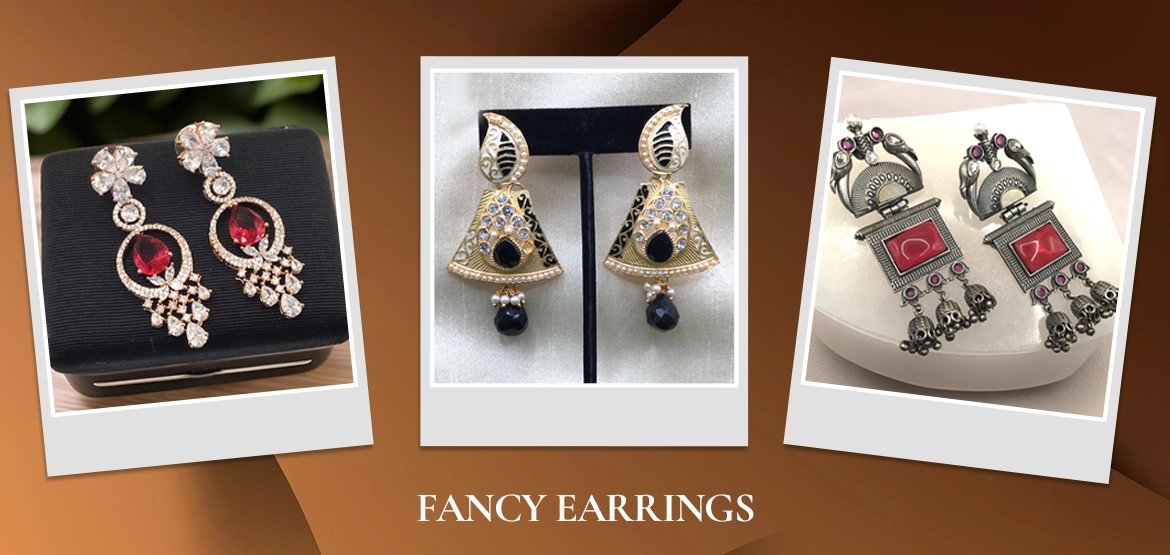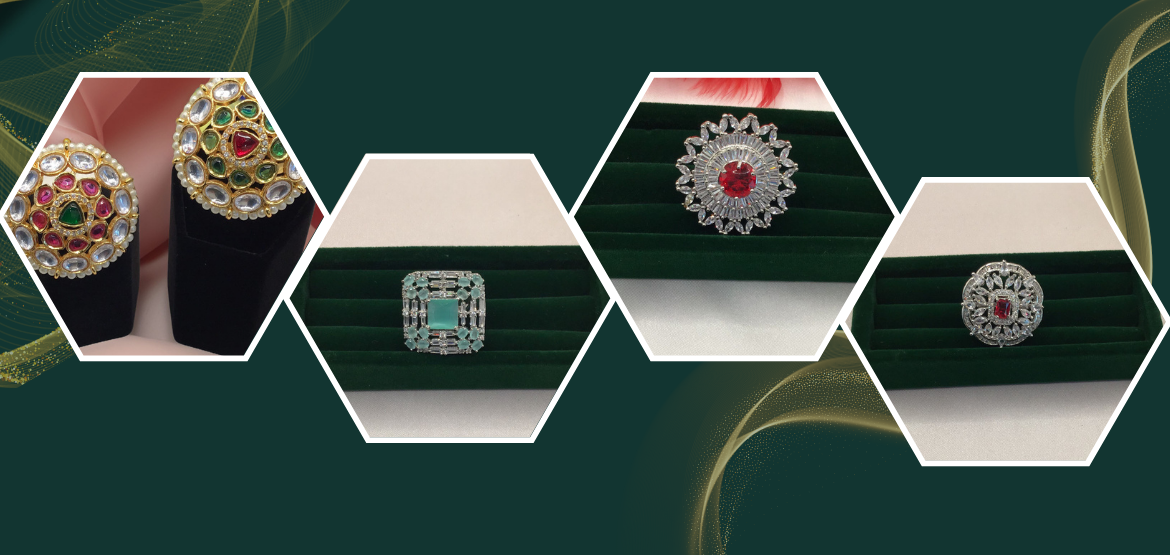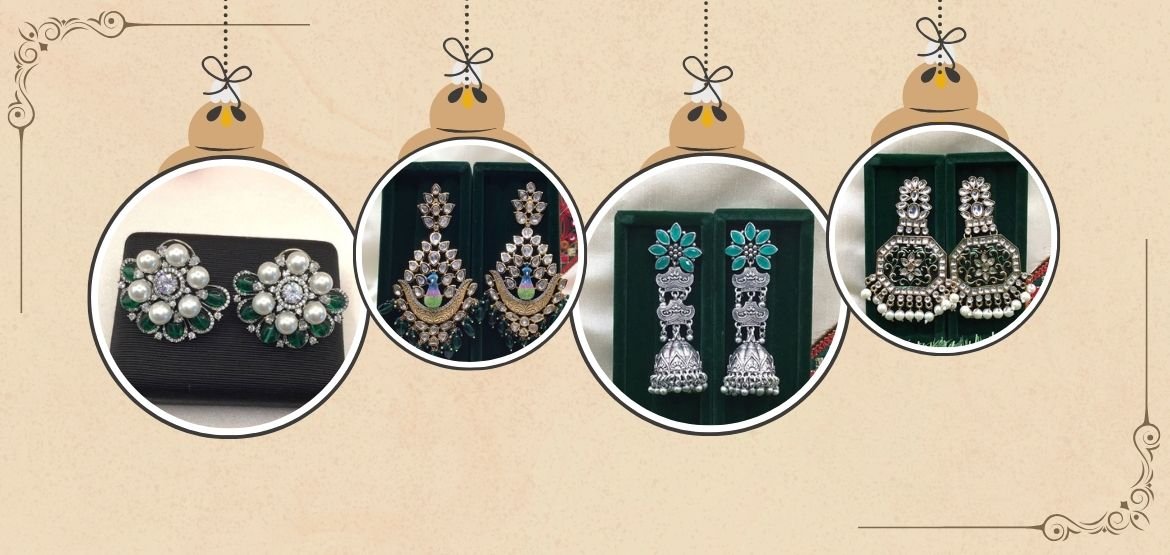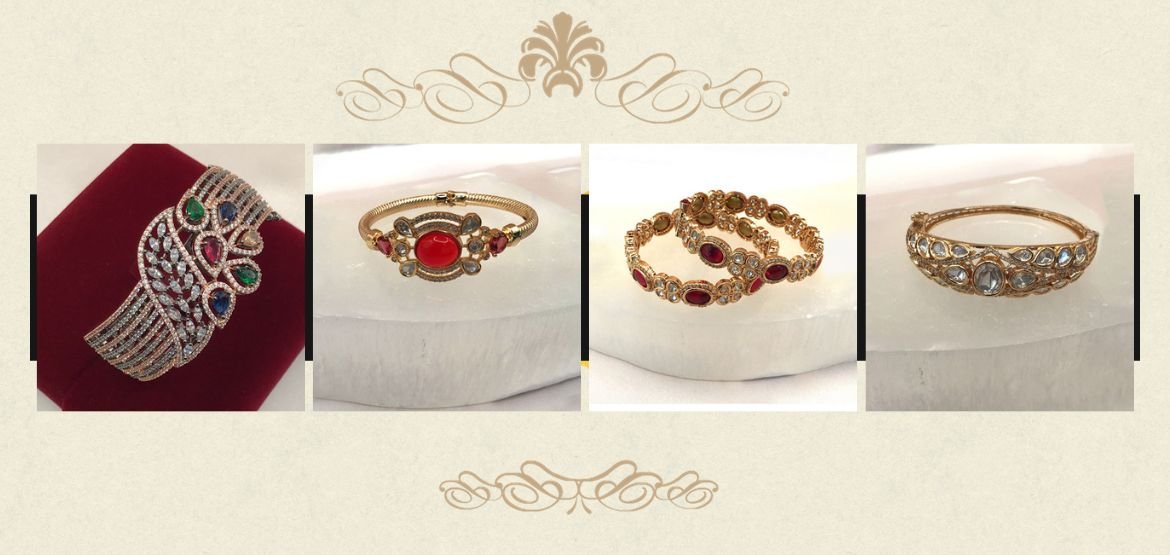
Most women do not actually own too few earrings. They own too many that never leave the box. One pair got bought for a wedding that's long over. Another was an impulse pick before a work dinner that ended up getting rescheduled twice. A third looked great in the product photos and somehow not quite right once it was actually on. None of that adds up to more outfit options, just a fuller drawer and the same tired question every morning about what to put on. Yashti Jewelers sees this play out constantly in how people shop for earrings, buying for a single occasion instead of for actual use and has built a collection of all varieties from kashmiri and gold kundan earrings to AD/CZ and oxidised earrings. A better approach might be borrowing from how stylists build a capsule wardrobe: a small set of pieces chosen because they'll genuinely get worn, not because they looked good for five seconds on a screen. That's what this piece gets into, starting with the cost per wear math and moving into which shapes actually hold up against different hairstyles and necklines.
The Earring Drawer Problem

Walk into most closets in the US and the earring box tells a story of good intentions. There is the ornate pair from a cousin's wedding, worn once. The trendy studs from a sale that seemed too good to skip, worn never. The oxidized pair that felt bold in the store and loud in daylight. None of this is a shopping mistake exactly. It is a sign that earrings often get chosen for a single moment instead of a wardrobe. Artificial and imitation jewelry actually solves half this problem on its own, since the lower price point removes the pressure to make one "forever" choice and get everything right in a single purchase.
The pattern gets worse around festive seasons and wedding months, when several events land close together and each one seems to call for something new. Women start searching for festive options like polki and meenakari earrings. A wedding in October, a Diwali gathering in November, a friend's engagement in December, and suddenly the drawer has three more pairs that were each bought for one specific night and will likely be worn only once more, if at all. The real fix is shifting the question from "do I like this" to "where will this actually get worn," and asking it before the event season starts rather than during it.
Why Cost Per Wear Beats The Price Tag
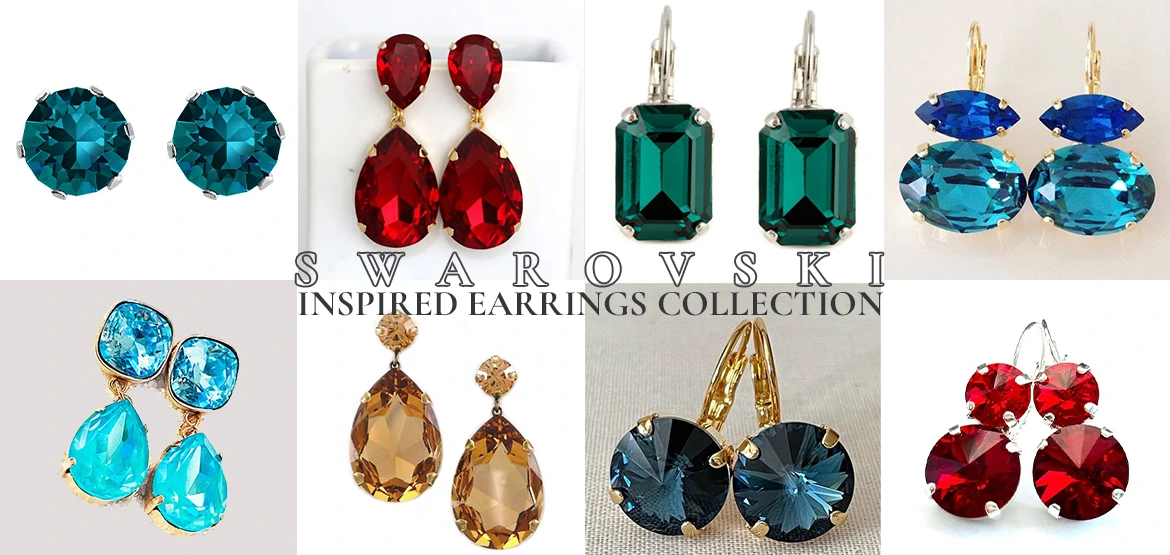
Fashion buyers and stylists work with a simple little number known as cost per wear, one most shoppers hardly ever apply to jewelry. Take a $70 pair of drop earrings Swarovski style, worn about forty times over two years. That works out to less than $2 a wear. Now take a $20 pair worn only twice, once at the store mirror and once before it gets tucked back into the drawer for good. That pair actually costs $10 a wear and did nothing for the closet in return. The price tag alone says almost nothing about value. Frequency does. Before checking out, it helps to picture three actual outfits or events where a pair would get worn, and a versatile choice like drop earrings swarovski usually clears that test with room to spare.
The Five Pairs That Cover Everything

A working earring rotation does not need to be large. It needs to cover five real situations that come up on repeat throughout the year.
- A small everyday stud or top: Something light enough to forget it is there, for the office, errands, and video calls. Simple CZ studs or a small oxidized pair both do this job well.
- A classic drop: The piece that bridges day into evening without needing a change. A Swarovski or AD/CZ drop earring covers dinners, brunches, and casual parties in one shot.
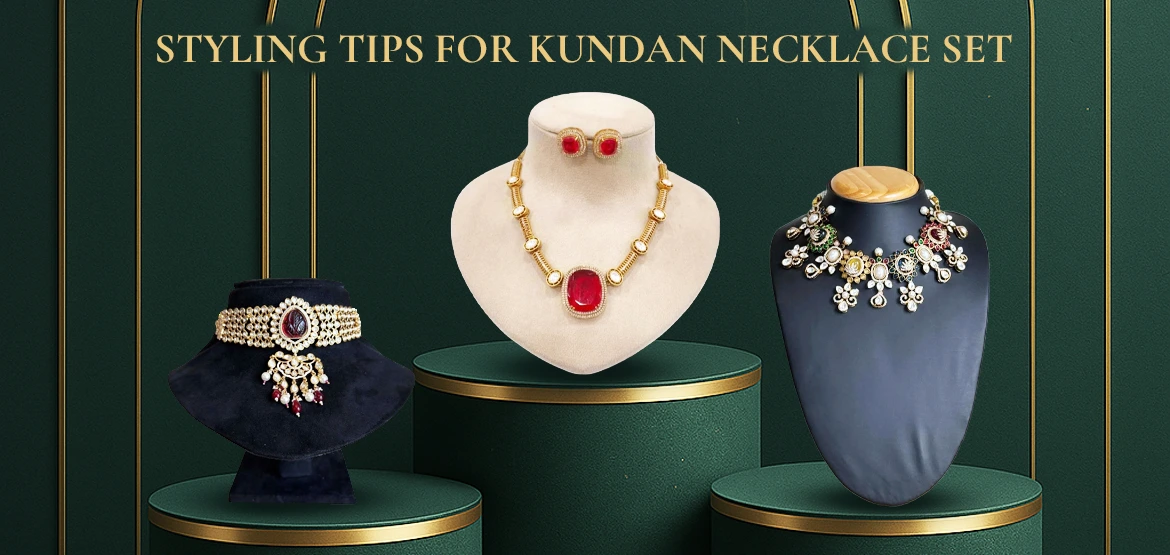
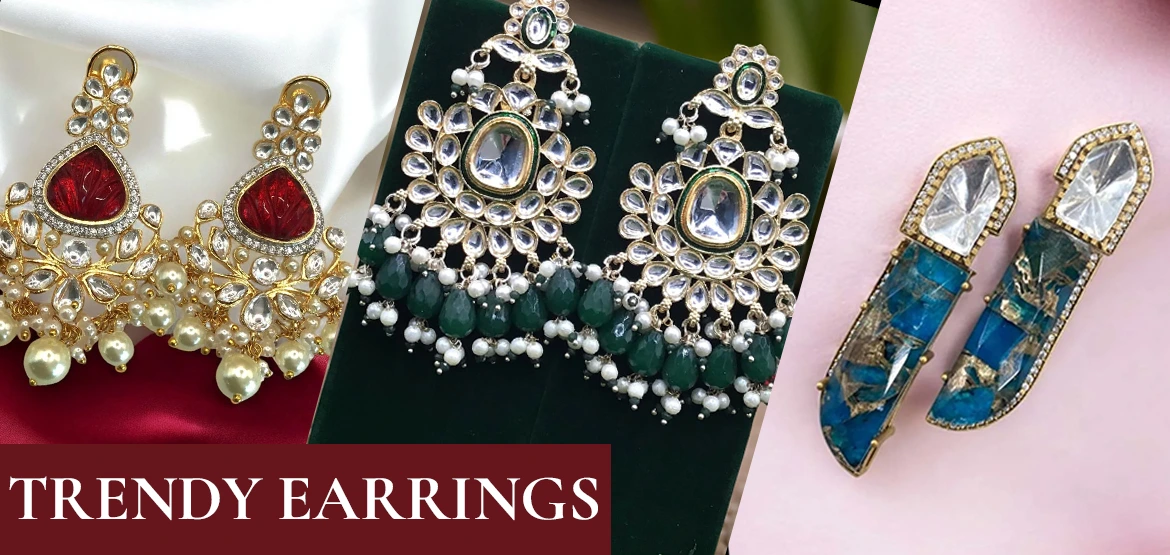
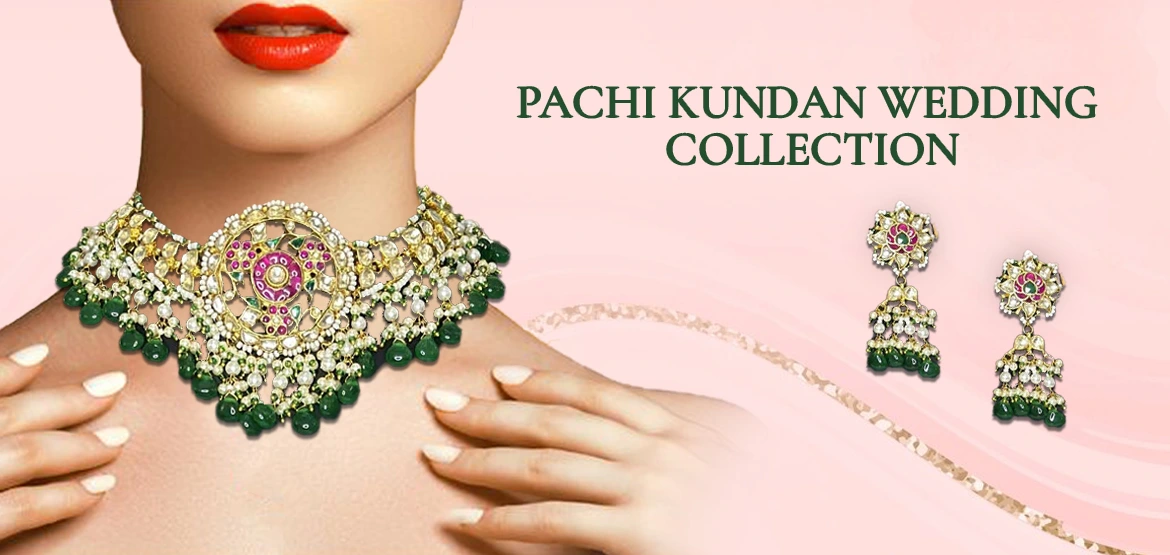
- A statement jhumka or chandbali: Reserved for weddings, festive gatherings, and saree or lehenga pairings, where a Kundan design carries the kind of presence a small stud never could.
- A textured or oxidized pair: Built for indo-western outfits, denim, and everyday looks that want a little edge without looking overdressed.
- A soft designer pearl drop earrings or Meenakari pair: For gifting, for brunches, and for the kind of understated elegance that works when the outfit is already doing most of the talking.
Five pairs, five jobs. Anything beyond that starts overlapping, and overlap is exactly what fills a drawer without filling a closet gap.
Matching Earrings To Hair And Neckline

Two things quietly decide whether a pair of earrings works on a given day, and neither of them is the outfit's color. It is the hairstyle and the neckline.
- Hair pulled into an updo or bun leaves the whole ear exposed, which is exactly when longer danglers or jhumkas earn their keep.
- Loose hair left to fall naturally, without any styling, are not always suitable for the long type of jewelry as they usually get all caught in the hair, making it a bit of a mess. So smaller ones work just fine and also are least likely to cause any kind of tangles.
- Drop earrings are recommended for high or collared necklines, since the vertical line elongates the neck instead of competing with the collar.
- Smaller, denser studs work better for deep or embellished necklines, since a long earring next to a statement neckline usually competes rather than complements.
- Longer vertical drops be it in gold or oxidised earring silver pair, these give a sharper look for rounder faces.
- Longer or more angular face shapes often soften nicely with rounder hoops or button studs.
None of this is a hard rule. It is closer to a starting point for the mornings when nothing feels quite right and the outfit is not actually the problem.
Five Categories That Cover Most Of The Year
A working rotation doesn't need to be extensive. It needs to answer five different situations that come up on repeat.
- A light everyday pair: Small studs or tops, comfortable enough to forget about during a workday. Simple CZ studs or a modest oxidized pair do this job without drawing too much attention.
- A go-anywhere drop: The style that moves from a daytime lunch to an evening dinner without a costume change. A Swarovski or AD drop earring is usually versatile enough to cover both.
- A textured or oxidized option: Built for indo-western looks, denim, and casual outings that want a little grit without tipping into formal territory.
- A soft, understated pair: Pearl or Meenakari designs suit gifting occasions, brunches, and any outfit already doing enough visual work on its own.
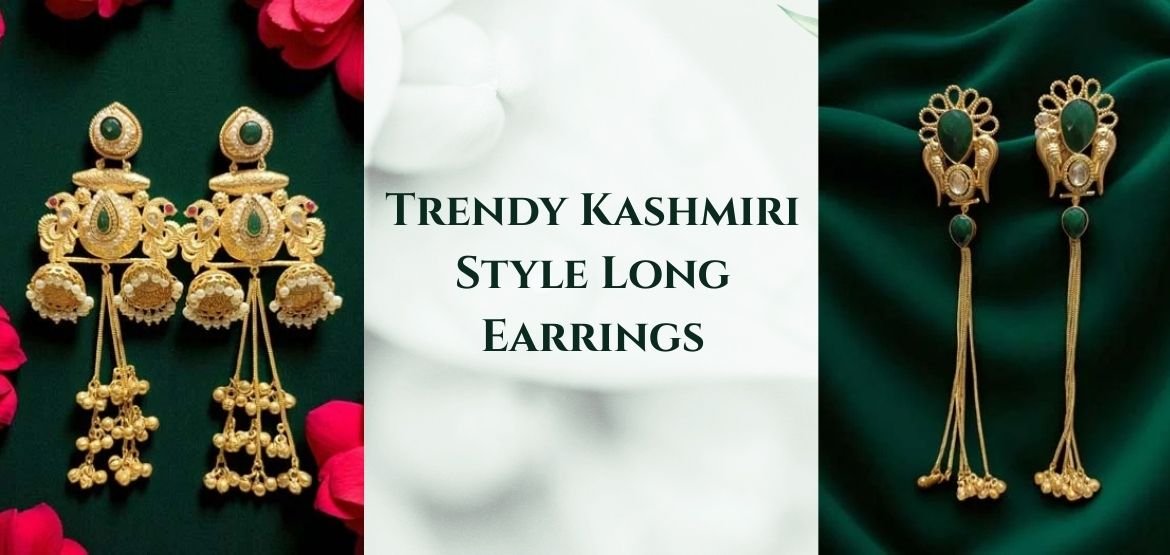
- A statement piece for major events: Weddings, festive functions, and saree or lehenga pairings call for real presence, which is where a Kundan jhumka, chandbali or kashmiri earings earns its place.
Five roles, five pairs. Anything past that number tends to overlap with something already covered, which is how a jewelry box quietly fills up without actually solving anything.
Mixing Metals And Ear Stacks
The old rule about matching metals doesn't really hold anymore. A gold tone earring can sit right next to a silver ring or an oxidized pendant and still look put together, not accidental. Part of why is the multiple piercing trend that's taken over across the US, where one ear alone might have two or three studs going in completely different finishes. It gives a lot more freedom when building a small rotation, since a gold plated drop and an oxidized silver stud can both stay in regular use without needing to coordinate with everything else in the jewelry box. The rule that used to limit choices has mostly disappeared, and the earring math only gets easier because of it.
Caring For Pieces That Work This Hard
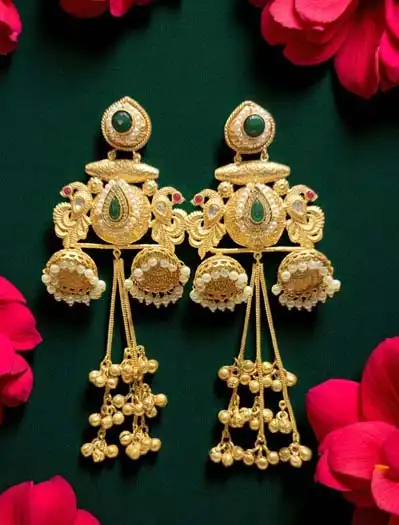
A rotation like this is only worth it if the pieces hold up over time. All artificial pieces including gold kundan earrings, oxidised earring, studs or drop earrings need to be taken care of. Storage matters more than most people think, a soft pouch or a divided tray keeps stones and plating from knocking against each other every time the drawer opens. Perfume and hairspray are the real culprits behind dulled plating, not everyday wear, so getting dressed and doing hair before the earrings go in makes a real difference. A quick wipe with a dry cloth once they come off helps too, sweat and oils left sitting overnight are what age metal faster than actual use does. There's also a practical upside for anyone whose ears react to certain metals: artificial jewelry is usually kinder to sensitive skin than base metal fine jewelry, so it ends up being the more wearable option day to day, not just the more affordable one.
And there's no need to check every box in one shopping trip either. Yashti Jewelers has Kundan, AD/CZ, oxidized, Meenakari, and Swarovski pieces available, so the five-pair rotation can come together slowly, a gap filled here and there as it makes sense.
Key Takeaways
- A small, deliberate rotation beats a large, unplanned collection almost every time.
- Cost per wear, not the price tag, is what actually tells you if a purchase was worth it.
- Five pairs, an everyday stud, a classic drop, a statement piece, a textured pair, and something soft like pearl or enamel, cover most of what a year throws at you.
- Hairstyle and neckline shape which earrings work just as much as the outfit's color does.
- Mixed metals aren't a mistake anymore, and multiple piercings have made varied rotations easier to pull off.
- Basic habits, separate storage, letting products go on before jewelry, keep artificial pieces looking newer for longer.
Buy Traditional Jewelry Online
FAQs
1. How many pairs of earrings does a person actually need?
Less than most drawers suggest. Five pairs covering distinct situations, something small for daily wear, a drop for evenings out, one statement piece, a textured pair, and something soft like pearl or enamel, tend to handle a full year without gaps. The point isn't stockpiling options, it's picking pieces that will genuinely leave the house more than once.
2. Do jhumkas or Kundan studs work outside of traditional outfits?
They hold up better with western clothes than people assume. Kundan studs next to a plain shirt and denim don't look out of place, the contrast is what makes it work. An oxidized drop next to a blazer or slip dress does something similar, giving the outfit a point of focus it wouldn't otherwise have.
3. Is matching metal tones across jewelry still necessary?
Less so than it used to be. Gold and silver worn together has become common, and multiple piercings play a role in that shift, since a single ear can end up with studs in more than one finish at the same time. What used to read as a mistake now just looks like a deliberate pairing.
4. How should imitation earrings be stored and maintained?
Separating pairs, whether in a pouch or a tray with individual sections, keeps stones and plating from knocking into each other and wearing down over time. It also helps to put on perfume and hairspray first and earrings after, since that's usually where plating takes the most damage. Wiping pieces down after each wear helps too.
5. Are imitation earrings a reasonable choice for people with sensitive ears?
For a lot of people, yes. Reactions to certain metals in fine jewelry are fairly common, and artificial pieces tend to sit better with sensitive skin. That alone makes them worth considering for daily wear, separate from whatever savings come from the price difference.