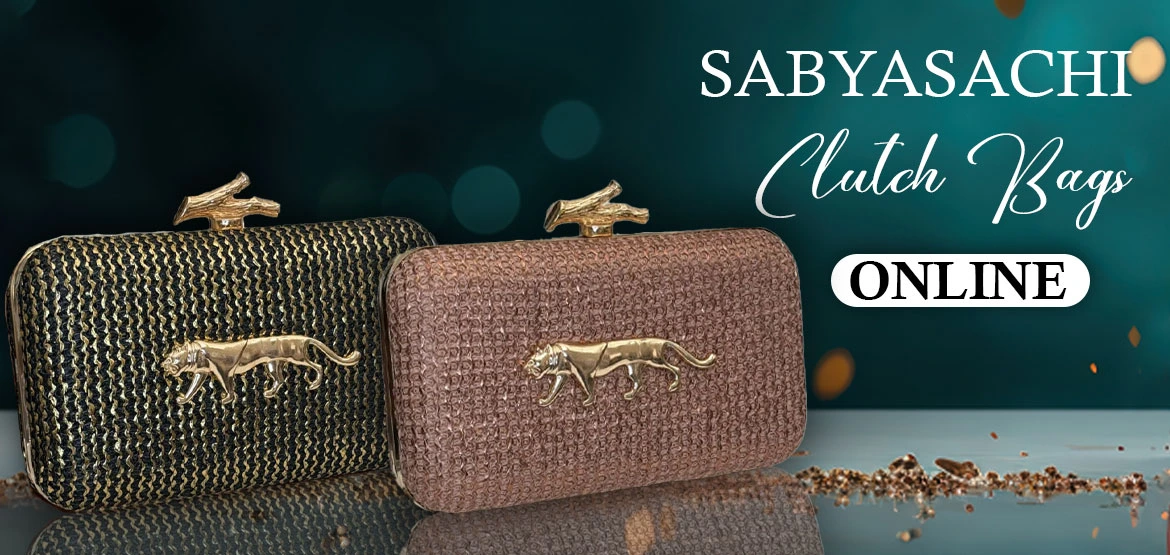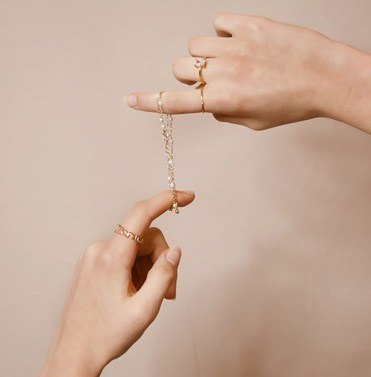
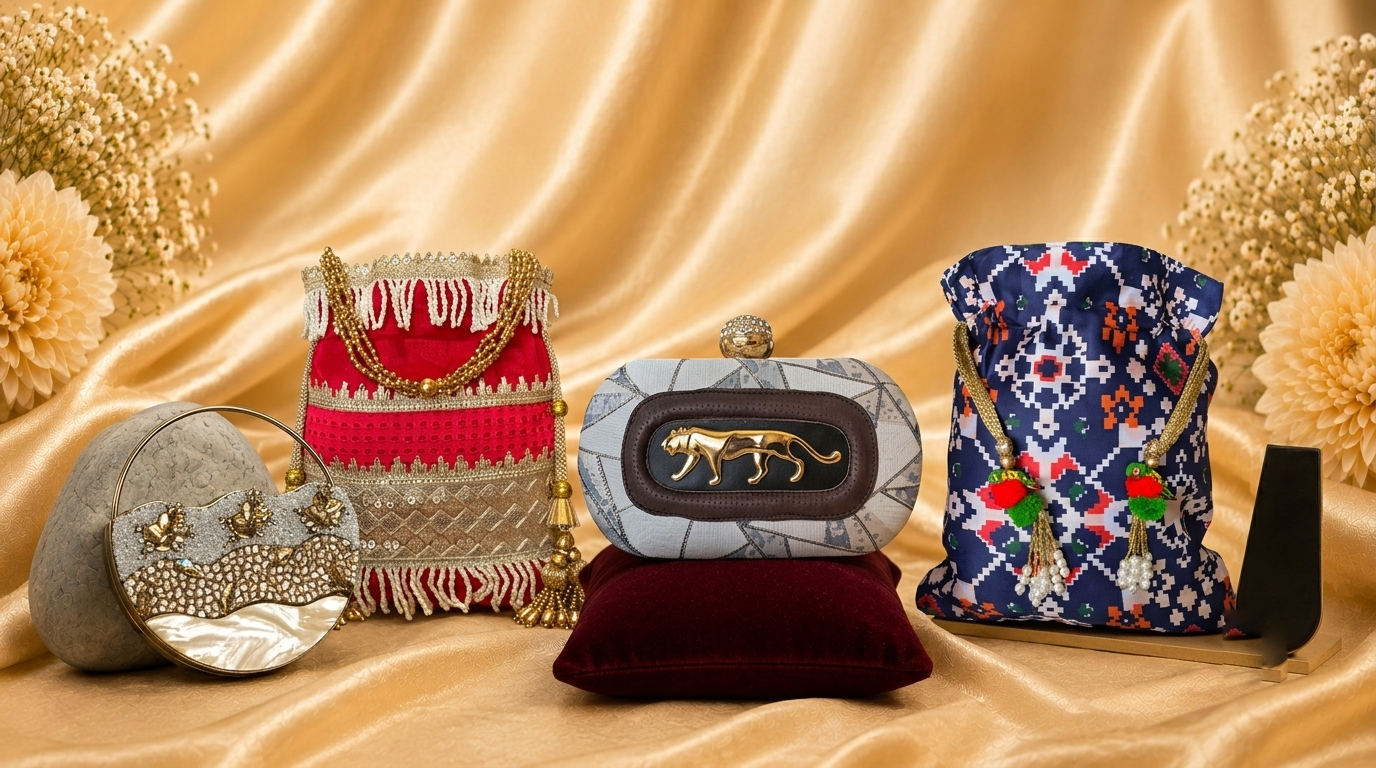
Ten minutes before the reception, and something's off even though the jewelry's on and the drape is pinned exactly right. Usually it's the bag. Or the wrong bag, still sitting in a drawer somewhere, while a random black clutch that doesn't match a thing gets grabbed on the way out the door.
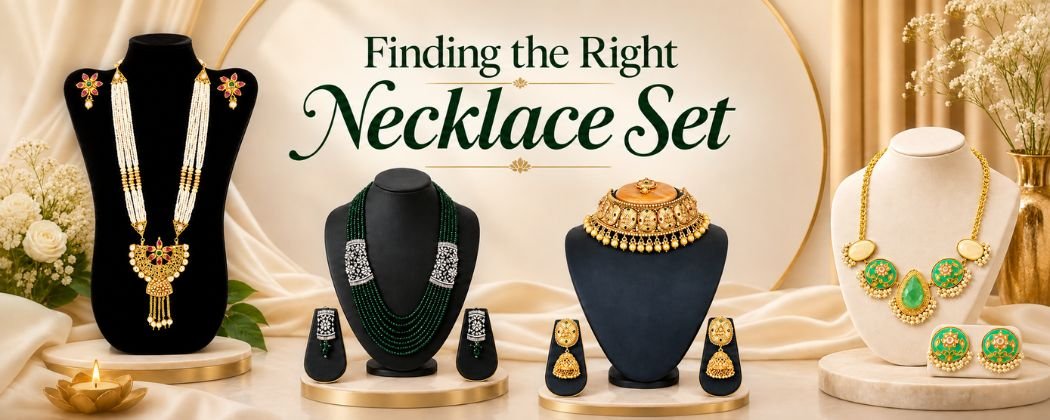
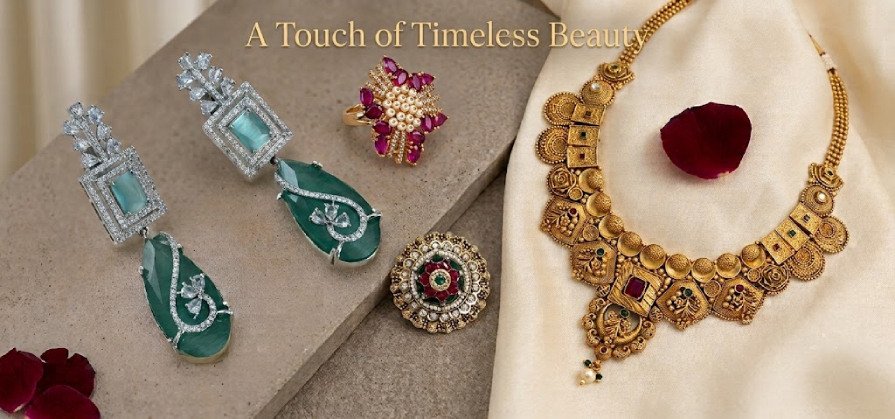
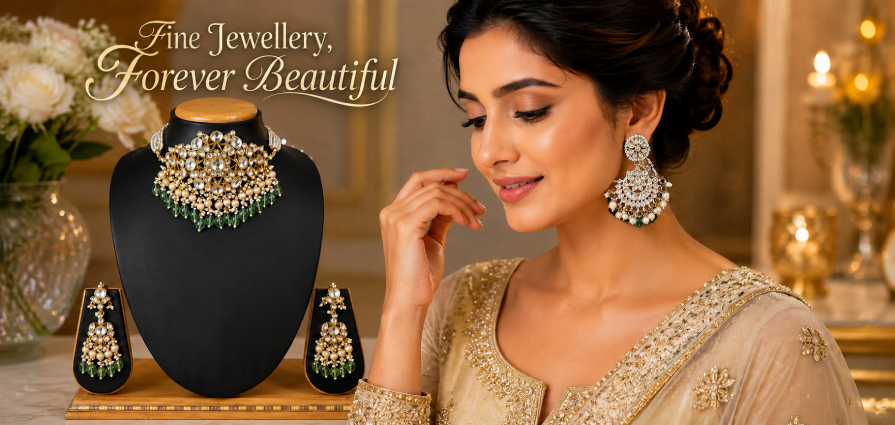
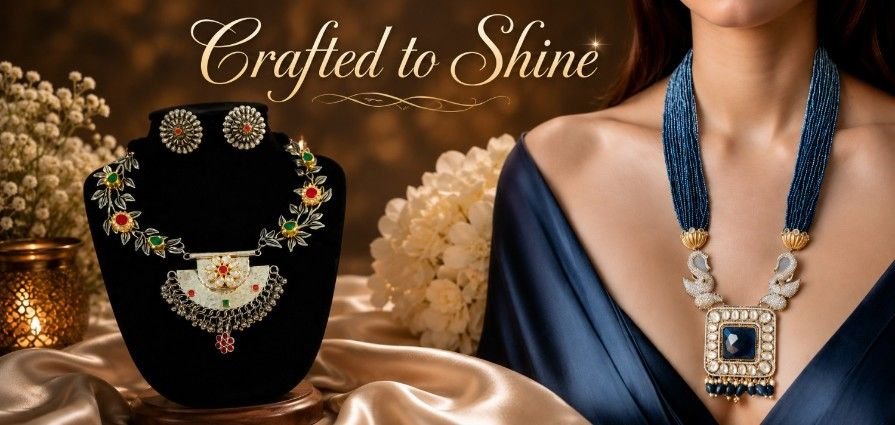
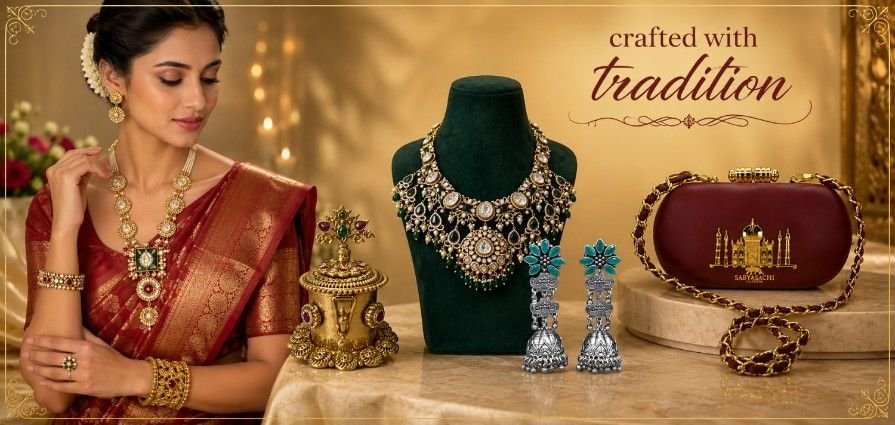
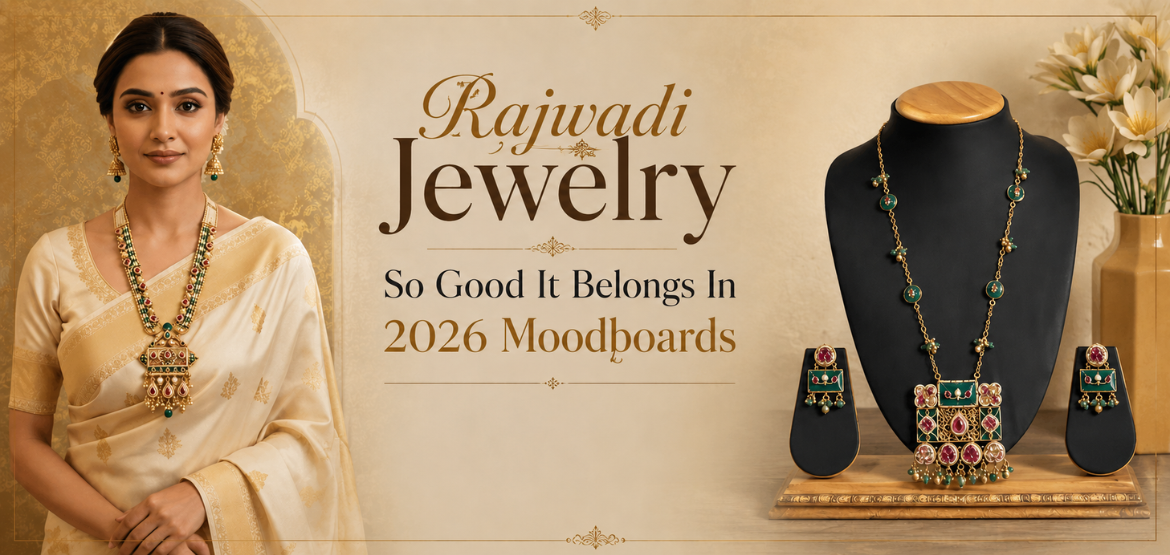
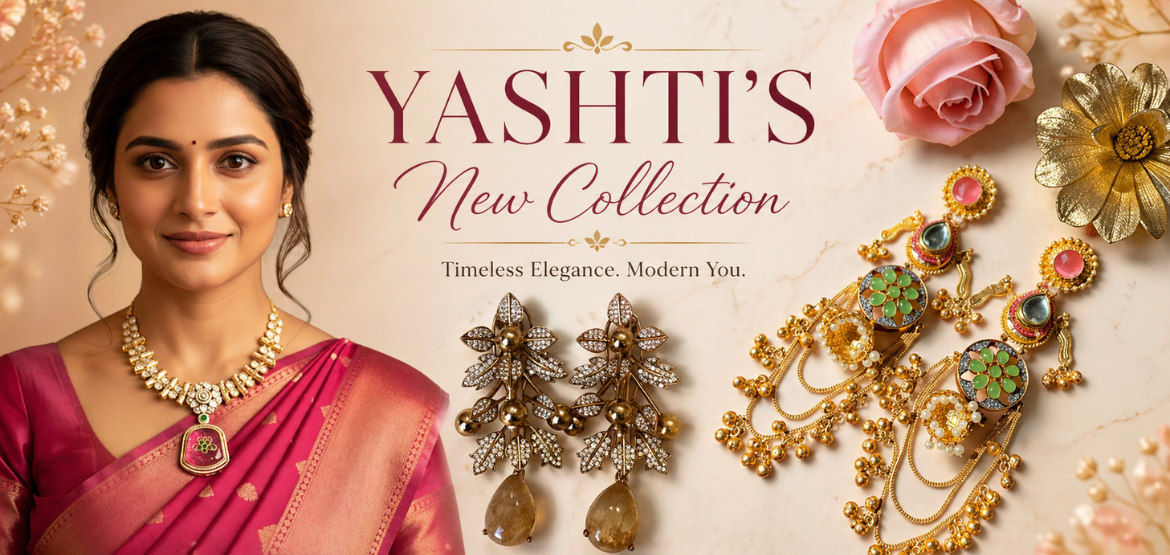
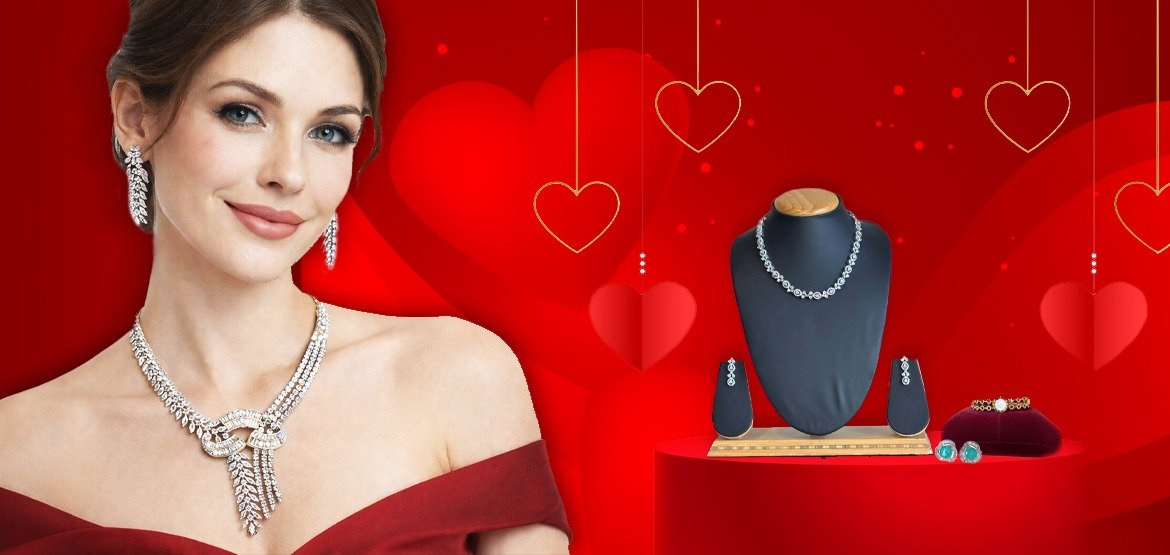
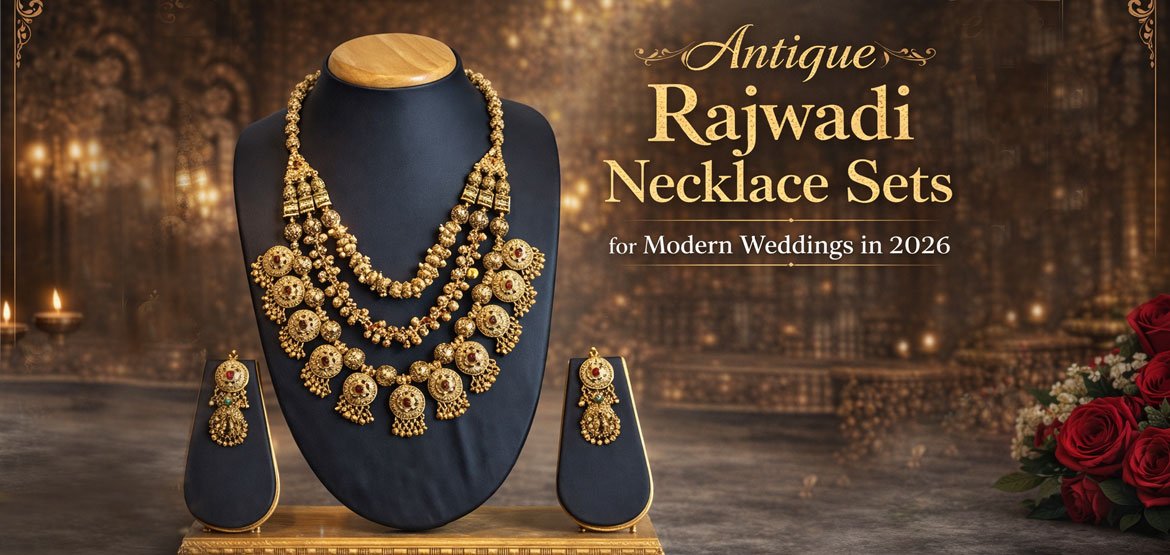
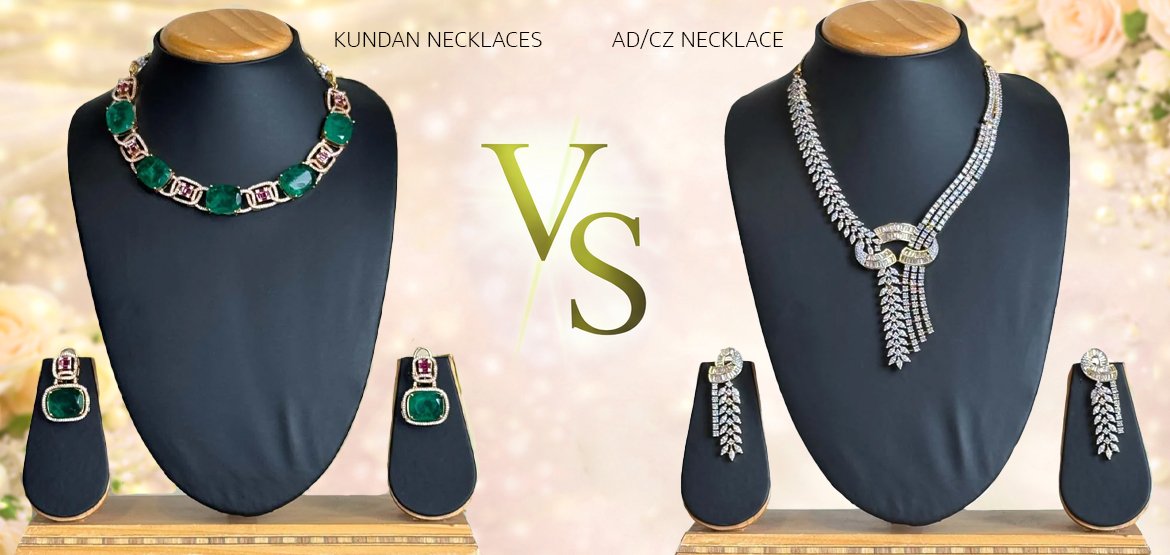
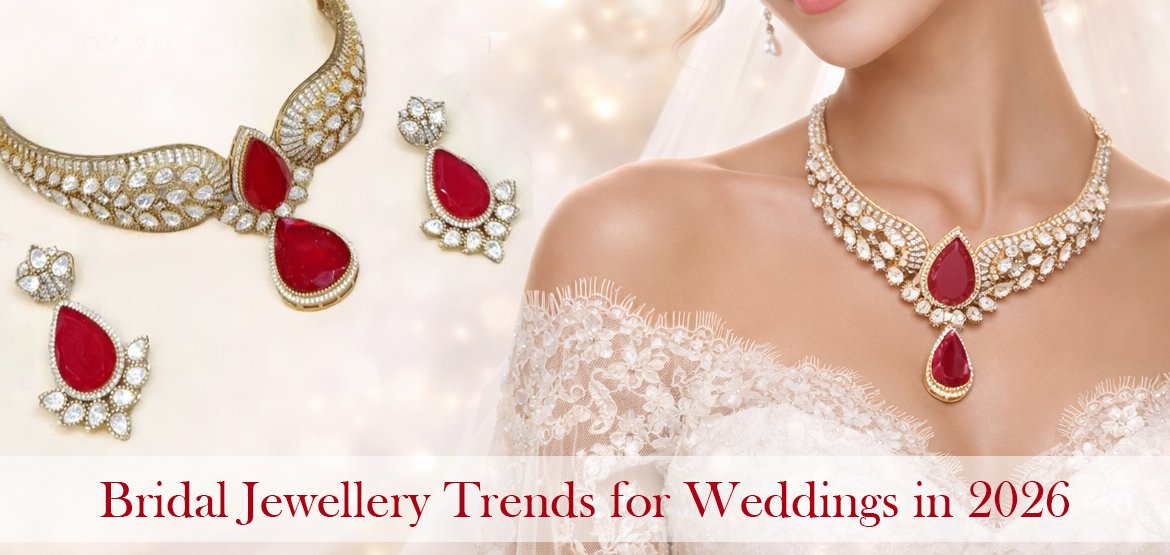
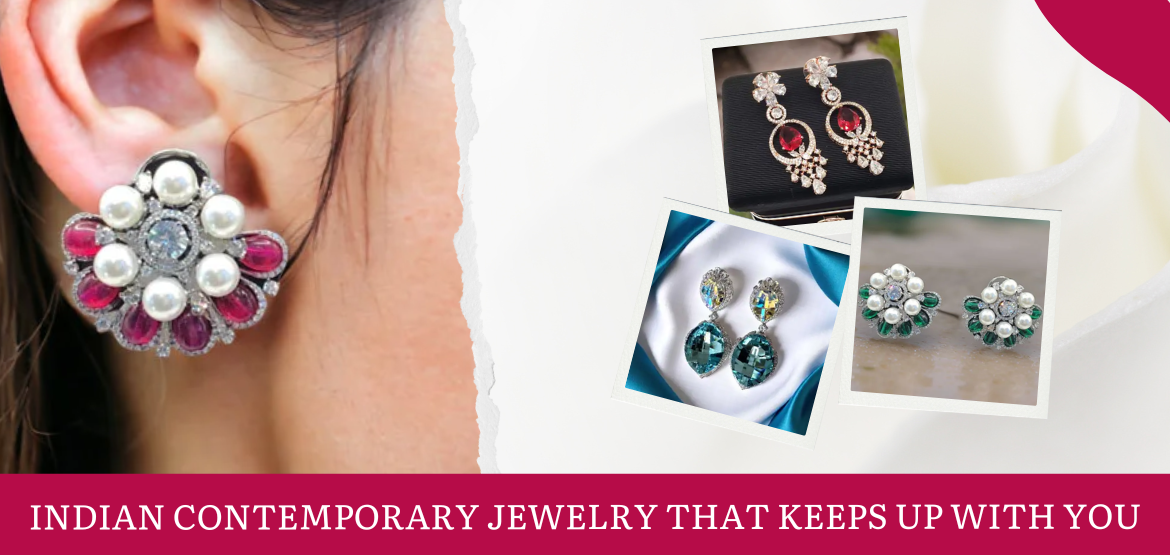
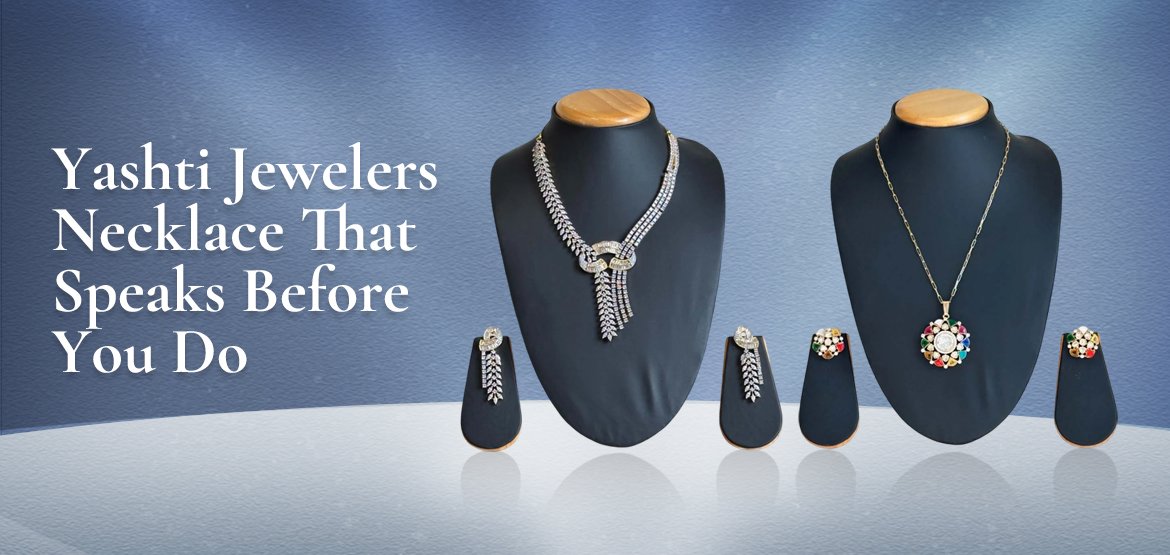
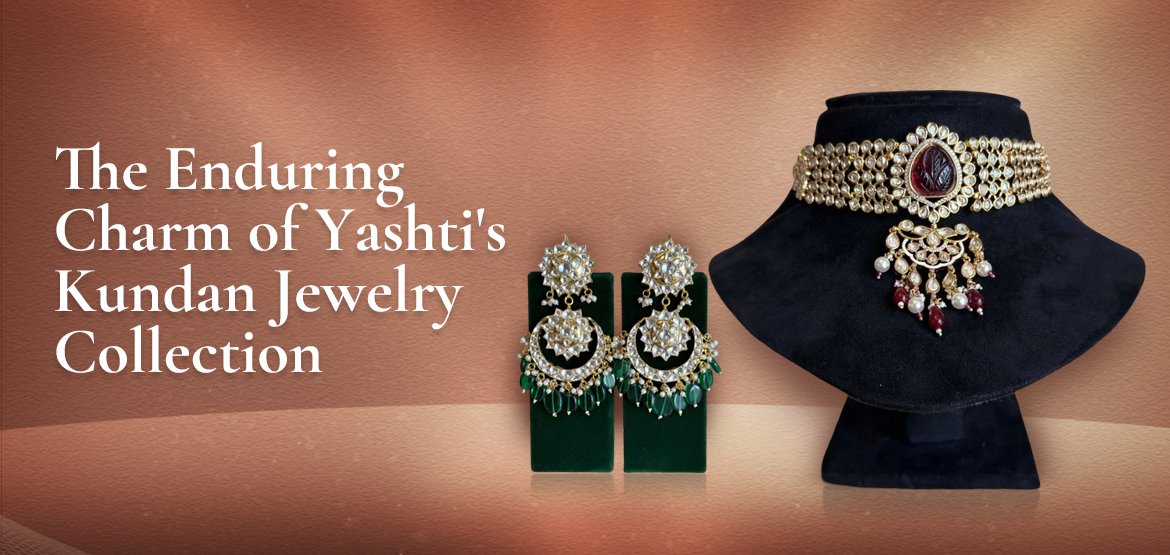
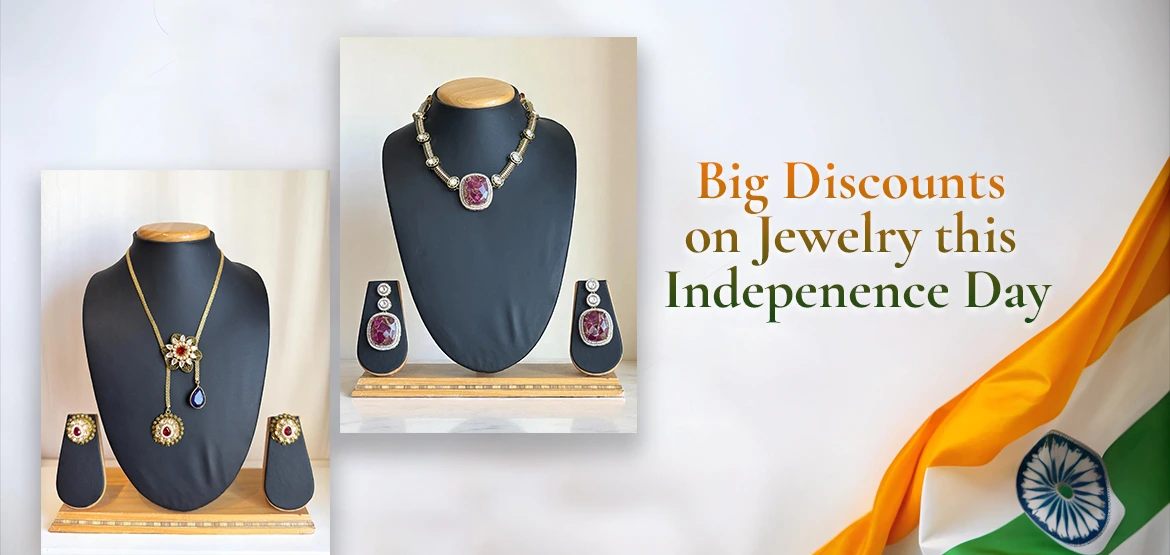
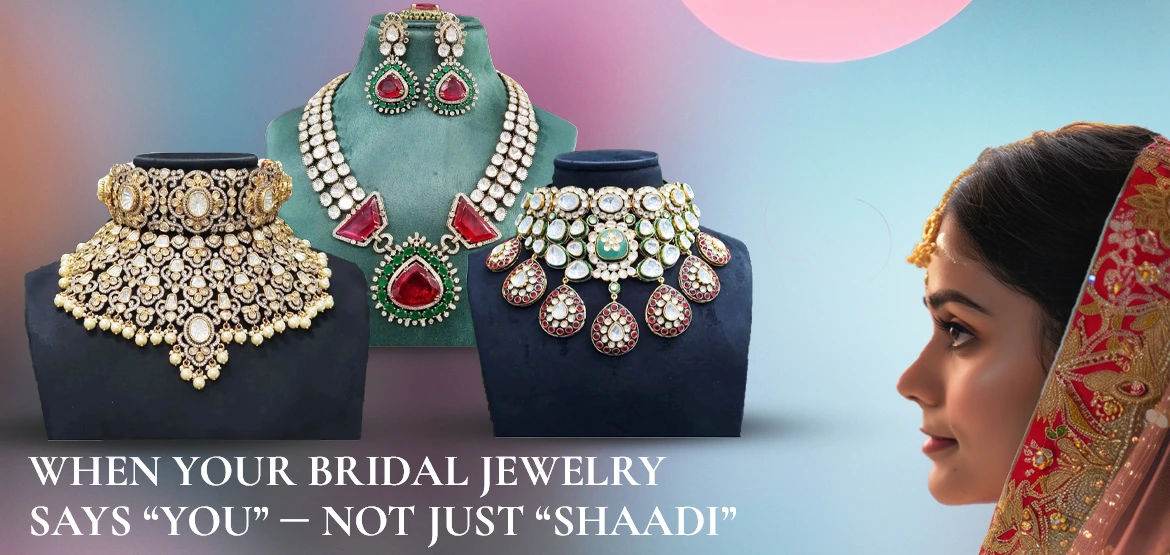
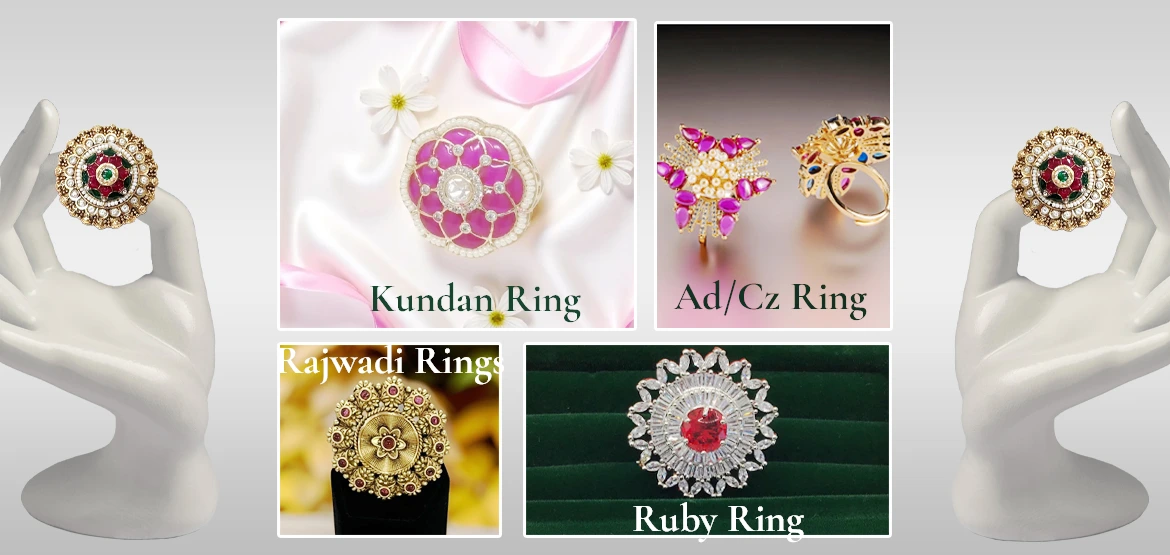
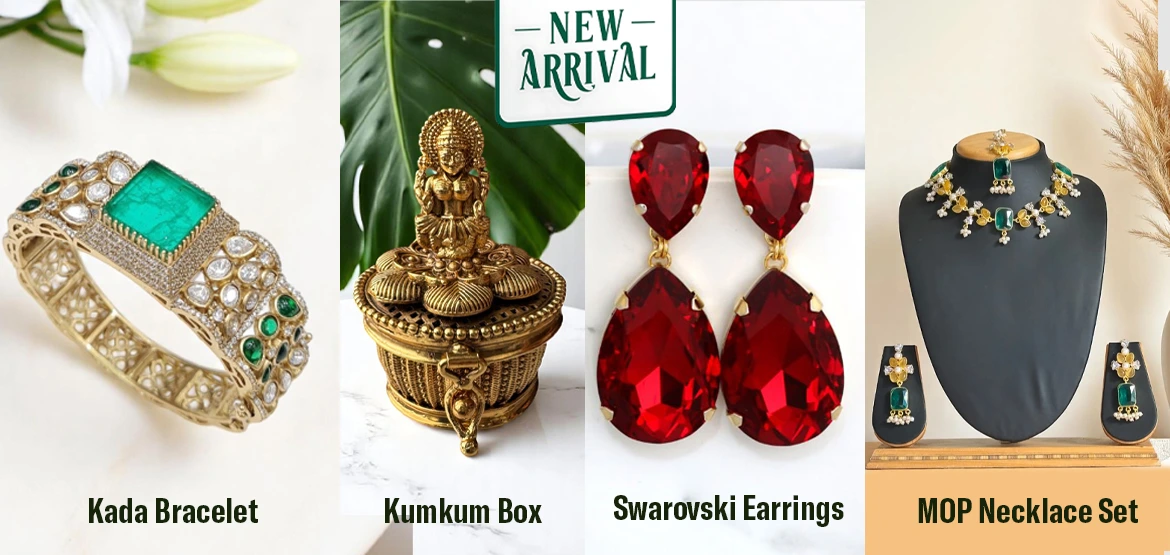
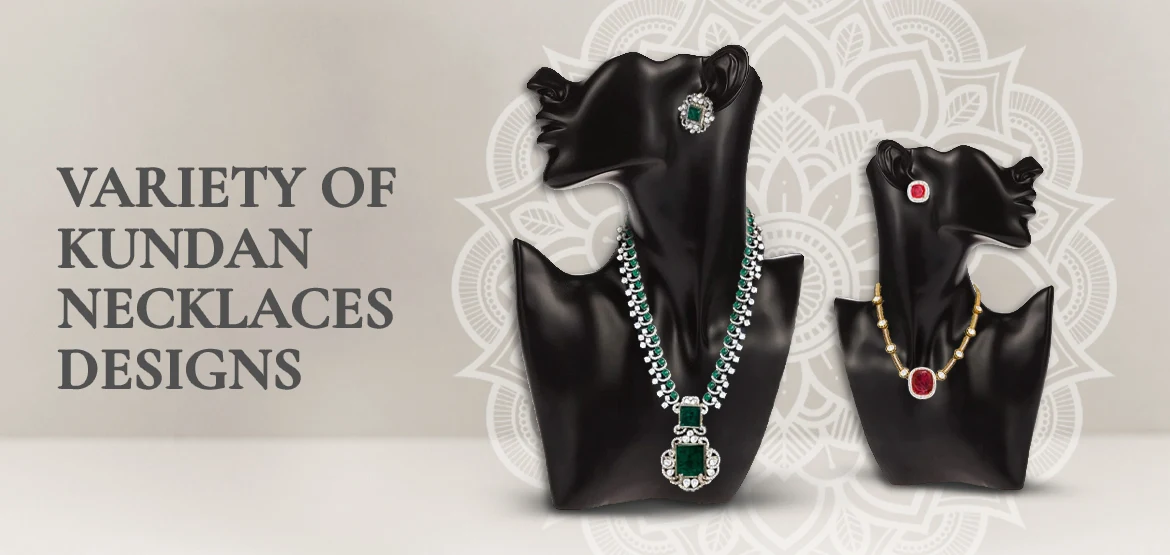
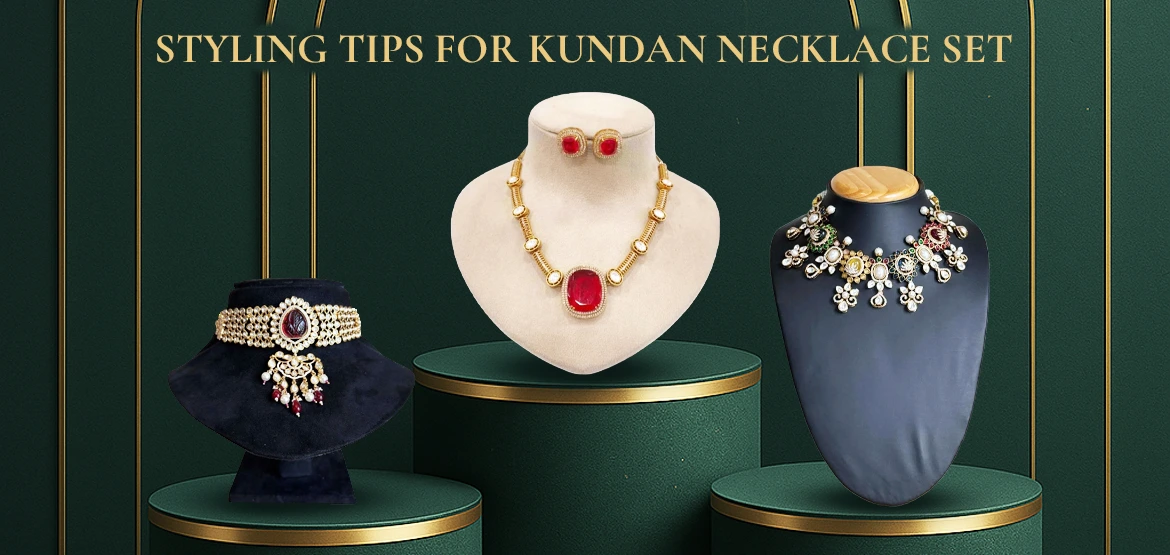
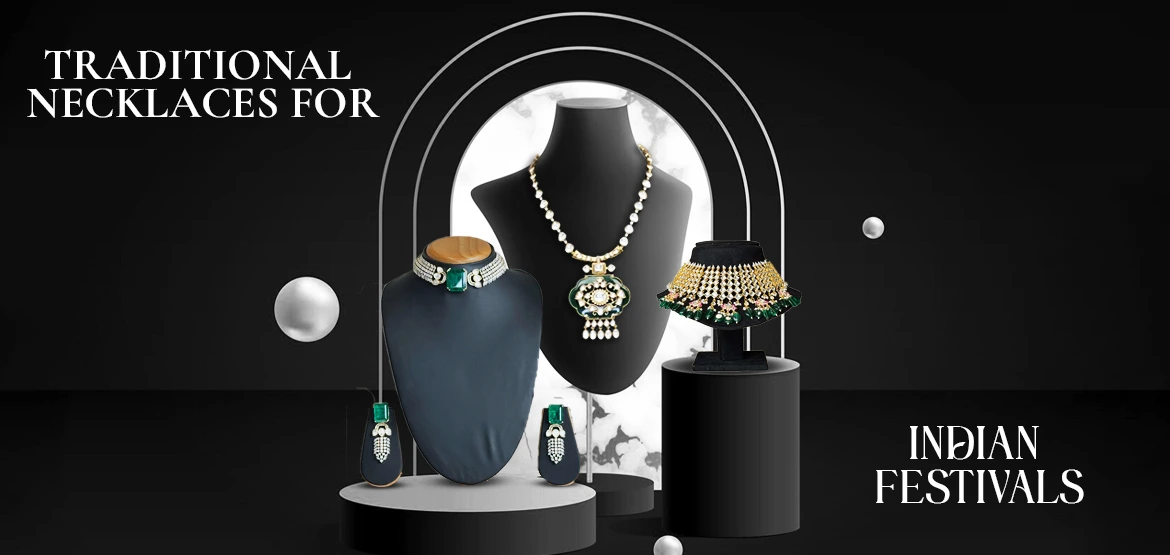
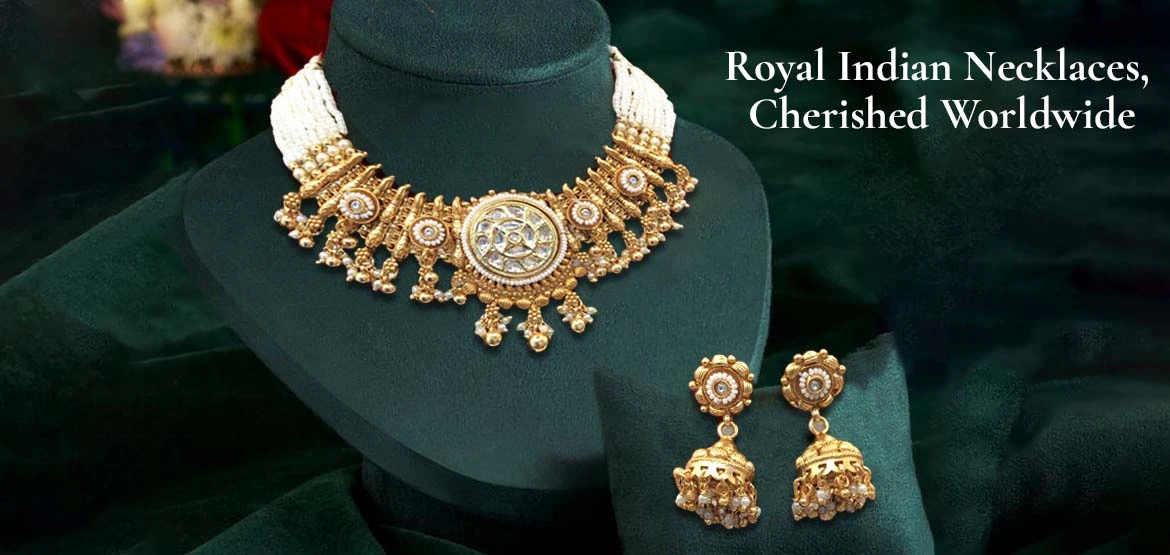
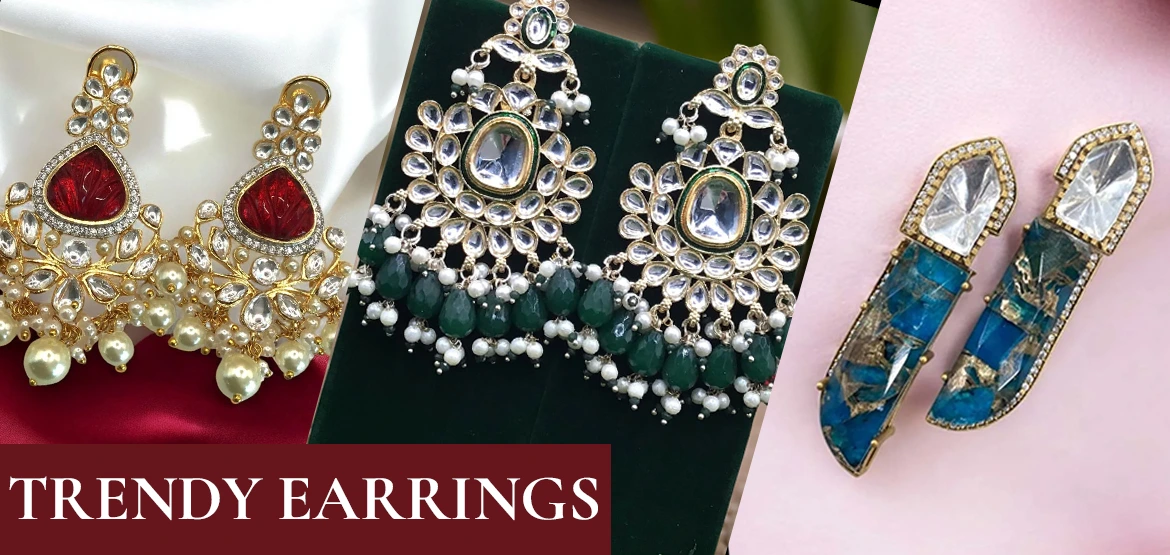
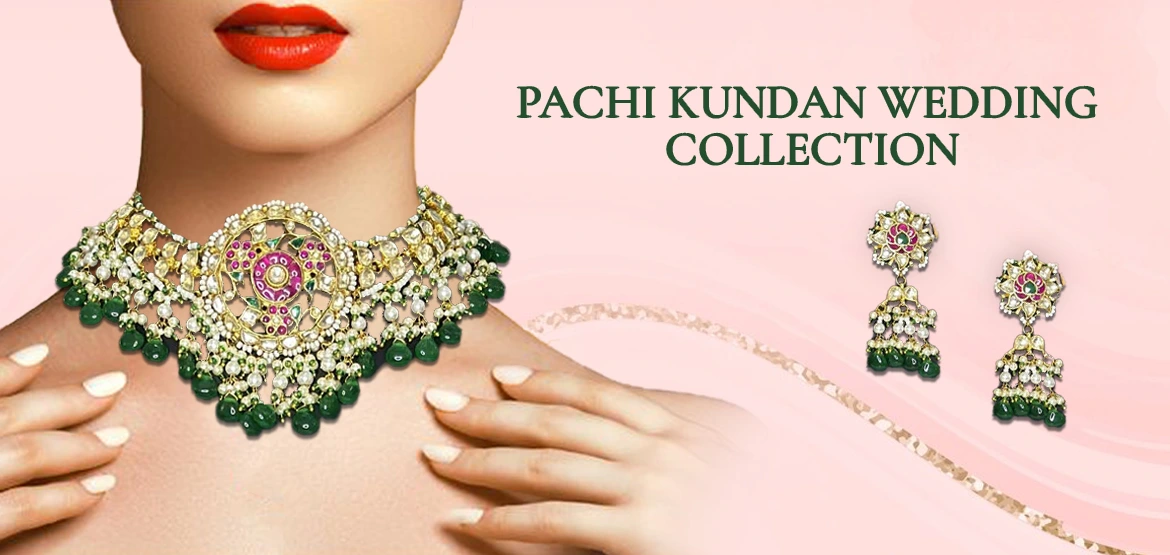
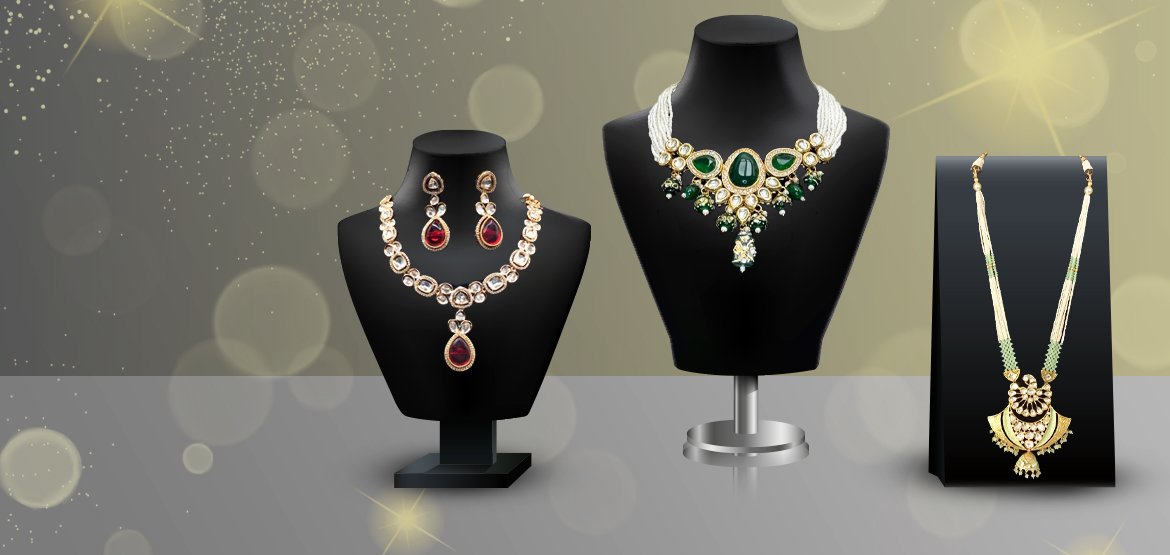
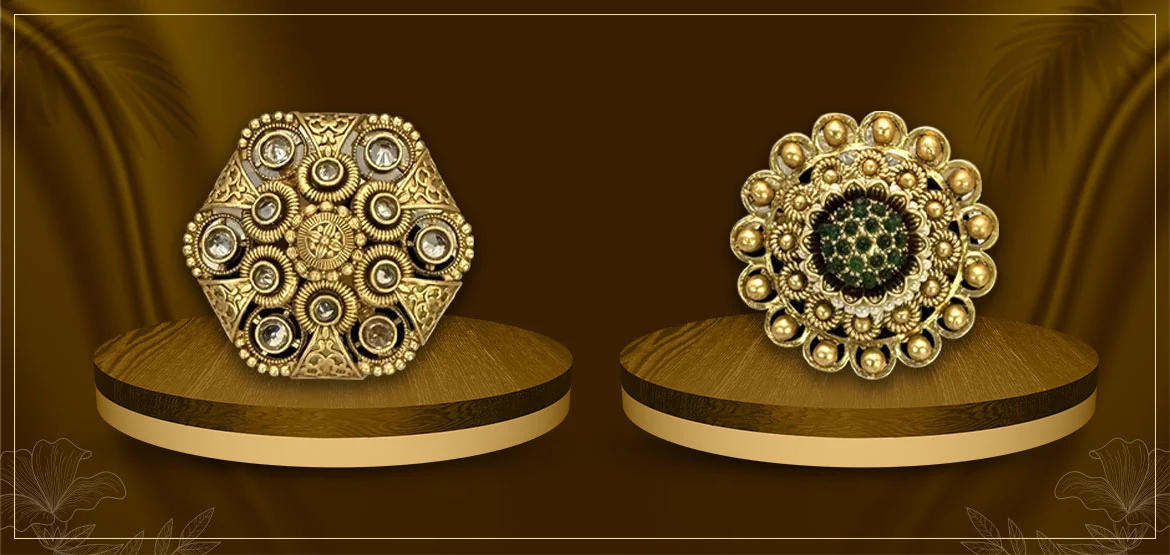
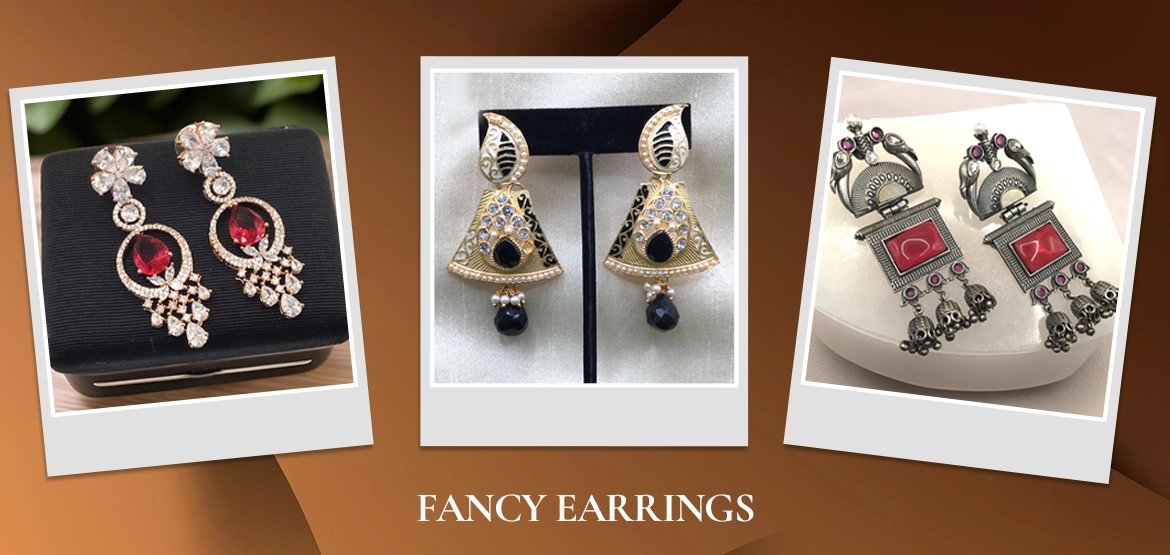
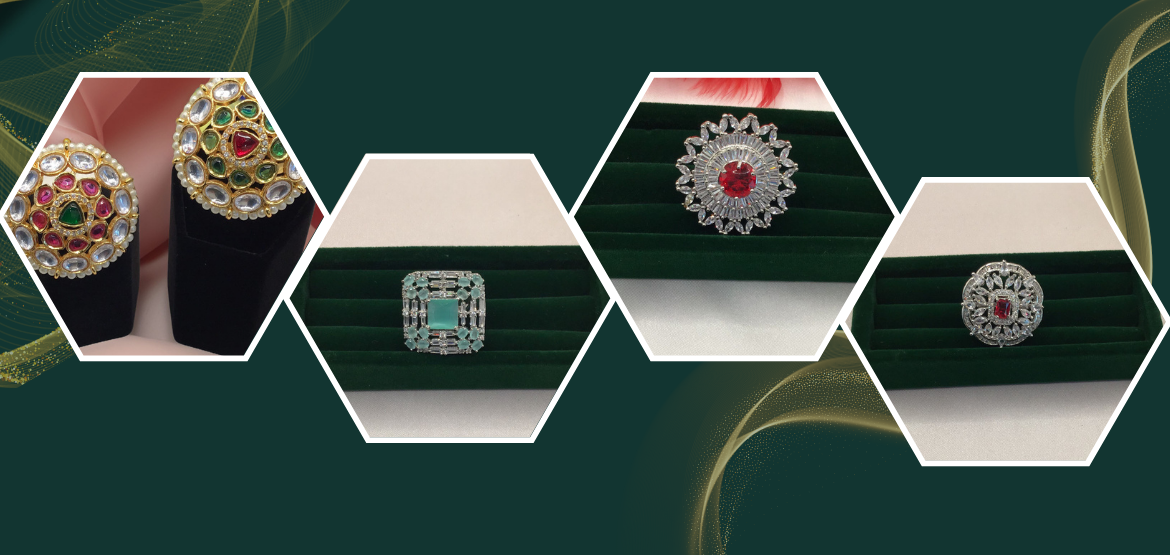
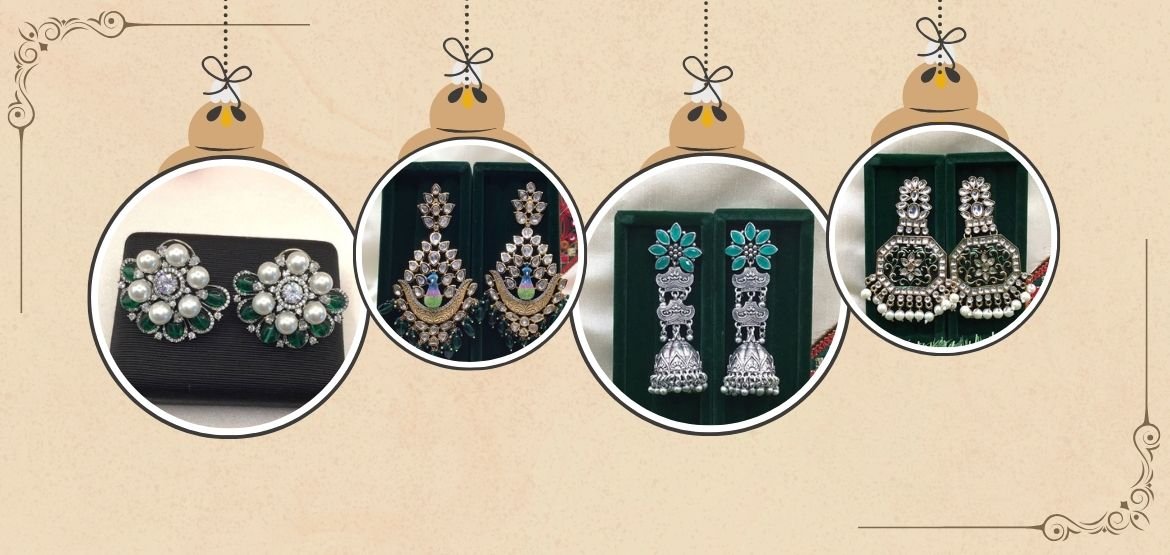
Yashti Jewelers has built its reputation on jewelry first, kundan sets, oxidized earrings, temple pieces. At some point the bags with contemporary and Indian purses look caught up. They're designed with the same eye for what sits next to them, so nobody has to buy a necklace here, chase down earrings somewhere else, and settle for whatever clutch happens to be on sale at the mall. Keeping bags and jewelry under one roof, made with an eye toward the same finishes, makes it a lot easier while shopping online with delivery available for USA, Canada, Germany, UK, Ireland & Australia.
The Bag Nobody Plans For

Most outfit advice stops at the clothes and the jewelry. Shoes get a mention. The bag rarely does, which is strange, because a clutch that's too casual or a color that fights the outfit can quietly undo everything else that was done right. Get it right, though, and nobody notices the bag at all. They just notice that the whole thing works.
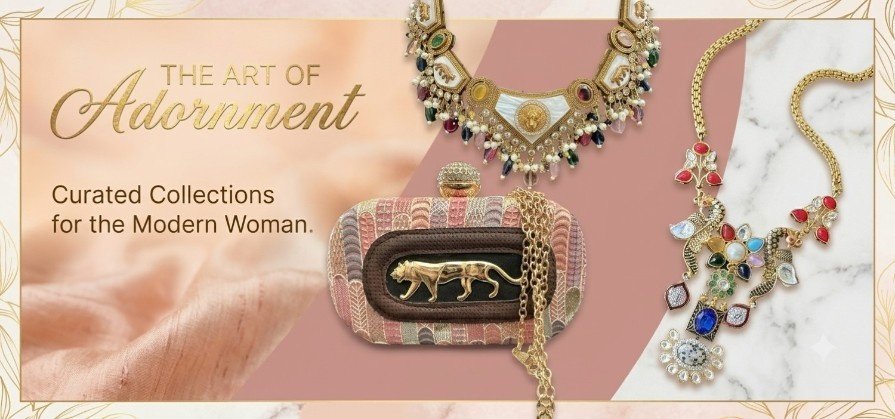
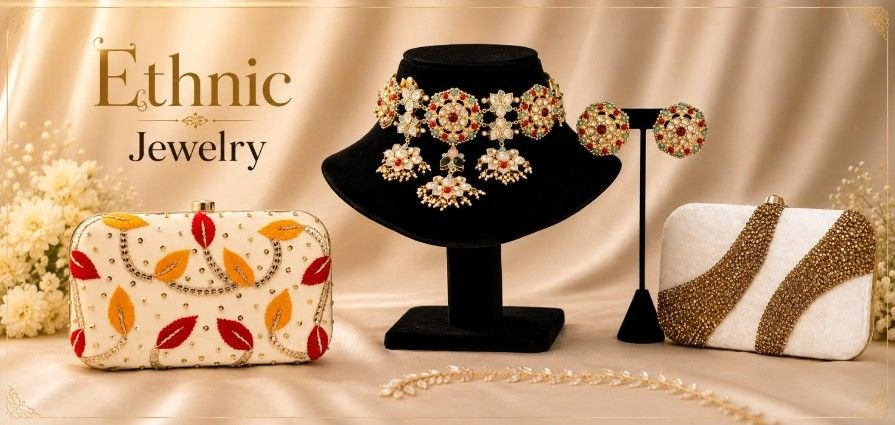
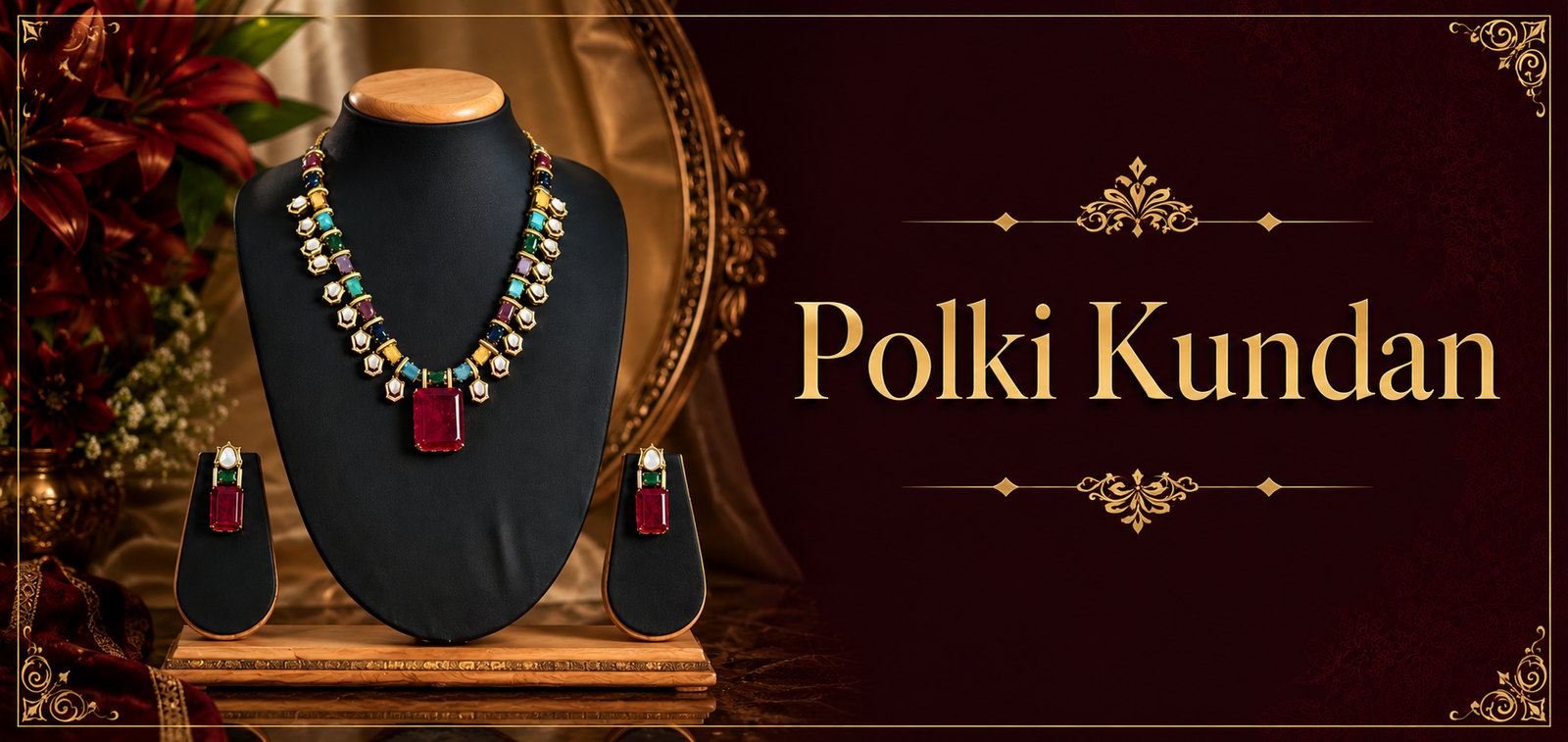
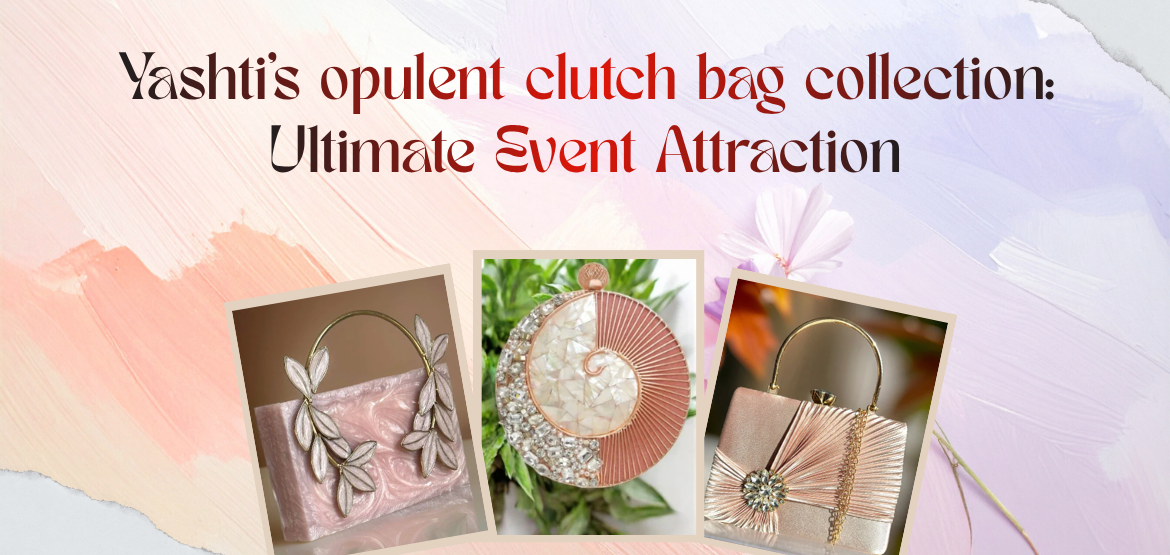
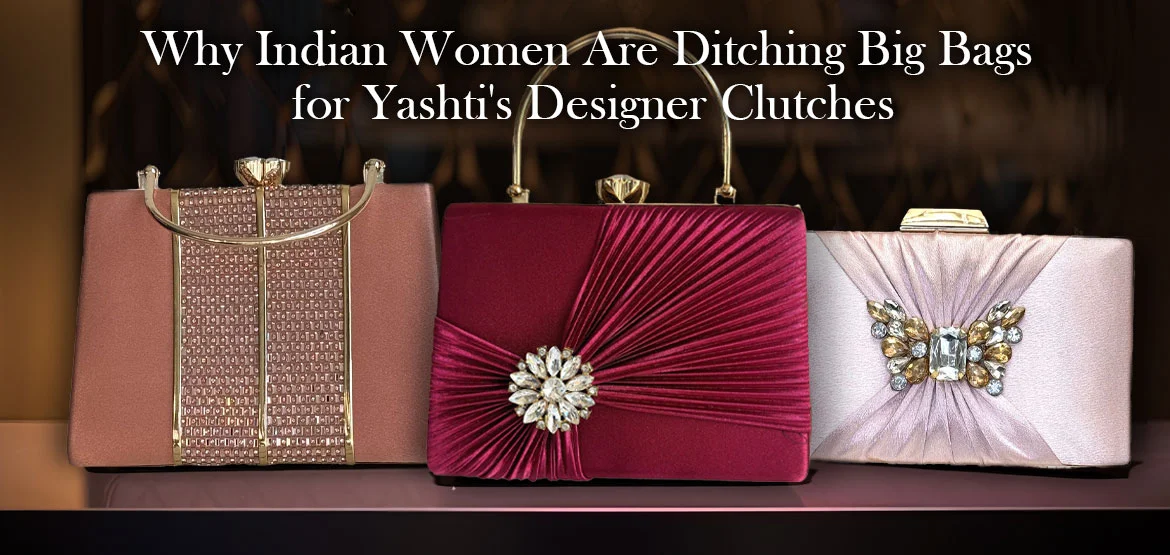
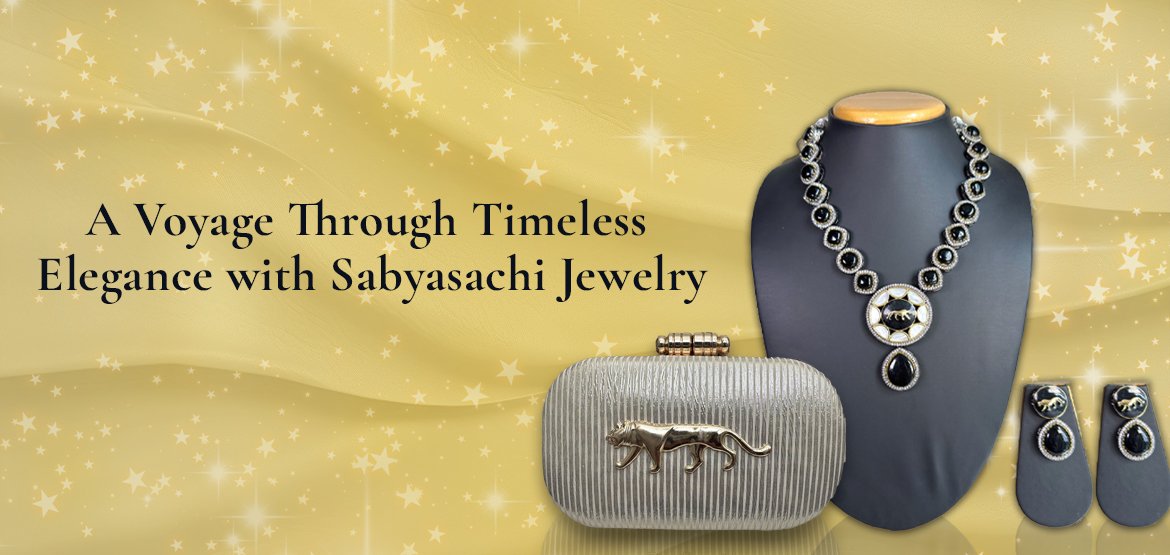
That's the thinking behind Yashti's clutch and purse collection. Pair a pearl clutch with a mother-of-pearl necklace set and the two just sit right together. A gold designer clutch next to temple jewelry. None of it happens by accident.
Where the Handwork Actually Lives

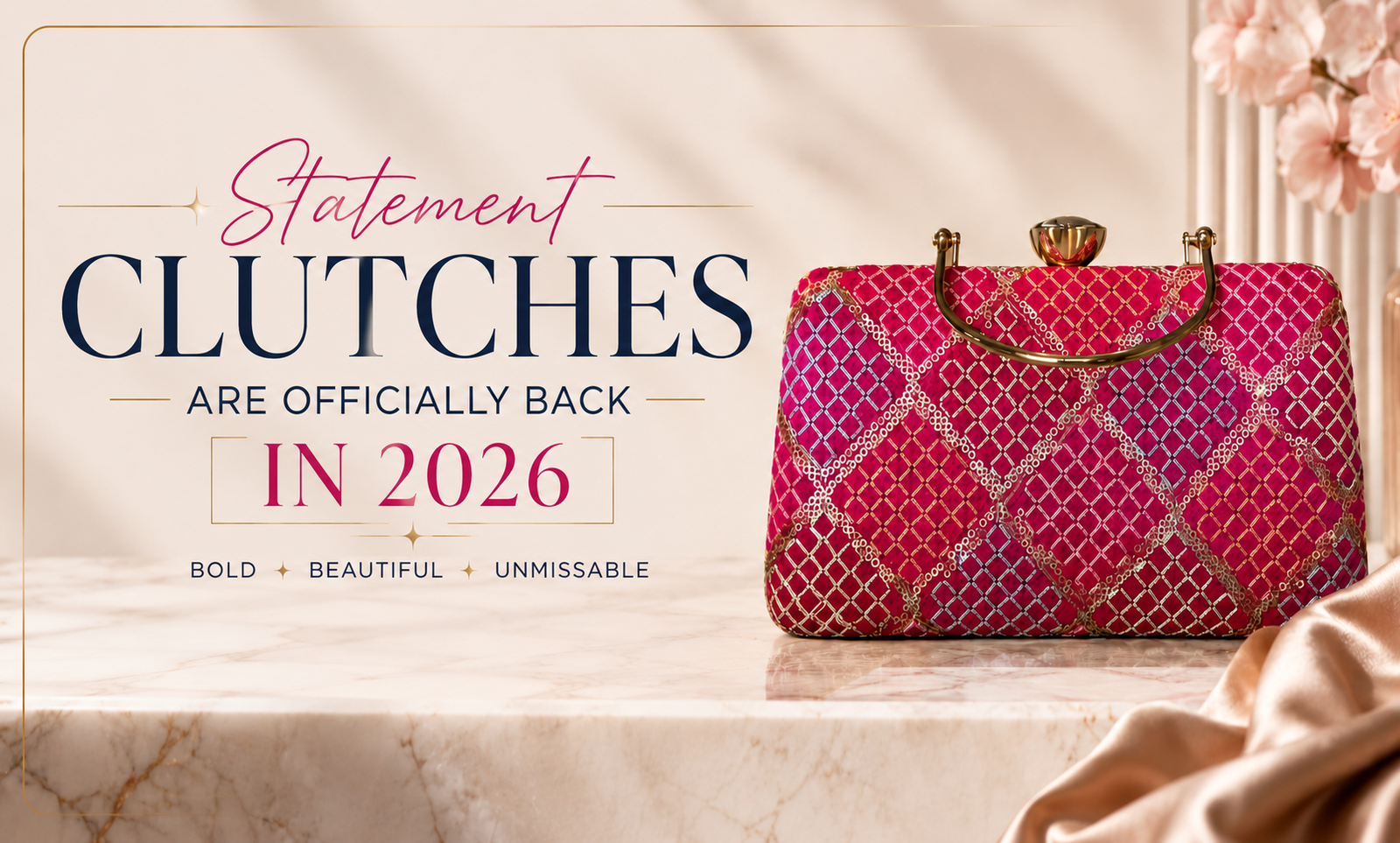
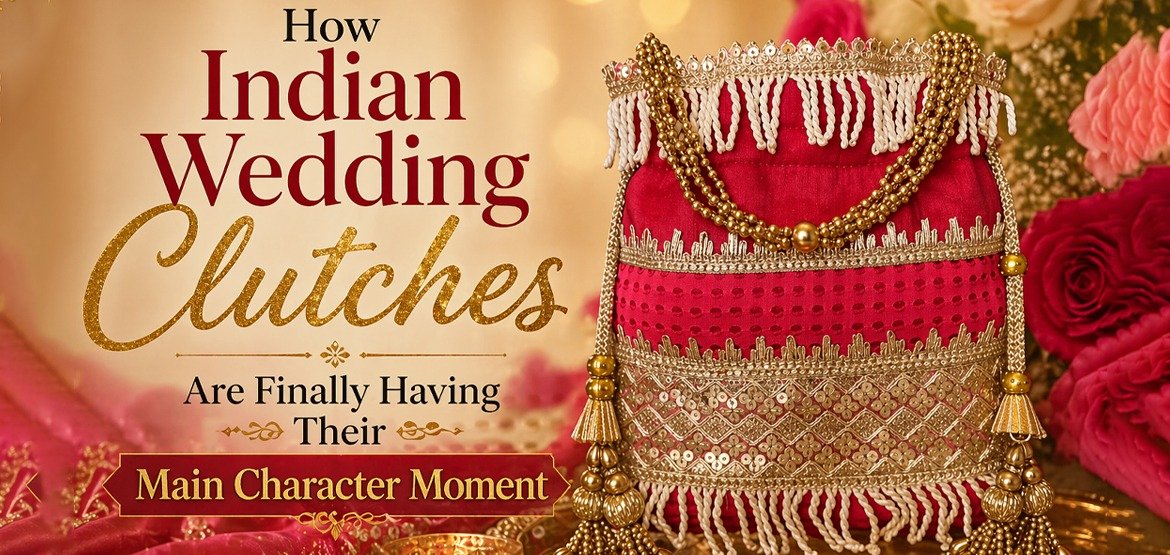
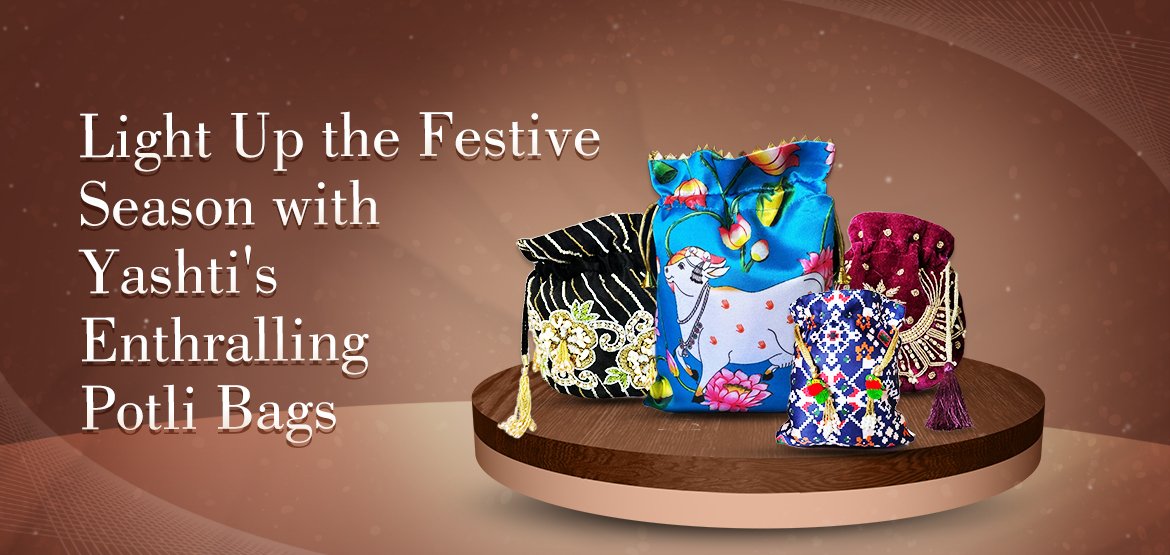
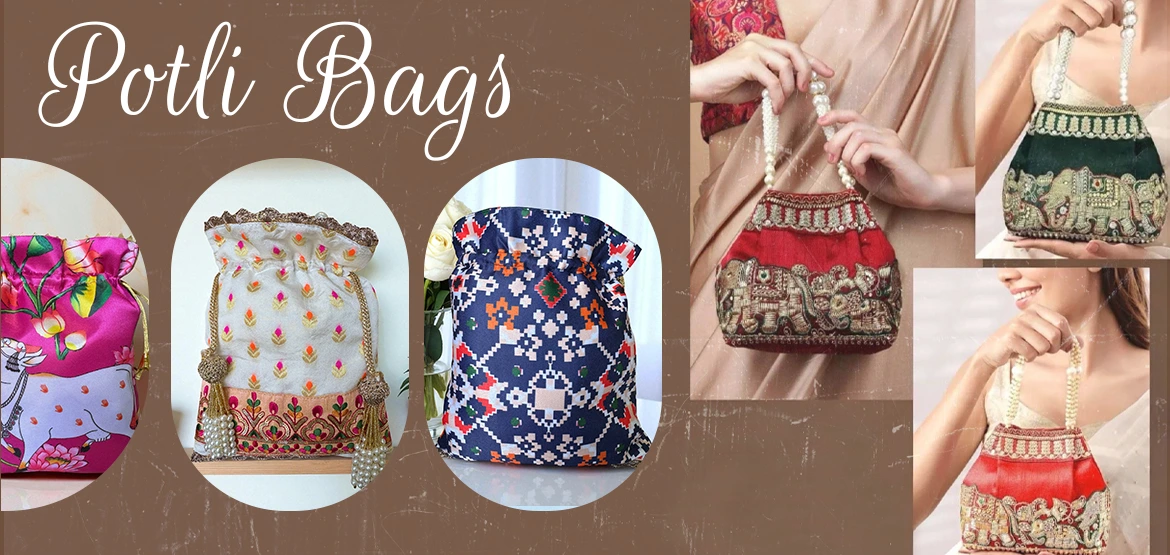
Yashti's potli bags start with silk or satin, and then the real work begins, zardosi threadwork, sequins, sometimes pearl detailing built up over hours. The drawstring pouch shape itself isn't new. It's been part of South Asian dressing for a long time. What's different is what gets layered on top of it, piece by piece, and that's where the actual craft is.
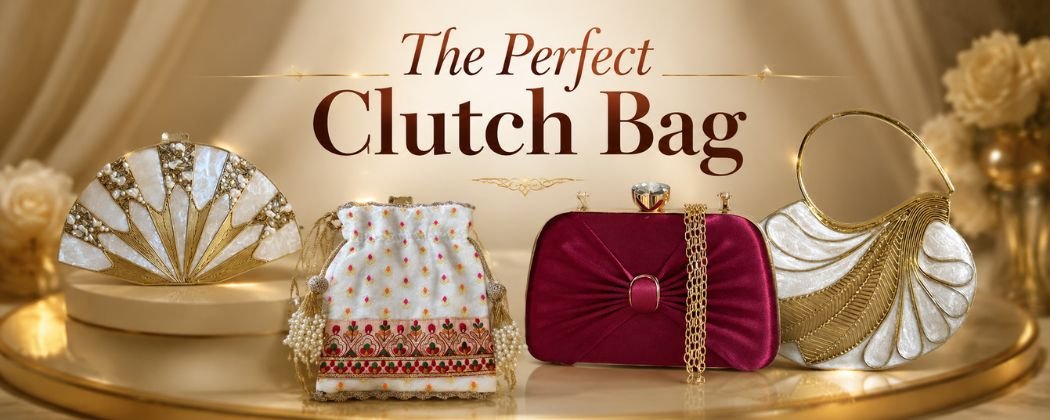
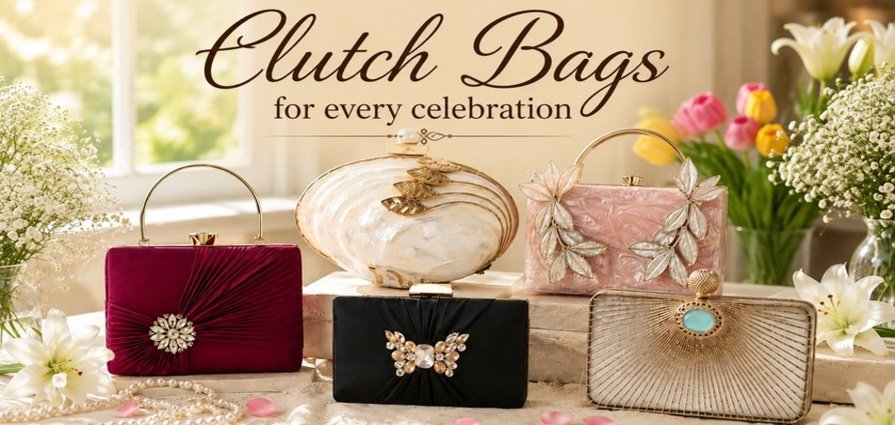
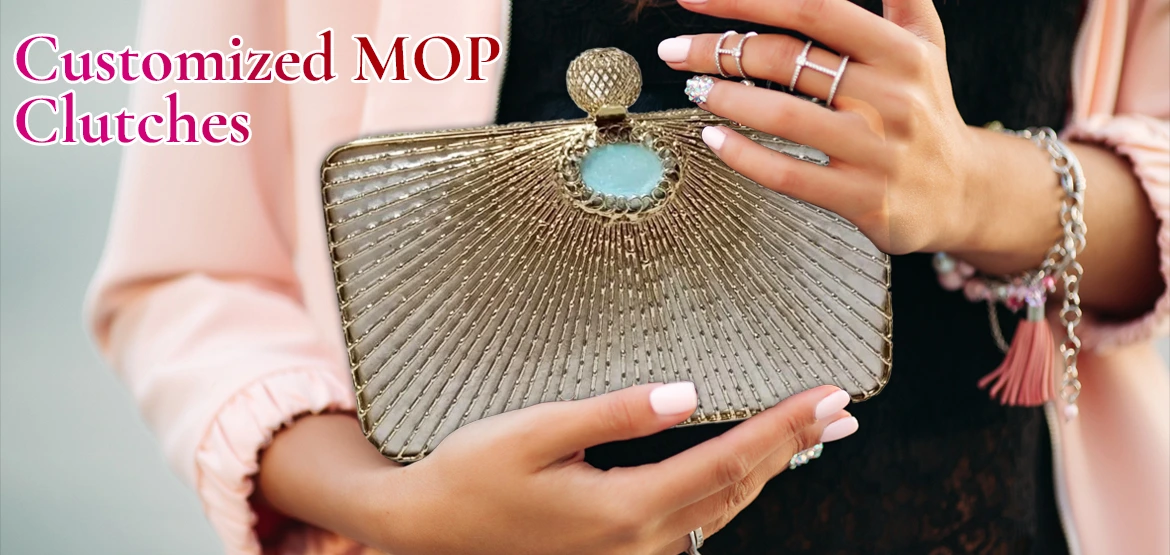
The clutch line skews a little more modern. Velvet envelope clutches. Resin pieces. Mother-of-pearl clutches trimmed in metal, sometimes shaped into a half moon or an oblong curve instead of the standard rectangle. Good options for someone who wants the handmade quality without going fully traditional, or who needs something that reads a little more Western at a dinner where a full beaded bag might feel like it's trying too hard.
There's a reason mother-of-pearl keeps showing up across the collection. The material itself does something a dyed or painted surface can't. Tilt it under different light and the color shifts, greens and pinks and silvers moving across the same shell depending on the angle. That's not something a factory finish fakes convincingly. It's also part of why no two mother of pearl clutch bag options ever look quite identical, even within the same design, since the shell pieces used are natural and each one carries its own pattern.
A Few Ways to Get the Pairing Right
No stylist required, honestly. Some things that tend to work:
• If the jewelry is loud, let the clutch be quiet. Heavily worked necklace, simpler bag.
• Gold-toned bags sit better with warm jewelry finishes. Silver clutches pair more naturally with oxidized or white-metal pieces.
• Save the heaviest, Indian wedding purse for the events that call for them. A casual dinner doesn't need the full wedding treatment.
• Velvet next to oxidized silver reads completely different from silk next to kundan. Neither is wrong. Just pick on purpose.
Keeping One of These Around Longer
Hand-embellished bags do need a bit more care than a plain leather clutch, though not a lot more. Store a beaded clutch in a soft pouch or box rather than tossing it in a drawer, since loose beads and sequins snag on fabric and other jewelry given the chance. A dry cloth on the outside usually covers it. Water and heavy embroidery don't mix well, so it's worth keeping these away from anything that might get them wet, and away from direct sun for long stretches, since some dyed silks and threads can fade over time. None of this is complicated. It just means treating the bag less like a phone case and more like a piece of jewelry, which, given the materials involved, is really what it is.
Not Just for Weddings
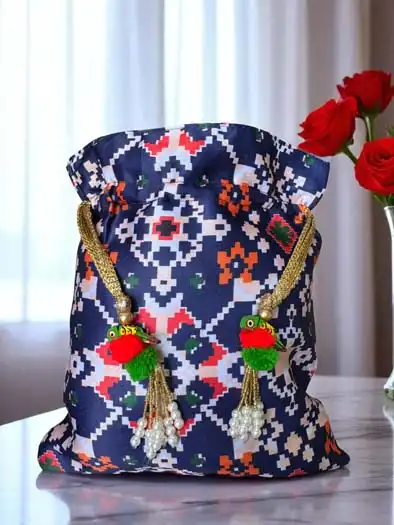
There's an assumption that anything this ornate only comes out for weddings, and that's not really true. A small pearl clutch does a formal dinner and a cocktail party equally well. Take a lightly embroidered silk potli bag to a festival gathering and it fits right in too. Versatility, dressed up like tradition.
And these bags still have to do a bag's actual job. A phone, lipstick, keys, maybe a compact mirror, all of it needs somewhere to go. Yashti cuts its potli bags with enough room for the essentials, so the embroidery doesn't come at the expense of being able to use the thing.
One Wardrobe, Not Two Separate Categories
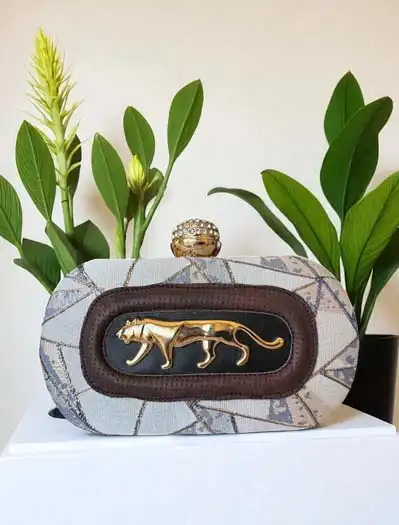
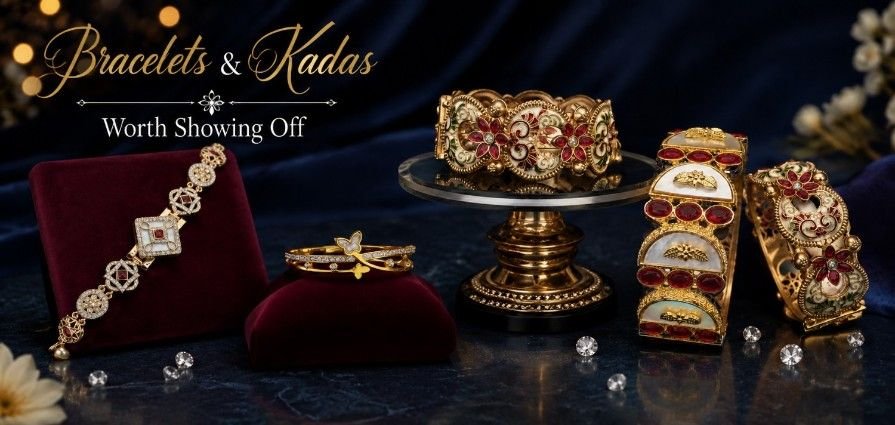
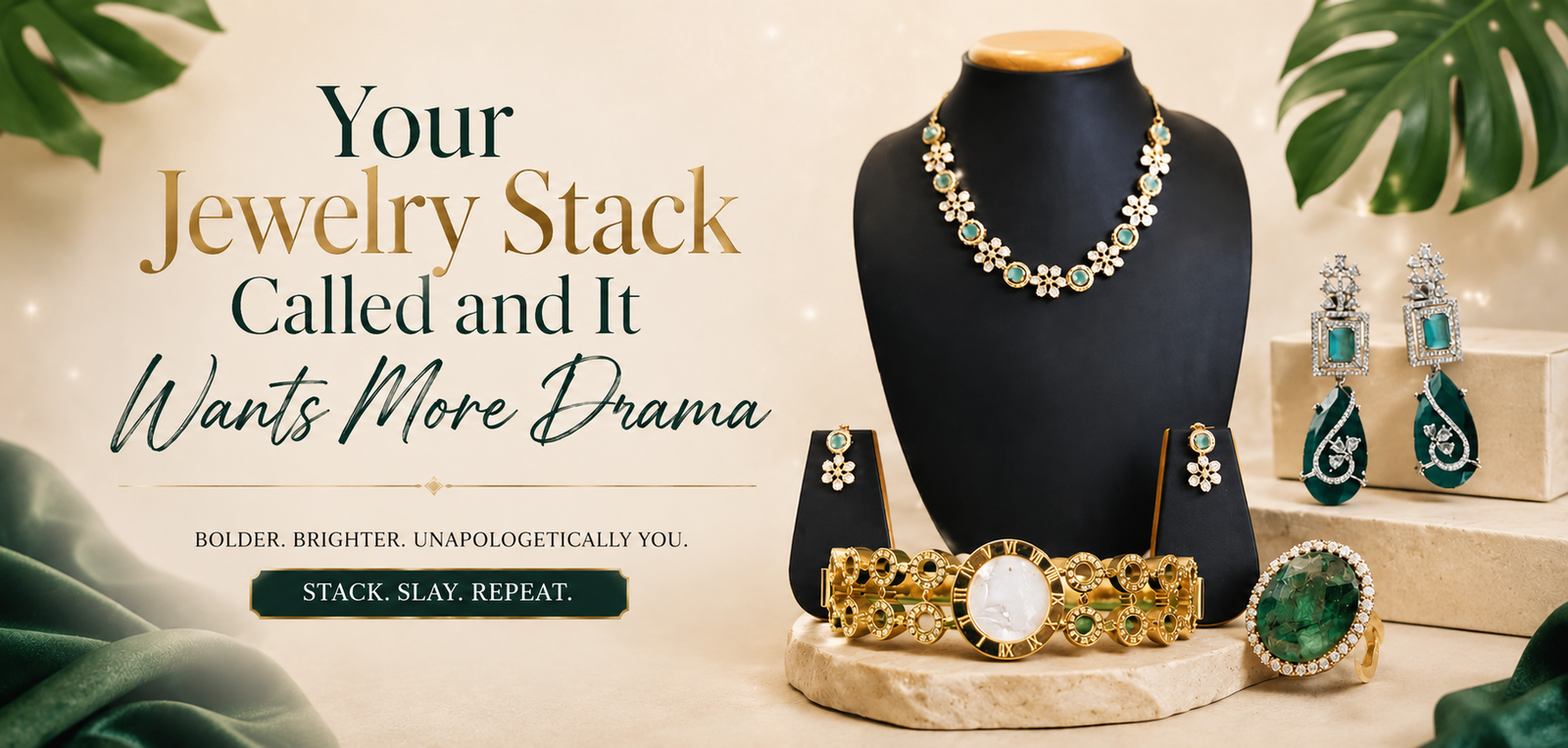
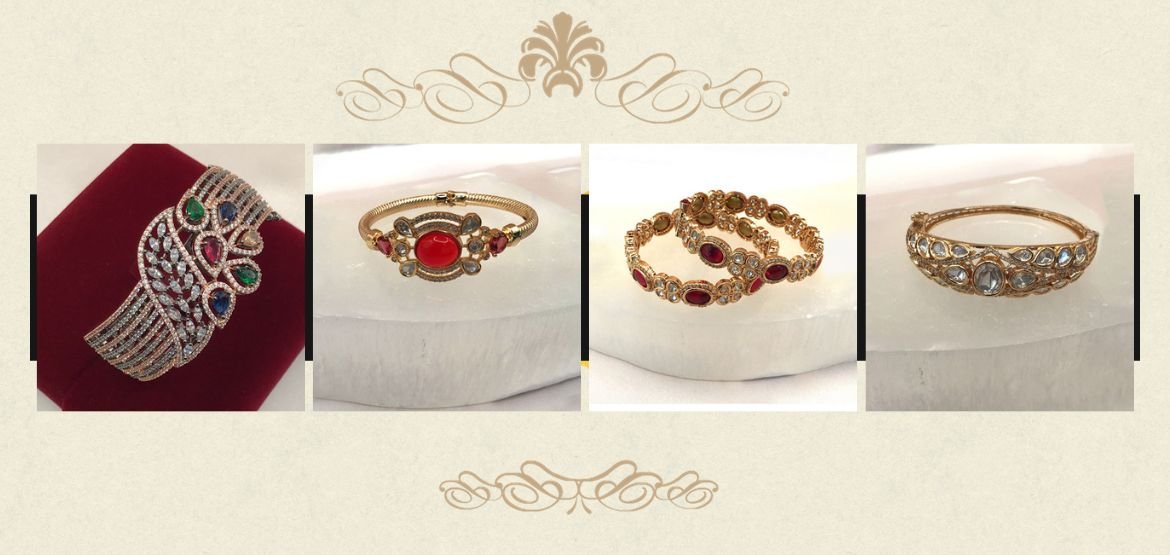
What Yashti does differently is refuse to treat jewelry and bags like separate shopping trips. Earrings, necklace, bracelet, and the bag holding it all together, made with each other in mind rather than as separate product lines. Shopping from the US, that means skipping the guesswork that comes from mixing pieces pulled from stores that had no idea the others existed.
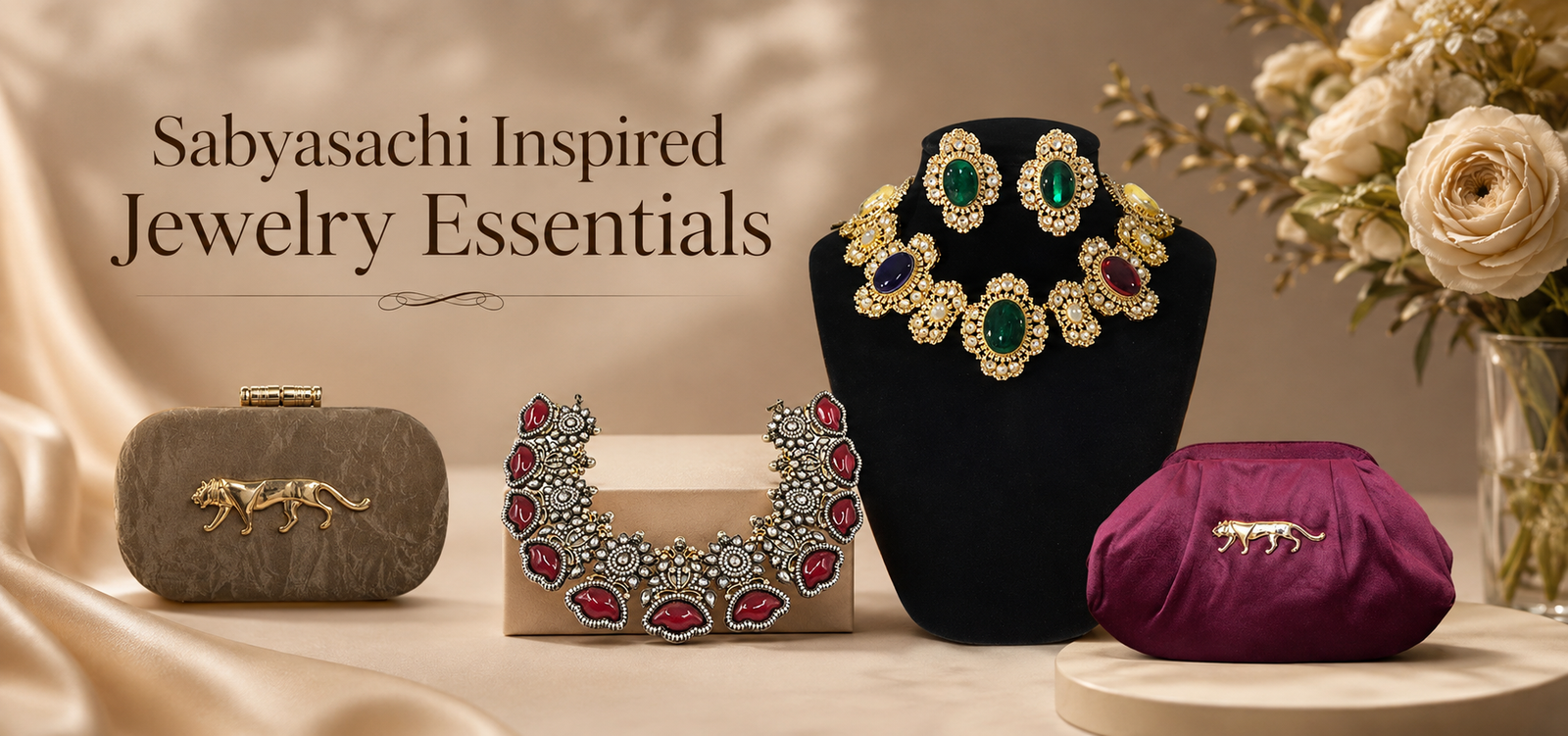
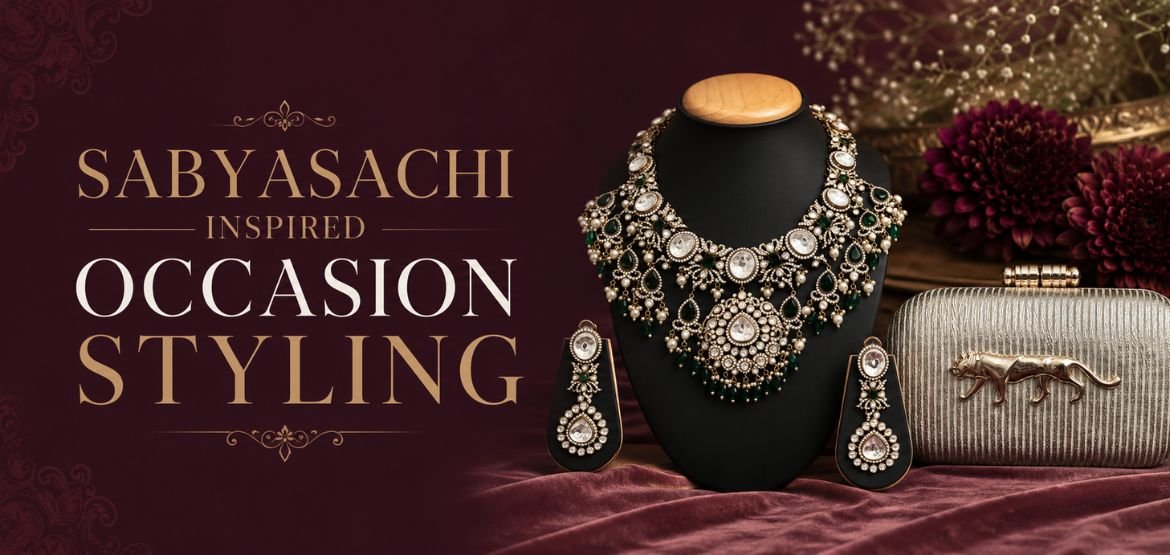
A sabyasachi clutch with hand-worked zardosi. A mother-of-pearl clutch for a night out. A small gifting pouch for someone who's hard to shop for. Different occasions, same idea: craftsmanship first, and the rest follows from there. It's a fairly simple standard to hold every piece to, but it's the reason a Yashti bag tends to end up used for years instead of one event and then forgotten in the back of a closet.
Key Takeaways
• Mismatches usually trace back to buying the jewelry in one place and the bag in another. Pick both from a single collection and the guesswork mostly disappears.
• Finish matters more than color. Gold works with gold, silver works with silver, and mixing warm and cool tones is the fastest way to make two nice pieces fight each other.
• Don't max out both. If the necklace is doing a lot, let the clutch sit back and stay simple. Loud plus loud usually just cancels out.
• The wedding-only rule is mostly a myth. A small pearl clutch works at dinner, a cocktail party, pretty much anywhere a plain black bag would've gone anyway.
• Care is basic, not fussy for Indian purses. Soft pouch when it's not in use, dry cloth for dust, nowhere near water, and skip long stretches in direct sun. That's really it.
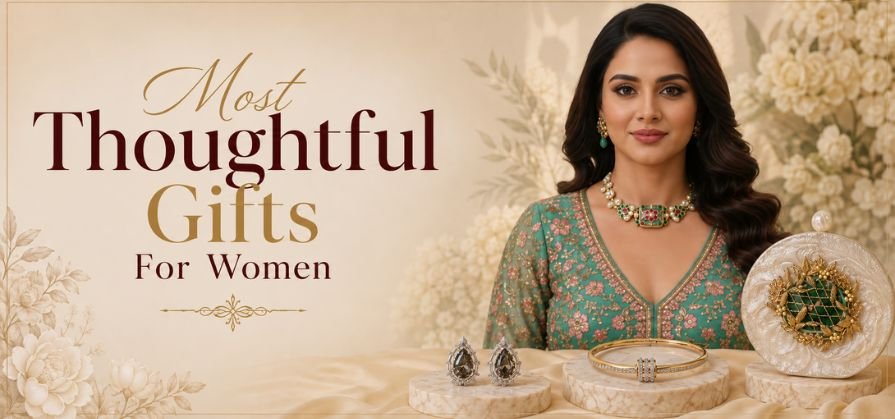
• For someone hard to shop for, a potli bag beats jewelry most of the time. No sizing, no metal preference to guess at, still feels like a real gift.
• Yashti treats the bag and the jewelry as one decision instead of two separate purchases, which is really the point of all of the above.
Explore the entire Jewelry and Bags Collection
Frequently Asked Questions
Q1. How do I choose the right purse for an outfit?
Start with the occasion, then work backward. Formal events call for beaded or metallic finishes, while a plain velvet or satin clutch covers dinners and everyday events better. Size matters too. Anything meant to hold more than a phone and lipstick should skip the tiny box styles entirely.
Q2. What clutch goes best with Indian jewelry?
Match the metal finish first. Gold-toned bags sit better with warm jewelry like kundan or antique gold, while silver or white-metal pieces pair more naturally with oxidized silver. Let one piece lead too. A heavily worked necklace calls for a simpler bag, and a plainer outfit can carry something bolder.
Q3. Can an embellished clutch be worn outside of weddings?
Yes. That's one of the bigger misconceptions about ornate bags. A small pearl clutch works fine at a formal dinner or cocktail party, and a lightly embroidered drawstring bag fits right in at a festival too. Save the heaviest, most beaded pieces for weddings and larger events specifically.
Q4. How do you clean an embroidered clutch bag?
Store it in a soft pouch rather than leaving it loose in a drawer, since beads and sequins snag easily. A dry cloth handles dust on the outside. Skip water entirely, since it can damage silk and threadwork, and keep the piece out of direct sunlight for long stretches to avoid fading.
Q5. What accessory works as a gift for almost anyone?
A clutch tends to fit that role better than jewelry does, mainly because it isn't tied to a size, a metal preference, or an existing collection it has to match. It suits a wider range of tastes and still comes across as a considered choice rather than a generic one.